Why Butcher Block Is So Expensive Real Reasons
If you’ve ever looked at butcher block countertops or cutting boards, you might have wondered, “Why is butcher block so expensive? Real reasons” seem to hide behind those beautiful wooden surfaces. It’s a common question, especially when you see prices that are higher than other materials.
Don’t worry; figuring this out is simpler than you think. We’ll break down exactly what makes butcher block cost more. We’ll also show you how to get the beautiful look you want without breaking the bank.
Let’s get started.
Understanding Butcher Block Costs
Butcher block’s price tag often surprises people, making it seem like a luxury item out of reach. This section explains why that perception exists and what factors contribute most to its cost. We will explore the raw materials, the processing, and the overall value you get from this durable and attractive material.
It’s not just about the wood; it’s about the entire journey from tree to finished product.
The Cost of Quality Wood
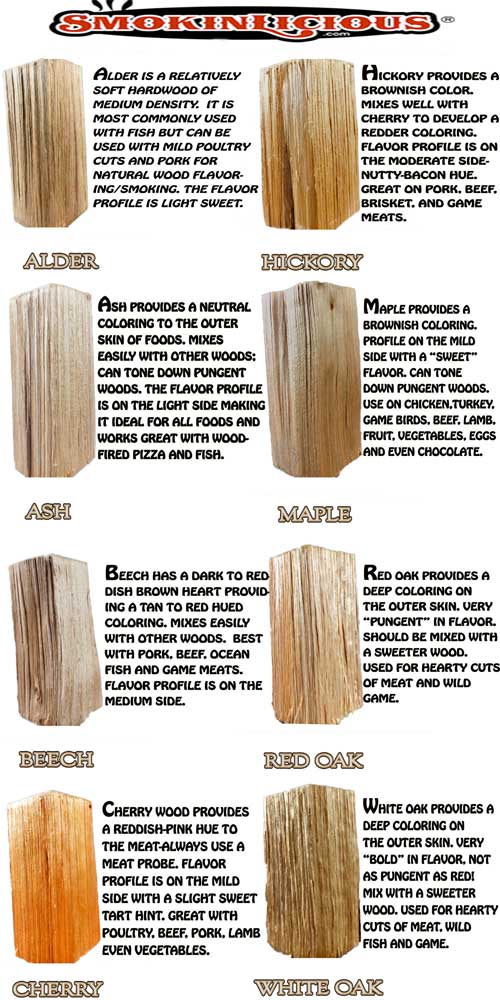
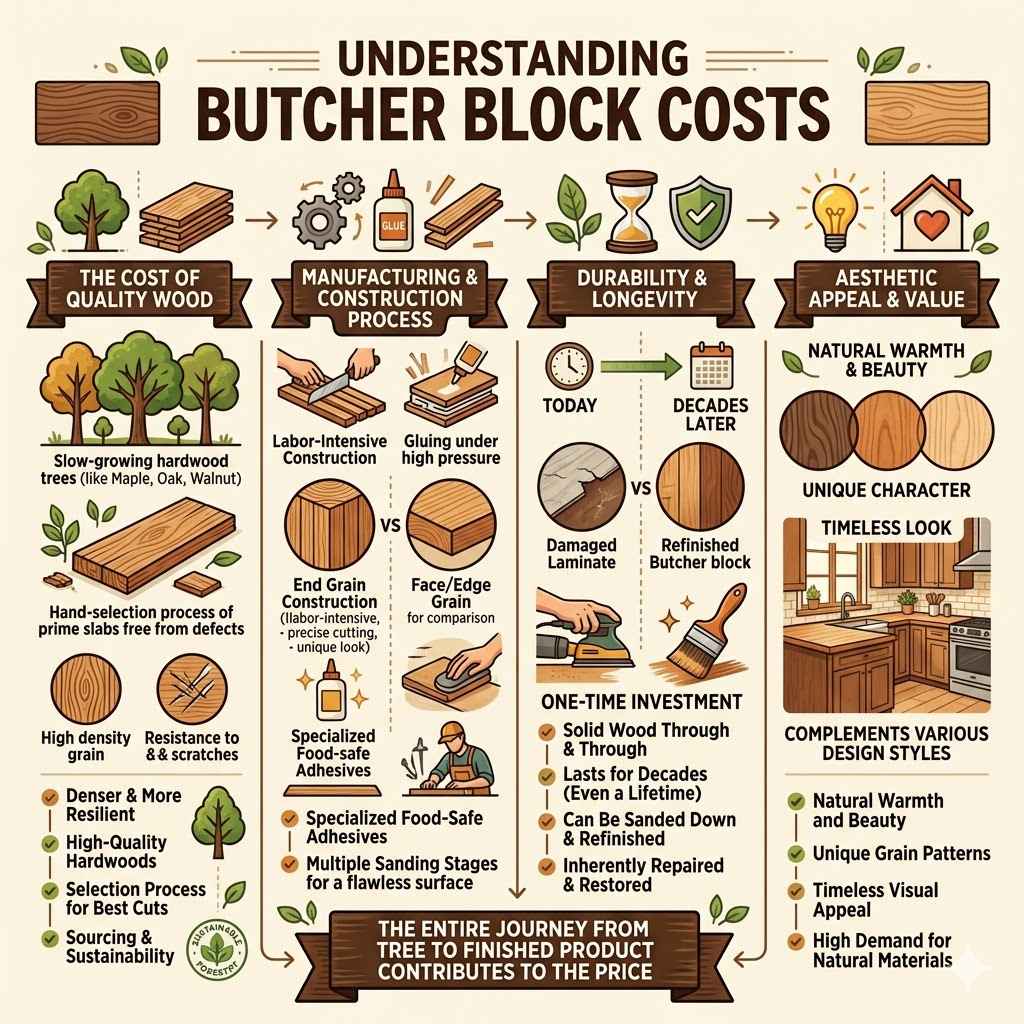
The price of butcher block starts with the wood itself. Not all wood is created equal, and the types used for butcher block are chosen for their strength, durability, and beauty. Hardwoods like maple, oak, and walnut are popular choices.
These woods grow slower, making them denser and more resilient.
Hardwoods are also more resistant to dents, scratches, and stains compared to softer woods. This makes them ideal for kitchen surfaces that see a lot of action. The sourcing of these high-quality hardwoods can be more expensive due to sustainable forestry practices and the sheer time it takes for these trees to mature.
For instance, a prime slab of walnut, known for its rich color and elegant grain, will naturally cost more than a common pine board. The selection process is strict; only the best cuts, free from knots and defects, are used. This attention to detail ensures the longevity and aesthetic appeal of the final butcher block product, but it adds to the initial material cost.
Manufacturing and Construction Process
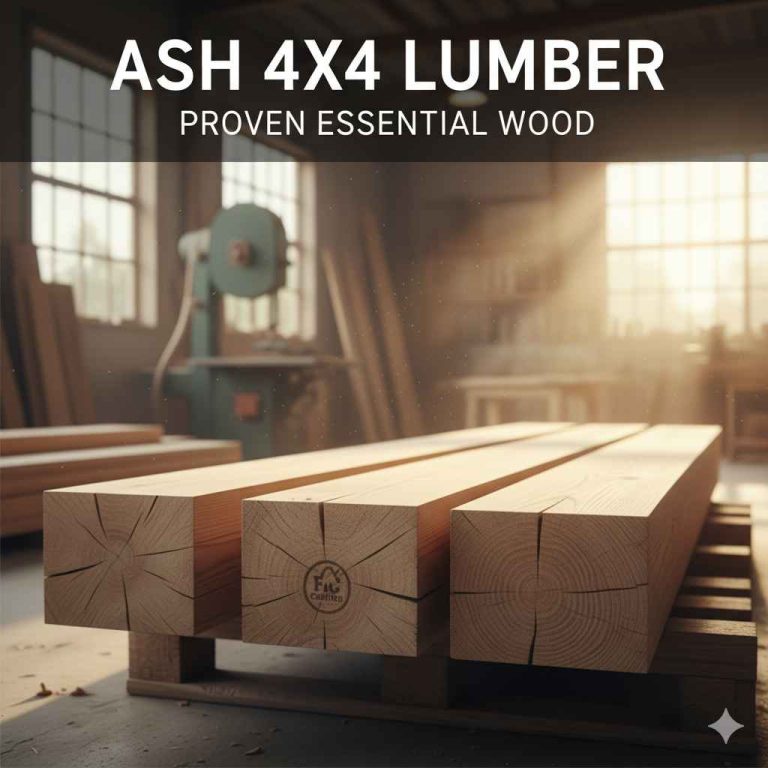
Creating butcher block involves more than just cutting wood. It requires a specific construction method to ensure strength and stability. The process involves cutting high-quality hardwood into strips, which are then glued together under high pressure.
This creates a thick, solid block.
The “end grain” construction, where the wood pieces are arranged so the grain runs vertically, is especially labor-intensive and costly. This method provides the best durability and a unique look, but it requires more precise cutting and assembly. This is the same method used for traditional butcher blocks where knives would be used.
The gluing process uses specialized, food-safe adhesives that must be incredibly strong to hold the strips together under significant stress. After gluing, the butcher block is sanded smooth, often multiple times, to achieve a flawless surface. This careful crafting is a significant contributor to the overall price.
Durability and Longevity
One of the main reasons Why Is Butcher Block So Expensive? Real Reasons are tied to its exceptional durability. Unlike laminate or some composite materials, butcher block is solid wood through and through.
This means it can last for decades, even a lifetime, with proper care.
When it gets scratched or worn, butcher block can be sanded down and refinished. This ability to restore its surface makes it a one-time investment that continues to look great. Other countertop materials might need full replacement after a similar period of wear and tear.
Consider this: a well-maintained butcher block countertop can be rejuvenated to look almost new. This inherent longevity means you don’t face the recurring costs of replacing damaged or worn-out surfaces. The initial higher cost is offset by its enduring performance and ability to be repaired.
This value proposition is a key factor in its pricing.
Aesthetic Appeal and Value
Butcher block offers a natural warmth and beauty that synthetic materials often struggle to replicate. The unique grain patterns of different wood species add character and a touch of elegance to any kitchen or workshop. This natural aesthetic adds significant value.
The material provides a timeless look that can complement various design styles, from rustic farmhouse to modern minimalist. Its natural feel also contributes to a welcoming and comfortable atmosphere in a home. Many people find the look and feel of real wood far superior to engineered surfaces.
This visual appeal and the desire for a natural material in living spaces drive demand. Higher demand, coupled with the inherent costs of production, naturally leads to higher prices. The perceived value of a beautiful, natural, and durable material is a substantial part of its market price.
Comparing Butcher Block Costs to Alternatives
To truly understand why butcher block is priced the way it is, comparing it to other popular materials can be helpful. We’ll look at common alternatives like laminate, granite, quartz, and solid surface materials, highlighting their pros, cons, and price points in relation to butcher block. This comparison will shed light on where butcher block fits in the market and why its cost is justified.
Butcher Block Versus Laminate
Laminate countertops are often the most budget-friendly option. They are made by layering plastic or photographic paper over particleboard. The surface can mimic the look of wood, stone, or other materials.
However, laminate is much less durable than butcher block. It can easily scratch, chip, and is highly susceptible to water damage, especially at seams or edges. It cannot be repaired like butcher block; once damaged, the section usually needs to be replaced.
While the upfront cost of laminate is significantly lower, its lifespan is also considerably shorter. This means replacing laminate countertops more frequently can, over time, approach or even exceed the cost of a single butcher block installation that lasts much longer.
Butcher Block Versus Granite and Quartz
Granite and quartz are natural stone and engineered stone, respectively. Both are very hard, durable, and heat-resistant materials that are often priced similarly to or higher than butcher block, depending on the specific type and pattern.
Granite is a natural material, so each slab is unique. It is porous and requires sealing to prevent staining. Quartz is engineered, making it non-porous, highly stain-resistant, and very durable.
Both granite and quartz are excellent countertop materials, offering high performance and a premium look. However, they lack the warm, natural feel and repairability of butcher block. If a scratch occurs on granite or quartz, it typically requires professional repair or resurfacing, which can be costly.
Butcher block offers a different kind of value through its natural warmth and ability to be easily refinished by the homeowner.
Butcher Block Versus Solid Surface Materials
Solid surface materials, like Corian, are made from acrylic or polyester resins and fillers. They offer a seamless look and are non-porous and stain-resistant. They can also be repaired if scratched or damaged.
While solid surface materials share some benefits with butcher block, such as repairability and being non-porous, they often lack the natural aesthetic of wood. They can also be prone to scratching and may not withstand high heat as well as stone or properly sealed butcher block.
The cost of solid surface materials can overlap with butcher block, but the distinct visual and tactile qualities of real wood give butcher block a unique selling point that justifies its price for many consumers seeking natural beauty and warmth.
A Table of Comparisons
To make it clearer, let’s look at a quick comparison. This table shows typical price ranges per square foot and some key features. Prices can vary widely based on brand, quality, and installation.
| Material | Typical Price Per Sq. Ft. | Durability | Repairability | Aesthetic |
|---|---|---|---|---|
| Laminate | $20 – $50 | Low | No | Mimics others |
| Butcher Block (Hardwood) | $75 – $200+ | High | Yes (sanding/refinishing) | Natural Wood |
| Granite | $50 – $200+ | Very High | Professional repair | Natural Stone |
| Quartz | $75 – $200+ | Very High | Professional repair | Engineered patterns |
| Solid Surface | $70 – $150 | Medium | Yes (sanding/repair) | Smooth, uniform |
Factors Affecting Butcher Block Pricing Further
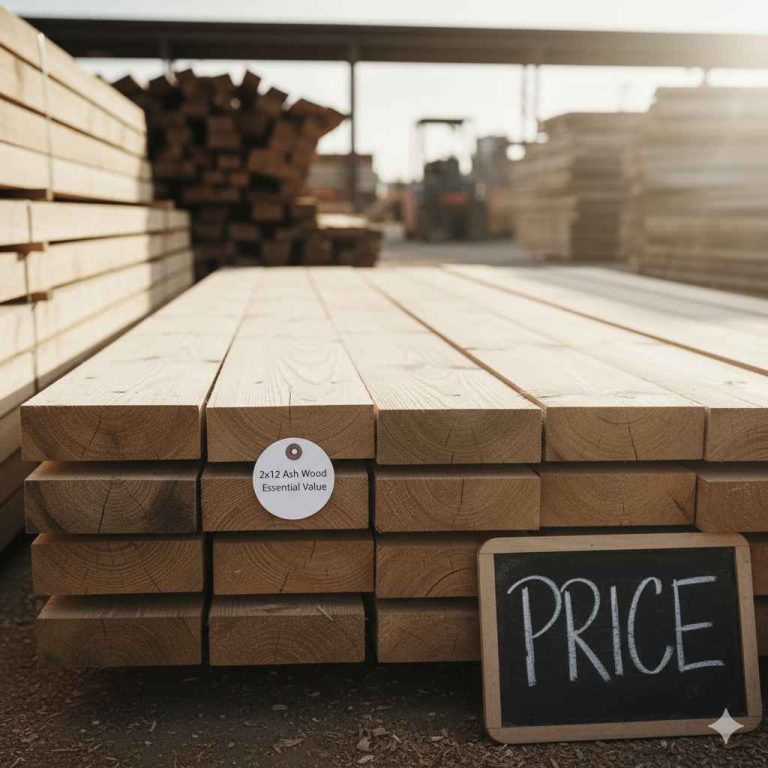
Beyond the basic materials and manufacturing, several other elements influence the final cost of butcher block. These include the specific wood species, the finish applied, the brand, and any customisation options. Understanding these details helps explain the wide range of prices you might encounter.
Wood Species and Grade
The type of wood used is a primary driver of cost. Exotic hardwoods or those with particularly desirable grain patterns will command higher prices. For example, walnut and cherry are generally more expensive than maple or oak.
The grade of the wood also plays a role. Higher grades have fewer knots, less color variation, and a more uniform appearance, making them more desirable and costly. The selection process for premium grades is more rigorous, ensuring only the best pieces make it into the final product.
Consider the visual difference: a plank of beech wood might look simple and clean, but its value is lower than a piece of exotic teak known for its rich color and tight grain. The rarity and natural beauty of certain woods directly translate into a higher market price.
Finishing and Sealing
The finish applied to butcher block is critical for its protection and appearance. For kitchen countertops, food-safe finishes like mineral oil, beeswax, or specialized food-grade sealants are used. These finishes protect the wood from moisture, stains, and bacteria.
Applying these finishes is a multi-step process that adds to the labor cost. High-quality sealants can be expensive and require careful application to ensure even coverage and maximum protection. A well-finished butcher block is more resistant to damage and easier to maintain, justifying the added expense.
Some manufacturers offer pre-finished butcher block options. While convenient, these finishes can sometimes be less robust than professional application or may not be ideal for all uses. The choice of finish, whether done by the manufacturer or intended for DIY application, is a significant cost factor.
Brand Reputation and Manufacturing Standards
Reputable brands known for quality craftsmanship and durable products often charge a premium. These companies invest in advanced manufacturing processes, stringent quality control, and sustainable sourcing. Their reputation is built on delivering consistent, high-performance materials.
A brand that guarantees its product for a long period, offers excellent customer support, and adheres to strict environmental standards will naturally reflect these investments in its pricing. For consumers, this often translates to greater peace of mind and a more reliable product.
Think of it like buying a well-known electronics brand versus an unknown one. The established brand may cost more, but you generally get better build quality, customer service, and a longer warranty. The same applies to butcher block manufacturers.
Customization and Special Orders
When you require specific dimensions, shapes, or edge profiles, you are often looking at custom orders. Customisation adds significant cost because it moves beyond standard production runs. It requires specialized cutting, fitting, and finishing processes.
For example, needing butcher block cut into a unique L-shape for a specific kitchen layout, or having a particular edge detail like a chamfer or bullnose, will increase the price. These custom jobs require skilled labor and often result in more material waste for the manufacturer, which is factored into the final price.
Special orders can also involve longer lead times and may not be eligible for returns if ordered incorrectly. The flexibility and personalized service that come with custom butcher block are valuable but come at a higher expense than off-the-shelf options.
Maximizing Value and Making Smart Choices
Now that you understand Why Is Butcher Block So Expensive? Real Reasons, you can make informed decisions. You can find ways to get the beauty and function of butcher block without overspending.
This section will guide you through practical tips for choosing the right butcher block for your needs and budget.
Consider Different Wood Types
You don’t always need the most exotic or expensive wood. Maple and oak are excellent hardwoods that offer great durability and a beautiful appearance at a more moderate price point compared to walnut or exotic species.
If you love the look of darker wood but find walnut too pricey, consider stained oak or beech. These woods can be stained to achieve a rich, deep color that mimics more expensive options. The key is to find a wood species that balances your aesthetic preferences with your budget.
For example, choosing a North American hardwood like maple or birch can be more cost-effective than importing exotic woods. These domestic options are readily available, often harvested sustainably, and provide excellent performance for their price.
Shop Around and Compare Prices
Prices can vary significantly between different suppliers and retailers. It’s wise to get quotes from multiple sources, including local lumber yards, online retailers, and custom cabinet makers. Don’t be afraid to negotiate, especially if you’re buying a large quantity or have a long-term relationship with a supplier.
Sometimes, finding a local craftsman who specializes in woodworking can be more economical than buying from a large chain store. These artisans may have lower overhead costs and can offer competitive pricing for custom-sized pieces.
Always compare not just the per-square-foot price but also what is included. Does the price cover basic edge finishing, or are you expected to do it yourself? Are there delivery fees?
Asking these questions will give you a clearer picture of the total cost.
DIY Installation and Finishing
If you are comfortable with DIY projects, installing and finishing your own butcher block can save a substantial amount of money. Many retailers sell butcher block in standard sizes that can be cut to fit your space.
You can also buy unfinished butcher block and apply your own food-safe finish. This allows you to choose the exact look and level of protection you desire. Researching the best finishes and practicing your technique on scrap pieces beforehand is recommended.
For instance, many people successfully install butcher block countertops by themselves. This involves measuring, cutting, and securing the wood, then applying a durable, food-safe finish. The savings on professional labor can be significant.
Consider Butcher Block For Specific Areas
You don’t have to use butcher block everywhere. Consider using it for accent areas or specific functional zones where its benefits are most appreciated. For example, it makes a fantastic cutting board surface on an island or a dedicated prep area, while other less expensive materials might be used for the main countertops.
This approach allows you to enjoy the unique qualities of butcher block in a targeted way, managing costs effectively. It’s a smart way to incorporate the warmth and durability of wood without committing your entire project budget to it.
A small butcher block cutting board insert in your island can provide the perfect spot for chopping ingredients, adding a practical and attractive feature. This focused use maximizes the impact of the material while keeping the overall expense manageable.
Butcher Block: An Investment in Quality
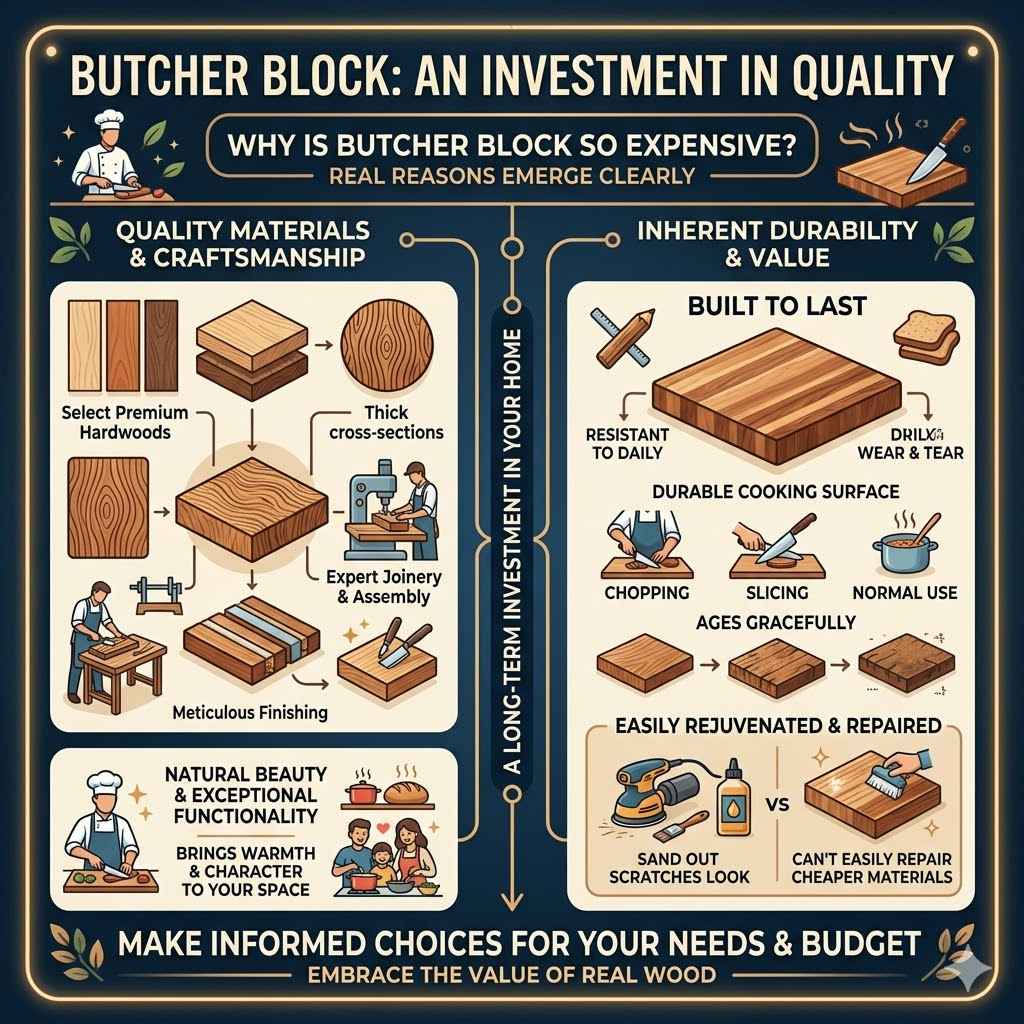
When you ask Why Is Butcher Block So Expensive? Real Reasons emerge clearly: it’s about quality materials, skilled craftsmanship, and inherent durability. The higher price reflects a product built to last, offering natural beauty and exceptional functionality.
Think of butcher block not as just another countertop material, but as a long-term investment in your home. Its ability to age gracefully and be rejuvenated means it can provide value for years to come, often outperforming cheaper alternatives.
By understanding the factors that contribute to its cost, you can appreciate its value and make informed choices that fit your needs and budget. Embrace the warmth and character that only real wood can bring to your space.
Frequently Asked Questions
Question: Is butcher block hard to maintain?
Answer: Butcher block requires regular maintenance, especially for kitchen use. It needs to be oiled or sealed periodically to protect it from moisture and stains. For daily cleaning, mild soap and water are usually sufficient, followed by drying.
Occasional sanding and refinishing can restore its appearance.
Question: Can butcher block countertops stain easily?
Answer: Yes, butcher block can stain, especially if not properly sealed. Porous woods and lighter finishes are more susceptible to stains from liquids like wine, coffee, or oil. Prompt cleanup of spills is essential.
The type of finish used also plays a big role in stain resistance.
Question: Is butcher block safe for food preparation?
Answer: Yes, butcher block is generally safe for food preparation, provided it is finished with food-grade oils or sealants. The dense wood, especially end-grain construction, can be forgiving for knives. Regular cleaning and maintenance are crucial to ensure hygiene.
Question: How long does butcher block usually last?
Answer: With proper care and maintenance, butcher block can last for many decades, often a lifetime. Its durability is one of its key selling points. Unlike laminate or other materials, it can be sanded and refinished to repair damage and refresh its appearance, extending its lifespan significantly.
Question: Can I put hot pots on butcher block?
Answer: It’s not recommended to place very hot pots directly onto butcher block without protection. While some finishes offer moderate heat resistance, prolonged exposure to high heat can damage the wood and the finish. Always use trivets or hot pads to protect the surface.
Summary
Butcher block is more expensive due to high-quality hardwoods, specialized construction methods, and its exceptional durability and beauty. The real reasons behind its cost reflect a premium material designed to last and be revitalized. You can manage the expense by choosing different wood types or specific areas for its use.
This thoughtful approach helps you enjoy butcher block’s unique charm and resilience in your home.