American Swamp Ash: The Scarce Tonewood Behind Classic Fenders
Swamp ash isn’t a separate species — it’s white ash (Fraxinus americana) grown in wet Mississippi Delta bottomland, where the waterlogged soil produces a lighter, more open-pored board than the same tree grown on high ground. Leo Fender chose it for the first Telecasters and Stratocasters for exactly that reason: light weight plus resonant, open grain. That same wood is now scarce enough that Fender pulled it from most production models in 2020. This guide covers what swamp ash actually is, how to work it, and why the supply is disappearing.
What is American Swamp Ash?
Best Grain Filler Pick
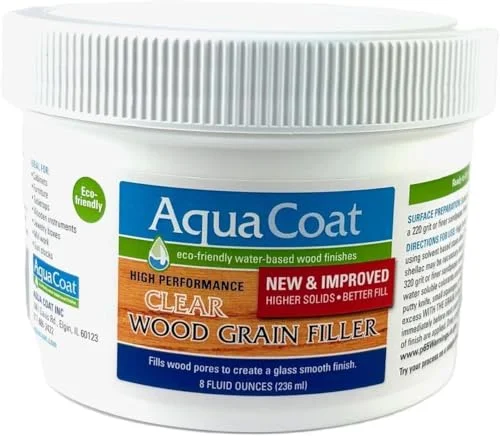 |
Aqua Coat Clear Wood Grain Filler Gel – $17.56 This is exactly the step the finishing section above calls for — filling swamp ash’s large open pores before a clear coat, without clouding or yellowing the natural color the way oil-based fillers can.
|
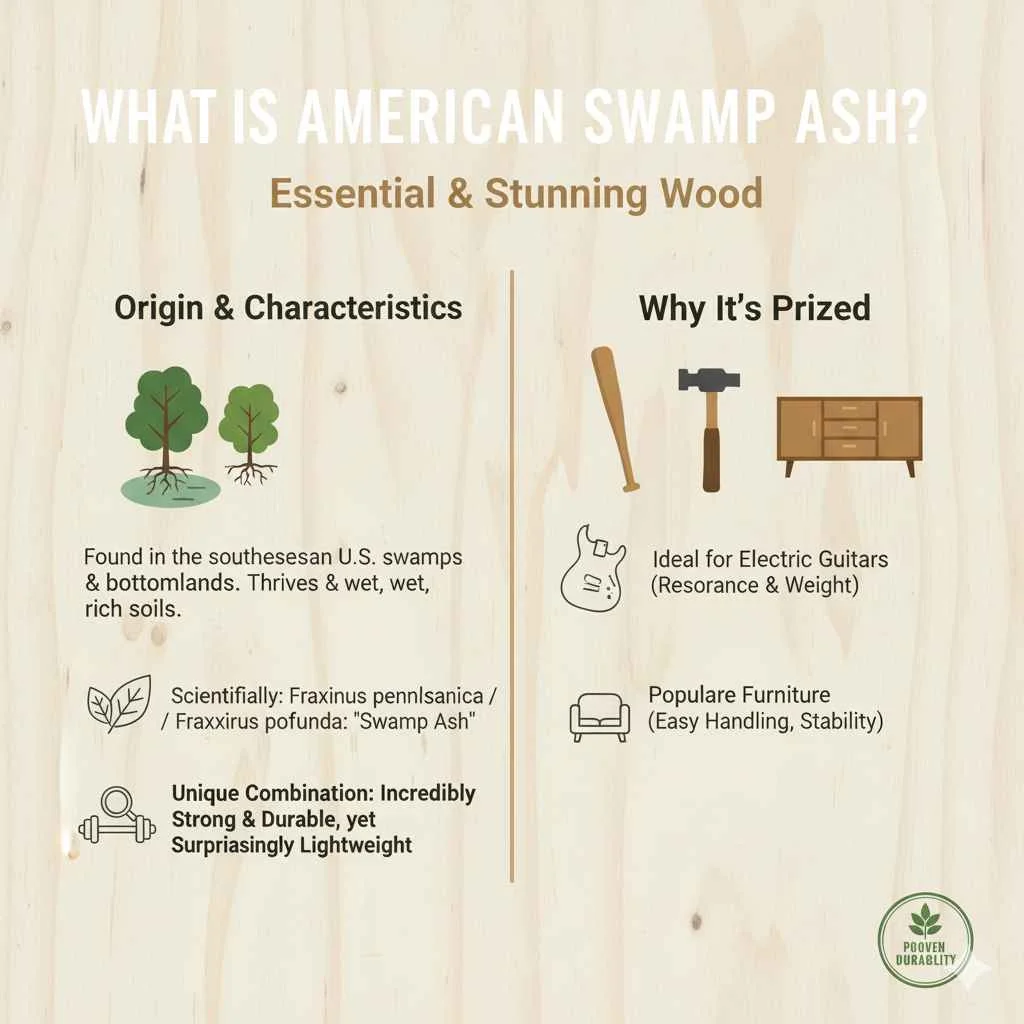
To truly appreciate American Swamp Ash, let’s get to know it better. This is a type of hardwood that grows in the southeastern United States, particularly in swampy and bottomland areas – hence its name! It’s a member of the Fraxinus genus, which also includes other common ash species like white ash and green ash. However, swamp ash often has particular characteristics that make it sought after.
Here’s the part most guides get wrong: “swamp ash” is not its own species. It’s a lumber-industry and luthier’s term, not a botanical one. The wood is most commonly milled from white ash (Fraxinus americana) trees that grew in flooded or waterlogged bottomland — typically the lower Mississippi River delta — rather than on dry upland ground. The wet growing conditions slow the tree’s growth in a way that produces a lower-density, more porous board than the same species grown upland, which is why “swamp ash” and “northern ash” from the identical tree species can feel like different woods in your hands.
One of the most impressive things about swamp ash is its combination of toughness and lightness. It’s known for being incredibly strong and durable, yet surprisingly lightweight compared to many other hardwoods. This makes it a joy to transport, handle, and work with, especially for larger projects or for crafting pieces that need to be moved around.
Key Characteristics of American Swamp Ash
So, what makes American Swamp Ash so special? It’s a combination of its physical properties and its stunning appearance. Understanding these will help you make informed decisions for your projects and appreciate the wood for what it is.
Here are the standout traits:
- Strength and Durability: Swamp ash is renowned for its excellent strength-to-weight ratio. It’s tough enough to withstand impacts and wear, making it ideal for items that see a lot of use. This resilience is one of its most prized qualities.
- Shock Resistance: This wood is naturally good at absorbing shock. This property is why it has historically been used for tool handles and, famously, for the bodies of electric guitars, which can experience vibrations and impacts.
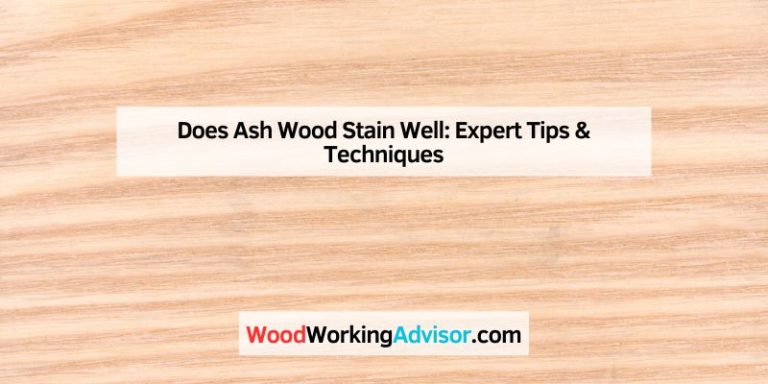
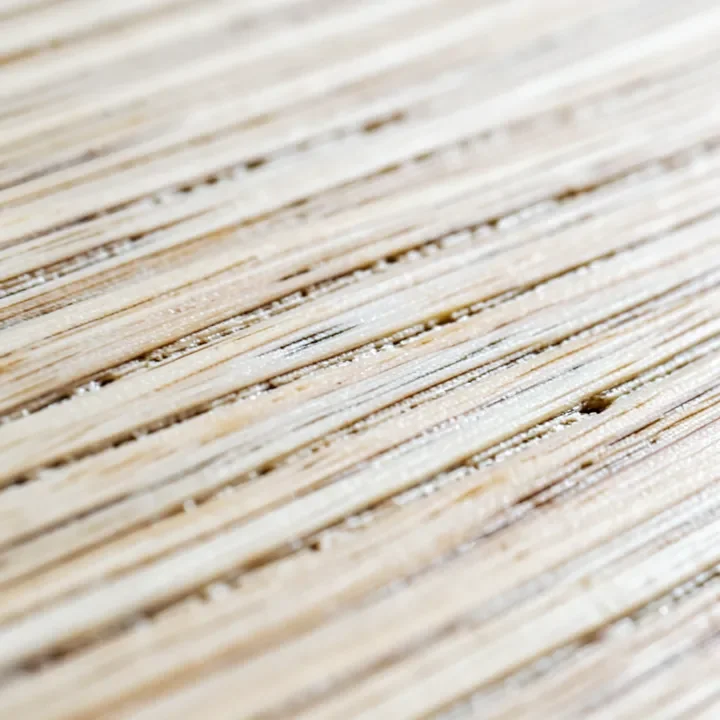
- Attractive Grain Patterns: American Swamp Ash typically displays a prominent, open grain pattern. Depending on how it’s cut (plain sawn, quarter sawn), you can get a variety of stunning looks, from straight, uniform lines to more expressive cathedral patterns. The pores are larger than in some other hardwoods, contributing to its distinctive texture.
- Color Variation: The heartwood of swamp ash is usually a light to medium brown, sometimes with a reddish or grayish tinge. The sapwood, which is the outer layer, is typically a creamy white. This contrast can be very appealing in finished pieces.
- Workability: For the most part, swamp ash is relatively easy to machine and work with hand tools. It cuts, sands, and finishes well, although its open grain might require some attention (like filling) for a perfectly smooth surface in some applications.
- Weight: While it’s a hardwood, swamp ash is generally lighter than many other hardwoods like oak or maple, making it easier to handle.
Appearance: Grain, Color, and Texture
Let’s talk looks! The visual appeal of American Swamp Ash is a major draw. Its grain is typically straight, but it can feature attractive, wavy patterns, especially in quarter-sawn pieces. You’ll often find a beautiful interplay between the lighter sapwood and the darker heartwood, creating visual depth.
The pores in swamp ash are larger and more pronounced than, say, in maple. This gives the wood a coarser texture that you can feel. For many applications, this is desirable as it adds character. If you’re aiming for a super-smooth finish, especially for painted items or certain high-gloss finishes, you might consider using a grain filler.
Where Does American Swamp Ash Come From?
American Swamp Ash is native to the eastern and central United States. Its Latin names often point to its habitat: Fraxinus pennsylvanica is known as Green Ash, often found in moist areas, and Fraxinus profunda is Pumpkin Ash, which can grow in standing water. These trees thrive in bottomlands, along riverbanks, and in swamps, where the soil is rich and water is plentiful.
Swamp ash is disappearing, and it’s not a minor supply hiccup. The emerald ash borer — an invasive beetle first found in the U.S. in 2002 — has since killed an estimated 8 billion ash trees across North America, and the Mississippi Delta bottomland where guitar-grade swamp ash is harvested has been hit as hard as anywhere. Chronic flooding in the same region has compounded the shortage. On April 20, 2020, Fender announced it was pulling ash from most of its regular production guitars, reserving remaining stock for select vintage-series models only.
📊 Quality swamp ash body-blank prices have roughly doubled over the past five years as the emerald ash borer and Delta flooding shrink the harvestable supply, according to reporting on the guitar-wood shortage in Scientific American.
“It has become ever more difficult to obtain a steady and predictable supply of ash over the last several years.”
— Fender, April 2020 announcement on discontinuing ash in production models
Common Uses for American Swamp Ash
Because of its excellent balance of strength, weight, workability, and appearance, you’ll find American Swamp Ash used in a wide variety of projects. Its versatility makes it a go-to for many woodworkers, from hobbyists to professionals.
Furniture and Cabinetry
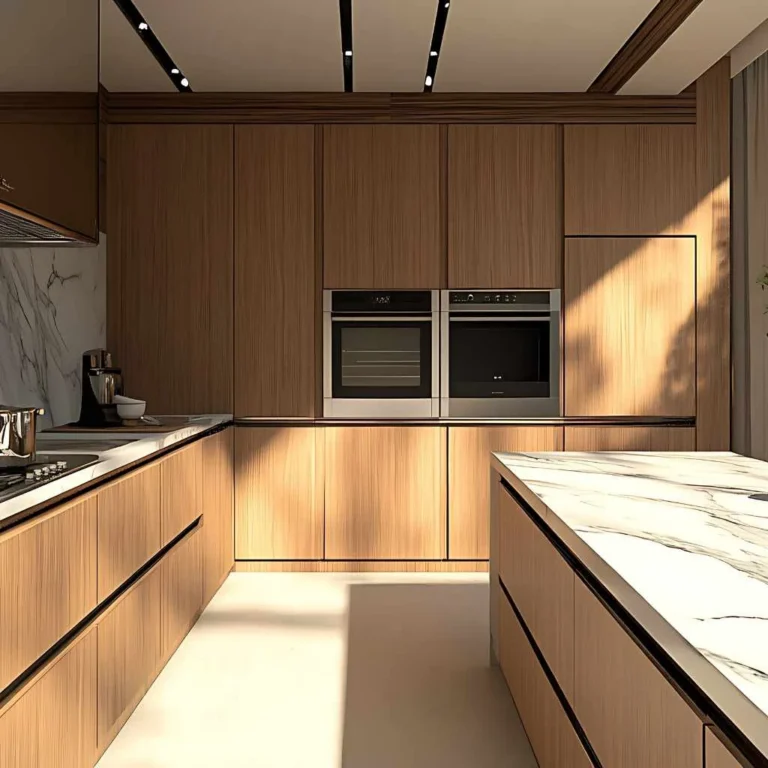
Swamp ash is a fantastic choice for building durable and attractive furniture. Its open grain can give pieces a lovely texture, and it takes finishes exceptionally well, whether you prefer a natural look, stain, or paint.
Tables: Its strength makes it suitable for tabletops and legs.
Chairs: It can handle the stress of daily use.
Cabinets: Doors and frames made from swamp ash offer both beauty and longevity.
Shelving: Its durability ensures shelves can hold significant weight.
Musical Instruments
This is where American Swamp Ash truly shines and has gained legendary status! Guitar manufacturers have favored swamp ash for decades, particularly for solid-body electric guitars.
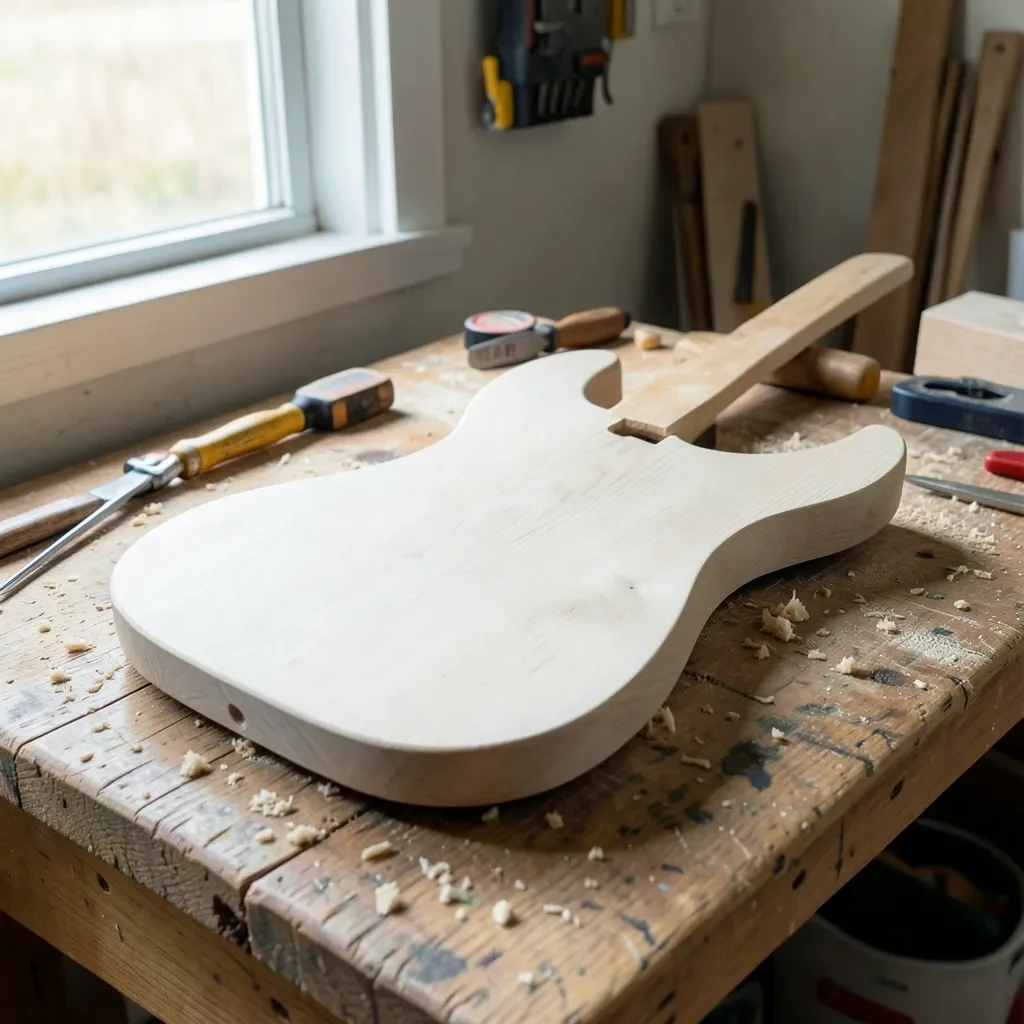
Guitar Bodies: Famous for its resonant qualities and lighter weight, it’s used by many iconic guitar brands. Fender, for example, has famously used swamp ash for many of its Telecaster and Stratocaster models. The wood’s tonal properties are excellent, contributing to bright, clear, and sustain-rich sounds.
Drum Shells: The excellent acoustic properties and durability also make it a good choice for drum kits.
Other Applications
Beyond furniture and musical instruments, swamp ash’s properties lend themselves to other uses:
Tool Handles: Its shock resistance makes it ideal for hammers, axes, and other tools that endure impact.
Interior Trim and Mouldings: Its attractive grain can add a touch of elegance to architectural details.
Veneer: It can be sliced into thin sheets for decorative applications on other materials.
Sporting Goods: Historically used for things like baseball bats (though hickory and maple are more common now) and other sports equipment.
Working with American Swamp Ash: Beginner Tips
You’re ready to try working with American Swamp Ash? That’s fantastic! As a beginner, you’ll find it’s a wood that’s generally forgiving and rewarding to use. Here are some essential tips to make your experience smooth and successful.
Cutting and Shaping
Swamp ash machines well. You can use both hand tools and power tools.
Saws: Standard table saws, miter saws, and jigsaws will cut ash effectively. Keep your blades sharp for clean cuts.
Routing: It can be routed for decorative edges or joinery. Because of its open grain, some routers might leave a slightly rougher surface in the pores.
Drilling: Drills will create clean holes. Be mindful of tear-out on the exit side; backing boards can help prevent this.
Sanding
Like most hardwoods, swamp ash benefits from careful sanding to achieve a smooth finish.
Start with a medium grit sandpaper (like 80 or 100 grit) to remove any milling marks or unevenness.
Progress through finer grits (120, 150, 180, 220 grit).
Always sand with the direction of the grain.
For a super-smooth finish, especially on the open pores, consider using a grain filler after your initial sanding, or sanding up to very fine grits (e.g., 320 or 400 grit).
Finishing
This is where you can really make your American Swamp Ash project pop!
Stains: Swamp ash takes stains well, often absorbing them deeply due to its open pores. You can achieve a wide range of colors. Experiment on scrap pieces first to see how the stain looks.
Clear Coats: For a natural look that highlights the wood’s grain, clear finishes like polyurethane, lacquer, or a penetrating oil (like Danish oil) work beautifully.
Painting: If you’re painting, you might want to use a grain filler to create a perfectly smooth surface before applying primer and paint. This will give a more uniform appearance.
Sealing the Open Grain: If you want a glass-smooth finish, using a wood grain filler is highly recommended for swamp ash. This fills in the larger pores. You would typically apply the filler after initial sanding but before your final sanding and finish coats.
Safety First! Always
Woodworking is fun, but safety is paramount. Always wear safety glasses to protect your eyes from dust and flying debris. Use hearing protection when operating loud power tools. Ensure you have good ventilation, especially when sanding or applying finishes, to avoid inhaling dust or fumes. Always read and understand the manuals for your power tools.
Here’s a quick safety checklist:
- Wear safety glasses at all times.
- Use hearing protection with loud machinery.
- Ensure good ventilation for dust and fumes.
- Read and understand tool manuals.
- Keep your work area clean and organized.
- Never force tools; let them do the work.
Pros and Cons of American Swamp Ash
Like any material, American Swamp Ash has its advantages and a few considerations to keep in mind. Understanding these will help you decide if it’s the right wood for your specific project.
Here’s a breakdown:
| Pros | Cons |
|---|---|
| Excellent strength-to-weight ratio | Open grain may require filling for a perfectly smooth finish |
| High shock resistance | Availability can sometimes be lower or price higher than more common woods like pine or poplar |
| Beautiful, prominent grain patterns | Can be prone to denting if heavy impacts occur (though it’s quite durable overall) |
| Takes stains and finishes very well | Can be more expensive than softwoods |
| Relatively easy to work with tools | Susceptible to insect damage if not properly finished and maintained (like most hardwoods) |
| Good resonance for musical instruments |
Comparing American Swamp Ash to Other Woods
To really get a feel for why swamp ash is so popular, let’s compare it to a couple of other common hardwoods.
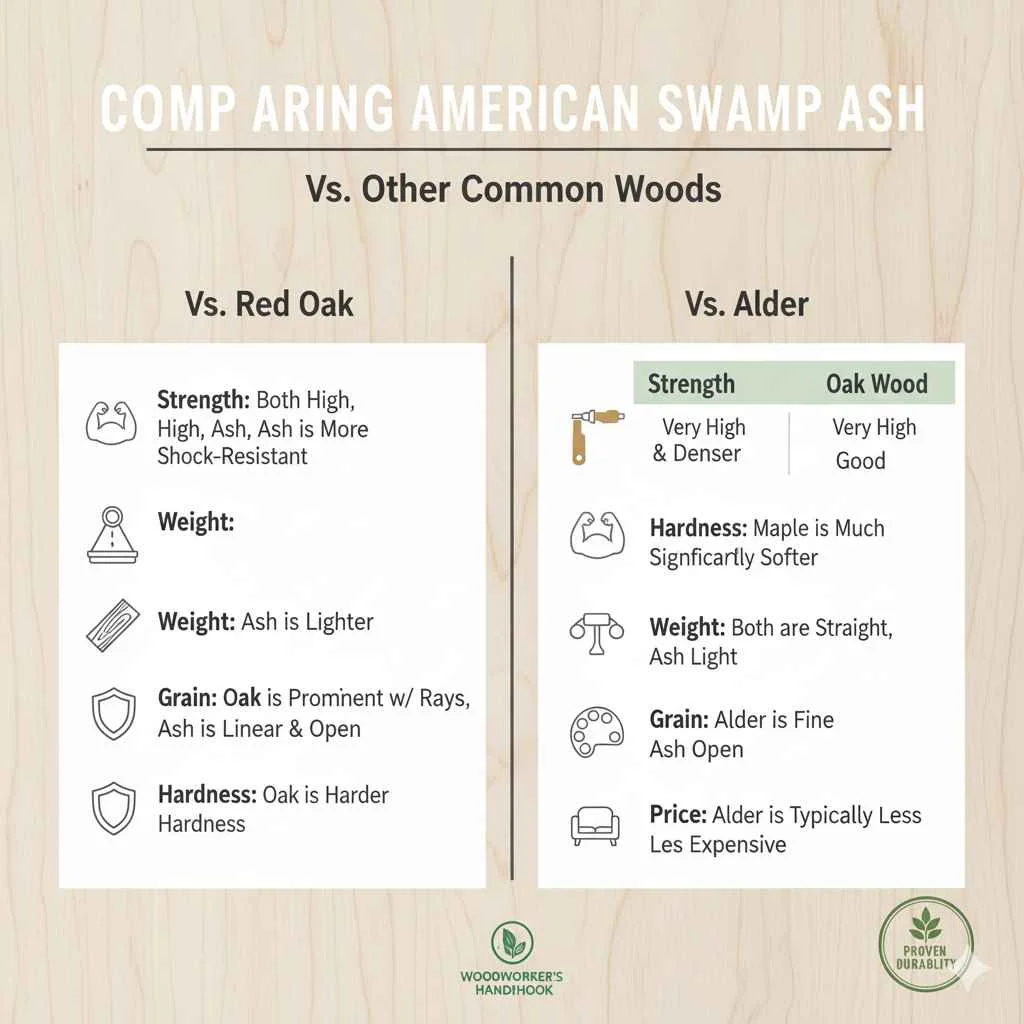
Vs. Red Oak
Red Oak is another American hardwood, known for its strength and distinctive, open, ‘cathedral’ grain pattern.
Strength: Both are strong, but ash often has a better shock resistance.
Weight: Ash is typically lighter than red oak.
Grain: Oak has a more pronounced, often ray-flecked grain, while ash has a more linear, open-pored grain.
Hardness: Oak is generally harder than ash. This means oak might resist dents slightly better but can be trickier to machine.
Vs. Alder
Alder is a softwood that is often used as a budget-friendly alternative, especially in the guitar industry.
Hardness: Alder is significantly softer than ash. This makes it easier to dent and less durable for heavy-use furniture.
Weight: Alder is very light, often comparable to or even lighter than ash.
Grain: Alder has a fine, straight grain that is less prominent than ash. It takes finishes very smoothly.
Price: Alder is typically less expensive than ash.
Vs. Maple
Maple, particularly hard maple, is a very dense, hard, and strong wood with a fine, even grain.
Hardness: Hard maple is significantly harder and denser than ash. It’s excellent for high-wear surfaces like cutting boards or workbenches.
Weight: Maple is considerably heavier than ash.
Grain: Maple’s grain is much finer and less open than ash, giving a smoother surface naturally.
* Tonality: While both woods are used for guitars, they produce slightly different tonal characteristics. Maple is often described as bright and articulate, while ash offers warmth with clarity.
Frequently Asked Questions About American Swamp Ash
Here are some common questions beginners have about American Swamp Ash:
Q1: Is American Swamp Ash a hard or soft wood?
American Swamp Ash is considered a hardwood. It is strong and durable, though typically a bit lighter and less dense than some other hardwoods like oak or maple.
Q2: Is American Swamp Ash expensive?
The price of American Swamp Ash can vary depending on grade, dimension, and availability. It is generally more expensive than softwoods like pine, but it can be comparable to or sometimes less expensive than other hardwoods like high-grade maple or walnut. Its value comes from its excellent properties.
Q3: How do I fill the pores on American Swamp Ash?
You can fill the pores using a commercial wood grain filler. Apply it liberally across the surface after initial sanding, then scrape off the excess while it’s still wet, working across the grain. Once dry, sand it smooth (following the product instructions) before applying your finish.
Q4: Can I use American Swamp Ash for outdoor furniture?
While American Swamp Ash is durable, it’s not naturally resistant to rot or insects like some tropical hardwoods or treated lumber. It can be used for outdoor furniture if it’s very well sealed with an exterior-grade finish that provides excellent protection against moisture and UV rays. For maximum longevity outdoors, other woods might be a better choice.
Q5: What grit sandpaper should I finish sanding American Swamp Ash with?
For a smooth finish, it’s recommended to sand up to at least 220 grit. If you notice the pores are still too rough or if you want a super-smooth surface for painting or high-gloss finishes, you can go higher, up to 320 or even 400 grit, especially after using a grain filler.
Q6: Is American Swamp Ash sustainable?
The sustainability of American Swamp Ash, like any lumber, depends on responsible forestry practices. Ash trees are managed in forests across the USA. Looking for lumber from suppliers who adhere to sustainable harvesting guidelines and certifications can ensure your wood choice is environmentally conscious. The U.S. Forest Service actively monitors forest health and timber resources.
Conclusion
That’s swamp ash: not a separate species, just white ash grown in the wrong (or right) place, now scarce enough that even Fender rations it. If you’re comparing ash generally against alder, basswood, and the other woods guitar builders reach for, see our full guide to ash wood for guitars for the broader picture beyond just the swamp-grown variety.
Its workability makes it accessible to those just starting out, while its stunning results satisfy even the most discerning eye. Remember to always prioritize safety, choose your tools wisely, focus on good sanding techniques, and explore the finishing options that will bring your project to life. American Swamp Ash is more than just a material; it’s an invitation to create something truly special and enduring. I encourage you to seek out some of this fantastic wood for your next project and see its potential firsthand. Happy building!
Sponsored / affiliate links. As an Amazon Associate I earn from qualifying purchases. I may earn additional commission from eligible campaigns.