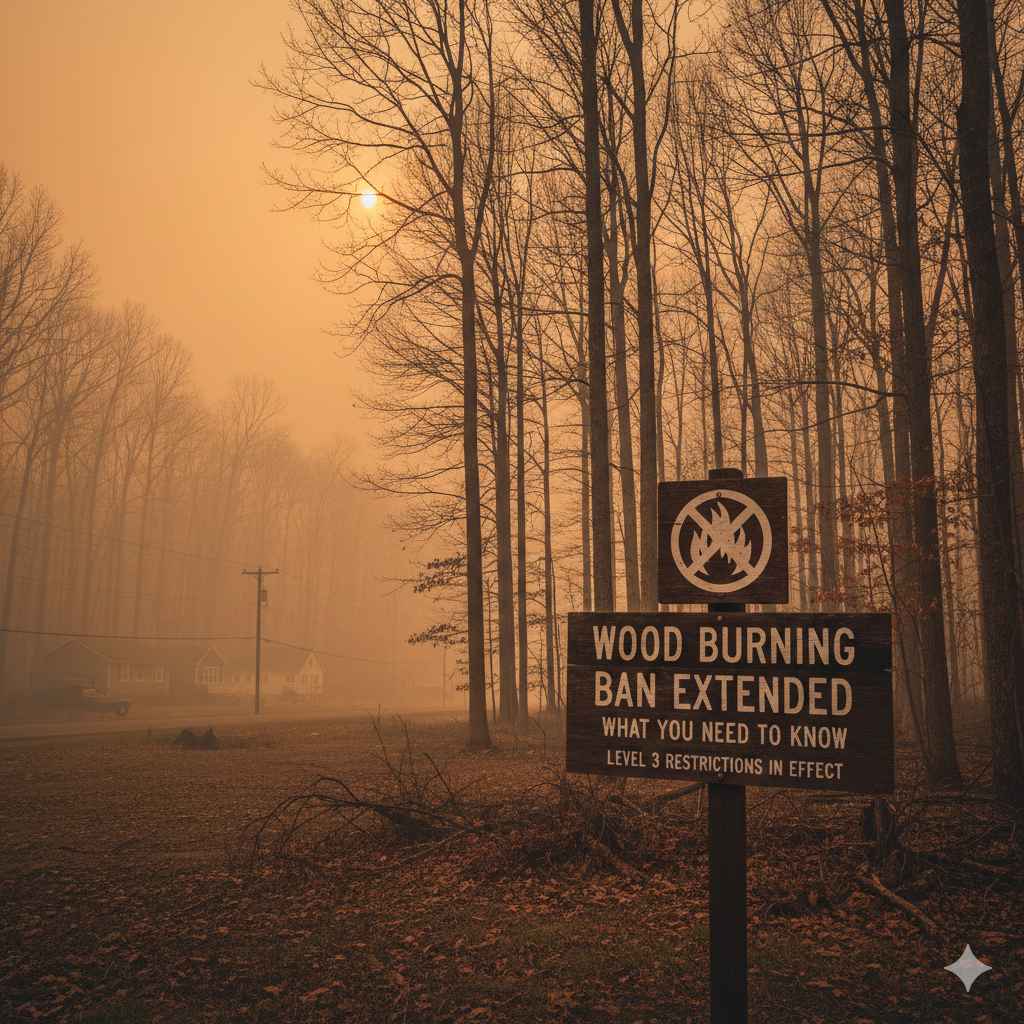
Wood Burning Ban Extended: What You Need to Know
The concept of a wood burning ban extended might seem a bit complicated at first. If you’re new to this, it can feel like a lot to take in. You may wonder why these bans happen and what they mean for you. Don’t worry, it’s really not as hard as it sounds. We’ll break down the basics so you’re up to speed quickly. Get ready for a simple, step-by-step guide to everything you need to know. We’ll cover everything from the reasons behind the bans to the alternatives you can use, so let’s begin.
What Causes a Wood Burning Ban Extended?
A wood burning ban extended is typically put in place by local or regional authorities. The main reason for these bans is to reduce air pollution. Burning wood, whether in fi
Air Quality and Health
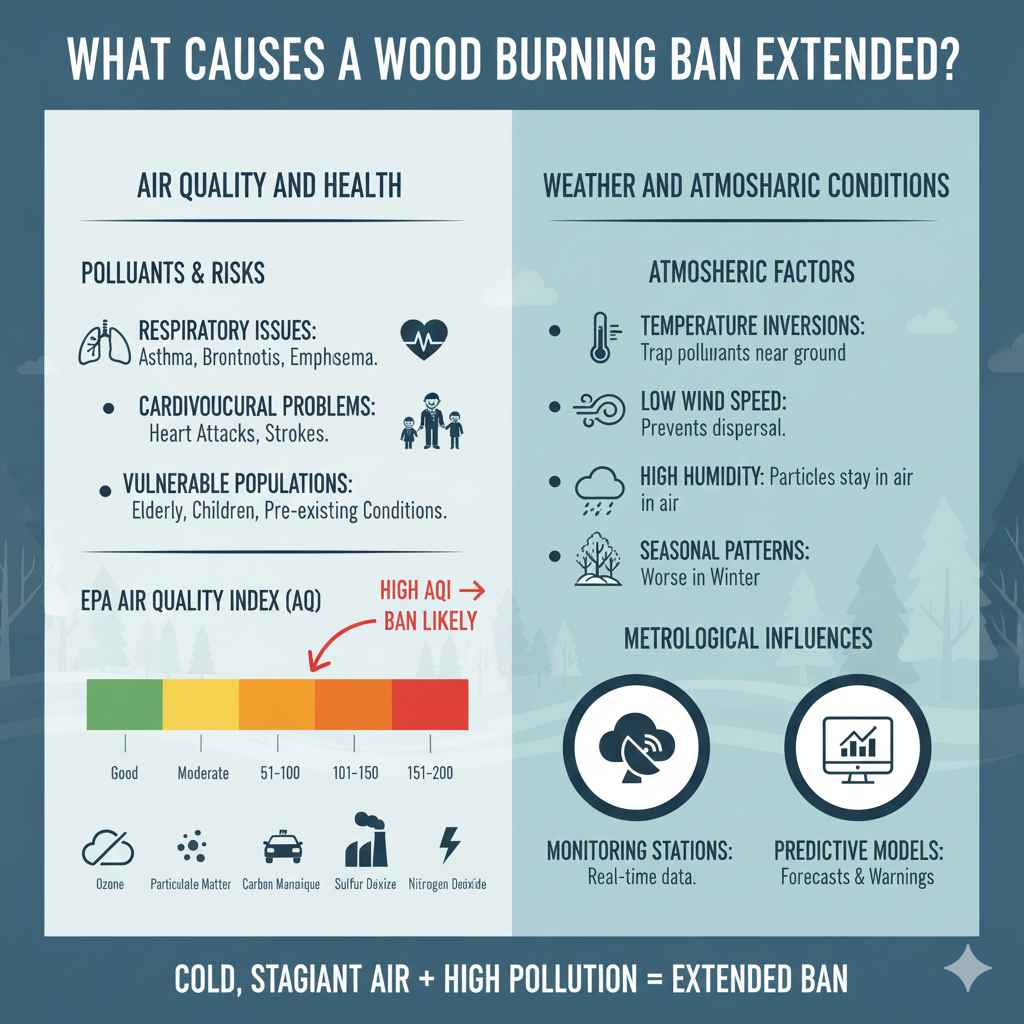
Air quality is a measure of how clean or polluted the air is. The better the air quality, the cleaner it is. When the air quality is poor, it means there are many pollutants. These pollutants come from things like cars, factories, and burning wood. The EPA and local authorities monitor air quality, giving ratings based on different pollution levels. These levels help determine if a wood burning ban is needed. Poor air quality can lead to several health issues.
- Respiratory Issues: Fine particulate matter can irritate the lungs, making it harder to breathe. This can worsen conditions like asthma, bronchitis, and emphysema.
- Cardiovascular Problems: Air pollution is linked to increased risk of heart attacks and strokes. The tiny particles can get into the bloodstream, causing inflammation and damage.
- Exacerbation of Existing Conditions: For individuals with pre-existing health issues, like the elderly and children, poor air quality can exacerbate their conditions.
The EPA uses an Air Quality Index (AQI) to report air quality. The AQI measures levels of five major air pollutants regulated by the Clean Air Act: ground-level ozone, particle pollution (also known as particulate matter), carbon monoxide, sulfur dioxide, and nitrogen dioxide. An AQI value of 100 is considered unhealthy for sensitive groups. When AQI levels are high, wood burning bans are more likely.
Weather and Atmospheric Conditions
Weather plays a big role in air quality. Certain weather conditions can make pollution worse. When the weather is cold, people often burn more wood for heat. Also, temperature inversions can trap pollutants close to the ground. This happens when a layer of warm air sits on top of a layer of cold air. This prevents the pollutants from rising and dispersing into the atmosphere, leading to poor air quality. Understanding the weather’s influence helps us see why bans are sometimes necessary.
- Temperature Inversions: These trap pollutants near the ground, increasing the concentration of pollutants.
- Wind Speed: Low wind speeds prevent pollutants from dispersing. Strong winds help clear the air.
- Humidity: High humidity can trap particles, making them stay in the air longer.
- Seasonal Patterns: Air quality tends to be worse during winter months due to increased wood burning for heat and temperature inversions.
Meteorological agencies and air quality monitoring stations closely watch these atmospheric conditions. When conditions are right for poor air quality, authorities often issue warnings and consider extending wood burning bans. Predictive models also help by forecasting when these conditions are expected, allowing authorities to prepare ahead of time.
Understanding the Impact of a Wood Burning Ban Extended
When a wood burning ban extended is in place, it has a direct effect on your everyday actions. The restrictions limit your options for heating your home, cooking outdoors, or even enjoying a cozy fire. These bans aren’t meant to be difficult, but to help keep the air clean and healthy for everyone. The rules usually vary based on where you live. This section explains what you can and can’t do, and how these rules affect everyday life.
What You Can’t Do
During a wood burning ban, you are restricted from using devices that burn wood. These restrictions are put in place to limit the release of harmful particles into the atmosphere. There are consequences for not following these rules, and you can get a fine. It’s important to know and follow the local rules to avoid fines and help keep the air clean. If you are unsure about the rules, local air quality management websites are often available.
- Burning Wood in Fireplaces: This is typically the primary restriction. Fireplaces are significant sources of particulate matter.
- Using Wood Stoves: Many older wood stoves are not efficient and produce a lot of pollution.
- Outdoor Fire Pits: Fire pits, chimineas, and other outdoor burning devices are usually not allowed.
- Burning Yard Waste: Burning leaves, branches, or other yard waste is often banned to reduce smoke and pollution.
- Using Firewood to Cook: Some bans also include using wood for cooking, such as in outdoor grills or smokers, if it produces visible smoke.
Regulations often specify the types of wood-burning devices affected. Newer, certified stoves are sometimes exempt. Always check local regulations to find out specific details for your area. Violation of the bans often results in fines, which can be enforced by local authorities. Enforcement typically relies on complaints from residents and proactive monitoring.
What You Can Do Instead
Even with a wood burning ban extended, there are plenty of ways to keep your home warm and enjoy the outdoors. Alternatives range from switching to cleaner-burning fuels to finding other fun activities. These options can keep your home cozy and provide you with new opportunities. Here are some alternatives.
- Use Natural Gas or Propane Fireplaces: These produce very little pollution. They look and feel like wood-burning fireplaces.
- Electric Fireplaces: A great option that adds warmth and ambiance. They don’t produce any emissions at all.
- Heating Systems: Central heating systems provide warmth throughout the house.
- Explore Outdoor Alternatives: Instead of fires, you can enjoy outdoor activities such as picnics or visiting parks.
- Use Non-Wood Burning Grills: If you enjoy grilling, use a gas or electric grill.
Switching to alternatives helps reduce your impact on air quality. Installing cleaner heating systems may even qualify for rebates or tax credits in some areas. These actions collectively help the community during times of air quality concerns.
Finding out if a Wood Burning Ban is Active
Knowing when a wood burning ban extended is active is essential. Being informed about current bans helps you avoid breaking the rules. Several ways to get this information are available, from local websites to official alert systems. Staying informed keeps you in compliance and protects air quality.
Local Air Quality Websites
The first place to check for ban information is your local government’s website. These sites usually have up-to-date details about current restrictions. They’ll also give you background info about why the ban is in place and how long it’s expected to last. Checking these resources frequently is a good habit. You will get the most accurate information on current regulations.
- County or City Websites: Most local governments have a section for environmental regulations or air quality.
- Air Quality Management Districts: These districts are responsible for monitoring air quality and issuing alerts.
- Search Engines: Use search engines with terms like ” wood burning ban” to find related articles.
- Check News Websites: Local news websites and TV stations report on ban announcements.
Many websites provide real-time updates on air quality conditions. Some may even have interactive maps that display the air quality data. Some websites also offer email or text alerts when a ban is issued. Many local health departments also provide information on air quality. Keep these resources at your fingertips.
Alert Systems and Notifications
Several alert systems are available to notify you when a ban is in effect. These systems can include email subscriptions, text message alerts, and phone calls. By signing up, you can get timely notifications directly, ensuring you do not miss important updates. These systems reduce the chance of accidentally violating the restrictions. It’s helpful and convenient to use alert systems.
- Email Subscriptions: Receive regular updates and alerts about air quality.
- Text Message Alerts: Instant notifications sent to your phone.
- Mobile Apps: Many air quality monitoring agencies offer apps for real-time information.
- Local News Alerts: Some news outlets send out alerts through their apps or websites.
These alerts provide a convenient and efficient way to stay informed. Once signed up, you’ll receive timely information to comply with any active bans. Some systems provide more detail than others, which includes background information. Most alert systems are free. Taking advantage of these resources helps you stay informed and support community efforts.
Alternatives to Wood Burning
When a wood burning ban extended is in place, you’ll need to seek other ways to stay warm and cook. Many practical alternatives exist that can satisfy your needs while also keeping the air cleaner. Options range from traditional solutions like gas fireplaces to modern, eco-friendly choices. These various alternatives help you keep warm, cook, and enjoy outdoor activities.
Heating Options
Finding heating options is easier than you may think. Several heating solutions provide warmth without burning wood. Each option has its own benefits, ensuring you can still stay cozy. These are common and effective alternatives during bans.
- Gas Fi
- Electric Fi
- Central Heating Systems: Central heating systems distribute heat through vents and are an efficient way to heat your entire house.
- Heat Pumps: Heat pumps efficiently transfer heat from the outside to the inside, even in cold weather.
When selecting a heating system, consider factors like efficiency, cost, and personal preferences. Newer gas and electric fi
Cooking and Outdoor Activities
You can still enjoy outdoor cooking and activities even when wood burning is off-limits. Several alternatives allow you to cook delicious meals and have fun without harming the air quality. Consider these options for cooking and outdoor fun.
- Gas Grills: Gas grills provide an efficient way to cook outdoors without producing smoke.
- Electric Grills: Electric grills are another way to cook outdoors.
- Propane Stoves: Propane stoves are an excellent choice for cooking outdoors.
- Picnics and Park Visits: Enjoy outdoor activities like picnics, visiting parks, or exploring nature trails.
Gas and electric grills are a great choice for safe, convenient cooking. They offer precise temperature control and quick start-up times. Propane stoves are easy to transport and set up. Consider the specific rules of the park or outdoor space. These alternatives help keep air clean while you enjoy your outdoor time.
Frequently Asked Questions
Question: Why do wood burning bans exist?
Answer: Wood burning bans are in place to reduce air pollution and protect public health. Burning wood releases particulate matter and other pollutants that are harmful to breathe, especially for people with respiratory issues.
Question: How can I find out if a wood burning ban is in effect?
Answer: You can check your local government’s website, your county’s air quality management district, local news websites, and sign up for alert notifications like email or text.
Question: What am I not allowed to do during a wood burning ban?
Answer: During a wood burning ban, you generally cannot burn wood in fireplaces, wood stoves, outdoor fire pits, or use wood to cook. Burning yard waste may also be restricted.
Question: Are there alternatives to wood burning during a ban?
Answer: Yes, you can use gas or electric fireplaces, central heating systems, gas or electric grills, and enjoy other outdoor activities like picnics.
Question: What happens if I violate a wood burning ban?
Answer: Violating a wood burning ban may result in fines. The amount of the fine depends on local regulations. It’s important to know and follow the rules.
Final Thoughts
Dealing with a wood burning ban extended may seem like a disruption, but it’s a necessary step to improve air quality and protect public health. These bans are temporary and designed to help when air pollution levels increase. You now understand why these rules are in place, the reasons that trigger them, and the alternatives available. You have many options to keep your home warm and enjoy outdoor activities, even when wood burning isn’t allowed. By using the information, you can comply with local regulations and make a positive impact on your community. With a little effort, you can protect your health and the environment for many years.