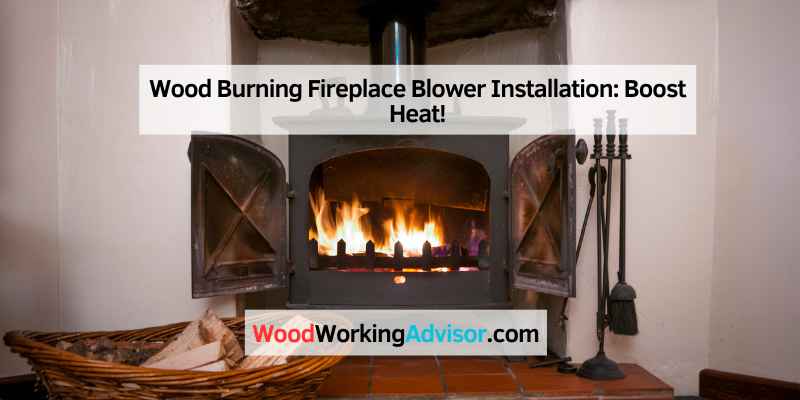
Wood Burning Fireplace Blower Installation: Boost Heat!
To install a wood burning fireplace blower, remove the top and bottom louvers, screen assembly, and speed control knob and retaining nut before installing the blower assembly. Wiring the blower and installing the air discharge extension, shield, and sensor are also necessary steps.
While blowers are not designed for all types of fireplaces, they can increase efficiency and circulate heat further into the home. Fireplace blower fans are worth the investment for those seeking to optimize their wood burning fireplace’s heating capabilities. Fireplace Blower Outlet provides helpful installation tips for those looking to add a blower to their fireplace.
With the right tools and steps, a blower can be a valuable addition to any wood burning fireplace.
Introduction To Fireplace Blowers
Discover the benefits of wood-burning fireplace blower installation in Austin, Texas. Learn how to install a fireplace blower unit with step-by-step instructions and helpful videos. Increase the efficiency of your fireplace and enjoy the warmth throughout your home. Explore the possibilities of adding a blower to your existing wood-burning fireplace and maximize its heating potential.
Don’t miss out on the comfort and efficiency that a fireplace blower can provide.
Wood burning fireplaces are a cozy addition to any home, providing warmth and ambiance during the colder months. However, traditional fireplaces can sometimes be inefficient in distributing heat evenly throughout the room. That’s where fireplace blowers come in. A fireplace blower, also known as a fireplace fan or fireplace insert blower, is a device that can be installed in your wood burning fireplace to improve its efficiency and heat distribution. In this article, we will explore the benefits of installing a blower and the different types available.
Benefits Of Installing A Blower
Installing a blower in your wood burning fireplace can provide several advantages. Here are some key benefits to consider:
1. Improved Heat Distribution: A blower helps to distribute the heat generated by the fire more evenly throughout the room, preventing hot and cold spots and maximizing the warmth in your living space.
2. Increased Efficiency: By circulating the heated air, a blower helps to maximize the efficiency of your fireplace, allowing you to get more heat from each burn and potentially reducing your overall heating costs.
3. Faster Warm-Up Time: With a blower, your fireplace can reach its desired temperature faster, providing you with cozy warmth in less time.
4. Enhanced Comfort: A blower helps to eliminate drafts and cold pockets in the room, creating a more comfortable environment for you and your family to enjoy.
5. Eco-Friendly Heating: By improving the efficiency of your wood burning fireplace, a blower can contribute to reducing your carbon footprint and making your heating system more environmentally friendly.
Types Of Fireplace Blowers
When it comes to choosing a blower for your wood burning fireplace, there are a few different types to consider. Here are the main options available:
1. Forced Air Blowers: These blowers use a fan to circulate the heated air from the fireplace into the room. They are typically installed inside the firebox or in the surrounding area.
2. Inline Blowers: Inline blowers are installed in the ductwork of your fireplace, helping to distribute the heated air to other areas of your home. They are a great option if you want to heat multiple rooms using a single fireplace.
3. Insert Blowers: Designed specifically for fireplace inserts, these blowers are installed inside the insert to improve heat distribution. They are a popular choice for homeowners looking to upgrade their existing fireplace.
4. External Blowers: As the name suggests, these blowers are installed outside of the fireplace and connected to the venting system. They are a good option for homeowners who want to keep the noise level down and have limited space inside the firebox.
In conclusion
installing a blower in your wood burning fireplace can greatly enhance its efficiency and heat distribution. By choosing the right type of blower for your specific needs, you can enjoy a more comfortable and cozy living space during the colder months. So, why not consider adding a blower to your existing fireplace and reap the benefits it has to offer?
Assessing Your Fireplace
Before installing a wood-burning fireplace blower, it’s essential to assess your fireplace to ensure compatibility and determine the type of blower that will work best for your setup.
Compatibility With Wood-burning Fireplaces
If your wood-burning fireplace is a metal box with louvers and has access to the compartment below the firebox, it is likely compatible with a blower installation. However, if your fireplace is not designed to accept a blower, such as non-metal box configurations, then a blower may not be suitable for your setup.
Identifying Fireplace Types
Wood-burning fireplaces can vary in design and construction, including traditional masonry fireplaces, prefabricated metal fireplaces, and fireplace inserts. Each type may have specific requirements for blower installation, so it’s crucial to identify the exact type of fireplace you have before proceeding with the installation process.
Tools And Materials Needed
Before starting the wood burning fireplace blower installation, it’s crucial to gather all the necessary tools and materials. Having everything at hand will streamline the installation process and ensure a successful outcome.
List Of Essential Tools
- Drill with drill bits
- Screwdriver set
- Adjustable wrench
- Wire strippers
- Needle nose pliers
- Tape measure
- Level
- Hacksaw or metal snips
- Stud finder
- Utility knife
- Hammer
Safety Equipment
- Safety goggles
- Work gloves
- Dust mask or respirator
- Hearing protection
- Fire extinguisher
Preparation Steps
Before installing a wood burning fireplace blower, it’s crucial to prepare the fireplace for the installation process. This involves several key steps to ensure a smooth and successful installation.
Cleaning The Fireplace
Prior to installing the blower, it’s essential to thoroughly clean the fireplace to remove any debris, ash, or soot that may have accumulated. This not only provides a clean surface for the blower installation but also enhances the overall safety and efficiency of the fireplace.
Removing Fireplace Components
The next step involves carefully removing specific components of the fireplace to create space for the blower installation. This may include removing the screen assembly, louvers, speed control knob, and retaining nut, as well as any other components that may obstruct the installation process.
Blower Installation Process
Wood burning fireplace blower installation is a simple process that can help improve the efficiency and heat distribution of your fireplace. To install a blower, you need to remove the top and bottom louvers, the screen assembly, and the speed control knob.
Then, you can install the blower assembly, replace the speed control knob, and test the blower for proper functioning. Adding a blower to your existing wood-burning fireplace can enhance its performance and provide more warmth throughout your home.
Installing a blower in your wood burning fireplace can enhance the warmth and coziness of your home during the colder months. The installation process can seem intimidating, but with the right tools and guidance, it can be a simple and straightforward process. In this article, we will guide you through the blower installation process, including mounting the blower, wiring the blower, and installing the temperature sensor.
Mounting the Blower
The first step in installing your fireplace blower is to mount it in the compartment below the firebox. To do this, you will need to remove the top and bottom louvers, as well as the screen assembly. Once removed, you can then install the blower assembly in the compartment, making sure it is securely in place.
Wiring the Blower
After mounting the blower, the next step is to wire it. You will need to wire the blower to a power source, which can be done by following the manufacturer’s instructions. It is important to ensure that all wiring is done correctly and safely, to avoid any potential hazards.
Installing the Temperature Sensor
The final step in installing your fireplace blower is to install the temperature sensor. This is an important component that will ensure that the blower runs at the correct temperature, providing optimal warmth and efficiency. To install the temperature sensor, you will need to follow the manufacturer’s instructions carefully, making sure it is placed in the correct location.
In conclusion, installing a blower in your wood burning fireplace can be a great way to enhance the warmth and coziness of your home. By following the steps outlined in this article, including mounting the blower, wiring the blower, and installing the temperature sensor, you can ensure that the installation process is safe and straightforward. Whether you are a seasoned DIYer or a beginner, with the right tools and guidance, you can install your fireplace blower with ease.
Finalizing The Installation
To finalize the installation of a wood burning fireplace blower, follow the steps provided in instructional videos available online. Ensure that the blower is compatible with your fireplace and that you have access to the compartment below the firebox. Using a blower increases the efficiency of your fireplace by circulating heat and providing warmth further into your home.
Now that you have successfully installed the wood burning fireplace blower, it’s time to finalize the installation. In this section, we will discuss two important steps that are necessary to ensure the blower is working properly: attaching the speed control and securing electrical connections.
Attaching the Speed Control
The speed control is an essential part of the blower as it regulates the speed of the fan. To attach the speed control, follow these simple steps:
1. Locate the speed control and the retaining nut.
2. Place the speed control through the hole in the fireplace.
3. Secure the speed control with the retaining nut.
Make sure the speed control is securely attached and in a convenient location for easy access.
Securing Electrical Connections
Securing electrical connections is crucial to ensure the safe and proper operation of the blower. Follow these steps to secure the electrical connections:
1. Turn off the power supply.
2. Remove the electrical cover plate.
3. Connect the wires from the blower to the corresponding wires in the electrical box.
4. Secure the wires with wire nuts.
5. Replace the electrical cover plate.
Ensure that the connections are tight and free of any loose wires or exposed connections.
In conclusion, these final steps are crucial to ensure the safe and proper operation of your wood burning fireplace blower. By following these steps, you can enjoy the warmth and comfort of your fireplace with the added benefit of improved heat circulation.
Testing And Troubleshooting
After the installation of a wood burning fireplace blower, it’s crucial to conduct thorough testing and troubleshooting to ensure optimal functionality. This process involves initial testing of the blower and addressing common issues and fixes that may arise.
Initial Testing Of The Blower
Once the blower is installed, it’s essential to conduct initial testing to verify its operation. Start by switching on the blower and assessing the airflow to ensure it’s functioning as expected. Additionally, check the speed control knob to validate the range of speed settings.
Common Issues And Fixes
Despite proper installation, certain common issues may arise with wood burning fireplace blowers. These issues include inadequate airflow, unusual noise, or malfunctioning speed control. To address these problems, ensure that the blower assembly is securely installed and free from obstructions. Additionally, inspect the wiring for any loose connections and test the speed control knob for responsiveness.
Maintenance And Care
When it comes to wood burning fireplace blower installation, proper maintenance and care are essential to ensure optimal performance and longevity. By following a regular maintenance routine and implementing long-term care practices, you can maximize the efficiency of your fireplace blower and extend its lifespan.
Routine Cleaning
To maintain the efficiency of your wood burning fireplace blower, regular cleaning is crucial. Here are some key steps to include in your routine cleaning process:
- Remove any accumulated dust and debris from the blower unit and its components.
- Clean the blower fan blades to ensure smooth operation and optimal air circulation.
- Inspect and clean the air intake and discharge vents to prevent blockages and maintain proper airflow.
- Check and clean the blower motor to remove any dirt or grime that may affect its performance.
Long-term Blower Care
In addition to routine cleaning, long-term care practices are essential for preserving the functionality of your wood burning fireplace blower. Consider the following tips for long-term blower care:
- Regularly lubricate the blower motor and bearings to minimize friction and prolong the motor’s lifespan.
- Inspect the electrical components for any signs of wear or damage, and address any issues promptly to prevent malfunctions.
- Monitor the blower’s performance and address any unusual noises or vibrations, which may indicate underlying issues that require attention.
- Consider scheduling professional maintenance at least once a year to ensure thorough cleaning, lubrication, and inspection of all blower components.
Enhancing Home Heating
Installing a wood burning fireplace blower can significantly enhance the heating efficiency of your home. The blower helps to distribute the heat more evenly throughout the space, making your fireplace a more effective heating source. In this section, we’ll explore the impact of blowers on heat distribution and conduct a cost-benefit analysis of installing a fireplace blower.
The Impact Of Blowers On Heat Distribution
Wood burning fireplace blowers play a crucial role in improving heat distribution within the home. By effectively circulating the warm air generated by the fire, the blower ensures that the entire room benefits from the heat. This helps to eliminate cold spots and creates a more comfortable and consistent indoor environment.
Cost-benefit Analysis
When considering the installation of a wood burning fireplace blower, it’s essential to weigh the costs against the benefits. While there is an initial investment involved in purchasing and installing the blower, the long-term advantages are noteworthy. Improved heat distribution can lead to reduced reliance on other heating sources, potentially lowering overall energy costs.
Faqs And Expert Advice
If you’re considering installing a wood burning fireplace blower, you probably have some questions. In this section, we’ll address common questions and provide expert advice to help you make the most of your fireplace blower installation.
Addressing Common Questions
Can you add a blower to an existing wood-burning fireplace?
If your fireplace is not a metal box with louvers, it may not be designed to accept a blower. However, if your wood burning fireplace is a metal box with louvers and you can access the compartment below the firebox, then adding a blower is possible.
Do blowers work in wood burning or freestanding fireplaces?
Yes, blowers can work in wood burning or freestanding fireplaces. They help circulate the heat and provide warmth further into the home, increasing the efficiency of your fireplace.
Can you put a fan in a wood-burning fireplace?
Yes, it is possible to add a fan to certain wood or gas insert models. The fan can enhance the circulation of heat and improve the overall performance of the fireplace.
Do you need a blower for a wood-burning fireplace?
No, you don’t necessarily need a blower for a wood-burning fireplace. Running the fireplace without a blower does not affect its fuel efficiency or drafting. However, a blower can help distribute heat more evenly and effectively throughout your home.
Professional Tips For Optimal Use
When installing a wood burning fireplace blower, consider the following tips:
- Ensure the blower is compatible with your specific fireplace model.
- Follow the manufacturer’s instructions for installation to ensure proper functionality.
- Position the blower in a way that allows for optimal airflow and heat distribution.
- Regularly clean and maintain the blower to keep it running efficiently.
- Consider using a variable speed control to adjust the blower’s airflow according to your heating needs.
By following these professional tips, you can maximize the benefits of your wood burning fireplace blower and enjoy a more comfortable and efficient heating experience.
Frequently Asked Questions
Can You Add A Blower To An Existing Wood-burning Fireplace?
Yes, if your wood-burning fireplace is a metal box with louvers and you can access the compartment below the firebox, then you can add a blower to it. However, if your fireplace is not a metal box with louvers, then it was not designed to accept a blower.
A blower increases the efficiency of your fireplace by circulating the heat and providing warmth further into the home.
Can You Put A Fan In A Wood-burning Fireplace?
Yes, you can add a fan to a wood-burning fireplace if it is a metal box with louvers and you can access the compartment below the firebox. However, if your fireplace is not designed to accept a blower, you cannot install one.
A blower increases the efficiency of the fireplace by helping to circulate heat throughout the room.
Do You Need A Blower For A Wood-burning Fireplace?
No, you do not need a blower for a wood-burning fireplace. The blower is not necessary for the functioning of the fireplace and does not affect its fuel efficiency or drafting. It is simply a tool to help circulate heat and provide warmth further into the home.
Are Fireplace Blowers Worth It?
Fireplace blowers are definitely worth it because they increase the efficiency of your fireplace. Without a blower or fan, a significant amount of heat is lost. With a blower, the heat is circulated and distributed throughout your home, keeping it warm and cozy.
It’s a valuable addition to maximize the functionality of your fireplace.
Conclusion
Installing a wood-burning fireplace blower can greatly enhance the efficiency and warmth provided by your fireplace. By following the step-by-step instructions provided by various YouTube videos and websites, such as Fireplace Blower Outlet, you can easily add a blower to your existing fireplace.
This allows for better heat distribution throughout your home, making it more comfortable during the colder months. Additionally, having a blower can increase the overall efficiency of your fireplace, ensuring that more heat is utilized and less is wasted. So, consider adding a blower to your wood-burning fireplace and enjoy the benefits it brings.