Wood Burning Stove with Back Boiler: A Cozy and Efficient Heating Solution for Your Home
Imagine curling up by a fire on a cold winter night, knowing your home is warm and your hot water is ready. That’s what a wood burning stove with a back boiler offers. I’ve explored this heating option for years, and I’m excited to share why it’s a game-changer for homeowners. In this article, I’ll walk you through how these stoves work, their benefits, installation tips, and more. Whether you’re new to wood stoves or looking to upgrade, let’s explore this cozy, efficient solution together.
What Is a Wood Burning Stove with a Back Boiler?
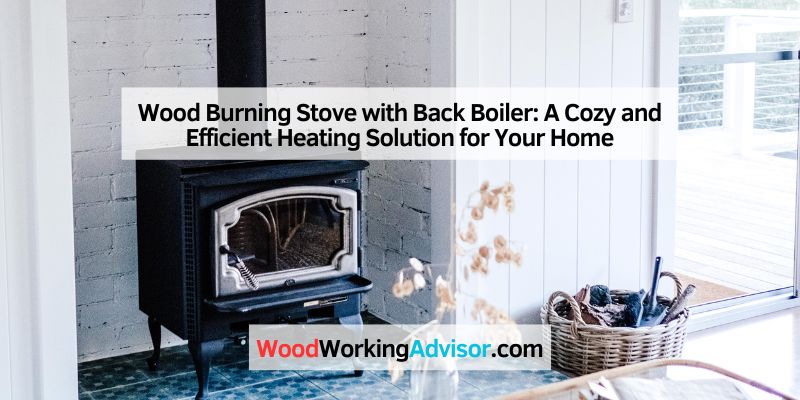
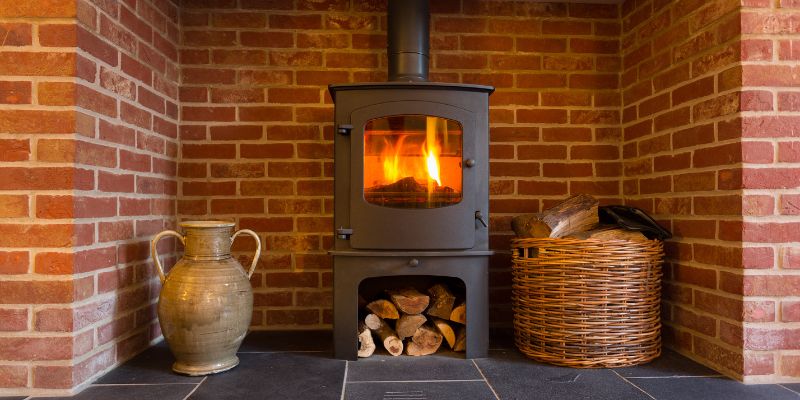
A wood burning stove with a back boiler is like a two-in-one heating hero. It’s a traditional wood stove that warms your room with radiant heat, but it also has a built-in boiler that heats water. This hot water can power your radiators, underfloor heating, or even your domestic hot water supply. I first came across this setup when visiting a friend’s cabin, and I was amazed at how one fire could heat an entire home.
The back boiler is a metal chamber inside the stove, filled with water. As you burn wood, the fire heats the water in the boiler. This water then circulates through pipes to your heating system. It’s a simple yet brilliant design that maximizes the energy from every log you burn. Unlike standard wood stoves, which only heat the room they’re in, these stoves multitask, making them perfect for larger homes or those looking to reduce reliance on gas or electric heating.
How Does It Work?
Let me break it down for you. When you light a fire in the stove, the flames and heat warm the surrounding metal. The back boiler, usually located at the rear or sides of the firebox, absorbs this heat. The water inside the boiler gets hot and starts to circulate, either naturally (through gravity) or with the help of a pump. This hot water flows into your home’s heating system, warming radiators or feeding your hot water tank.
One thing I love is how efficient this process is. A good back boiler stove can capture heat that would otherwise escape up the chimney. However, it’s not instant. These stoves are slow-acting, meaning it takes time for the water to heat up and circulate. Once it’s going, though, it’s like having a steady, cozy hug throughout your home. Some modern stoves even have controls to adjust how much heat goes to the room versus the boiler, giving you flexibility.
Benefits of a Wood Burning Stove with Back Boiler
Why did I fall in love with this heating option? Let me count the ways. Here are the top benefits that make these stoves a fantastic choice:
- Eco-Friendly Heating: Burning wood is a renewable energy source, especially if you use locally sourced, seasoned logs. It’s a great way to reduce your carbon footprint compared to fossil fuels like oil or gas.
- Cost Savings: Wood is often cheaper than electricity or gas, especially if you have access to free or low-cost firewood. I’ve noticed a big drop in my heating bills since installing one.
- Dual Purpose: You get room heat and hot water from one fire. It’s like getting two appliances for the price of one.
- Energy Independence: If you’re worried about rising energy prices or power outages, a wood stove with a back boiler lets you heat your home without relying on the grid.
- Cozy Ambiance: There’s nothing like the glow of a wood fire. It adds a rustic, inviting feel to any home.
Here’s a quick table to sum up the perks:
| Benefit | Why It Matters |
|---|---|
| Eco-Friendly | Reduces reliance on fossil fuels, lowers carbon footprint. |
| Cost-Effective | Saves money on heating bills with affordable wood fuel. |
| Dual Functionality | Heats your room and powers radiators or hot water. |
| Energy Independence | Works without electricity, perfect for off-grid or outage-prone areas. |
| Aesthetic Appeal | Adds warmth and charm with a real fire. |
Things to Consider Before Buying
I’ll be honest—while these stoves are amazing, they’re not for everyone. Before you rush out to buy one, here are some things I learned the hard way:
- Space Requirements: The stove needs enough room for safe installation, plus space for the boiler and pipework. Check if your home has the right layout.
- Fuel Supply: You’ll need a steady supply of seasoned wood with less than 20% moisture content. Wet wood burns poorly and creates more smoke.
- Maintenance: These stoves require regular cleaning to remove ash and soot. The chimney needs sweeping at least once a year.
- Installation Costs: Adding a back boiler to your heating system can be pricey, especially if you need new pipework or a hot water tank.
- Efficiency Trade-Off: Stoves with back boilers are slightly less efficient at room heating because some heat goes to the water. You might need a larger stove than you think.
When I got my stove, I underestimated how much wood I’d need. Now, I keep a year’s supply stacked and seasoned to avoid last-minute scrambles. Planning ahead is key.
Choosing the Right Wood Burning Stove with Back Boiler
Picking the perfect stove can feel overwhelming, but I’ve got some tips to make it easier. Here’s what to look for:
- Heat Output: Stoves are rated in kilowatts (kW). A 5kW stove is good for a single room, but for heating radiators, you’ll need 8-12kW or more, depending on your home’s size.
- Boiler Capacity: Check the boiler’s output (also in kW). A 4-8kW boiler can heat 5-10 radiators, but bigger homes need more.
- Efficiency Rating: Look for stoves with at least 80% efficiency. This means more heat from less wood.
- Material: Cast iron stoves retain heat longer, while steel heats up faster. I chose cast iron for its durability and classic look.
- Design Features: Some stoves have air wash systems to keep the glass clean or multifuel grates for burning coal. These extras can make life easier.
I spent weeks researching models and ended up with a 10kW cast iron stove with a 6kW boiler. It heats my living room and five radiators perfectly. Take your time to match the stove to your needs.
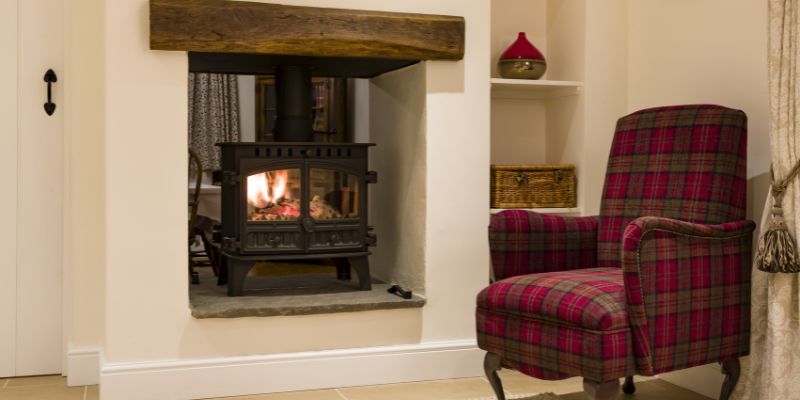
Installation Tips from My Experience
Installing a wood burning stove with a back boiler isn’t a DIY job. Trust me, I thought I could handle it myself, but I quickly realized it’s a job for professionals. Here’s what you need to know:
- Hire a Certified Installer: Look for someone with HETAS certification (in the USA, check for NFI or CSIA credentials). They’ll ensure the stove meets local building codes.
- Plan the Flue: The chimney or flue must be properly lined and insulated. A good flue improves efficiency and reduces smoke.
- Integrate with Your System: The back boiler needs to connect to your existing heating system. This might mean adding a thermal store or pump.
- Ventilation: Your room needs adequate airflow to feed the fire. Some homes require an external air vent.
- Safety First: Keep flammable materials at least 3 feet from the stove. Install carbon monoxide detectors nearby.
My installation took two days and cost more than I expected, but it was worth it for peace of mind. Get multiple quotes and ask about warranties.
How to Use and Maintain Your Stove
Once your stove is installed, it’s time to enjoy it. But there’s a learning curve. Here’s how I keep mine running smoothly:
- Burn Seasoned Wood: Use hardwood like oak or maple with low moisture. I test my wood with a moisture meter to ensure it’s below 20%.
- Light It Right: Start with kindling and small logs, then add larger ones once the fire is going. Don’t overload the firebox.
- Control the Air: Adjust the air vents to control the burn. Too much air makes the fire burn too fast; too little smothers it.
- Clean Regularly: Remove ash weekly and clean the glass with a damp cloth dipped in ash. Schedule a chimney sweep annually.
- Check Seals: Inspect door gaskets and seals every season. Replace them if they’re worn to maintain efficiency.
I made the mistake of burning unseasoned wood early on, and the smoke was a nightmare. Now, I’m meticulous about fuel quality, and my stove runs like a dream.
Common Challenges and How to Overcome Them
No heating system is perfect, and back boiler stoves have their quirks. Here’s what I’ve faced and how I dealt with it:
- Overheating: If the boiler gets too hot, it can stress the system. Install a heat dump radiator or thermostatic controls to manage excess heat.
- Slow Response: Unlike gas boilers, these stoves take time to heat up. Plan ahead and light the fire early.
- Wood Storage: Storing enough dry wood takes space. I built a covered shed to keep my logs dry and accessible.
- Smoke Issues: A smoky stove usually means poor fuel or a bad flue. Check your wood and have your chimney inspected.
Patience is key. Once you get the hang of it, these challenges become minor inconveniences compared to the benefits.
Is It Worth the Investment?
After years of using my wood burning stove with a back boiler, I can say it’s absolutely worth it. The upfront costs—around $3,000-$6,000 for the stove and installation—aren’t cheap, but the savings add up. I’ve cut my heating bills by nearly 40%, and the cozy vibe is priceless. Plus, I feel good knowing I’m using a renewable fuel source.
If you live in a rural area, have access to affordable wood, and want a sustainable heating option, this is a no-brainer. Even in urban areas, it’s a great backup system for power outages. Just be ready to put in some work for maintenance and fuel prep.
Conclusion
As I sit by my stove, feeling the warmth and hearing the gentle crackle of the fire, I’m reminded why I chose this heating solution. A wood burning stove with a back boiler is more than just a heater—it’s a lifestyle choice. It brings together sustainability, cost savings, and the timeless charm of a wood fire. Whether you’re looking to heat your whole home or just want a cozy focal point, this setup delivers.
I’ve shared my journey, from choosing the right stove to mastering its quirks, and I hope it inspires you to explore this option. Ready to make your winters warmer and your home more inviting? A wood burning stove with a back boiler might just be your perfect match.
Frequently Asked Questions
What’s the difference between a wood burning stove and one with a back boiler?
A regular wood burning stove only heats the room it’s in. A stove with a back boiler also heats water, which can power radiators or your hot water tank. It’s like getting two heating systems in one.
Can a back boiler stove heat my entire house?
Yes, if it’s sized correctly. A stove with a 6-8kW boiler can heat 5-10 radiators, enough for a small to medium home. Larger homes might need a bigger stove or a backup system.
Is it safe to leave a back boiler stove burning overnight?
It’s not recommended. These stoves need regular tending to maintain the fire and prevent overheating. Always extinguish the fire before bed and use safety devices like carbon monoxide detectors.
How much wood will I need for a season?
It depends on your home’s size and how often you use the stove. I use about 2-3 cords (a cord is 128 cubic feet) for a winter in a 1,500-square-foot home. Stock up and season your wood well in advance.
Can I install a back boiler stove myself?
No, installation is complex and requires professional expertise. A certified installer ensures the stove, flue, and plumbing meet safety codes. It’s worth the cost for safety and efficiency.