My Journey with Wood Burning Techniques Japanese
I first saw shou sugi ban, a Japanese wood burning technique, on a trip to a friend’s cabin. The charred wood walls looked stunning, like art. I was hooked! This article shares my love for shou sugi ban, also called yakisugi. I’ll explain what it is, how to do it, and why it’s great. You’ll get easy steps, tips, and project ideas, perfect for beginners or pros. Let’s dive into this cool, ancient craft!
What Is Shou Sugi Ban?
Shou sugi ban is a Japanese way to burn wood. It makes wood strong and pretty. People in Japan used it 300 years ago to protect houses. They burned cedar planks to keep bugs and water away. The wood turns black and shiny, like a starry night. Today, it’s popular in the USA for homes and furniture. It’s eco-friendly and looks unique.
Why Try Wood Burning Techniques Japanese?
Burning wood sounds odd, but it’s smart. The charred layer stops rot and bugs. It also makes wood fire-resistant. I love how it looks rustic yet modern. You can use it for walls, tables, or fences. It’s low-cost and lasts years. Plus, it’s fun to do!
Tools and Materials You Need
You don’t need much to start shou sugi ban. Here’s what I use:
- Propane torch: A handheld torch is easy and safe.
- Japanese cedar (sugi): This wood burns best. Pine works too.
- Wire brush: To clean off loose char.
- Natural oil: Like linseed oil, to seal the wood.
- Safety gear: Gloves, goggles, and a mask keep you safe.
I suggest a basic propane torch from a hardware store. It costs about $20-$40. Japanese cedar is ideal, but pine is cheaper and easier to find. Check local lumberyards or online at places like Nakamoto Forestry for authentic sugi.
Table 1: Tools and Costs for Shou Sugi Ban
| Tool/Material | Purpose | Estimated Cost |
|---|---|---|
| Propane Torch | Burns the wood | $20-$40 |
| Japanese Cedar | Best wood for charring | $5-$10 per board |
| Wire Brush | Removes loose char | $5-$10 |
| Linseed Oil | Seals the wood | $10-$20 |
| Safety Gear | Protects you | $15-$30 |
Caption: Simple tools make shou sugi ban affordable and fun.
Step-by-Step Guide to Shou Sugi Ban
I tried shou sugi ban on a small pine plank first. It was easy! Here’s how you can do it:
- Pick your wood: Choose a dry plank, about 10-15% moisture.
- Set up safely: Work outside, away from flammable stuff.
- Wear safety gear: Put on gloves, goggles, and a mask.
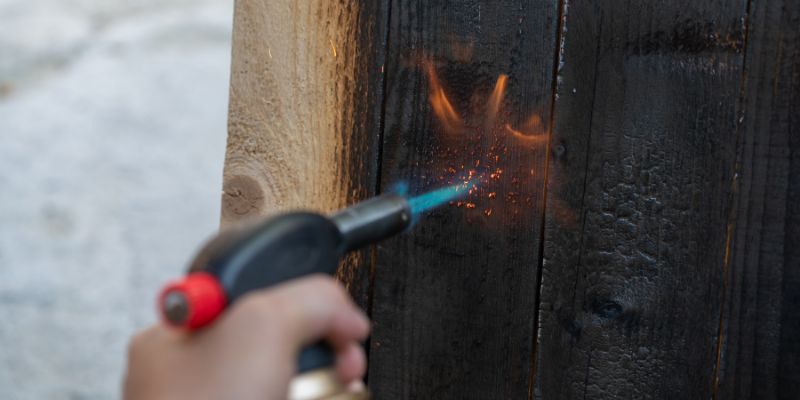
- Burn the wood: Move the torch in a zigzag pattern. Keep it 6-12 inches away. Burn until black, about 1-2 minutes.
- Cool the wood: Let it sit for 10 minutes.
- Brush off char: Use a wire brush to remove loose ash.
- Seal with oil: Wipe on linseed oil with a cloth.
This makes a shiny, black finish. Try a small piece first to practice.
Visual Idea: A diagram showing the zigzag torch pattern would help beginners.
Benefits of Shou Sugi Ban
Shou sugi ban is amazing for many reasons:
- Lasts long: The charred layer stops rot and bugs.
- Fire-resistant: Burned wood doesn’t catch fire easily.
- Looks cool: The black, textured finish is unique.
- Eco-friendly: No chemicals, just fire and oil.
I used it on a garden bench, and it’s still perfect after two years.
Drawbacks to Watch Out For
Shou sugi ban isn’t perfect. The charred layer can flake off. This makes a mess indoors. It’s also tricky to burn evenly. If you over-burn, the wood weakens. Some woods, like oak, don’t char well. Stick to cedar or pine for best results.
Table 2: Shou Sugi Ban vs. Other Wood Finishes
| Finish Type | Durability | Cost | Look |
|---|---|---|---|
| Shou Sugi Ban | High | Low | Black, textured |
| Paint | Medium | Medium | Colorful, smooth |
| Stain | Medium | Low | Natural, glossy |
Caption: Shou sugi ban stands out for durability and style.
Other Ways to Burn Wood
Traditional shou sugi ban uses a “flue method.” Three planks are tied into a triangle, like a chimney. Fire burns inside, charring the wood. This is hard for beginners. Modern methods use kilns for big projects. A blowtorch is simplest for DIY. I’ve tried the torch method, and it’s fast and safe.
Visual Idea: A photo of the flue method setup would show the traditional way.
My Top Tips for Success
After many projects, here’s what I’ve learned:
- Start small: Try a small plank before big projects.
- Don’t over-burn: Stop when the wood turns black.
- Work outside: Avoid smoke indoors. It’s messy!
- Seal well: Oil keeps the char from flaking.
Once, I burned a plank too long. It cracked! Now, I time each burn carefully.
Common Mistakes to Avoid
Beginners make simple mistakes. Don’t worry, I did too! Here are pitfalls to dodge:
- Burning too fast: Slow, even torch moves work best.
- Skipping safety gear: Sparks and smoke are real risks.
- Using wet wood: It burns unevenly and warps.
Test your wood’s moisture with a cheap meter. It saves headaches.
Fun Project Ideas
Shou sugi ban is great for DIY. Try these:
- Charred picture frame: Burn a small cedar frame for art.
- Garden planter: Make a durable, black planter box.
- Accent wall: Char planks for a cool indoor wall.
I made a planter for my mom. She loves its rustic look!
Table 3: Shou Sugi Ban Project Ideas
| Project | Skill Level | Time Needed | Cost |
|---|---|---|---|
| Picture Frame | Beginner | 1 hour | $10-$20 |
| Planter Box | Intermediate | 3-4 hours | $20-$40 |
| Accent Wall | Advanced | 1-2 days | $50-$100 |
Caption: Start with a simple project to learn shou sugi ban.
Safety First!
Fire is serious. Always work outside. Keep a fire extinguisher nearby. Wear gloves, goggles, and a mask. I learned this the hard way when sparks flew! Check local fire rules before starting. Safety makes shou sugi ban fun, not scary.
Visual Idea: A simple safety gear checklist image would be handy.
Where to Learn More
Want to dive deeper? Check these trusted sites:
- Nakamoto Forestry for authentic Japanese cedar.
- Real Milk Paint for oil and finishing tips.
- TerraMai for modern shou sugi ban ideas.
Conclusion
Shou sugi ban is a fun, eco-friendly way to make wood beautiful and strong. You can create stunning projects with a torch and some cedar. Start small, stay safe, and have fun! Try a picture frame or planter to see the magic. Share your projects with friends or online. What will you burn first? Let’s get charring!
Frequently Asked Questions
What is shou sugi ban?
Shou sugi ban is a Japanese technique to burn wood. It makes wood durable and pretty. Cedar is burned until black, then brushed and oiled. It’s great for houses or furniture. The charred layer stops bugs and water damage. It’s been used for centuries in Japan.
Can I use any wood for shou sugi ban?
Japanese cedar (sugi) works best. Pine is a good substitute. Oak or other hardwoods don’t char well. They may crack or lose the black finish. Always use dry wood, about 10-15% moisture, for even burning. Check with a moisture meter.
Is shou sugi ban safe to do at home?
Yes, but you must be careful. Work outside, away from flammable things. Wear gloves, goggles, and a mask. Keep a fire extinguisher nearby. I always check local fire rules first. Follow safety steps, and it’s a fun project!
How long does shou sugi ban last?
Shou sugi ban wood can last decades. The charred layer stops rot and bugs. Sealing with oil helps it last longer. My garden bench is still perfect after two years. Reapply oil every few years for best results.
Can I do shou sugi ban indoors?
Burning must happen outside for safety. Smoke and sparks are risky indoors. Once charred and sealed, the wood is safe for indoor walls or furniture. Brush off loose char to avoid messes. I used it for a living room wall, and it’s stunning!
What tools do I need for shou sugi ban?
You need a propane torch, wire brush, and linseed oil. Safety gear like gloves and goggles is a must. Japanese cedar or pine planks work great. A basic torch costs $20-$40. Check hardware stores or Nakamoto Forestry for wood.
Does shou sugi ban make wood fireproof?
It’s not fully fireproof, but it’s fire-resistant. The charred layer lacks oils to burn easily. This makes it safer than untreated wood. Still, keep it away from open flames. I’ve seen it withstand sparks better than regular wood.