Wood Burning Grills: How Real Wood-Fire Cooking Works
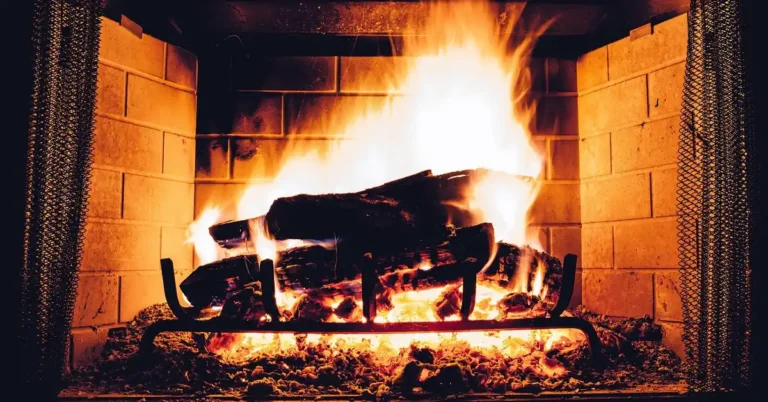
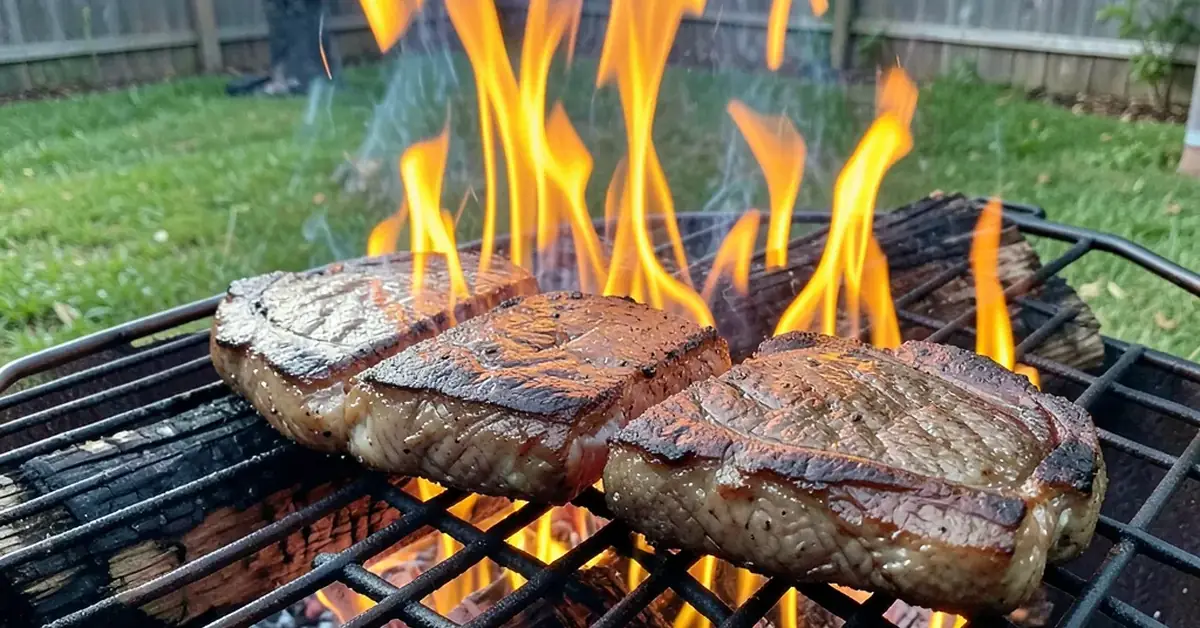
A genuine wood burning grill cooks food over glowing hardwood coals, not open flame — raw wood fire produces flare-ups that char food before it cooks through, which is why pitmasters burn logs down first in a side firebox or a deep kettle before food ever touches the grate. Skip that step and you get scorched, ash-dusted food instead of the smoky sear you wanted. This guide covers how real wood-fire grilling works, which hardwoods to use, and how it actually differs from charcoal and pellet grills. See our full wood burning guide hub for firewood and safety basics.
How Wood-Fire Grilling Actually Works
Best Wood-Fire Grill Pick
 |
Volcano 3 Collapsible Grill (Wood/Charcoal/Propane) – $179.99 Its deep steel bowl lets hardwood logs burn down to coals before food goes on the grate — solving the flare-up problem raw open-flame grilling has, while still folding flat for storage.
|
As an Amazon Associate we earn from qualifying purchases.
Charcoal grills reach 600-700°F with a lid on and are easy to dial in because vents control the oxygen feeding the coals. Pure wood fire burns hotter and far less predictably at first — the flame itself, not just the coal bed, produces heat that swings wildly and causes flare-ups the instant fat hits it. That’s the real reason most “wood grilling” setups actually cook over wood that has already burned down to coals, the same way Argentine asado and Texas offset smokers work, rather than over open flame.
That’s also why a true multi-fuel grill built for wood needs a design that lets you burn logs down before cooking over them — not just a grate over an open pit.
Charcoal, Pellets, and Open Wood: What’s the Real Difference
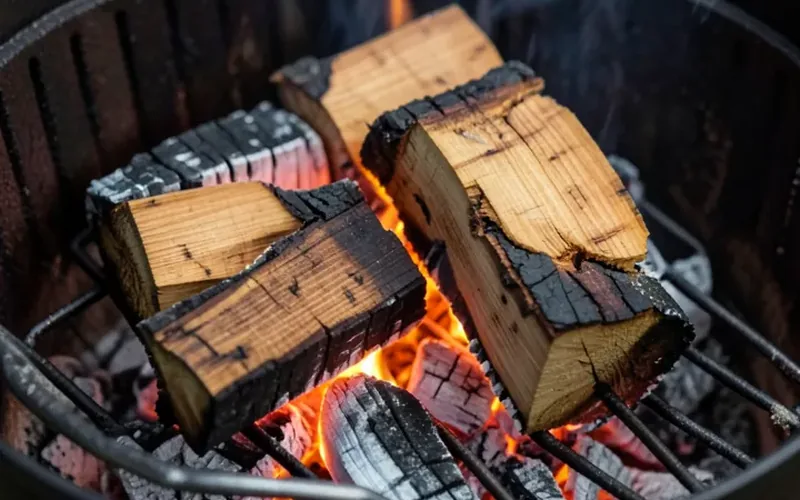
These three get lumped together as “wood grilling” but they behave differently at the grate. Charcoal briquettes are pre-burned wood or wood byproduct, so they give steady heat immediately. Pellet grills auger raw wood pellets into a small fire and use a fan to hold a set temperature automatically — more like a wood-fired oven than open grilling. Burning your own hardwood logs down to coals gives the deepest flavor but needs the most hands-on management.
| Fuel | Temp control | Flavor | Hands-on time |
|---|---|---|---|
| Charcoal briquettes | Easy – vent controlled | Rich, smoky | Low |
| Wood pellets (auto-fed) | Easiest – thermostat controlled | Milder, consistent | Lowest |
| Raw hardwood logs | Hardest – burn down first, then manage coal bed | Deepest, most complex | High |
Choosing Your Wood: A Flavor Guide
Stick to seasoned hardwoods — softwoods like pine carry resins that produce acrid, bitter smoke and can leave a sooty residue on food.
- Hickory: strong, bacon-like smoke. Best with pork and ribs.
- Mesquite: intense and earthy, burns hot and fast. Best for beef, used sparingly.
- Cherry: sweet, mild, tints meat a reddish color. Good with poultry and pork.
- Apple: mild and slightly sweet. Works well with fish and chicken.
- Oak: medium smoke, burns long and even — a reliable base wood to mix with a stronger variety.
If you’re smoking rather than direct grilling, our guide on using wood for smoking covers soak times and smoke management in more depth, and our wood chips on a charcoal grill guide is the faster route if you don’t want to manage a full log fire.
Maintenance and Fire Safety
Remove ash after every use — wet ash left sitting in a steel bowl accelerates rust. Clean grates with a brush while still warm, and check for corrosion on any exposed steel each season.
- Keep a fire extinguisher within reach, not just nearby “somewhere.”
- Use only seasoned, dry wood — wet wood produces heavy creosote smoke and flare-ups.
- Set the grill on a stable, non-flammable surface, at least 10 feet from siding or a fence.
- Never leave an open wood fire unattended, even for a few minutes.
Can You Mix Charcoal and Wood in the Same Grill?
Yes — starting with charcoal for steady heat and adding a few wood chunks on top for smoke is one of the most common real-world setups, giving you charcoal’s easier temperature control with wood’s flavor on top.
“The mistake most people make the first time is throwing food on the second the wood catches — wait until the flame dies down and you’ve got a real coal bed, or everything on the grate gets a bitter, sooty crust instead of a clean sear.” — a common note echoed across wood-fire grilling communities and reflected in the ThermoWorks heat-profile data above.
Two Recipes to Start With
Wood-Fire Ribeye
- 2 ribeye steaks, 2 tbsp olive oil, salt and pepper, fresh rosemary
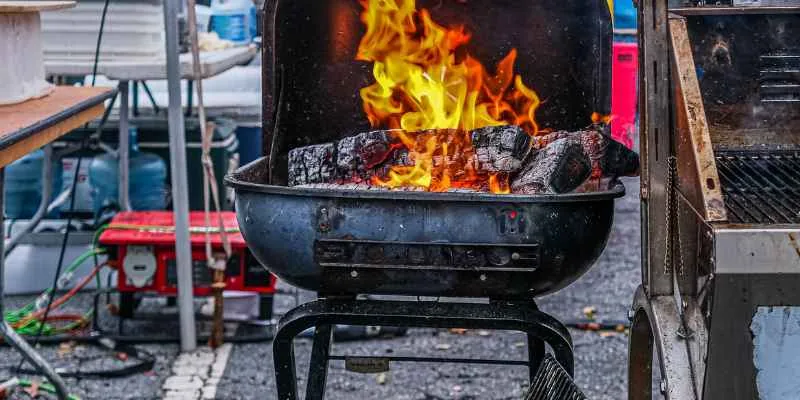
- Burn down the fire: let hardwood logs burn until flames die and a solid coal bed forms.
- Oil and season: brush steaks with olive oil, season generously with salt and pepper.
- Sear directly over coals: grill 4-5 minutes per side for medium-rare.
- Rest: let the steak rest 5 minutes before cutting.
Smoky Grilled Vegetables
- Zucchini, bell pepper, and red onion, sliced; balsamic vinegar; salt and pepper
- Toss vegetables in balsamic vinegar, salt, and pepper.
- Grill in a basket over a medium coal bed for 10-15 minutes, stirring occasionally.
Frequently Asked Questions
What Are the Benefits of Wood Burning Grills?
Wood burning grills produce a deeper, more complex smoky flavor than gas and use a renewable fuel source. The tradeoff is more hands-on management — you have to burn the wood down to coals and manage the fire yourself rather than turning a dial.
How Do You Maintain a Wood Burning Grill?
Remove ash after every use, scrub grates with a wire brush while still warm, and check exposed steel for rust each season. Wet ash left sitting in the bowl is the most common cause of premature rust on steel grills.
What Types of Wood Are Best for Grilling?
Seasoned hardwoods like oak, hickory, and mesquite are ideal. Avoid softwoods like pine, since their resins produce bitter, sooty smoke. Always use dry, well-seasoned wood rather than green or wet logs.
Can You Use Charcoal With a Wood Burning Grill?
Yes. Starting with charcoal for steady, easy-to-control heat and adding wood chunks on top for smoke flavor is one of the most common real-world setups, combining charcoal’s predictability with wood’s flavor.
Conclusion
Real wood-fire grilling means burning hardwood down to a coal bed before food ever touches the grate — skip that step and flare-ups will char your food. Pick a grill built to manage that transition, choose a hardwood that matches what you’re cooking, and give the fire the time it needs before you start.
Sponsored / affiliate links. As an Amazon Associate I earn from qualifying purchases. I may earn additional commission from eligible campaigns.