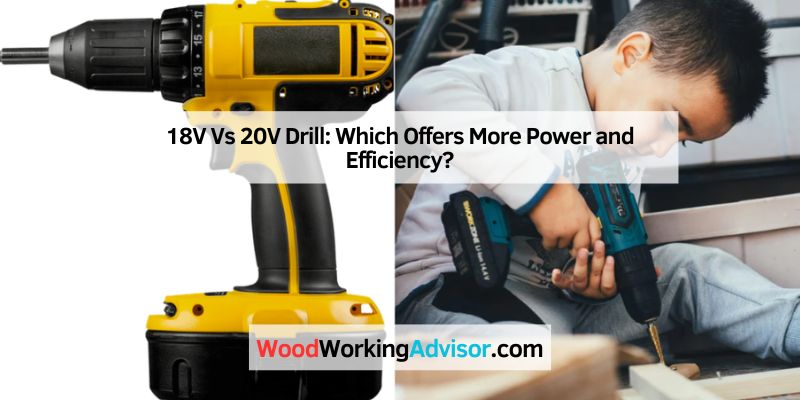
18V Vs 20V Drill: Which Offers More Power and Efficiency?
Choosing between an 18V and a 20V drill can be confusing. Both have their strengths and are popular among DIY enthusiasts and professionals alike.
When tackling home improvement projects, the right tools matter. Drills, in particular, play a crucial role in many tasks. The market offers various options, but two voltage ratings stand out: 18V and 20V. Understanding the differences can help you pick the best drill for your needs.
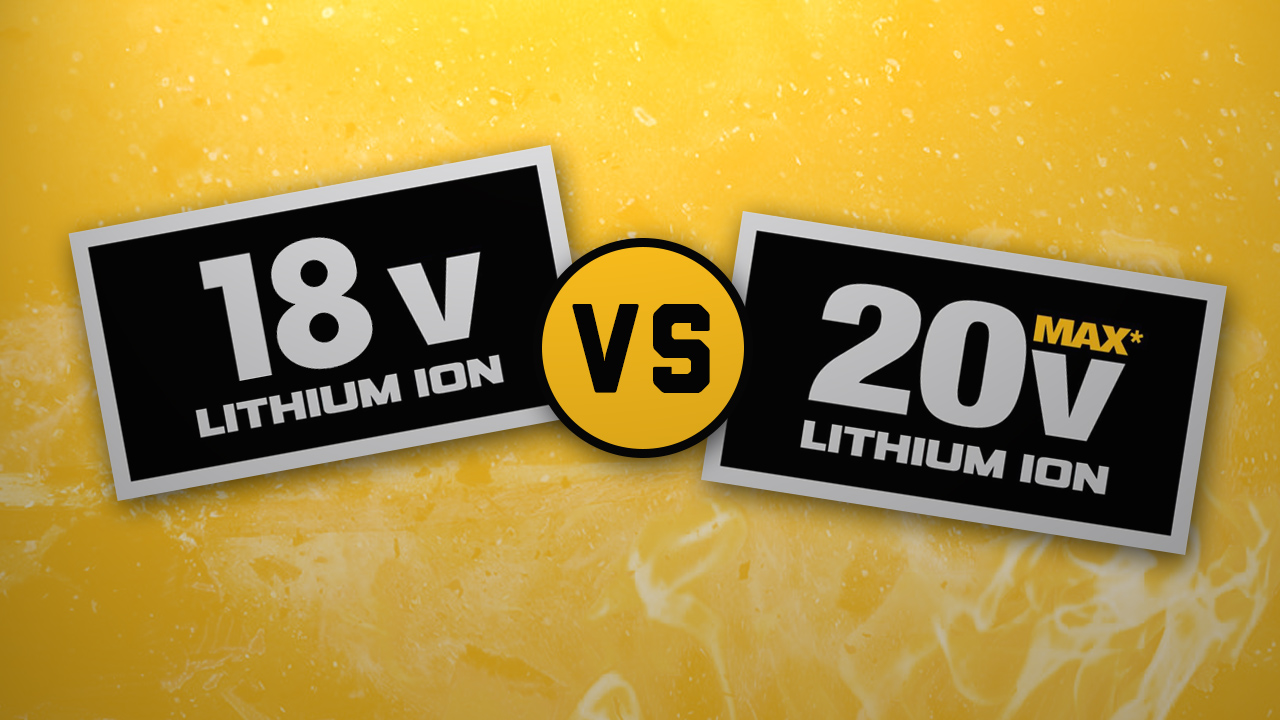
This comparison will guide you through their features, benefits, and potential drawbacks. By the end, you will have a clearer idea of which drill suits your projects best. Let’s dive in and explore the 18V vs. 20V drill debate.
Credit: woodworkjunkie.com
Introduction To Power Drills
Power drills are essential tools for many projects. They help in drilling holes and driving screws. Both professional workers and DIY enthusiasts use them.
Power drills are used in construction and home improvement. They can drill into wood, metal, and plastic. Some drills also have a hammer function. This helps in drilling into hard surfaces like concrete.
Voltage affects the power of the drill. Higher voltage means the drill can handle tougher jobs. An 18V drill is suitable for light to medium tasks. A 20V drill offers a bit more power. Choose based on your project needs.
18v Drill Features
The 18V drill often has a compact design. It’s lightweight and easy to handle. The build quality is usually sturdy. Many models have rubber grips for comfort. The battery pack is often removable, making it convenient to swap batteries.
The 18V drill is great for light to medium tasks. It works well for woodworking and DIY projects. You can use it for drilling holes and driving screws. Many people use it for assembling furniture. It’s also handy for home repairs.

20v Drill Features
The 20V drill has a sturdy and compact design. It fits well in hand and feels balanced. The build quality is durable for heavy tasks. It often includes a rubberized grip. This ensures comfort during use. The drill is lightweight, so you can work longer without fatigue.
The 20V drill is versatile. It is used in woodworking and metal drilling. Also great for screw driving tasks. Ideal for DIY projects. Perfect for home repairs. It can handle harder materials with ease. The powerful motor makes it suitable for construction jobs. It is a reliable tool for both professionals and hobbyists.
Power Comparison
The 18V battery is commonly found in drills. It provides a good balance of power and weight. This battery is often lighter than the 20V battery. The 20V battery offers more power. It can handle tougher tasks and last longer. The extra voltage makes a difference in heavy-duty jobs. Both batteries are rechargeable. They usually take around an hour to charge. Battery life depends on usage. Heavy use drains the battery faster. Light use extends battery life. Choosing the right battery depends on your needs.
Torque is the twisting force that a drill produces. Higher torque means better performance. The 20V drill typically has higher torque. It can drive screws through hard materials. The 18V drill has lower torque. It’s suitable for lighter tasks. High torque is important for tough jobs. Low torque works for simple projects. Both drills can adjust torque settings. Use the right setting for your task. This prevents damage to materials. Choose a drill based on torque needs.
Efficiency Analysis
Battery life is crucial for any drill. An 18V drill usually offers good battery life. It may last long enough for small tasks. A 20V drill often has a bit more power. This can mean a longer battery life. But, it depends on the task. Heavy tasks can drain the battery faster.
Energy consumption varies between drills. An 18V drill uses less energy. This can be good for light tasks. A 20V drill uses more energy. It can handle tougher jobs better. Always consider the type of work. Choose the right drill for your needs.
Durability And Longevity
The quality of materials in 18V and 20V drills is often high. Most drills use strong metals and tough plastics. This makes them last longer. The outer shell protects the inner parts. Strong materials mean less damage. Both 18V and 20V drills use durable materials. This ensures a long life for the tool.
Wear and tear happen over time. 18V drills may show signs of wear sooner. 20V drills are often built to handle more. Daily use can cause parts to wear out. The battery life also affects durability. Using the drill for heavy tasks can speed up wear. Proper care can reduce wear and tear. Keeping the drill clean helps.
User Experience
Choosing between an 18V and 20V drill affects the user experience. The 20V drill offers more power and efficiency, while the 18V drill provides adequate performance for most tasks.
Handling And Comfort
Both 18V and 20V drills are easy to handle. They have ergonomic designs that fit well in the hand. 18V drills are usually a bit lighter, making them easier to use for long periods. 20V drills might be heavier but often come with extra features. These features can include better grips and anti-vibration technology.
Choosing between them can depend on your personal preference. Some people prefer the lighter 18V drill for its ease of use. Others might like the 20V drill for its extra features, even if it is a bit heavier.
Ease Of Use
Both drills are user-friendly and simple to operate. 18V drills often have basic controls which are easy to understand. 20V drills might have more advanced settings, offering more control over the work. These settings can include variable speed controls and more torque options.
For simple tasks, the 18V drill is often more than enough. For more complex tasks, the 20V drill offers extra power and features. Both are good choices, but your specific needs will determine the best option.

Credit: toolguyd.com
Cost Considerations
Consider the price difference between 18V and 20V drills. The slight voltage difference often leads to varying costs. Budget and brand can influence your choice.
Initial Investment
Buying an 18V drill is usually cheaper. You can find many models under $100. A 20V drill can cost more. Some models are over $100. Check your budget before buying.
Long-term Value
An 18V drill can last many years with care. Batteries for 18V drills are also often cheaper. A 20V drill may offer more power. This can be good for tough jobs. Think about how often you will use the drill. Decide which one fits your needs best.
Final Verdict
The 18V drill is a great choice for DIY projects. It’s lightweight and easy to handle. It provides enough power for most home tasks. Drilling holes, assembling furniture, and small repairs are easy with this drill. Battery life is usually good. You can work for hours without needing a charge. If you do home projects often, this is a solid pick.
20V drills are better for professional use. They offer more power and torque. This means they can handle tougher materials like metal and hardwood. Contractors and builders often choose 20V drills. They are durable and can withstand heavy use. The batteries last longer and charge faster. For demanding tasks, go with the 20V drill.
Credit: www.protoolreviews.com
Frequently Asked Questions
Is A 20v Or 18v Drill Better?
A 20V drill offers more power and longer battery life. An 18V drill is typically lighter and more affordable. Choose based on your needs.
Is An 18v Drill Good Enough?
An 18V drill is powerful enough for most DIY projects and light to medium-duty tasks. It’s versatile and reliable.
Why Did Dewalt Go From 18v To 20v?
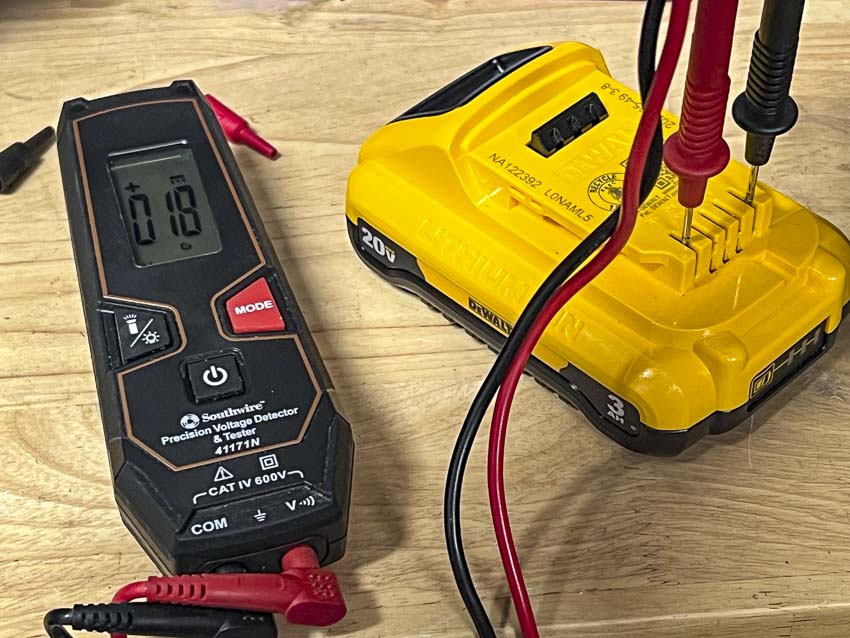
DeWalt switched from 18V to 20V for better marketing appeal in the US. Both battery types have identical voltage output.
Is A Higher Voltage Drill Better?
A higher voltage drill offers more power and is suitable for heavy-duty tasks. For light tasks, a lower voltage drill suffices.
Conclusion
Choosing between an 18V and 20V drill depends on your needs. Both offer power and efficiency. An 18V drill is often lighter and easier to handle. A 20V drill provides more torque for tougher tasks. Consider what projects you plan to tackle.
Think about comfort and battery life too. Either way, both tools will serve you well. Make a choice based on your specific requirements. Happy drilling!