African Blackwood: Properties, Price, and Why It Costs So Much
African blackwood (Dalbergia melanoxylon) is one of the densest commercially traded woods at 3,670 lbf Janka — nearly three times harder than red oak — and it finishes almost pure black with virtually no visible grain. That density blunts standard steel blades fast, and its listing on CITES Appendix II keeps legal supply scarce, pushing prices into ebony territory. This guide covers the real hardness and density numbers, why it costs what it does, how it behaves on a lathe, and the safety gear it actually requires.
Quick Answer
African blackwood scores 3,670 lbf on the Janka scale, sells for roughly $60,000–$235,000 per thousand board feet, and is used almost exclusively for woodwind instruments and small turned pieces — not furniture. It is CITES-restricted, a mild skin/respiratory sensitizer, and best worked with carbide tools on a lathe.
What Is African Blackwood?
African blackwood is a slow-growing hardwood species (Dalbergia melanoxylon) native to the dry miombo woodlands of East and Southern Africa, particularly Tanzania and Mozambique. It is not a true ebony, though it is often marketed alongside ebonies for its color — see how it stacks up on our broader types of wood hub and our wood hardness scale guide. The heartwood is nearly pure black with an extremely fine, tight grain, while the sapwood is a thin pale yellow that is almost always removed before sale.
African Blackwood Janka Hardness and Density
African blackwood measures 3,670 lbf (16,320 N) on the Janka hardness scale, with an average dried weight of about 79 lbs/ft³ (1,270 kg/m³) and a specific gravity between 1.08 and 1.27. For comparison, red oak measures roughly 1,290 lbf and hard maple about 1,450 lbf — African blackwood is more than twice as hard as either.
That density is also why the wood sinks in water and why it dulls standard steel cutters within minutes of contact.
📊 African blackwood is rated 3,670 lbf on the Janka hardness scale — Source: Wood Database, African Blackwood
Working African Blackwood: Tools and Technique
African blackwood is very difficult to work with standard hand or machine tools — it has an extreme blunting effect on cutters, and it is oily enough to clog sandpaper quickly. Pre-drilling before any fastener and using carbide-tipped or metal-working-grade tooling instead of ordinary steel blades makes the biggest difference in tool life and cut quality.
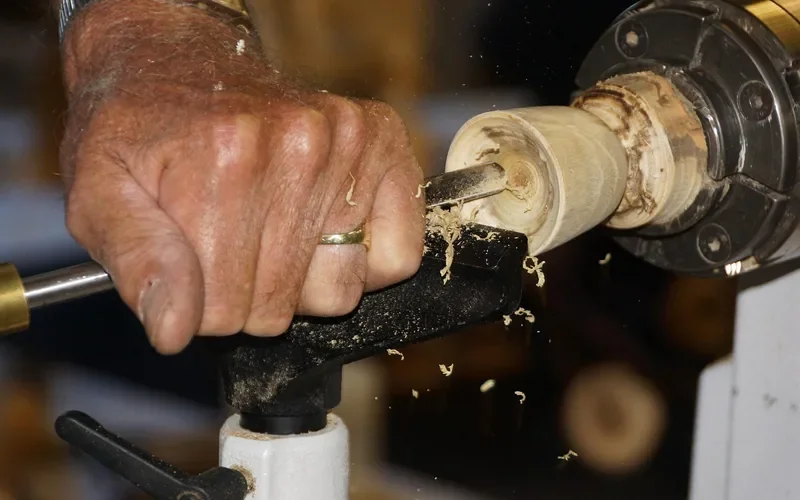
It is, however, considered one of the finest turning woods available: it holds fine threaded details and crisp edges on a lathe better than almost any other species, which is exactly why instrument makers and pen turners favor it over easier-working alternatives.
“In the shop, African blackwood is one of the few species we treat like metal — carbide-tipped tools only, and even then expect to sharpen or swap inserts roughly twice as often as you would working hard maple.”
Is African Blackwood Toxic To Work With?
African blackwood is listed as a sensitizer, and its fine dust can irritate the eyes, skin, and respiratory tract with repeated exposure, though severe reactions are uncommon. Because the wood is so often turned — which generates a steady stream of fine dust rather than large chips — a properly rated respirator and active dust collection matter more here than with most domestic species.
Best Dust Protection Pick
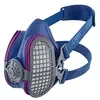 |
GVS Elipse P100 Half Mask Respirator A reusable P100 respirator sized for exactly the fine sensitizer dust African blackwood throws off at the lathe or sander — not a disposable paper mask.
|
As an Amazon Associate we earn from qualifying purchases.
Why Is African Blackwood So Expensive?
African blackwood routinely sells for an estimated $60,000–$235,000 per thousand board feet through specialty exotic-lumber dealers — among the highest prices of any commercially traded wood, in the same range as true ebonies. Three factors drive that price: the genus Dalbergia is restricted under CITES Appendix II, the IUCN lists the species as near threatened, and only an estimated 10–20% of a mature tree’s wood is straight and free enough of cracks to sell as usable lumber.
Trees also grow slowly in the semi-arid miombo woodlands where they’re native, so replacing harvested stock takes decades, not years — unlike faster-growing plantation hardwoods.
African Blackwood vs Other Dark, Dense Woods
| Species | Janka Hardness | Relative Price | Best For |
|---|---|---|---|
| African Blackwood | 3,670 lbf | Extremely high — CITES-restricted supply | Woodwinds, small turned pieces, inlay |
| Gaboon Ebony | 3,080 lbf | Very high — 2–3x most rosewoods | Fingerboards, inlay, small turned items |
| Wenge | 1,930 lbf | High — rising as supply shrinks | Furniture, flooring, cutting boards |
| Black Walnut | 1,010 lbf | Moderate-high for a domestic species | Furniture, gunstocks, cabinetry |
Only some of these woods are truly black, so if you are comparing them by color, see which woods are naturally black versus just dark.
What Is African Blackwood Used For?
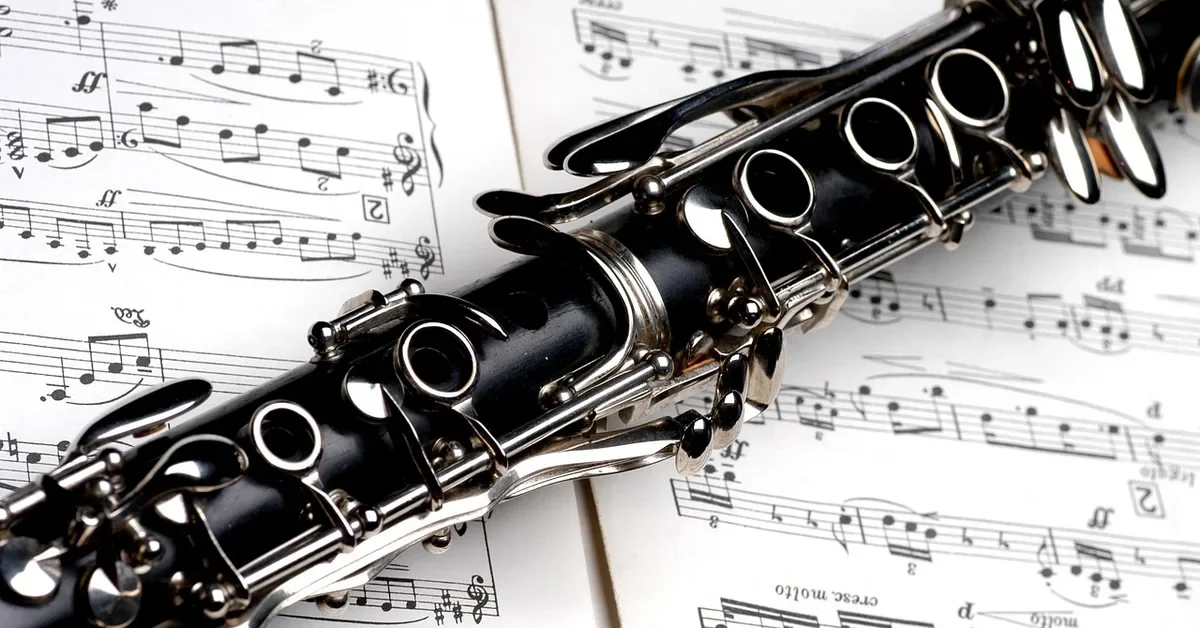
African blackwood’s single biggest market is woodwind instruments — it supplies the bodies of most professional clarinets, oboes, and bagpipe chanters made today, prized for its density, stability, and ability to take a mirror-smooth bore finish. Smaller offcuts go into chess pieces, knife and tool handles, inlay work, and turned pens rather than furniture, where its price and narrow board widths make it impractical. If you’re comparing it against other near-black species before buying, see our guide to naturally black wood types.
Is African Blackwood Sustainably Sourced?
African blackwood and every other species in the genus Dalbergia are listed on CITES Appendix II, which means international shipments — including finished instruments and turning blanks, not just raw logs — require export permits. The IUCN separately rates the species near threatened, largely because it grows so slowly in the dry miombo woodlands of Tanzania and Mozambique that regrowth can’t keep pace with historic harvest rates.
For a hobbyist buying a small turning blank or pen blank, the practical takeaway is simple: buy from a specialty exotic-hardwood dealer who can show CITES paperwork on request, rather than an unverified overseas listing. Reputable US sellers of African blackwood handle the permit process as part of the sale, so a legitimate blank should already account for that cost in its price.
Frequently Asked Questions About African Blackwood
What Is African Blackwood Used For?
African blackwood is used almost entirely for woodwind instruments — clarinets, oboes, and bagpipe chanters — because its density and near-black color hold a mirror finish and resist warping. Smaller pieces go into chess pieces, knife handles, inlay, and turned pens rather than furniture-scale projects.
Is African Blackwood Toxic To Work With?
African blackwood is listed as a sensitizer, and its dust can irritate the eyes, skin, and respiratory tract with repeated exposure, though severe reactions are uncommon. Wear a properly rated dust mask or respirator and work with dust collection running, especially when sanding or turning.
Why Is African Blackwood So Expensive?
African blackwood is expensive because it is listed on CITES Appendix II, which restricts international trade of the genus Dalbergia, and the IUCN rates it near threatened. Only an estimated 10–20% of a mature tree’s wood is straight and clear enough to sell, so usable supply stays scarce.
Can You Turn African Blackwood On A Lathe?
Yes — African blackwood is considered one of the finest turning woods available and holds fine threaded details better than almost any other species. It dulls standard steel tools quickly, so carbide-tipped turning tools and slower speeds get cleaner results with less tear-out.
Conclusion
African blackwood earns its price: a 3,670 lbf Janka rating, CITES Appendix II restrictions, and a near-threatened conservation status combine to keep legal, straight-grained stock scarce and costly. For woodworkers who do take it on, treat it like a metal-shop material — carbide tooling, a proper P100 respirator, and a lathe rather than a table saw — and it rewards the extra care with a finish few other species can match.
Sponsored / affiliate links. As an Amazon Associate I earn from qualifying purchases. I may earn additional commission from eligible campaigns.