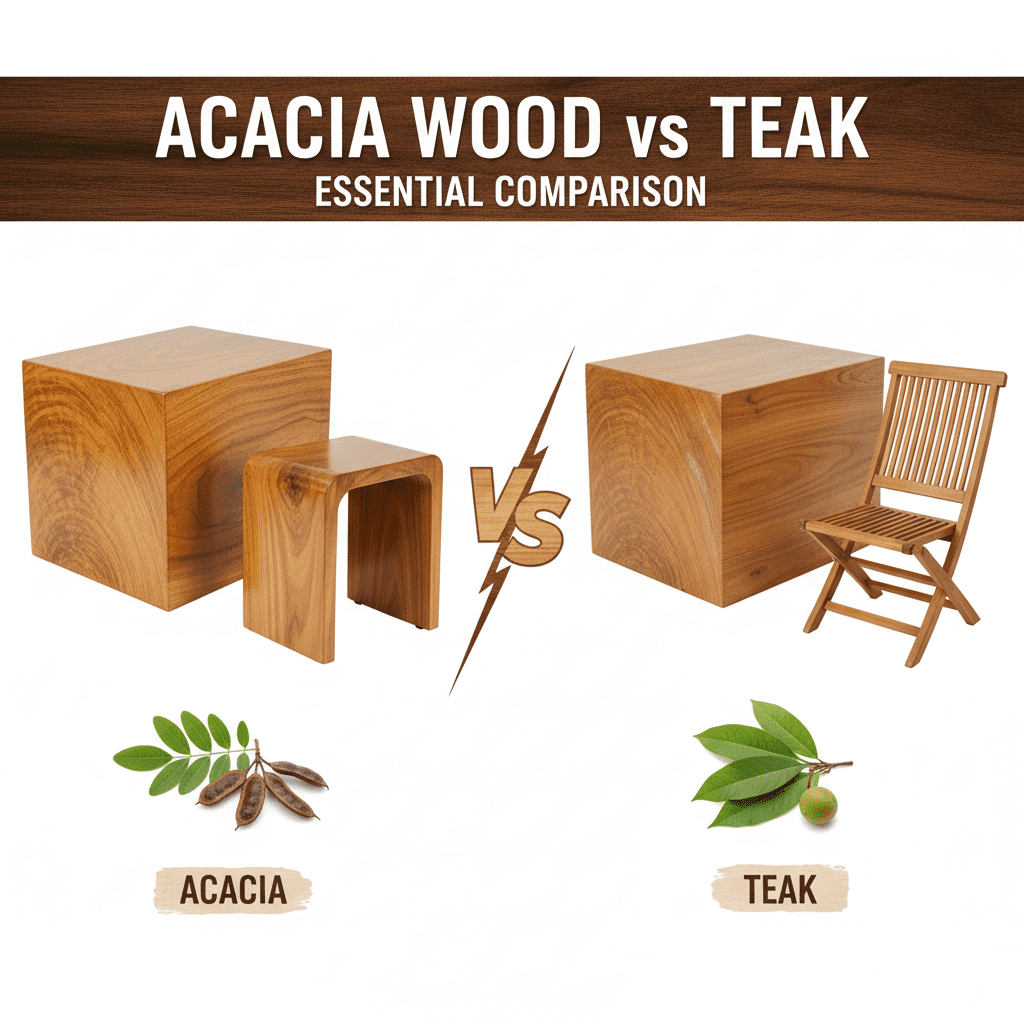
Acacia Wood vs Teak: Essential Comparison
Acacia wood vs. teak: For beautiful, durable furniture, teak often wins due to its superior weather resistance and natural oils, though acacia offers a more budget-friendly and still attractive option for indoor use. This comparison helps you choose the right wood for your projects.
Choosing the right wood for your furniture or DIY projects can feel a bit overwhelming, can’t it? You want something that looks great, lasts a long time, and is easy enough to work with. Two popular choices that often come up are acacia wood and teak. They both have a lovely look and are known for being tough, but they’re not quite the same. Understanding the differences between acacia wood vs teak will help you make the best decision for your needs, saving you time and worry. Don’t fret; we’ll break it all down in a simple way, just like we’re in the workshop together!
Acacia Wood vs. Teak: A Beginner’s Guide to Choosing
As a woodworker, I’ve handled my fair share of both acacia and teak. They’re both fantastic materials, but they shine in different situations. Think of it like choosing between a reliable everyday car and a high-performance sports car. Both get you from point A to point B, but one is built for specific challenges and luxury.
When you’re deciding between acacia wood vs teak, you’re likely thinking about durability, appearance, and cost. These are the big three for any project, especially if you’re new to woodworking or want your creations to last.
What is Acacia Wood?
Acacia wood comes from acacia trees, a type of tree found all over the world, especially in warmer climates. There are many species of acacia, and they can vary quite a bit. For furniture making, especially for a friendlier price point, you’ll often see acacia that’s been sustainably sourced. It’s gained a lot of popularity because it’s a hardwood that’s pretty tough and looks quite attractive.
Acacia wood has a beautiful, natural grain that can range from light golden to rich brown tones. It’s known for being dense and durable, making it a good choice for many applications. It’s often used for flooring, cutting boards, and of course, furniture.
What is Teak Wood?
Teak is a tropical hardwood that has been prized for centuries, especially for shipbuilding and outdoor furniture. It’s famous for its incredible durability and resistance to the elements. This is largely thanks to natural oils found within the wood itself and its dense grain structure. Teak is often considered the gold standard for outdoor furniture that needs to withstand sun, rain, and temperature changes.
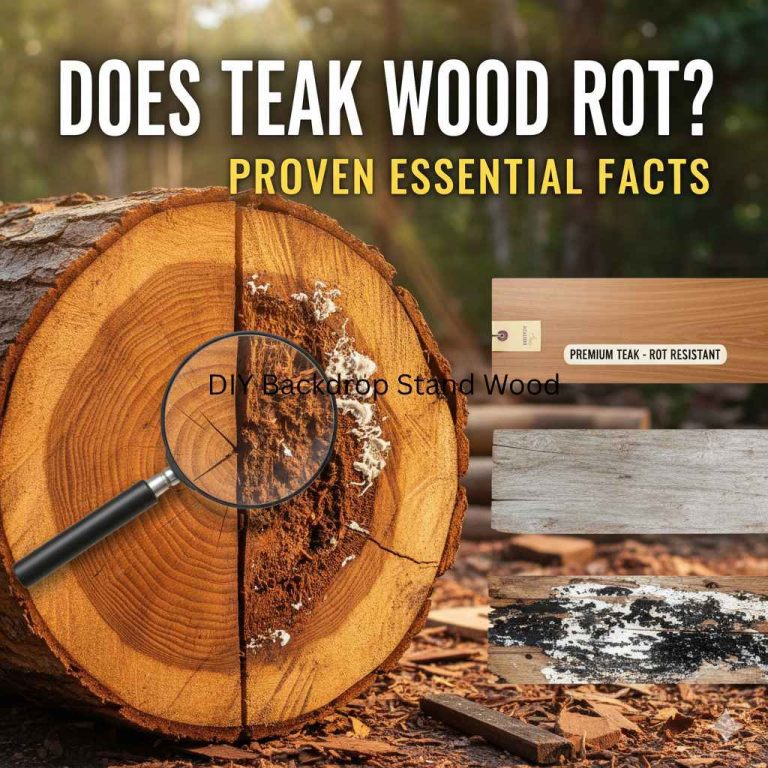
Teak wood has a distinctive warm, golden-brown color. Its natural oils protect it from rot, decay, and insect damage, which is why it’s so sought after for outdoor applications. While it’s a premium material, its longevity often justifies the investment.
Key Differences: Acacia Wood vs. Teak
Let’s get down to the nitty-gritty. When you’re comparing acacia wood vs teak, there are a few key areas where they really stand apart. This is where you can really zero in on which one is the better fit for your next project.
Durability and Longevity
Teak: Teak is the undisputed champion when it comes to outdoor durability. Its high natural oil content makes it exceptionally resistant to water, rot, and insect infestation. This means teak furniture can last for decades outdoors with minimal maintenance, often developing a beautiful silvery-grey patina over time if left untreated. According to the USDA Forest Products Laboratory, teak’s natural oils contribute significantly to its decay resistance.
Acacia: Acacia wood is also a hardwood and is quite durable, especially for indoor use. It’s denser and harder than many other common woods used in furniture. However, it doesn’t have the same level of natural oil as teak. While it can be used outdoors, it will require more diligent sealing and maintenance to prevent weathering, rot, and insect damage compared to teak. It’s still a very robust material for everyday use.
Weather Resistance
Teak: Teak’s natural oils make it incredibly resistant to moisture, UV rays, and temperature fluctuations. This is why it’s the top choice for high-end outdoor furniture, boat decks, and other applications exposed to the elements. It doesn’t crack, warp, or splinter easily when exposed to harsh outdoor conditions.
Acacia: Acacia is moderately weather-resistant but not to the same extent as teak. It can handle some outdoor exposure, but prolonged or extreme weather conditions will eventually take their toll without proper sealing and regular care. It’s more prone to weathering and potential damage from moisture or insects if not protected. For outdoor use, a good quality sealant is a must for acacia.
Appearance and Aesthetics
Teak: Teak typically has a beautiful, warm golden-brown color. Its grain is usually straight and coarse, with a slightly oily feel. Over time, if left unfinished, it weathers to a distinctive silvery-grey, which many people find very attractive for outdoor settings.
Acacia: Acacia wood’s appearance can vary more widely depending on the species and how it’s finished. It often displays a beautiful range of colors, from light golden hues to richer brown tones, and can have attractive, swirling grain patterns. It’s known for its unique character and can look very elegant, especially for indoor furniture.
Hardness and Scratch Resistance
Both teak and acacia are hardwoods, meaning they are dense and can resist dents and scratches.
Teak: Teak is very hard and dense, offering excellent resistance to scratches and dents.
Acacia: Acacia is also quite hard, often ranking similarly to or even harder than teak on scales like the Janka hardness scale, which measures a wood’s resistance to denting and wear. This makes it a resilient choice for furniture that sees a lot of daily use.
Cost and Affordability
This is often a significant deciding factor for many DIYers and homeowners.
Teak: Teak is generally a premium wood, making it considerably more expensive than acacia. Its rarity, desirable properties, and the demand for it contribute to its higher price tag.
Acacia: Acacia wood is typically much more affordable than teak. It’s a more accessible option for those looking for the look and feel of a hardwood without the high cost associated with teak. This makes it a popular choice for budget-conscious furniture and DIY projects.
Maintenance Requirements
Teak: For outdoor use, teak is surprisingly low maintenance if you’re happy with the weathered silver look. If you want to maintain its golden hue, you’ll need to clean it periodically and apply teak oil or a protective sealant. Indoors, it’s very easy to care for.
Acacia: For outdoor furniture, acacia requires more frequent maintenance. Regular cleaning, sealing, and potentially re-sealing are necessary to protect it from the elements and prolong its life. For indoor use, it’s generally low maintenance, similar to other hardwoods.
Here’s a quick table to summarize:
| Feature | Acacia Wood | Teak Wood |
|---|---|---|
| Durability | Good to Very Good (especially indoors) | Excellent (especially outdoors) |
| Weather Resistance | Moderate | Excellent |
| Natural Oils | Lower | High |
| Appearance | Varies, attractive grain, lighter to medium brown | Golden brown, straight grain, weathers to silver-grey |
| Hardness (Janka) | High | High |
| Cost | More Affordable | Premium/Expensive |
| Outdoor Suitability | Good with proper treatment and maintenance | Excellent, even with minimal maintenance |
| Indoor Suitability | Excellent | Excellent |
When to Choose Acacia Wood
Acacia wood is a fantastic choice for a wide range of projects, especially if you’re looking for a balance of beauty, durability, and affordability.
Why choose Acacia:
Budget-Friendly Projects: If you love the look of hardwood but need to keep your project costs down, acacia is a brilliant alternative to more expensive woods like teak.
Indoor Furniture: Acacia is superb for indoor tables, chairs, shelving, and decorative items. Its hardness means it can withstand daily use.
DIY Projects on a Budget: When you’re starting out and want to get a feel for working with a good quality hardwood without breaking the bank, acacia is perfect.
Unique Aesthetic: If you appreciate the natural variations in wood grain and color, acacia often offers striking patterns that add a unique charm.
Cutting Boards and Kitchenware: Its density and hardness make it a good choice for kitchen items, though it should be sealed properly.
For projects where extreme weather resistance isn’t the top priority, acacia wood offers excellent value and a beautiful finish. It’s a workhorse that won’t let you down for many indoor applications.
When to Choose Teak Wood
Teak wood is the premium option, and it really shines when you need the absolute best in terms of longevity and outdoor performance.
Why choose Teak:
High-End Outdoor Furniture: If you want furniture that will last a lifetime outdoors and requires minimal fuss, teak is the way to go. Think patio sets, garden benches, and loungers.
Marine Applications: Historically, teak has been used extensively in shipbuilding due to its incredible resistance to saltwater and harsh weather.
Investment Pieces: When you’re creating or buying furniture that you want to be an heirloom, teak’s incredible durability makes it a wise investment.
Low Maintenance Outdoors (with a certain look): If you don’t mind your outdoor furniture weathering to a classic silver-grey, teak requires very little upkeep to maintain its structural integrity outdoors.
Luxury Bathrooms and Spas: Its water resistance also makes it suitable for use in high-humidity environments like luxury bathrooms.
Teak is the top-tier choice when performance in challenging conditions is paramount. It’s the wood that just keeps on going, looking good while doing it.
Working with Acacia Wood vs. Teak
For beginners, working with both woods is generally quite manageable, though there are slight differences to consider.
Working with Acacia Wood
Ease of Machining: Acacia generally machines well with both hand and power tools. It’s dense, so sharp tools are essential to avoid burning or tear-out, especially in cross-grain situations.
Gluing: Good glue-ups are achievable with acacia, but like many dense hardwoods, ensuring clean, well-prepared surfaces is key for a strong bond.
Finishing: Acacia takes finishes beautifully. Whether you choose an oil, varnish, or lacquer, you can achieve a stunning look. It’s important to fill any pores if you want a super-smooth finish.
Sanding: It sands well, progressing through grits will give you a smooth surface ready for finishing.
Working with Teak Wood
Ease of Machining: Teak also machines well, but its natural oil content can sometimes clog sandpaper and make gluing more challenging. It’s recommended to use a solvent like acetone to wipe down glued surfaces before applying adhesive for a better bond.
Gluing: Due to the natural oils, using specialized adhesives or proper surface preparation (like sanding with coarse grit and wiping with a solvent) is important for strong teak joints.
Finishing: Many people prefer to leave teak unfinished outdoors to let it weather naturally. If you choose to apply a finish indoors or outdoors, oils designed for teak are usually recommended to complement its natural properties.
Sanding: Teak sands well, but you might find your sandpaper clogs a bit more rapidly due to the oils. Keep a can of compressed air handy to blow dust and oil away.
When you’re starting out, both are forgiving, but taking a little extra care with teak’s oils will save you some frustration. For working with wood, I always advise using sharp tools. You can find helpful tips on tool maintenance from resources like Popular Mechanics.
Acacia Wood vs Teak for Outdoor Projects
This is where the acacia wood vs teak debate really picks up steam. If your project is going to live outside, the stakes are higher.
Acacia for Outdoors
Pros: More affordable, still looks great, can be very durable with proper treatment, good for covered patios or less extreme climates.
Cons: Requires regular sealing and maintenance to prevent rot and weathering, not as naturally resistant as teak. You’ll need to reapply sealants probably once a year depending on your climate.
What to expect: With diligent care, acacia furniture can last many years outdoors. It will likely develop a patina but might show signs of wear sooner than teak if not meticulously maintained.
Teak for Outdoors
Pros: Exceptional natural resistance to water, rot, and insects; minimal maintenance required to maintain structural integrity (even if it weathers); known for its longevity up to 100 years.
Cons: Significantly more expensive, heavier than some other woods.
What to expect: Teak is the benchmark for outdoor wood. It can be left to age gracefully into a silver-grey, or maintained with teak oil to keep its golden hue. It’s the “set it and forget it” option for outdoor furniture.
For truly exposed, high-wear outdoor situations, teak is hard to beat. However, if your outdoor space is somewhat protected or you don’t mind a bit of yearly upkeep, acacia can be a very satisfying and beautiful choice.
Acacia Wood vs Teak for Indoor Projects
Indoors, both woods are fantastic and the differences become less critical, with cost and aesthetics often taking the lead.
Acacia for Indoors
Pros: Beautiful appearance, durable for everyday use, very affordable for its quality, takes finishes exceptionally well.
Cons: Can be quite dense, requiring sharp tools.
What to expect: Acacia makes for stunning, long-lasting indoor furniture. It’s a great option for dining tables, coffee tables, bed frames, and cabinetry. Its natural beauty can be highlighted with various finishes.
Teak for Indoors
Pros: Extremely durable, beautiful rich color, luxurious feel, resistant to spills and wear.
Cons: Expensive compared to acacia, might be overkill for many indoor applications where its extreme outdoor resistance isn’t needed.
What to expect: Teak indoors is a sign of luxury and incredible durability. It’s often used for high-end cabinetry, statement pieces, or in areas prone to moisture like some bathrooms.
For most indoor furniture needs, acacia provides comparable aesthetics and durability to teak at a fraction of the cost. It’s often the more practical choice for home projects.
Frequently Asked Questions (FAQ): Acacia Wood vs. Teak
Let’s tackle some common questions beginners might have about acacia wood vs teak.
Q1: Is acacia wood as durable as teak?
Acacia wood is very durable, especially for indoor use, and it’s quite dense. Teak is generally considered to have superior durability, particularly outdoors, due to its exceptionally high natural oil content that makes it resistant to rot, water, and insects. So, while acacia is tough, teak is the champion for longevity in harsh conditions.
Q2: Which wood shrinks or warps less?
Both teak and acacia are hardwoods and are relatively stable, meaning they tend to shrink and warp less than softer woods. Teak, due to its density and natural oils, is particularly stable and less prone to warping or cracking, even in fluctuating humidity and temperatures, making it ideal for outdoor furniture.
Q3: Can I use acacia wood for outdoor furniture?
Yes, you can use acacia wood for outdoor furniture, but it requires more care than teak. It needs to be properly sealed and maintained with regular applications of protective finishes to prevent damage from moisture, UV rays, and insects. It’s best suited for covered patios or climates with less extreme weather conditions.
Q4: Which wood is easier to work with for a beginner?
Both woods are manageable for beginners, but both are hardwoods and require sharp tools. Acacia might be slightly easier to glue because it doesn’t have the natural oils that can sometimes interfere with adhesive as teak does. However, the differences are minor, and with good technique, beginners can successfully work with either.
Q5: What’s the main reason someone would choose teak over acacia?
The primary reason to choose teak over acacia is its superior, natural resistance to the elements (water, sun, rot, insects). This makes it the best choice for furniture that will be exposed to harsh outdoor conditions long-term, offering unmatched durability and longevity with less maintenance required to maintain structural integrity (though cosmetic care for appearance differs). Teak is also often seen as a more luxurious material.