Is Teak Water Resistant? Yes, But Not Waterproof (Here’s Why)
Teak is naturally water-resistant — its heartwood packs up to 1.4% silica and dense natural oils that repel moisture — but it isn’t waterproof, since prolonged submersion can still cause swelling and eventual decay. Buying a lower grade or skipping maintenance is the main reason teak furniture grays, cracks, or rots years ahead of schedule. This guide covers what makes teak water-resistant, how Grade A compares to lower grades, and how to keep it protected outdoors.
Why Teak Naturally Resists Water
Best Teak Sealer Pick
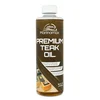
Premium Teak Oil 16 oz, Wood Oil, Sealer & Protector – $20.99
Matches the 2–3 month oiling interval this guide recommends for lightly exposed teak — penetrates the grain to top up the wood’s own natural oils rather than just coating the surface.
- Best for: Indoor teak and lightly exposed outdoor furniture
- Why we picked it: Penetrating oil formula matches the routine-oiling step in this guide
- Main drawback: Needs reapplication every 2–3 months in full sun
Compare more teak sealer options
 Option 1 Furniture Clinic Teak Oil 17oz – $17.95
|
 Option 2 STAR BRITE Premium Golden Teak Oil 16oz – $26.89
|
 Option 3 Royal Teak Collection Sealer 33oz – $65.00
|
As an Amazon Associate we earn from qualifying purchases.
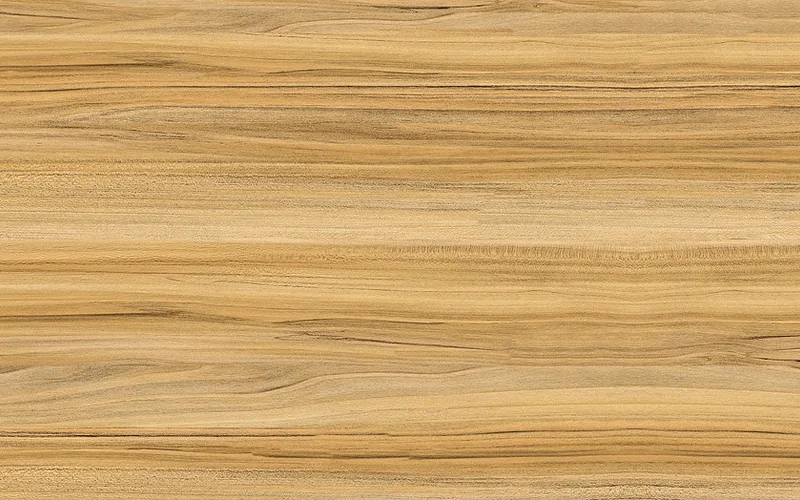
Teak is a tropical hardwood that resists water because its heartwood is saturated with natural oils and a uniquely high mineral content. Those oils coat the wood’s tight grain from the inside, slowing how fast water can soak in, while the tight grain itself gives moisture fewer paths to travel once it does penetrate the surface.
Researchers who studied teak’s wood chemistry identified tectoquinone as the main compound behind this resistance, and found that heartwood — the dense inner core of a mature tree — contains far more of these protective compounds than the outer sapwood. That is also why teak has been used for ship decking since the age of sail: the wood tolerates repeated soaking far better than most timber.
📊 Teak heartwood holds up to 1.4% silica and rates as “very durable” against decay — among the highest ratings of any commercial hardwood. Source: The Wood Database
“Teak has been considered by many to be the gold standard for decay resistance, and its heartwood is rated as very durable.”
According to the same wood-property data, teak’s Janka hardness rating of 1,070 lbf makes it noticeably denser than white oak, which helps it resist the swelling and grain-raising that softer, more porous woods experience when they get wet.
Grade A vs. Lower-Grade Teak: Why It Matters
Grade A teak is cut from the heartwood of mature trees, where oil and silica content is highest — this is the wood that earns teak its water-resistant reputation. Grade B and Grade C teak come from the outer sapwood or younger, faster-grown trees. They contain noticeably fewer natural oils, absorb moisture faster, and gray, crack, or split sooner once left outdoors.
The catch: retailers rarely list the grade unless you ask. If a teak piece is priced well below similar listings, it is worth asking the seller directly whether it’s Grade A heartwood or a lower grade — the price difference usually reflects a real difference in how it will hold up to rain and humidity.
Keeping Teak Water-Resistant Long-Term
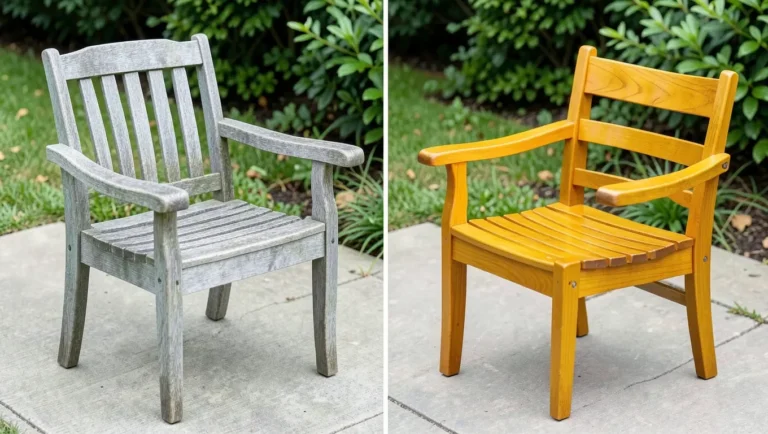
Teak does not need heavy waterproofing to survive outdoors, but a simple maintenance routine keeps its natural resistance working at full strength and slows the graying that untreated teak develops over time. Most owners follow the same three steps:
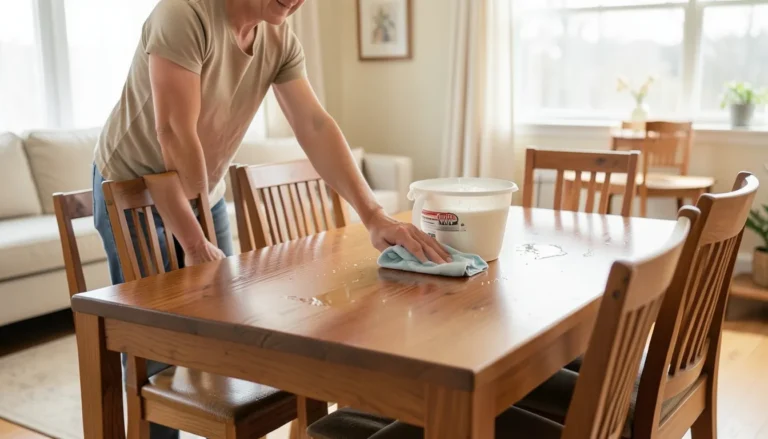
- Clean it: Wash with mild soap and water using a soft-bristle brush, working with the grain, then rinse thoroughly to remove all residue.
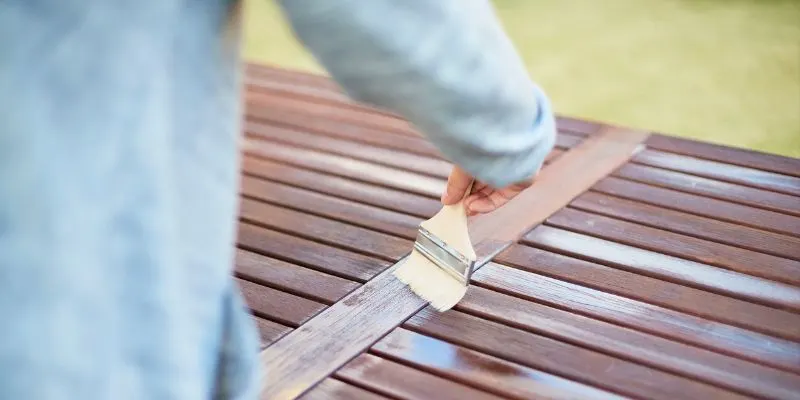
- Oil or seal it: Apply teak oil every 2–3 months for indoor or lightly exposed pieces, or a water-based outdoor teak sealer twice a year for furniture that stays outside year-round.
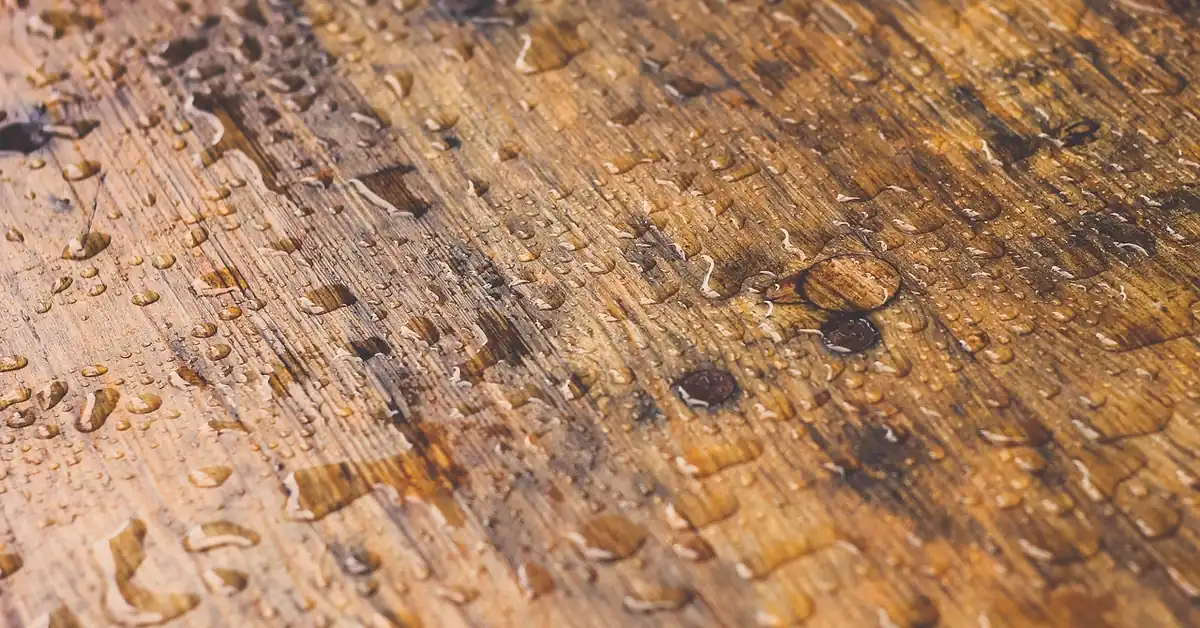
- Watch for the warning sign: When water stops beading on the surface and starts soaking in instead, that is the cue to reapply — not a fixed calendar date.
How Teak Compares to Other Woods
Water & Rot Resistance By Species
Not every hardwood handles moisture the same way. Here is how teak stacks up against three woods commonly compared to it for outdoor and wet-area projects:
| Wood Type | Water Resistance | Rot/Insect Resistance | Common Uses |
|---|---|---|---|
| Teak (Tectona grandis) | Excellent — high natural oil content | Excellent | Outdoor furniture, boat decks, docks |
| White Oak | Good — tight, closed grain | Good (heartwood only) | Whiskey barrels, flooring |
| Pressure-Treated Pine | Variable — depends on treatment | Good, chemical-dependent | Decking, framing lumber |
| Red Oak | Poor — open, porous grain | Poor | Indoor furniture, cabinets |
Cost vs. Longevity
Teak costs more upfront than most alternatives, but its lifespan changes the real math. Compare that against a cheaper outdoor wood and the maintenance gap becomes the deciding factor for most buyers:
| Material | Initial Cost | Typical Outdoor Lifespan | Maintenance |
|---|---|---|---|
| Teak | Higher | 20+ years | Low |
| Cheaper softwoods (pine, fir) | Lower | 5–10 years | High |
Real-World Applications
Teak’s water resistance is why boat builders have relied on it for decks and trim for centuries — the wood tolerates constant wetting and drying cycles that would rot most other timber within a few seasons. The same properties make it a top pick for patio furniture and for solid teak entry doors, both of which face rain, humidity, and direct sun without the frequent sealing that softer woods require — including Vastu-compliant main door designs for Indian homes.

With basic care, teak furniture left outside through winter holds up far better than most alternatives, since freeze-thaw cycles do less damage to wood that isn’t already saturated with water.
Myths vs. Facts About Teak and Water
Teak’s reputation invites some exaggeration. Here is where the marketing claims and the actual wood science part ways:
| The Claim (Myth) | The Reality (Fact) |
|---|---|
| Teak is completely waterproof. | It absorbs minimal surface moisture and rarely soaks through, but it isn’t 100% impermeable — prolonged submersion still causes some swelling. |
| All wood behaves the same way in water. | Species differ significantly by grain and oil content — that’s why teak tolerates wet conditions that would ruin most temperate hardwoods within a season. |
| Applying teak oil makes the wood water-resistant. | The wood’s own internal oils do the real work; surface teak oil mainly restores color and sheen rather than adding waterproofing. |
| Teak furniture will rot quickly outdoors. | Generations of use in shipbuilding — decks, pilings, and docks submerged for decades — show the opposite when the wood is Grade A heartwood. |
Frequently Asked Questions
Is Teak Naturally Water Resistant?
Yes. Teak’s heartwood contains high natural oil and silica content and a tight grain structure that together resist moisture penetration. This is why it’s a standard choice for outdoor furniture and marine decking without needing a heavy protective coating.
How Long Does Teak Last In Water?
Grade A teak can last decades in wet conditions. Its natural oils resist rot and decay far longer than most woods, which is why boat builders have used it for submerged and constantly-wet applications like decks and pilings for generations.
Does Teak Require Waterproofing Or Sealing?
Not strictly — its natural resistance is usually enough for casual outdoor use. Applying teak oil or a water-based sealer isn’t required for survival, but it slows graying, restores color, and adds a layer of extra protection in constant-exposure spots like docks and pool decks.
Can Teak Wood Warp When Wet?
Teak is less likely to warp than most woods when wet, thanks to its dense structure and natural oils. All wood expands and contracts somewhat with moisture, but teak’s properties keep that movement minimal, especially in Grade A heartwood.
Is Grade A Teak More Water-Resistant Than Lower Grades?
Yes. Grade A teak comes from mature heartwood with the highest oil and silica content, giving it the strongest water resistance. Grade B and C teak, cut from sapwood or younger trees, absorb moisture faster and gray or crack sooner outdoors.
Is Teak Better Than Cedar For Water Resistance?
Teak generally outperforms cedar in constant wet exposure because of its higher oil and silica content and denser grain. Cedar is lighter, less expensive, and still rot-resistant, but it typically needs more frequent sealing to match teak’s outdoor lifespan.
Conclusion
Teak is water-resistant, not waterproof — and that distinction matters most when you’re choosing the grade and deciding how much maintenance you’re willing to do. Grade A heartwood, cleaned and oiled a few times a year, will outlast almost any other outdoor wood without needing a heavy sealant or a roof over it.
Sponsored / affiliate links. As an Amazon Associate I earn from qualifying purchases. I may earn additional commission from eligible campaigns.