Where Does Ash Tree Grow? Native Range & Ash Borer Threat
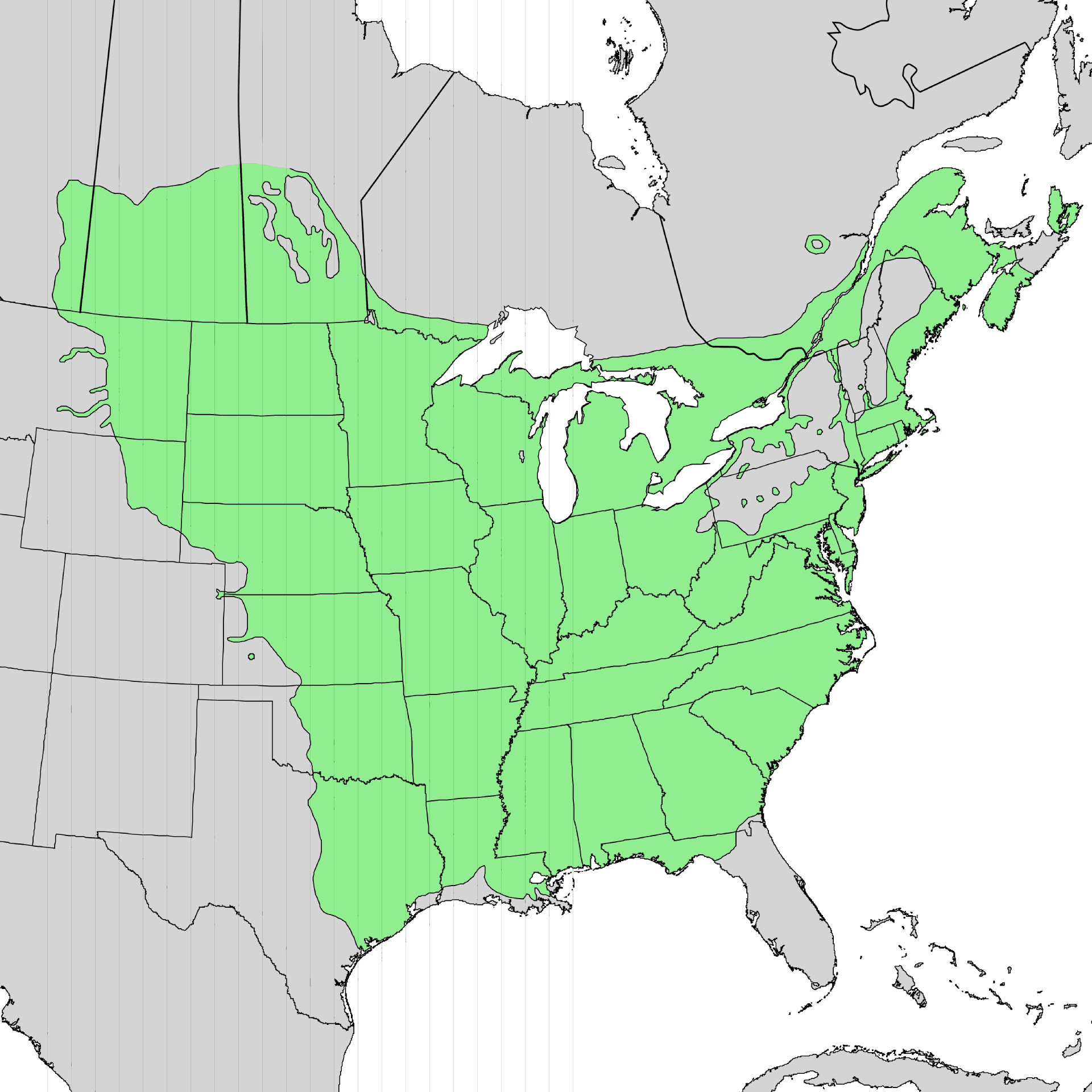
Ash trees grow natively across eastern and central North America, from Nova Scotia south to northern Florida and west to Texas and Minnesota, plus a separate Oregon ash range along the Pacific Northwest. Since 2002, the invasive emerald ash borer has killed tens of millions of ash trees across 38 states, actively shrinking that range. This guide covers native habitat by species, climate and soil needs, and where healthy ash populations still remain today.
Where Ash Trees Grow Natively
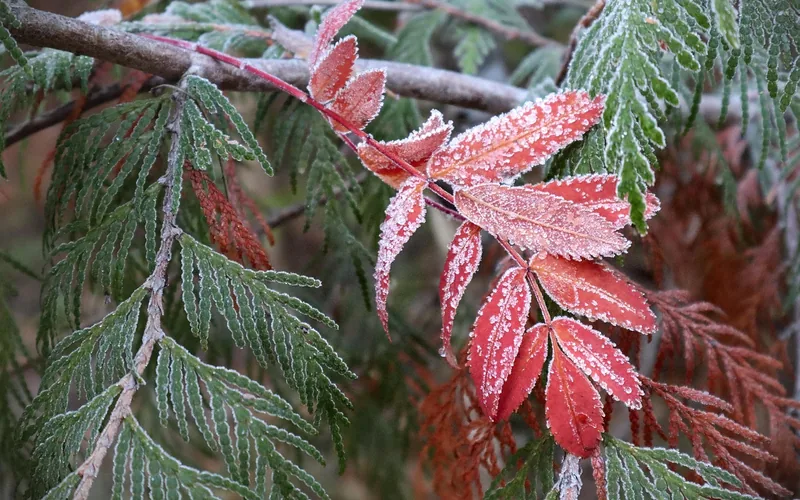
Ash (genus Fraxinus) is native to the Northern Hemisphere, but each North American species has its own specific range. White ash grows from Nova Scotia west to Minnesota, south to northern Florida and southwest to eastern Texas, usually alongside sugar maple in upland hardwood forests. Green ash has the widest range of any North American ash, following rivers and floodplains from Alberta to Nova Scotia and south into Texas and Florida. Black ash sticks to cold swamps and wet woods from Newfoundland to Manitoba, rarely straying from standing water. On the West Coast, Oregon ash is the only native species, growing along slow streams and seasonally flooded ground in Washington, Oregon, and California’s Coast Range and Sierra Nevada foothills.
Outside North America, ash also grows across Europe and parts of Asia Minor, historically ranging from the Arctic Circle down into Turkey. In the wild, the tree favors forests and woodlands, but it also grows well along streets and in parks once planted, which is why it became one of the most common urban shade trees in the US before the emerald ash borer arrived.
Climate Preferences
Ash trees do best in moderate climates, growing most vigorously where average temperatures sit between 60 and 70°F. They tolerate cold winters with some protection but struggle under extreme heat or prolonged drought. Consistent rainfall matters more than total volume — ash trees need well-drained soil year-round, since waterlogged roots invite disease even in a species that tolerates occasional flooding.
Soil Requirements
Loamy soil — a balanced mix of sand, silt, and clay — suits ash trees best because it drains well while holding enough nutrients. Sandy soil alone is too nutrient-poor, and heavy clay retains too much water. Ash trees also prefer a neutral to slightly acidic pH between 6.0 and 7.5; outside that range, nutrient uptake suffers and growth slows.
Sunlight and Shade Tolerance
Ash trees grow fastest with at least six hours of direct sun a day, but they have moderate shade tolerance and can persist in partially shaded understories — just more slowly, with thinner foliage. For the healthiest tree, full sun with only occasional afternoon shade is the ideal balance.
Elevation Zones
Ash trees grow across a wide elevation range, from river-bottom lowlands to mid-altitude mountain slopes, which is part of why the genus adapted successfully to both wild forests and urban landscapes.
Lowland Growth
In lowlands, ash trees favor rich, moist soil near rivers and lakes, where ample water and sunlight let them grow tall with strong, dense wood. This is prime habitat for green ash and black ash in particular, and it is also where the wood is traditionally harvested for furniture and tool handles.
Mountainous Areas
At higher elevations, ash trees adapt to rockier, thinner soils and cooler air, typically clustering near mountain streams where drainage is still good. White ash is the species most often found at these mid-altitude sites, tolerating steeper terrain than green or black ash.
Human Influence on Ash Tree Range
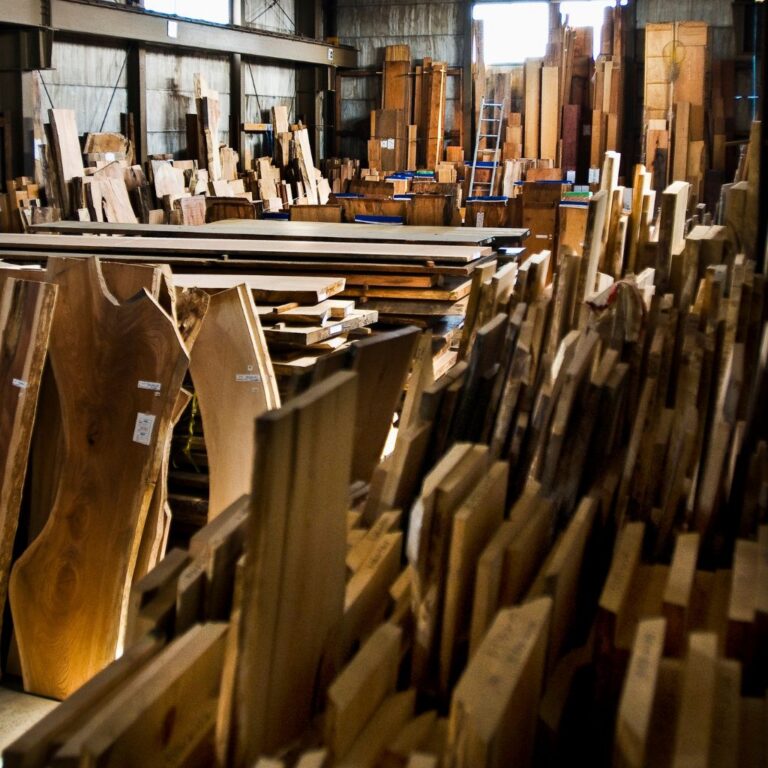
Ash trees became one of the most widely planted street and park trees in North American cities because they tolerate compacted soil, pollution, and root confinement better than many hardwoods. Farmers have also long planted ash as windbreaks to shield crops and livestock from wind. That same popularity is now working against the species — the dense concentration of urban and farm ash trees gave the emerald ash borer an easy, connected path to spread once it arrived in the US. Ash wood remains prized despite this — see our full breakdown of why ash trees matter for woodworking and landscaping alike. For how this scarcity is reshaping the commercial lumber supply and pricing, see our guide on where ash wood is sourced today.
Where Ash Trees Are Disappearing: The Emerald Ash Borer Crisis
The emerald ash borer (EAB) is an invasive, metallic-green wood-boring beetle native to northeastern China, the Korean peninsula, and eastern Russia. Its larvae tunnel under ash bark and cut off the tree’s nutrient flow, usually killing a mature ash within two to four years of infestation. It cannot be reliably stopped once a tree shows visible damage — only prevented or treated early.
How Emerald Ash Borer Is Shrinking Ash Tree Range
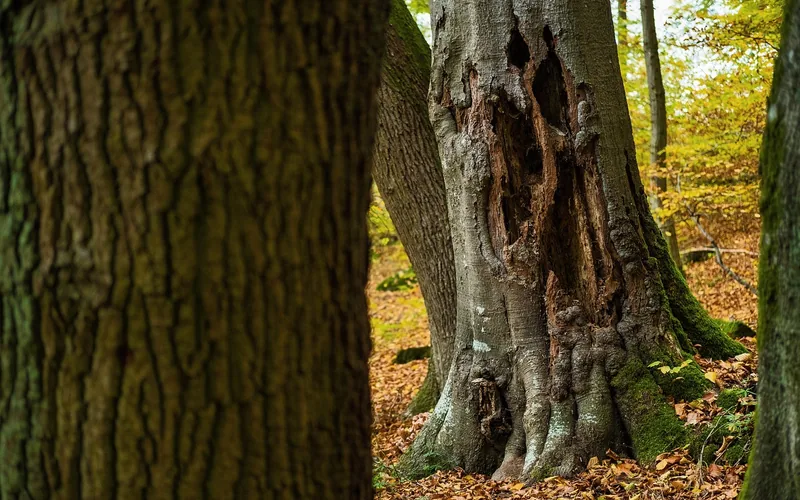
EAB was first detected in North America in 2002 in southeast Michigan, almost certainly arriving in wood packing material from Asia. Since then, it has spread to 38 US states and the District of Columbia, largely because people unknowingly move infested firewood, logs, and nursery stock over long distances. Every state within the beetle’s spreading range has seen its ash population decline, and in the hardest-hit areas of the Midwest and Northeast, ash trees planted along streets and in forests from the 1970s through the 1990s are now largely gone.
“The emerald ash borer (EAB), an invasive wood-boring beetle from Asia, is responsible for the death and decline of tens of millions of ash trees in North America.”
Where Healthy Ash Trees Still Grow
Ash has not disappeared everywhere. Populations in the western half of the country — including most of Oregon ash’s Pacific Coast range — remain largely EAB-free so far, since the beetle spreads at the pace of infested wood movement rather than instantly. USDA APHIS also rears and releases stingless parasitoid wasps as biological control agents in infested regions, and Forest Service researchers have documented small numbers of “lingering ash” that survive initial EAB waves, giving conservation programs a genetic base to work from. If you’re trying to identify or track ash health on your own property, see our guide on how to tell if your ash tree is infected. Many landowners salvage EAB-killed trees rather than losing the wood entirely — ash is good firewood at roughly 20-24 million BTUs per cord once seasoned, so a dead ash does not have to go to waste.
Other Environmental Pressures
Beyond EAB, shifting climate patterns and pollution add pressure to remaining ash populations. Prolonged heat, drought, and soil degradation all weaken a tree’s natural defenses, making already-stressed ash more vulnerable to both fungal disease and insect attack. Protecting soil and water quality around existing ash stands is one of the few range-preservation actions individual landowners can actually take.
Frequently Asked Questions
Where do ash trees grow in the US?
Ash trees grow across most of the eastern and central US, from the Great Lakes and New England south to northern Florida and west to Texas and Minnesota, plus a separate native range for Oregon ash along the Pacific Northwest. White, green, and black ash are the three most common native species.
Where in the wild are ash trees most commonly found?
In the wild, ash trees are most common along rivers, streams, and floodplains, and in upland hardwood forests alongside species like sugar maple. Green and black ash favor consistently wet ground, while white ash and Oregon ash tolerate drier upland or streamside sites.
What is so special about ash trees?
Ash trees are valued for their strong, flexible wood and full canopy of foliage. Their wood is prized for furniture, tool handles, and sports equipment like baseball bats, and mature trees support diverse wildlife while improving urban air quality.
What are the disadvantages of an ash tree?
Ash trees are highly vulnerable to the emerald ash borer, produce messy seed clusters, and their roots can damage sidewalks and underground pipes as the tree matures. Without treatment, an EAB-infested ash usually dies within two to four years, often requiring costly removal.
Are ash trees becoming rare because of the emerald ash borer?
Yes, in the hardest-hit Midwest and Northeast states, ash trees have become locally rare or functionally absent since EAB arrived in 2002. Populations farther west and small surviving “lingering ash” pockets in infested regions are the main reason the species has not disappeared entirely.
Conclusion
Ash trees naturally range across the eastern and central US, parts of Europe, and a distinct Pacific Coast population, thriving in well-drained loamy soil with moderate rainfall and at least six hours of sun. That native range is shrinking in real time: the emerald ash borer has spread to 38 states since 2002 and killed tens of millions of trees. Ash still survives in western populations and scattered lingering pockets, which is where conservation and biocontrol efforts are now focused.
Sponsored / affiliate links. As an Amazon Associate I earn from qualifying purchases. I may earn additional commission from eligible campaigns.