Teak vs Ipe: Which Outdoor Wood Should You Choose?
Teak and ipe are both prized for outdoor furniture and decking because they resist rot without chemical treatment, but they aren’t interchangeable. Ipe is nearly three times harder than teak and needs a saw blade and drill bits rated for dense hardwood, while teak is easier to work but costs more per board foot at comparable grades. Here’s the real difference, with actual hardness and price numbers.
Teak Characteristics
Best Sealer for Both Teak and Ipe
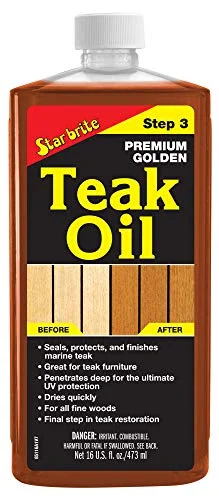 |
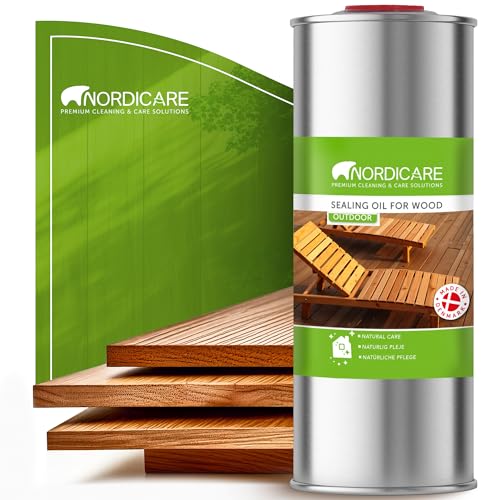
Star Brite Premium Golden Teak Oil Whichever wood you pick, an annual oil coat is what actually keeps the golden color from fading to gray.
|
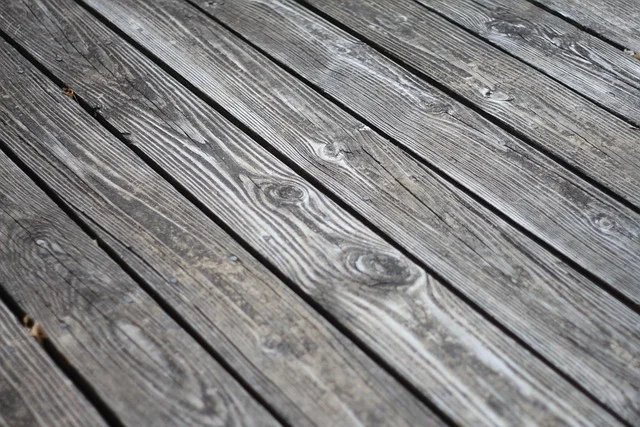
Teak (Tectona grandis) carries natural oils and silica that resist water and insects without any finish at all – that’s why it’s been the standard for boat decks for over a century. Left unfinished, it fades from golden-brown to a soft silver-gray within a year or two outdoors. Its grain is tight, straight, and easy to work with hand tools, which is part of why it commands a premium for furniture making. A well-maintained teak piece routinely lasts 40-75 years outdoors, which is a major reason it remains the standard choice for yacht decking despite the cost.
Ipe Characteristics
Ipe (pronounced EE-pay, also sold as Brazilian walnut or ironwood) is a South American hardwood dense enough to sink in water. It resists rot, insects, and fire better than almost any other decking wood on the market, and a well-built ipe deck routinely lasts 25-40 years outdoors with minimal upkeep. The tradeoff is workability: ipe is hard enough to dull standard blades quickly and typically needs pre-drilled pilot holes for every screw.
Hardness Compared: The Real Numbers
Janka hardness measures the force needed to embed a steel ball halfway into a wood sample – it’s the standard way to compare how well a wood resists dents and wear.
| Wood | Janka Hardness | What That Means |
|---|---|---|
| Teak | ~1,000 lbf | Similar to white oak – easy to cut, drill, and shape with standard tools |
| Ipe | ~3,510 lbf | Roughly 3.5x harder than teak – needs carbide blades and pre-drilling |
Cost Comparison
Teak generally runs more per board foot than ipe at the furniture-grade end, but ipe decking projects often cost more overall once you factor in the harder installation labor and pilot-drilling time. For a full 20-year cost breakdown, see our ipe vs teak price comparison.
| Typical Price Range | Main Cost Driver | |
|---|---|---|
| Teak | $7-30 per board foot | Grade (plantation vs. old-growth) and origin |
| Ipe | $8-16 per board foot | Density-related milling and shipping weight |
Maintenance Needs
Both woods survive neglect better than most, but neither is truly maintenance-free if you want to keep the original color.
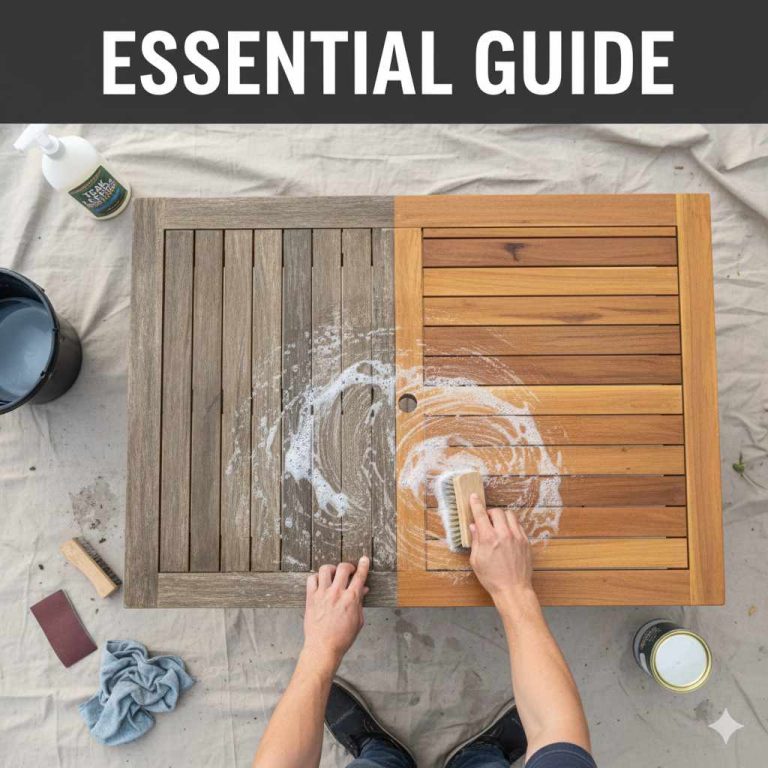
- Teak: Wash with mild soap and water, avoid pressure washers (they strip the surface fibers), and apply teak oil once or twice a year if you want to keep the golden color instead of letting it gray naturally.
- Ipe: Clean the same way, and apply a UV-blocking hardwood oil once a year – ipe grays faster than teak if left unsealed because it has less natural surface oil. A pressure washer on a low setting (under 1,500 PSI) is generally safe for ipe decking, unlike teak, since the wood is dense enough to resist fiber damage.
Sustainability: Why “Teak Is Illegal” Is a Myth (With a Real Exception)
Teak itself is not illegal – most teak sold today comes from managed plantations in Indonesia, India, and Central America and is entirely legal to buy and sell. The confusion comes from Myanmar (Burmese) teak specifically: the U.S. has banned imports of Myanmar-origin teak since 2003 under sanctions tied to the country’s military government, later tightened further in 2008 and again after 2021. If a seller can’t tell you the country of origin, that’s the red flag – not the word “teak” itself. Ipe faces a different sustainability concern: it’s slow-growing and harvested from South American rainforests, so buying FSC-certified ipe is the way to confirm it wasn’t illegally logged.
Applications and Uses
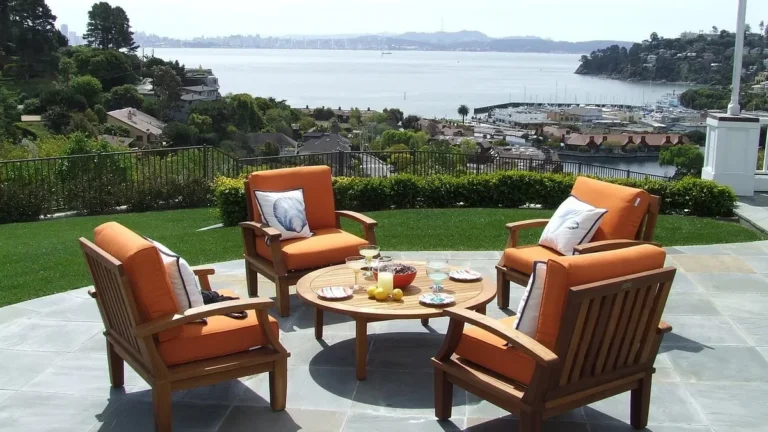
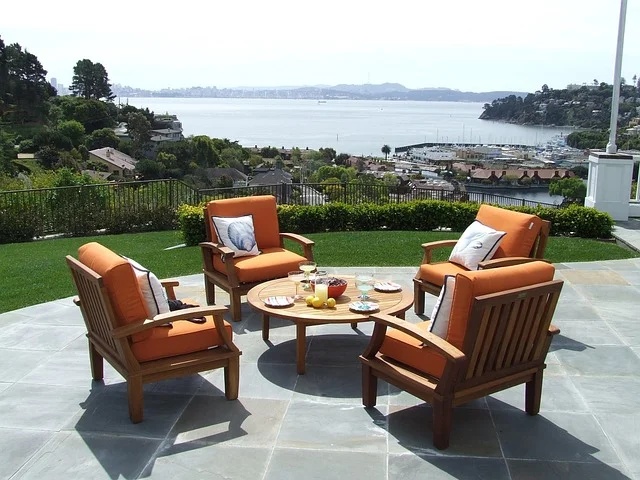
Teak’s workability makes it the go-to choice for outdoor furniture, boat decks, and carved details where you want a smooth finish and easier tool work. Ipe’s density and abrasion resistance make it the standard for decking, docks, and boardwalks that see heavy foot traffic and need to last decades with minimal replacement.
Pros and Cons
| Pros | Cons | |
|---|---|---|
| Teak | Easy to work, naturally rot-resistant, classic look | Higher cost per board foot, grays without annual oiling |
| Ipe | Extremely durable (25-40 year deck life), fire-resistant, insect-resistant | Hard on tools, needs pre-drilling, heavy to handle |
Choosing the Right Wood
Pick teak if you’re building furniture, want a wood you can shape with standard hand tools, and don’t mind (or actually want) the eventual silver-gray weathered look. Pick ipe if you’re building a deck, dock, or anything that takes heavy foot traffic and you want decades of service life without replacing boards – just budget extra time for pre-drilling every fastener hole, and factor the cost of carbide blades and hardwood-rated screws into your total project budget, not just the lumber price.
Teak Grades: A, B, and C Explained
Not all teak is the same, and grade is the biggest hidden factor in price. Grade A teak comes from the heartwood of mature trees, has a tight, even grain, and the highest natural oil content – it’s what you want for furniture that stays outdoors year-round. Grade B mixes in some sapwood and has more visible knots, and it holds up fine but weathers less evenly. Grade C is mostly sapwood, cracks and warps more over time, and is really only suited to indoor or short-term use despite sometimes being marketed as outdoor-ready. When a listing does not mention grade at all, treat that as a red flag rather than assuming Grade A.
Tools You Will Need for Ipe
Standard woodworking blades wear out fast on ipe, so a few specific tools make the difference between a smooth project and a frustrating one. Use a carbide-tipped blade rated for hardwood on your circular or miter saw – a standard combination blade will dull within a handful of cuts. Pre-drill every screw hole with a hardwood-rated bit; skipping this step on ipe reliably snaps standard deck screws instead of driving them. Stainless steel or coated deck screws are worth the extra cost, since ipe’s natural tannins react with lower-grade fasteners and cause dark staining around each screw head. Finally, a rubber mallet and a hidden fastener system (rather than face-screwing every board) both save real time on a full deck build.
Where Each Wood Actually Comes From
Teak (Tectona grandis) is native to South and Southeast Asia, but most commercial teak today is grown on managed plantations in Indonesia, and increasingly in Central America and West Africa, where trees reach harvestable maturity in 25-30 years. Ipe is not one single species but a group of related trees in the genus Handroanthus, native to the tropical forests of Brazil, Peru, and other parts of Central and South America. Because ipe trees are naturally spread thin through the rainforest canopy rather than growing in dense stands, sourcing it responsibly matters more than with plantation teak – look for Forest Stewardship Council (FSC) certification on any ipe purchase to confirm the lumber was harvested under a managed, legal quota rather than clear-cut logging.
Frequently Asked Questions
Which is better, ipe or teak?
Ipe is harder and longer-lasting for decking (25-40 years); teak is easier to work and better suited to furniture. Neither is universally “better” – it depends on the project.
Why is teak wood illegal?
Teak in general is not illegal. The U.S. specifically bans imports of Myanmar-origin teak under sanctions tied to that country’s government – plantation-grown teak from Indonesia, India, and Central America is legal and widely sold.
What are the disadvantages of ipe decking?
Ipe is expensive, heavy, and hard enough (~3,510 lbf Janka) to dull standard blades and require pre-drilled pilot holes for every screw. It can also get slippery when wet if left unsealed.
What are the negatives of teak?
Teak costs more per board foot than most alternatives, and without annual oiling it weathers to a silver-gray patina that not everyone wants on furniture they expected to stay golden-brown.
Conclusion
Teak and ipe both earn their reputations as premium outdoor woods, but for different reasons – teak for workability and classic furniture looks, ipe for sheer decking longevity. Match the wood to the project rather than picking whichever one you’ve heard of first, and budget for an annual oil coat with either one if you want to keep the original color. Skip the oil on either wood and you will still get a durable deck or a sturdy chair – you will just get a silver-gray one instead of a golden-brown one, which some homeowners actually prefer for a weathered coastal look.
Sponsored / affiliate links. As an Amazon Associate I earn from qualifying purchases. I may earn additional commission from eligible campaigns.