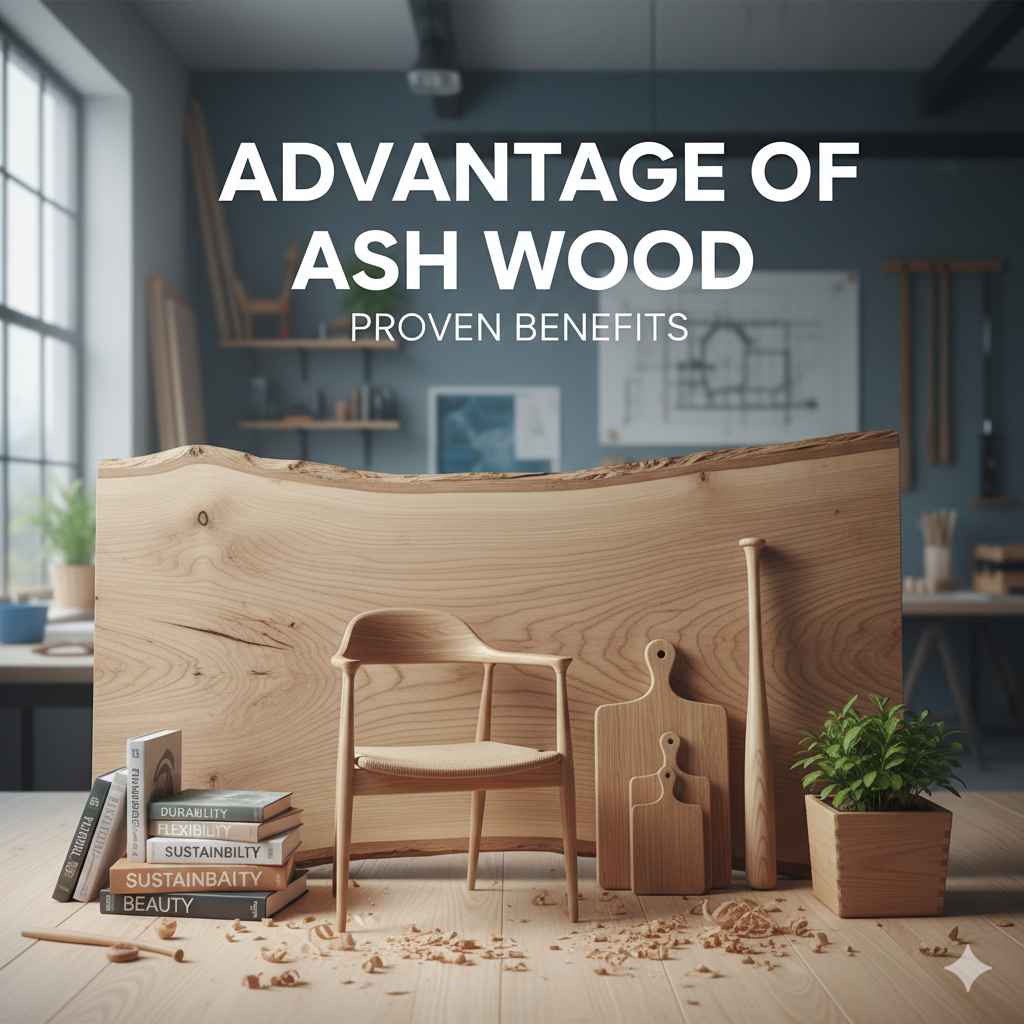
Advantage of Ash Wood: Proven Benefits
Ash wood offers remarkable strength, flexibility, and a beautiful grain, making it an excellent choice for furniture, tool handles, and sports equipment due to its durability and shock resistance.
Hey there, fellow woodworkers! Ever look at a beautiful piece of furniture or a well-made tool and wonder what makes it so sturdy and attractive? Often, the secret lies in the wood itself. If you’re just starting out in woodworking, choosing the right material can feel a bit overwhelming. You want something that’s easy to work with, looks great, and will last. Today, we’re going to dive into a fantastic, often overlooked wood: ash. You might be wondering if ash is really worth your time and effort. The good news is, yes! We’ll explore the many benefits of ash wood and show you why it’s a favorite among woodworkers and DIYers alike. Get ready to discover your new favorite material for your next project!
What is Ash Wood?
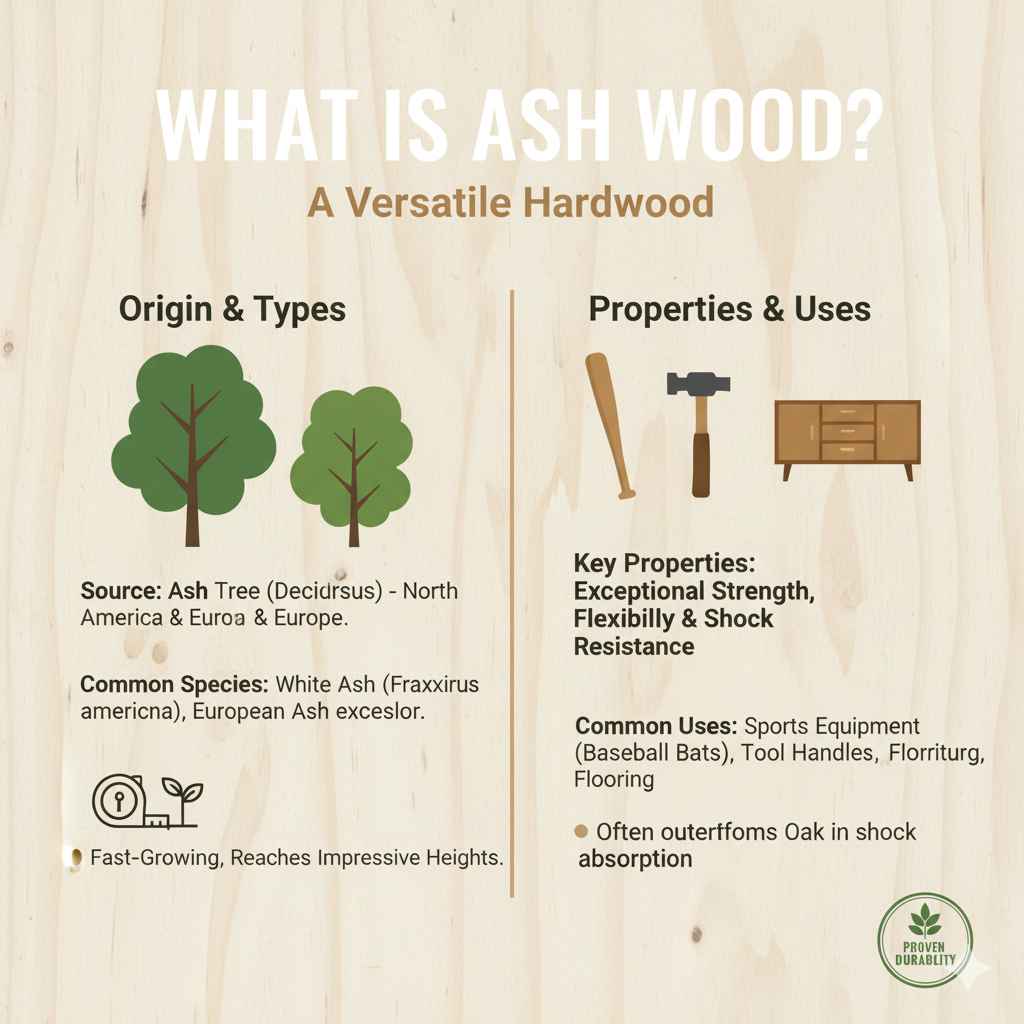
Ash wood comes from the ash tree, a common deciduous tree found throughout North America and Europe. There are many species of ash trees, but the most commonly used for timber include White Ash (Fraxinus americana) and European Ash (Fraxinus excelsior). These trees grow relatively fast and can reach impressive heights, providing a good supply of lumber for various uses.
For centuries, ash has been prized for its unique combination of properties. It’s not as well-known as oak or maple to the average homeowner, but its performance in specific applications makes it indispensable. Think of those strong baseball bats or durable tool handles you’ve seen – there’s a good chance ash wood was involved.
The Big Picture: Key Advantages of Ash Wood
When we talk about the “advantage of ash wood,” we’re talking about a whole package of benefits that make it a top-tier choice for many projects. It’s a wood that performs exceptionally well, looks good, and, in many cases, is quite accessible.
Here are the standout advantages:
Exceptional Strength and Durability: Ash is known for its impressive strength-to-weight ratio. It’s tough and can withstand significant impact, making it ideal for items that need to be robust.
Remarkable Flexibility and Shock Resistance: This is where ash truly shines. It can bend without snapping easily, and it absorbs shock exceptionally well.
Attractive Grain and Finish: Ash typically features a straight, attractive grain pattern, often with a slightly coarse texture. It takes stains and finishes beautifully, allowing for a wide range of aesthetic possibilities.
Good Machinability: For beginners, this is a big plus! Ash is generally easy to work with using common woodworking tools, whether you’re cutting, shaping, or sanding.
Availability and Value: Depending on your region, ash can be a readily available and cost-effective option compared to some other hardwoods.
Let’s break down each of these advantages in more detail so you can see exactly why ash might be the perfect wood for your next project.
Deep Dive into the Proven Benefits of Ash Wood
Now that we’ve seen the highlights, let’s get into the nitty-gritty. Understanding these specific benefits will help you make informed decisions for your woodworking adventures.
1. Unbeatable Strength and Durability
Ash is often compared to oak in terms of strength, but it frequently edges out many other common hardwoods in its ability to withstand wear and tear. This makes it a go-to for applications where longevity is crucial.
High Modulus of Rupture (MOR): This measures how much bending force wood can withstand before breaking. Ash has a high MOR, meaning it’s very resistant to breaking under stress.
High Compressive Strength: Ash can handle a lot of pressure without being crushed, making it suitable for structural components.
Wear Resistance: Its hardness means ash surfaces resist denting and scratching, which is fantastic for flooring or tabletops that see a lot of use.
Imagine building a workbench. You need a surface that can take a beating, support heavy tools, and resist damage from dropped items. Ash is an excellent candidate for this exact reason. When you need something to last, ash delivers.
2. Incredible Flexibility and Shock Absorption
This is perhaps the most unique and celebrated characteristic of ash wood. Its natural elasticity allows it to absorb impact and flex without failing. This makes it perfect for tools and equipment that will be subjected to repeated shocks and vibrations.
Tool Handles: This is a classic application. Hammer handles, axe handles, shovel handles – they are often made from ash because it can absorb the shock of impact, protecting the user’s hands and the tool itself. If you swing an axe or hammer a nail, that comfortable feel is partly thanks to the wood’s ability to absorb vibration.
Sports Equipment: Many baseball bats are made from ash for this very reason. They need to be strong enough to hit a ball with immense force and flexible enough to withstand the impact without shattering. Other sports gear, like tennis rackets (historically) and bows, also benefit from ash’s properties.
Chairs and Seating: The ability to flex slightly makes ash a comfortable wood for chair legs and frames, as it can absorb some of the stress and movement from someone sitting and shifting.
This flexibility means that projects made from ash are not only strong but also resilient. They can bounce back from stress in a way that brittle woods cannot, leading to a longer lifespan and a more satisfying user experience.
3. Stunning Aesthetic Appeal: Grain and Finishing
Beyond its performance, ash wood is beautiful to look at. Its appearance can vary slightly depending on the species and cut, but it generally offers a pleasing visual.
Grain Pattern: Ash typically exhibits a straight, attractive grain. It can sometimes have a wavy or figured pattern, adding unique character. The pores are generally larger than in woods like maple, giving it a slightly more open grain texture.
Color: The color ranges from creamy white to light brown, often with pinkish or darker streaks. This lighter tone makes it versatile for staining.
Finishing Capabilities: Ash takes stains very well. Because of its open grain, stains can penetrate deeply, allowing you to achieve rich, uniform colors. It also looks fantastic with clear finishes that highlight its natural beauty. Whether you want a light, airy modern look or a deep, classic tone, ash can accommodate your vision.
For furniture, visible grain patterns are a major selling point, and ash doesn’t disappoint. It provides a natural elegance that can elevate any piece.
4. User-Friendly Machinability
As a beginner, working with wood that’s easy to handle can make all the difference between a frustrating experience and a rewarding one. Ash is considered moderately easy to work with, making it a great hardwood choice.
Cutting and Shaping: Ash cuts cleanly with both hand tools and power tools. You won’t find yourself fighting excessively hard wood or dealing with extreme tear-out, provided your tools are sharp.
Sanding: It sands to a smooth finish relatively easily, preparing it perfectly for stains and topcoats.
Gluing: Ash glues well, allowing for strong joints in furniture construction.
Fastening: It holds nails and screws reasonably well. Pre-drilling is recommended, especially near edges, to prevent splitting, but it’s generally not as prone to splitting as some other dense hardwoods.
This ease of working means you can achieve professional-looking results without needing specialized, high-end equipment or advanced techniques, which is ideal for hobbyists and homeowners.
5. Relative Availability and Cost-Effectiveness
While prices can fluctuate based on demand and location, ash is often more affordable and widely available than some other popular hardwoods like walnut or cherry.
Regional Availability: Depending on where you live in North America or Europe, ash trees are common, which can translate to more competitive pricing for lumber.
Comparison to Other Hardwoods: When compared to woods like mahogany or teak, ash typically offers significant cost savings while still providing excellent performance and aesthetics.
Sustainable Sourcing: Ash is a relatively fast-growing tree, and responsible forestry practices ensure its continued availability.
This makes ash a smart choice when you want the benefits of a strong, attractive hardwood without breaking the bank. It’s an excellent way to get high-quality results on a budget.
Practical Applications of Ash Wood
Understanding where ash wood is traditionally and expertly used can give you great ideas for your own projects. Its properties lend themselves to a variety of applications.
Furniture Making
Ash is a popular choice for furniture because of its strength, appealing grain, and ability to take finishes.
Chairs and Tables: Its durability makes tabletops and chair frames long-lasting. The slight flexibility in chair components adds comfort.
Cabinets: The attractive grain pattern is perfect for cabinet doors and frames.
Beds: Strong bed frames made from ash can support significant weight and are built to last.
Tool Handles and Sporting Goods
As mentioned, this is where ash truly excels due to its shock resistance.
Hammers, Axes, Shovels, Picks: The resilience of ash handles drastically reduces the jarring impact felt by the user.
Baseball Bats: A classic application where strength, flexibility, and shock absorption are paramount.
Exercise Equipment: Dumbbell handles or other items requiring a firm, shock-absorbing grip.
Flooring and Millwork
Its hardness and wear resistance make ash suitable for high-traffic areas.
Hardwood Flooring: Ash floors can withstand daily wear and tear, offering a durable and beautiful option.
Stair Treads: Similar to flooring, stair treads need to be tough, and ash fits the bill.
Trim and Moulding: Its clean grain and finishing capabilities make it excellent for decorative millwork.
Musical Instruments
While not as common as maple or mahogany for high-end guitars, ash has historically been used and continues to be used for electric guitar bodies due to its tonal properties and, importantly, its lighter weight and ability to resonate.
Working with Ash Wood: What Beginners Need to Know
As your woodworking mentor, I want to make sure you feel confident stepping into the workshop with ash. Here are a few tips to keep in mind:
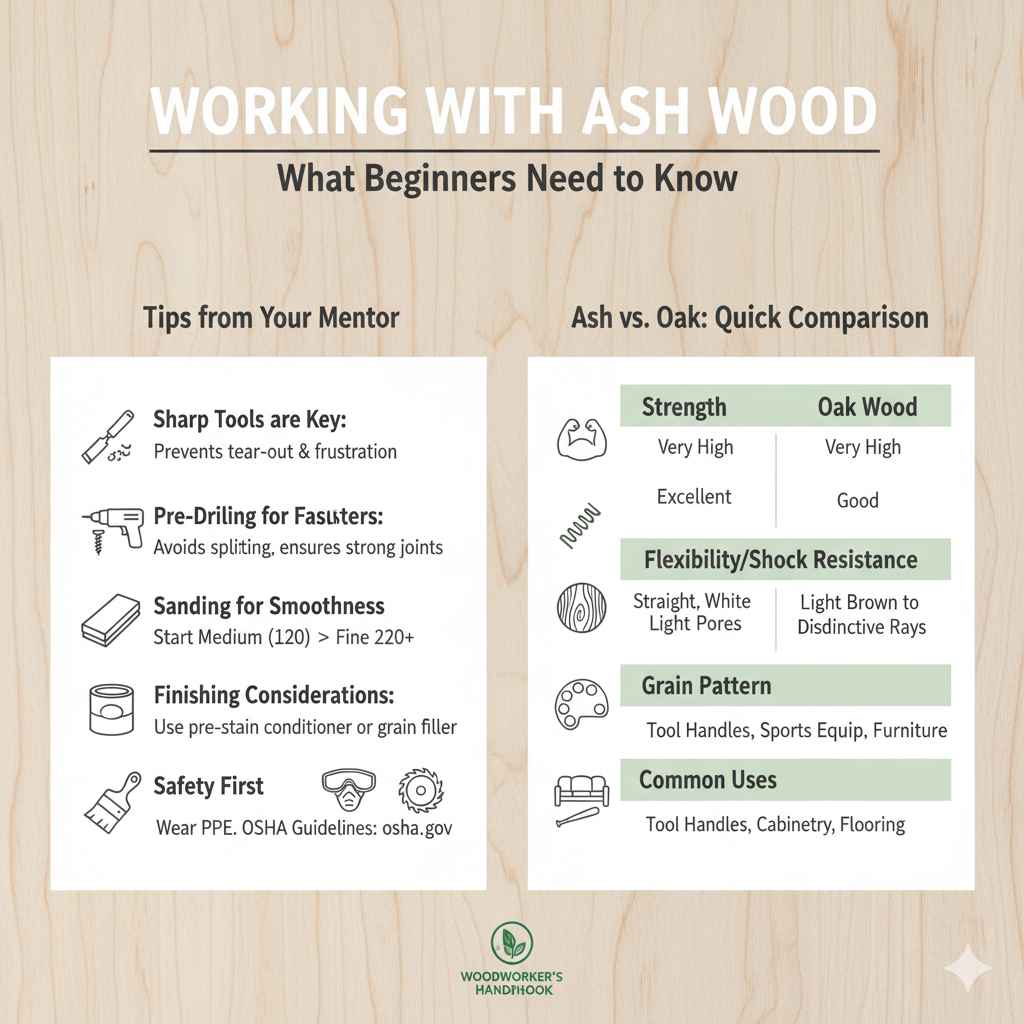
1. Sharp Tools are Key: Ash is a hardwood, so using sharp blades on your saws and sharp edges on your chisels will make a world of difference. Dull tools will lead to tear-out and frustration.
2. Pre-Drilling for Fasteners: Always pre-drill holes before driving screws or nails, especially near the ends of boards. This prevents the wood from splitting and ensures a strong connection. A pilot hole slightly smaller than the screw thread is usually perfect.
3. Sanding for Smoothness: Ash can be sanded to a very smooth finish. Always start with a medium grit (like 120) and work your way up to finer grits (180, 220, or even higher) for a silk-like surface that’s ready for finishing.
4. Finishing Considerations: Ash’s open grain can sometimes lead to blotching when staining, especially with dark stains. A pre-stain wood conditioner can help ensure an even finish. Alternatively, you can embrace the open grain with a grain filler for a perfectly smooth surface.
5. Safety First: Always wear safety glasses when cutting or shaping wood. Use dust masks to avoid inhaling wood dust, and be mindful of your hand placement around power tools. You can find excellent safety guidelines from the Occupational Safety and Health Administration (OSHA) at https://www.osha.gov/.
Ash vs. Oak: A Quick Comparison
Many woodworkers consider oak when thinking about strong, durable hardwoods. Here’s how ash stacks up against its common cousin:
| Feature | Ash Wood | Oak Wood (Red/White) |
|---|---|---|
| Strength | Very High (Similar to Oak) | Very High |
| Flexibility/Shock Resistance | Excellent (Often Superior to Oak) | Good |
| Grain Pattern | Straight, Medium to Coarse Texture, Open Pores | Prominent, Open Grain, Distinctive Rays (especially in White Oak) |
| Color | Creamy White to Light Brown | Light Brown to Reddish-Brown |
| Machinability | Moderate (Slightly Easier than Oak) | Moderate (Can be Prone to Splintering) |
| Finishing | Takes Stain Very Well, Can Show Grain Clearly | Takes Stain Well, Can be Fillered for Smoother Finish |
| Common Uses | Tool Handles, Sports Equipment, Furniture, Flooring | Furniture, Cabinetry, Flooring, Barrels, Outdoor Projects |
As you can see, while both are fantastic hardwoods, ash often wins out for applications requiring superior shock absorption and flexibility.
FAQs About Ash Wood
Here are some common questions beginners have about ash wood answered simply:
Is ash wood good for beginners?
Yes, ash wood is a great choice for beginners! It’s a hardwood, but it’s generally easier to work with than some other hardwoods like oak or hickory. It cuts, sands, and finishes well, and it’s forgiving for those still learning the ropes of woodworking.
Is ash wood expensive?
Compared to some premium hardwoods like walnut or mahogany, ash is typically more affordable. Its price can vary depending on your location and the specific grade of lumber, but it often offers excellent value for its strength and beauty.
What’s the biggest advantage of ash wood?
The biggest advantage of ash wood is its exceptional combination of strength, flexibility, and shock resistance. This makes it ideal for tools, sporting goods, and furniture that need to withstand impact and wear.
Does ash wood splinter easily?
Ash wood is reasonably resistant to splintering, especially when worked with sharp tools and proper techniques. However, like all hardwoods, it’s always a good idea to pre-drill for fasteners and sand surfaces smooth to minimize any potential for splinters.
How does ash wood finish?
Ash wood finishes beautifully! Its clear grain and light color make it versatile. It takes stains evenly, allowing for rich colors, and also looks stunning with clear coats that highlight its natural beauty. You can use a pre-stain conditioner to ensure an even stain application.
Is ash wood good for outdoor furniture?
While ash is strong and durable, it’s not as naturally resistant to rot and insects as some other woods (like cedar or redwood) or treated lumber. If you plan to use ash for outdoor furniture, it’s crucial to apply a high-quality exterior finish and maintain it regularly to protect it from the elements.
What kind of projects is ash wood NOT good for?
Ash is not the best choice for projects that require extreme resistance to moisture or decay without significant protection, such as boat building or permanent outdoor structures in harsh environments. It’s also less ideal for intricate carving if you’re looking for a very fine, detailed grain pattern, as its pores are larger.
Conclusion: Why Ash Wood Deserves a Spot in Your Workshop
So, there you have it! Ash wood is a remarkably versatile and beneficial material for any woodworker, from the absolute beginner to the seasoned pro. Its impressive strength, fantastic flexibility, and shock resistance make it perfect for demanding applications, while its attractive grain and ease of finishing allow for beautiful furniture and decorative pieces.
When you’re looking for a hardwood that offers durability, a touch of elegance, and works well with your tools, ash should definitely be on your radar. It’s a wood that can help you achieve professional-looking results and build projects that stand the test of time. Don’t hesitate to pick up some ash for your next project. You’ll find it’s a rewarding wood that’s sure to impress! Happy building!