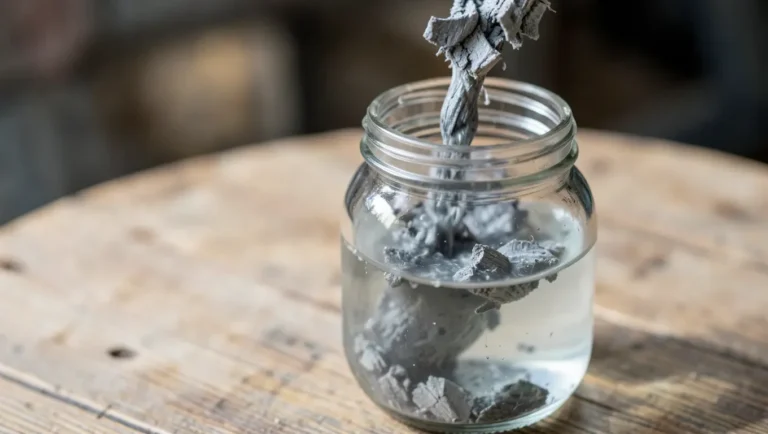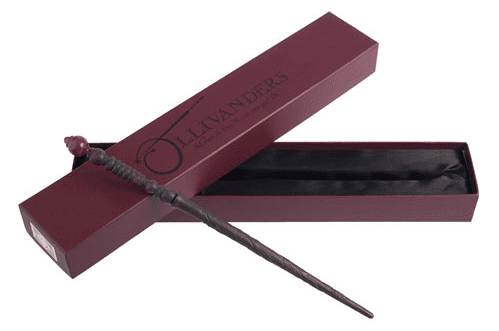
What Does an Ash Wood Wand Mean?
An ash wand, per J.K. Rowling’s wandlore, chooses courageous, steadfast owners — never the arrogant or brash — and famously “cleaves to its one true master.” That’s fiction, but the wood behind it is real: ash’s Janka hardness of 1,320 lbf combines with exceptional shock absorption, the same trait that lets a baseball bat survive years of impact. This guide covers Ollivander’s actual notes, the real wood science, and how ash compares to oak, maple, and birch.
What Does an Ash Wand Mean in Ollivander’s Wandlore?
Best Wand-Carving Kit Pick
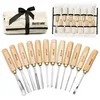
HURRICANE 12-Piece Wood Carving Tool Set with Ash Wood Handles
A 12-piece carving set with ash-wood handles — fitting, given the topic — enough blade variety to rough out a wand shape and finish the detail work.
- Best for: shaping a wand-length blank from scratch with a full blade range
- Why we picked it: ash-wood handles keep the theme, and 60CRV steel holds an edge through a full project
- Main drawback: 12 blades is more than one wand strictly needs — overkill if this is a one-off project
Compare more wand-carving options
 Option 1 BeaverCraft DIY04 Wood Spoon Carving Kit for Beginners
|
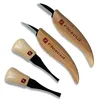 Option 2 Flexcut KN600 Beginner Palm & Knife Set, Ashwood Handles
|
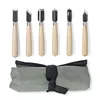 Option 3 Wood Carving Chisel Set with Canvas Case
|
As an Amazon Associate we earn from qualifying purchases.
In the Harry Potter books, Ollivander describes ash as a wood suited to witches and wizards who are steadfast in their beliefs and not lightly swayed. There’s an old rhyme in the wandlore — “ash is stubborn” — and the ideal owner “will certainly be courageous, but never crass or arrogant.” Anyone brash or over-confident who tries an ash wand is said to get disappointing results.
Ash wands also have a reputation for loyalty. Per the official Wizarding World wand-woods notes, an ash wand “cleaves to its one true master and ought not to be passed on or gifted from the original owner, because it will lose power and skill.” That’s why hand-me-down ash wands (like Ron’s, below) don’t perform as well as a wand chosen for its owner directly.
Personality Traits Suited to an Ash Wand
- Steadfast — not easily talked out of a position once it’s decided
- Courageous, not arrogant — brave without needing to prove it
- Loyal to one person — ash wands are described as difficult to share or pass down
- Quietly confident — the wood is associated with prestige and nobility, not showmanship
Famous Ash Wand Owners in the Books
Cedric Diggory carried a 12¼-inch ash wand with unicorn hair, described in the books as “pleasantly springy.” Ron Weasley used an ash-and-unicorn wand he inherited from his older brother Charlie — a hand-me-down that fits the “loses power when passed on” rule above — until it was destroyed when the Weasleys’ flying Ford Anglia crashed into the Whomping Willow in his second year.
If you’d rather own the real thing than just read about it, an ash blank and a basic knife set will get you a lot closer to a working wand than any of Ollivander’s mysticism.
Why Ash Was Chosen for Wandlore: The Real Wood Science
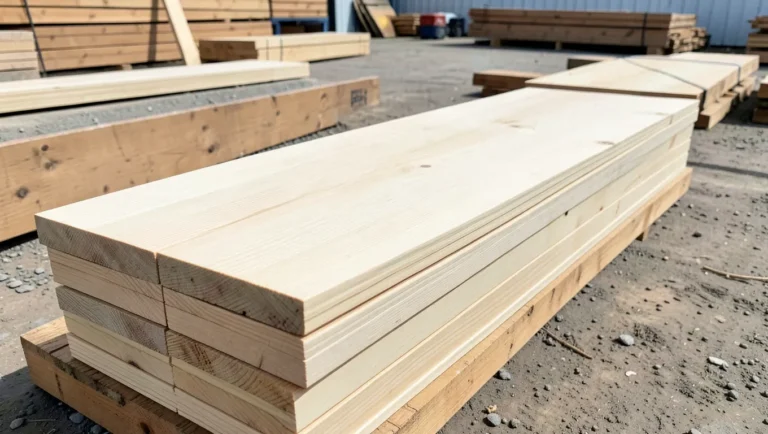
Fiction aside, ash earned its place in wandlore honestly. Ash has a Janka hardness of 1,320 lbf — harder than red oak (1,290 lbf) and just under white oak (1,360 lbf) — but hardness alone doesn’t explain why it’s the standard wood for baseball bats and axe handles. What matters is how that hardness pairs with elasticity: ash’s large earlywood pores absorb impact energy while its denser latewood provides a rigid backbone, so the wood bends and springs back instead of splitting. That’s very likely the real-world trait behind the books’ repeated description of ash wands as “pleasantly springy.”
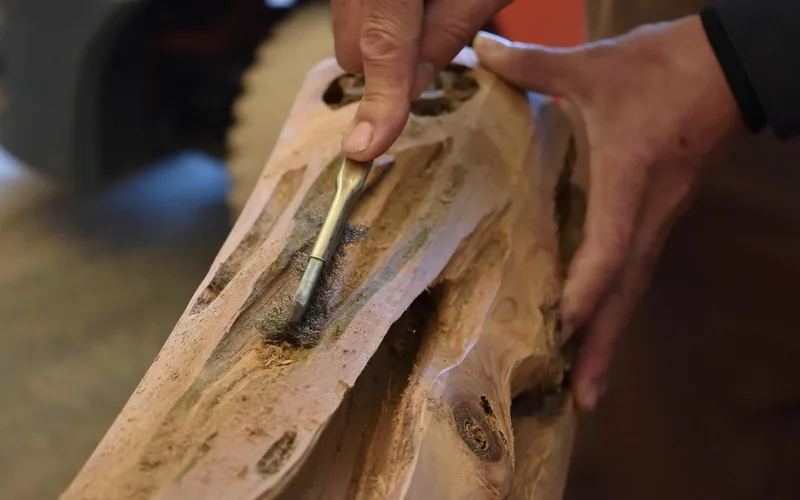
📊 Ash: 1,320 lbf Janka hardness, straddling red oak (1,290) and white oak (1,360) — Source: 8 Billion Trees Janka Hardness Scale Chart
Straight Grain and Flexibility
Ash also has an unusually straight, even grain compared to most hardwoods. For a woodworker, that means fewer surprise knots or grain reversals to fight through while carving — which is exactly what you want in a thin, foot-long piece of wood that’s meant to flex without snapping. It’s also why ash rates as a true hardwood despite feeling lighter in the hand than oak.
Ash vs. Other Wand Woods, by the Numbers
Ollivander’s shop stocks wands in dozens of woods, and the books assign each one a different temperament. Strip away the folklore and the real Janka hardness numbers explain a lot of it — harder woods carve into stiffer wands, softer woods into more flexible ones.
| Wood | Janka Hardness | Real-World Feel |
|---|---|---|
| Ash | 1,320 lbf | Hard but springy — bends before it breaks |
| White oak | 1,360 lbf | Slightly harder than ash, less flex, resists rot |
| Red oak | 1,290 lbf | Just under ash, similar stiffness |
| Hard (sugar) maple | 1,450 lbf | Denser and heavier than ash, less give |
| Yellow birch | 1,260 lbf | Close to ash in hardness, smoother finish |
| Elder | Very soft, pithy | Naturally hollow branches — workable but fragile, the opposite of ash |
If you want the full comparison — including cost per cubic inch and which woods actually carve easiest with hand tools — see all 8 wand-wood options ranked by hardness and price.
Ash Wood in Real-World Folklore
Ash’s magical reputation didn’t start with Ollivander. In Norse mythology, the world tree Yggdrasil is traditionally described as an ash, connecting the nine worlds of Norse cosmology. European folk tradition separately associated ash branches with protection and healing, long before any wandlore was written. For the fuller history — not specific to wands — see our guide to ash wood’s broader symbolism, history, and uses.
Caring for a Real Ash Wand or Replica
If you own a carved ash wand or a replica prop, treat it like any other piece of finished hardwood: keep it out of direct sunlight so the finish doesn’t fade or the wood doesn’t dry and crack, store it somewhere with stable humidity rather than a damp bathroom or a hot car, and wipe it with a soft cloth rather than water, which raises the grain on bare wood. A light coat of wood conditioner or wax once or twice a year keeps bare ash from drying out at the ends — the same advice that applies to any ash tool handle.
If ash wood interests you beyond wandlore, see our guide to ash wood in magic and ritual practice for wand-carving techniques and folklore-based rituals.Frequently Asked Questions
What Does an Ash Wood Wand Mean in Harry Potter?
In Ollivander’s wandlore, an ash wand suits owners who are courageous, steadfast, and “never crass or arrogant.” It’s described as a stubborn wood that “cleaves to its one true master,” performing best for the witch or wizard it originally chose rather than a later owner.
Why Is Ash Wood Good for Wands?
Ash has a Janka hardness of 1,320 lbf with unusually high shock absorption, the same combination that makes it the standard wood for baseball bats and axe handles. Its straight, even grain bends under stress instead of snapping, which likely explains why the books describe ash wands as “pleasantly springy.”
Which Harry Potter Characters Have Ash Wands?
Cedric Diggory carried a 12¼-inch ash wand with unicorn hair. Ron Weasley inherited an ash-and-unicorn wand from his brother Charlie and used it until it was destroyed when the family’s Ford Anglia crashed into the Whomping Willow in his second year.
Is Ash Wood Used for Anything Besides Wands?
Yes. Ash is one of the most common woods for baseball bats, axe and hammer handles, and, in Norse mythology, is linked to Yggdrasil, the world tree. Its shock resistance is a practical, well-documented trait, not just a fictional one.
Can You Actually Carve a Wand From Ash Wood?
Yes. Ash’s straight grain and moderate hardness (1,320 lbf) make it workable with basic carving knives, though its density means it dulls edges faster than softer woods like basswood — sharpen your blade more often than you would for a beginner spoon-carving project.
Conclusion
An ash wand’s meaning comes from two different places that happen to line up: Ollivander’s fictional wandlore, which reserves it for the steadfast and courageous, and the wood’s real Janka-1,320 hardness and shock absorption, which genuinely does bend before it breaks. Whether you’re picking a wand for a character, a cosplay build, or a real carving project, that combination of hard-but-springy is what makes ash the wood people keep coming back to. Browse the full ash wood category for more on how this species performs outside of fiction, or see how ash stacks up against 7 other wand-wood options by hardness and cost.
Sponsored / affiliate links. As an Amazon Associate I earn from qualifying purchases. I may earn additional commission from eligible campaigns.