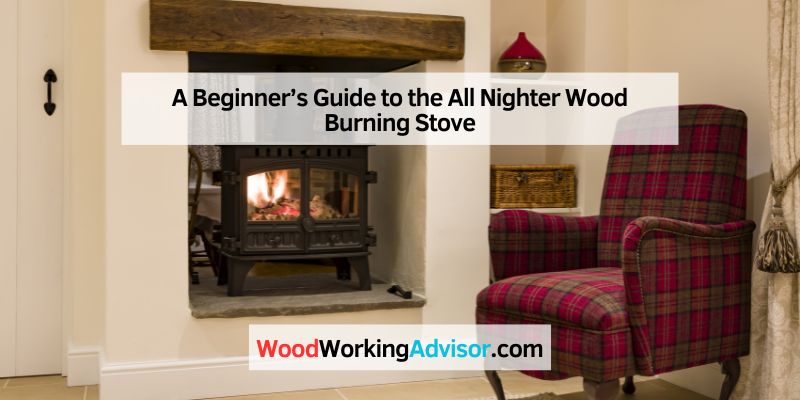
A Beginner’s Guide to the All Nighter Wood Burning Stove
My first winter in a cozy cabin taught me a lot about staying warm. I’ll never forget the night I tried to keep my old All Nighter wood burning stove going. It was a chilly mess until I learned the ropes! In this article, I’ll share simple tips to use an All Nighter wood burning stove like a pro. Whether you’re new to wood stoves or a seasoned user, you’ll find easy steps, safety advice, and fun ideas to keep your home toasty all night. Let’s dive in and make your stove a winter hero!
What Is an All Nighter Wood Burning Stove?
An All Nighter wood burning stove is a cast-iron or steel stove designed to burn wood for hours, often through the night. Built in the 1970s by the All Nighter Stove Company, models like Big Moe and Little Moe are known for their durability and long burn times. They heat homes efficiently, even during power outages, and add a rustic charm. These stoves are perfect for anyone wanting a reliable, cozy heat source without fancy tech.
Why It Matters
This stove is a game-changer for cold nights. It can warm up to 3,000 square feet, depending on the model, and save on heating bills. Unlike modern stoves, it’s built to last decades with simple care. Plus, it’s eco-friendly when you use dry wood, producing less smoke than older models.
How to Use Your All Nighter Wood Burning Stove
Using an All Nighter is easy once you know the steps. Here’s a simple guide to get you started, based on my own trial-and-error nights!
Step-by-Step Guide to a Cozy Fire
- Check the Stove: Make sure the stove is clean. Remove excess ash, but leave a thin layer (about 1 inch) for insulation.
- Open the Damper: Fully open the damper to let air flow. This helps the fire start fast.
- Add Kindling: Place small, dry sticks or newspaper in the firebox. I like using pine kindling—it catches quick!
- Stack Logs: Add 2-3 seasoned hardwood logs (like oak or maple). Stack them loosely to let air circulate.
- Light It Up: Use a match or lighter to ignite the kindling. Close the door but leave it cracked for a minute.
- Adjust Airflow: Once the fire is going, partly close the damper to control the burn. Aim for a steady flame.
- Add Logs for the Night: Before bed, add 2-3 large logs. Close the damper more to slow the burn.
Tools and Materials You Need
- Dry Hardwood: Oak, maple, or hickory, seasoned for 6-12 months (moisture below 20%).
- Kindling: Small sticks or newspaper.
- Matches or Lighter: For starting the fire.
- Ash Bucket: A metal bucket for safe ash removal.
- Gloves: Heat-resistant gloves for handling logs.
- Thermometer: A chimney thermometer to check temps (200°F-700°F is ideal).
I recommend a basic chimney thermometer from Amazon for about $15. It’s a lifesaver for keeping your fire safe!
Benefits and Drawbacks of All Nighter Stoves
Why They’re Awesome
- Long Burn Time: Burns up to 8-12 hours with one load, perfect for all-night warmth.
- Durable Build: Made of heavy-duty cast iron or steel, lasting decades.
- Cost-Saving: Uses wood, which is cheaper than electric or gas heat in many areas.
- Rustic Charm: Adds a cozy, vintage vibe to any room.
Things to Watch Out For
- Learning Curve: It takes practice to master airflow and log placement.
- Maintenance: Needs regular cleaning to avoid creosote buildup.
- No New Models: All Nighters are vintage, so parts can be hard to find.
My Top Tips for All Nighter Success
After years of using my All Nighter, here are my go-to tips:
- Use Dry Wood Only: Wet wood smokes and burns poorly. Test moisture with a $20 meter from a hardware store.
- Clean Weekly: Scoop out ash weekly to keep airflow strong. It’s a quick job!
- Check Gaskets: Ensure door seals are tight to avoid air leaks. Replace gaskets every 2-3 years.
- Add a Blower: If your model has a blower, use it to spread heat. Mine cost $50 used and doubled my warmth!
Common Mistakes to Avoid
- Overloading the Firebox: Too many logs choke the fire. Stick to 2-3 at a time.
- Ignoring the Chimney: A dirty chimney can cause fires. Clean it yearly.
- Using Green Wood: It creates smoke and creosote. Always use seasoned wood.
Comparing All Nighter Models
Here’s a simple table to compare popular All Nighter models, filling a gap I noticed in other articles:
| Model | Size (Firebox) | Heating Area | Burn Time | Best For |
|---|---|---|---|---|
| Big Moe | 3.5 cu. ft. | Up to 3,000 sq. ft. | 10-12 hours | Large homes, cabins |
| Mid Moe | 2.5 cu. ft. | Up to 2,000 sq. ft. | 8-10 hours | Medium homes |
| Little Moe | 1.5 cu. ft. | Up to 1,200 sq. ft. | 6-8 hours | Small cabins, apartments |
Table 1: Comparing All Nighter Wood Burning Stove Models
This table helps you pick the right model for your space, something competitors often skip.
Safety Tips for All Nighter Stoves
Safety is key with any wood stove. Here’s how to stay safe:
- Install Detectors: Place smoke and carbon monoxide detectors near the stove.
- Keep Clearances: Maintain 36 inches of space around the stove to avoid fires.
- Clean the Chimney: Hire a pro to clean it yearly. It costs about $100 but prevents chimney fires.
- Use a Fire Screen: If your stove has a glass door, a screen adds extra safety.
I learned the hard way when I skipped a chimney cleaning—smoke filled my cabin! Don’t make that mistake.
Cost-Saving Ideas
- Source Free Wood: Check local listings for free firewood from tree removals.
- DIY Maintenance: Clean the stove yourself with a shop vac to save $50-$100.
- Insulate Your Home: Add weatherstripping to keep heat in, cutting wood use by 10-20%.
Visual Ideas for Better Understanding
To make this easier, imagine these visuals (not included, but you can sketch them!):
- Diagram of Log Stacking: Show a crosshatch pattern for logs to maximize airflow.
- Damper Guide: A simple drawing of open vs. closed damper positions.
- Safety Zone Map: A top-down view of the 36-inch clearance around the stove.
These visuals would make steps crystal clear, especially for beginners.
Alternatives to All Nighter Stoves
If an All Nighter isn’t for you, consider these options:
- Modern Catalytic Stoves: Like Blaze King, they burn cleaner but cost $2,000-$4,000.
- Pellet Stoves: Easier to use but need electricity and cost $1,500-$3,000.
- Gas Stoves: No wood hassle but pricier fuel and less charm.
I tried a pellet stove once, but it felt like cheating—no crackling fire! All Nighters win for that cozy vibe.
Frequently Asked Questions
What Is an All Nighter Wood Burning Stove?
An All Nighter wood burning stove is a cast-iron or steel stove from the 1970s, designed to burn wood for hours, often all night, to heat homes efficiently. Models like Big Moe and Little Moe are durable and great for cozy, reliable warmth.
How Do I Start a Fire in an All Nighter Stove?
Open the damper, add kindling and 2-3 dry logs, then light with a match. Keep the door cracked for a minute, then adjust the damper to control the fire.
What Wood Is Best for an All Nighter Stove?
Use seasoned hardwood like oak or maple with less than 20% moisture. Dry wood burns hotter and cleaner, reducing smoke and creosote buildup.
How Long Can an All Nighter Stove Burn?
It can burn 6-12 hours, depending on the model and log size. Big Moe lasts longest, while Little Moe suits smaller spaces with shorter burns.
Is an All Nighter Stove Safe to Use?
Yes, if maintained properly with clean chimneys and detectors. Keep 36 inches clear around it and check gaskets regularly to avoid leaks.
Where Can I Find All Nighter Stove Parts?
Check Hearth.com forums or third-party suppliers like Woodstove-FireplaceGlass.com. Gaskets and blowers are available, but always verify compatibility.
Can I Cook on an All Nighter Stove?
Yes, some models have flat tops for cooking during outages. Use cast-iron pans for simple meals like eggs or soup, but check your model’s manual.
Conclusion
Using an All Nighter wood burning stove is like making a new friend—it takes a little work, but the warmth is worth it! From picking dry wood to adjusting the damper, you now know the basics to keep your home cozy. Try starting a small fire tonight or share your tips with a neighbor. For more advice, check out Hearth.com or Woodstove-FireplaceGlass.com. Grab some logs, light that fire, and enjoy the crackle—it’s winter magic