Almond vs Oak Firewood: Essential Comparison
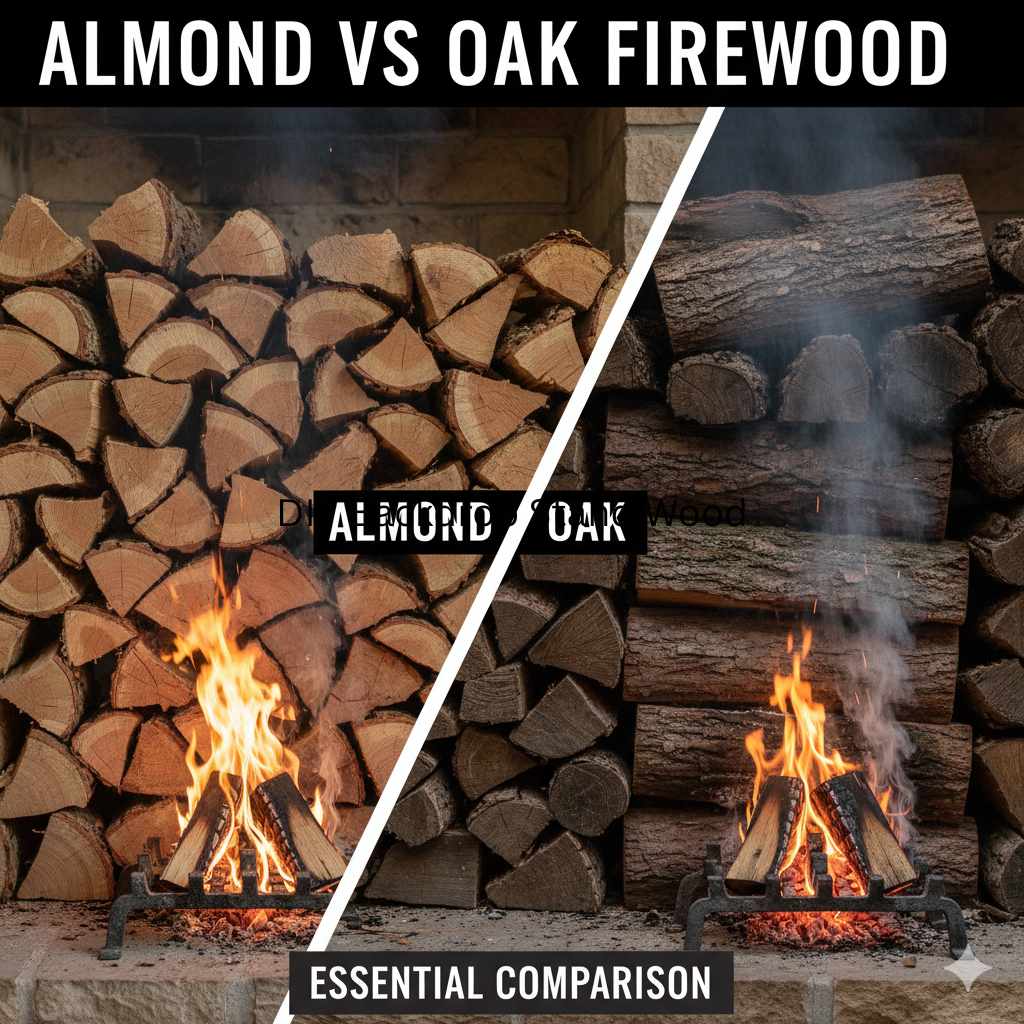
Almond vs Oak Firewood: Which Burns Brighter for Your Home? For a warm, long-lasting fire, oak firewood is generally superior due to its high density and excellent heat output. While almond firewood offers a unique aroma, it burns faster and hotter, making it less ideal for sustained heating.
Choosing the right firewood can seem a bit puzzling when you’re just starting out. You might see piles of different woods at the local yard and wonder, “Which one is best?” The truth is, not all firewood is created equal. Some woods burn easily but quickly, while others take a bit more effort to get going but provide a cozy warmth that lasts for hours. This is where understanding different wood types, like almond and oak, becomes super helpful. Don’t worry, we’ll break down everything you need to know in a way that’s easy to grasp. We’ll look at how they burn, what kind of heat they give off, and whether they’re right for your fireplace or wood stove. By the end of this, you’ll feel confident picking the perfect wood for your next cozy evening.
Almond vs Oak Firewood: A Beginner’s Guide
As Md Meraj, your woodworking mentor, I’ve seen firsthand how the right materials can make all the difference in a project – and that includes the wood you use for your fire! Many beginners face the common frustration of choosing firewood. You want a fire that’s easy to start, provides good heat, and lasts a decent amount of time without a lot of smoky mess. It’s a common stumbling block, but it doesn’t have to be!
This guide is designed to clear up the confusion between two popular choices: almond and oak firewood. We’ll explore their unique characteristics, helping you understand which one will best suit your needs, whether you’re looking for a quick, fragrant burn or a steady, long-lasting heat source. By the time we’re done, you’ll have the knowledge to make an informed decision and enjoy a perfectly burning fire every time.
Understanding Firewood Basics
Before we dive into the specifics of almond and oak, let’s cover a few basics about firewood that every beginner should know. The type of wood matters because different trees have different densities, moisture content (when seasoned properly), and burning properties.
Seasoned Wood: This is wood that has been dried for at least 6-12 months, ideally longer. Proper seasoning is crucial because it significantly reduces the moisture content. Wet wood is hard to light, burns poorly, produces a lot of smoke, and can create creosote (a flammable tar-like substance) in your chimney. Always look for seasoned firewood!
Hardwood vs. Softwood: Generally, hardwoods (like oak) come from deciduous trees (those that lose their leaves) and are denser. They tend to burn longer, hotter, and cleaner than softwoods (like pine or fir), which come from coniferous trees.
BTU (British Thermal Unit): This is a measure of the heat energy a log can produce. Higher BTU means more heat from the same amount of wood.
Knowing these basics will help you appreciate the differences between almond and oak even more.
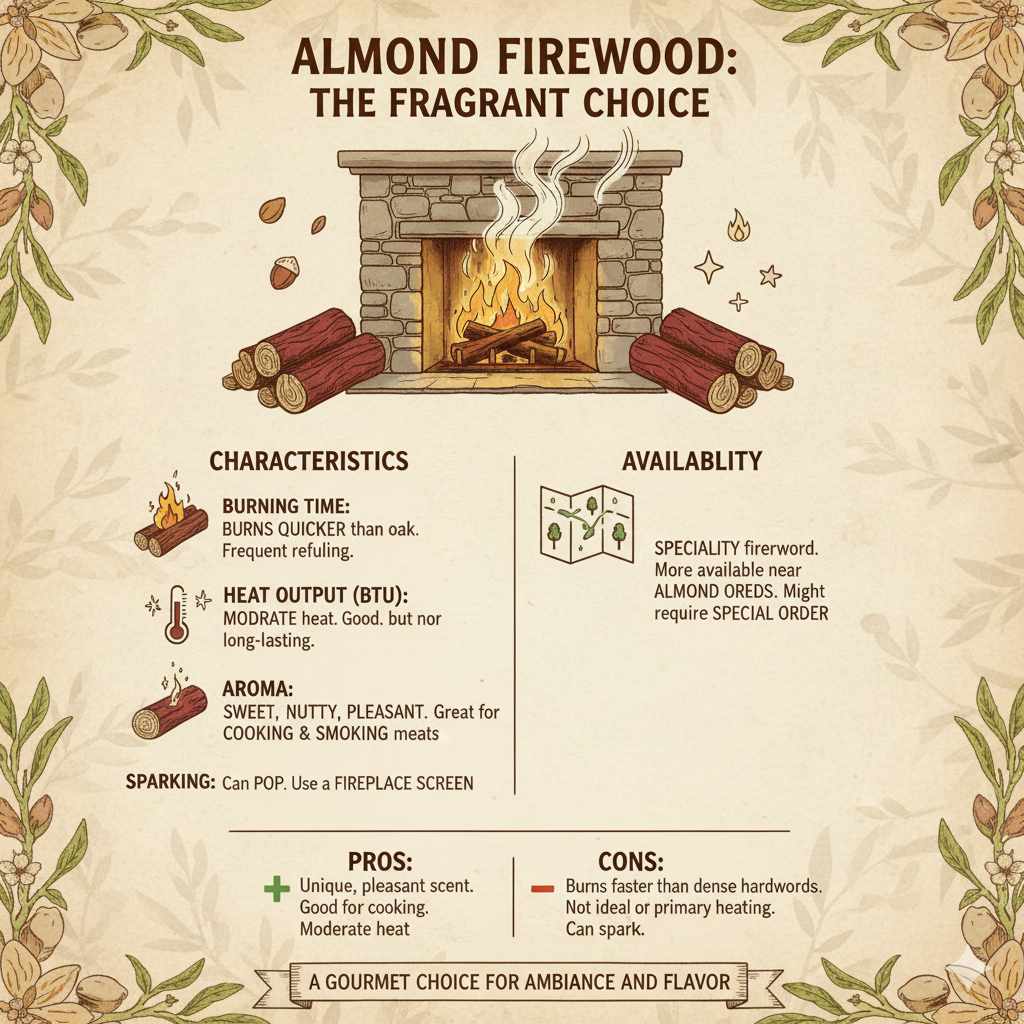
Almond Firewood: The Fragrant Choice
Almond wood comes from almond trees, which are fruit-bearing trees. When they are pruned or reach the end of their useful life, their wood can be harvested for firewood. It’s often considered a specialty firewood, not as common as oak or maple, but it has its own unique appeal.
One of the most distinctive features of almond firewood is its aroma. When it burns, it releases a sweet, nutty, and pleasant scent. This makes it a popular choice for cooking, especially for smoking meats, where its subtle fragrance can impart a delicious flavor. However, for general heating purposes, there are a few things to consider.
Characteristics of Almond Firewood
Burning Time: Almond wood is generally considered a medium-density hardwood. It burns more quickly than denser hardwoods like oak. This means you’ll need to refuel your fire more often if you’re using it solely for heating.
Heat Output (BTU): While it’s hardwood, its BTU output is typically moderate. It will provide good heat, but not as intense or long-lasting as some of the densest hardwoods.
Aroma: As mentioned, its sweet, nutty aroma is a major draw. This scent is pleasant and not usually associated with the acrid smell that sometimes comes from lesser-quality firewood.
Sparking: Some users report that almond wood can spark and pop more than other hardwoods. This is something to be mindful of, especially if you have an open fireplace. Using a fireplace screen is always a good safety measure.
Availability: Almond firewood is not as widely available as common firewood types in many regions. If you live in an area with almond orchards, you might find it more readily. Otherwise, it might be a specific order from a specialty firewood supplier.
For those who appreciate a unique scent and a moderately good burn, almond firewood can be a delightful choice, especially for a smaller, more casual fire or for cooking. However, if your priority is maximum heat and long burn times for heating your home, you might find it lacking compared to other options. It’s a bit like choosing a fancy gourmet ingredient for a special dish versus a sturdy, reliable staple for everyday cooking.
Oak Firewood: The Reliable Workhorse
Oak firewood is one of the most popular and widely recommended hardwoods for fireplaces and wood stoves. It’s known for its excellent burning characteristics and consistent performance, making it a go-to choice for many homeowners. There are several species of oak, like white oak and red oak, but all generally share beneficial burning qualities.
Oak is a dense hardwood. This density is the key to its excellent performance as firewood. It requires more effort to split and can take longer to season, but the rewards are well worth the work. When you think of a perfect, long-burning fire, oak is often what comes to mind.
Characteristics of Oak Firewood
Burning Time: Oak is a slow-burning hardwood. Its high density means that once it ignites, it burns for a long time, steadily releasing heat. This makes it ideal for maintaining a fire throughout the evening or overnight.
Heat Output (BTU): Oak has a high BTU rating, meaning it produces a significant amount of heat. A seasoned oak log will provide more warmth for a longer duration compared to many other types of firewood. You can generally expect a high BTU output from oak, often in the range of 25-30 million BTUs per cord, depending on the specific species and dryness. For comparison, a cord of pine might yield only 15-20 million BTUs.
Aroma: Oak burns with a relatively mild and pleasant aroma. It’s not as distinct or sweet as almond, but it’s a clean, classic wood-burning scent that many find comforting. It doesn’t typically produce strong, acrid smoke.
Sparking: Oak is known for burning cleanly with minimal sparking or popping, especially when well-seasoned. This makes it a safer choice for open fireplaces, as it reduces the risk of embers flying out.
Availability: Oak is widely available in many regions. It’s a common tree species, and therefore, oak firewood is usually easy to find from local suppliers, often at competitive prices.
Because of its superior burning qualities—long burn times, high heat output, and clean burning—oak is frequently considered the gold standard for firewood by many experienced users. It’s the reliable friend that always shows up and performs exceptionally well, making it a fantastic choice for anyone looking to heat their home effectively and efficiently with a wood-burning appliance.
Direct Comparison: Almond vs. Oak Firewood
Let’s put almond and oak head-to-head to see how they stack up in key areas for anyone using firewood. Understanding these differences will help you choose the best wood for your specific needs.
| Feature | Almond Firewood | Oak Firewood |
| :—————— | :——————————————– | :————————————————- |
| Wood Type | Hardwood (fruit tree) | Hardwood (deciduous tree) |
| Density | Medium | High |
| Burning Time | Medium to Fast (burns quicker) | Slow to Very Slow (burns longer) |
| Heat Output (BTU) | Moderate to High | High to Very High |
| Aroma | Sweet, nutty, distinctive | Mild, pleasant, classic wood smoke |
| Sparking | Can be prone to sparking | Burns cleanly with minimal sparking |
| Seasoning Time | Average (typical for medium-density hardwood) | Longer (requires more time due to density) |
| Availability | Can be specialized, less common | Widely available, common |
| Cost | Can be higher due to specialized nature | Generally mid-range to high, good value |
| Best For | Cooking, smoking, aromatic fires | Home heating, long-lasting fires, steady warmth |
As you can see from the table, while both are hardwoods, their characteristics lead to very different burning experiences. If you’re looking for a sustained, powerful heat source for your home, oak is the clear winner. If you’re more interested in a unique aromatic experience, perhaps for a special occasion or outdoor cooking, almond might be appealing.
Pros and Cons of Almond Firewood
Like any material, almond firewood has its advantages and disadvantages. Knowing these can help you decide if it’s the right fit for your fire needs.
Pros:
- Pleasant Aroma: The sweet, nutty scent is a significant plus, especially for those who enjoy a unique fragrance. It’s often preferred for cooking applications.
- Good for Smoking Meats: Its subtle flavor-imparting smoke is a favorite among barbecue enthusiasts for smoking various meats.
- Hardwood Qualities: Despite burning faster than some hardwoods, it still offers decent heat and is cleaner burning than most softwoods.
- Unique Experience: For those looking for something different from the usual firewood, almond offers a distinct sensory experience.
Cons:
- Shorter Burn Time: It doesn’t last as long as denser hardwoods, meaning you’ll need to add logs more frequently.
- Moderate Heat Output: While good, its heat output isn’t as intense or sustained as oak or other very dense hardwoods, making it less ideal for primary home heating.
- Potential for Sparking: It can be “lively” in the fire, meaning more popping and sparking, which requires extra caution.
- Availability and Cost: It might be harder to find in some areas and could be more expensive than more common firewood types.
For a quick, fragrant fire or for culinary purposes, almond wood shines. However, for long, cozy evenings by the fire or reliable home heating, it might not be the most practical choice on its own.
Pros and Cons of Oak Firewood
Oak is a staple for a reason. Its reliability and performance make it a top choice for many wood-burning enthusiasts.
Pros:
- Excellent Burn Time: Oak burns slowly and steadily, providing warmth for extended periods. This means fewer trips to the woodpile.
- High Heat Output: It delivers a strong, consistent heat, making it very efficient for warming homes.
- Clean Burning: Well-seasoned oak burns with minimal smoke and creosote buildup, which is better for your chimney and air quality.
- Low Sparking: It tends to burn very calmly with very little popping, making it safer for various hearth setups.
- Widely Available: You can usually find oak firewood from local suppliers easily and often at a good price.
- Durable and Dense: Its hardness means it holds its shape well while burning, contributing to its long burn time.
Cons:
- Harder to Split: Its density makes oak logs tough to split, which can be a challenge if you’re processing your own firewood.
- Longer Seasoning Time: Due to its low moisture content and density, oak can often require longer to season properly compared to lighter woods. Ensure your oak is well-seasoned to get the best burn.
- Mild Aroma: While pleasant, its aroma is not as distinctive or “special” as fruitwoods like almond.
The cons of oak firewood are mainly related to its processing (splitting and seasoning). Once seasoned and lit, its performance as a heating fuel is hard to beat. For most homeowners looking to heat with wood, oak is an outstanding choice.
Choosing the Right Firewood for Your Needs
The best firewood for you boils down to what you want from your fire. Think about your goals:
For Home Heating: If your primary goal is to heat your home, a dense hardwood that burns long and hot is ideal. Oak, along with other hardwoods like maple, hickory, and ash, would be excellent choices. These woods provide sustained warmth and require less frequent tending.
For a Quick, Pleasant Fire: If you’re looking for a cozy fire for ambiance in the evening, and don’t need it to last all night, or if you enjoy a specific scent, a moderately dense hardwood like almond can be a good option. It will provide decent heat for a shorter period and add a unique scent to your home.
For Cooking or Smoking: For culinary applications, fruitwoods like almond, apple, and cherry are often preferred for the subtle, delightful flavors they impart to food.
* Ease of Use: Consider how you get your firewood. If you’re splitting your own, be prepared for the challenge of dense hardwoods like oak. If you’re buying seasoned firewood, ensure it’s from a reputable source.
Ultimately, the most important factor for any firewood is that it is properly seasoned. Regardless of whether you choose almond or oak, burning wet or unseasoned wood will lead to a poor-quality fire, lots of smoke, and potential dangers like creosote buildup. You can learn more about proper firewood seasoning and storage from resources like the University of Idaho Extension.
How to Safely Burn Firewood
No matter which type of firewood you choose, safe burning practices are paramount. As your woodworking mentor, I always emphasize safety first!
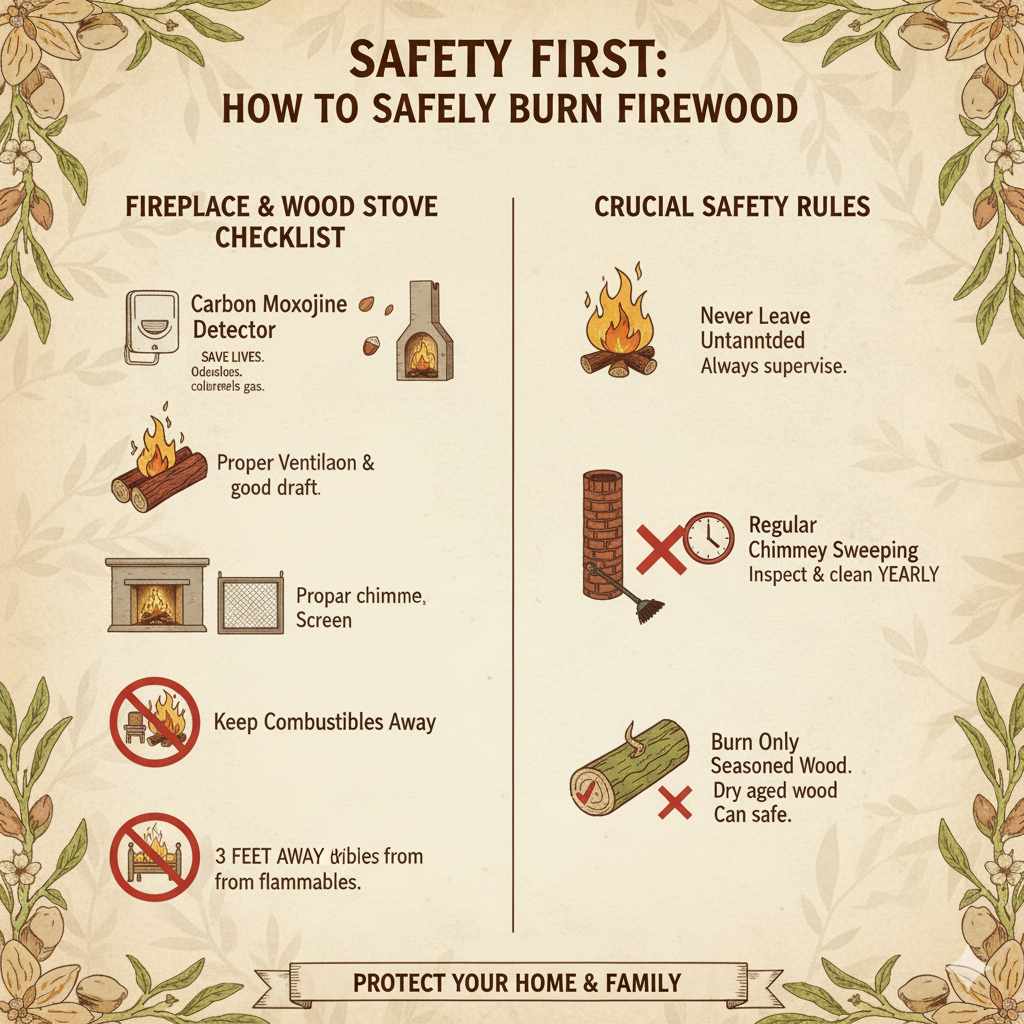
Fireplace and Wood Stove Safety Checklist:
- Install and Maintain a Carbon Monoxide Detector: This is non-negotiable. Carbon monoxide is an odorless, colorless gas produced by burning fuel. A detector can save lives. The U.S. Consumer Product Safety Commission (CPSC) offers vital information on CO safety.
- Ensure Proper Ventilation: Your fireplace or wood stove needs a well-functioning chimney and draft. Make sure it’s clear of obstructions and properly maintained.
- Use a Fireplace Screen: Especially with wood that might spark (like some almond), a sturdy screen prevents embers from escaping into your room.
- Keep Combustibles Away: Maintain a safe distance (generally at least three feet) between your fireplace or stove and any flammable materials like curtains, furniture, or rugs.
- Never Leave a Fire Unattended: Always supervise a burning fire.
- Regular Chimney Sweeping: Have your chimney inspected and cleaned by a professional at least once a year to remove creosote and prevent chimney fires.
- Burn Only Seasoned Wood: As we’ve discussed, unseasoned wood is inefficient and dangerous.
Following these safety tips will help ensure that your cozy fires remain safe and enjoyable. Remember, a little preparation and attention go a long way in preventing accidents.
Frequently Asked Questions (FAQs) about Almond vs. Oak Firewood
Here are some common questions beginners have about choosing and using firewood:
What is the best firewood for a beginner?
For beginners looking for an easy, reliable fire for home heating, oak is an excellent choice. It’s widely available, burns long and hot, and is relatively clean-burning when seasoned. Its forgiving nature for consistent heating makes it ideal for those new to wood-burning.
Which firewood creates the most heat?
Denser hardwoods generally produce the most heat. Oak, hickory, and maple are among the top performers. They have a high BTU output and burn for a long time, providing sustained warmth. So, while almond provides good heat, oak typically offers more.
Is almond firewood good for fireplaces?
Almond firewood can be used in fireplaces for ambiance or a short-term fire, especially if you enjoy its aroma. However, it burns faster and can spark more than denser hardwoods. If your primary goal is long-lasting heat or you have an open fireplace, oak might be a safer and more efficient choice.
How can I tell if firewood is seasoned?
Seasoned firewood will be lighter in weight than green (unseasoned) wood. The bark may be loose or peeling. The ends of the logs will typically show cracks or “checking.” When you knock two pieces together, seasoned wood makes a hollow clunking sound, while green wood makes a dull thud. It should also have a dry, slightly splintery texture rather than feeling smooth and fresh.