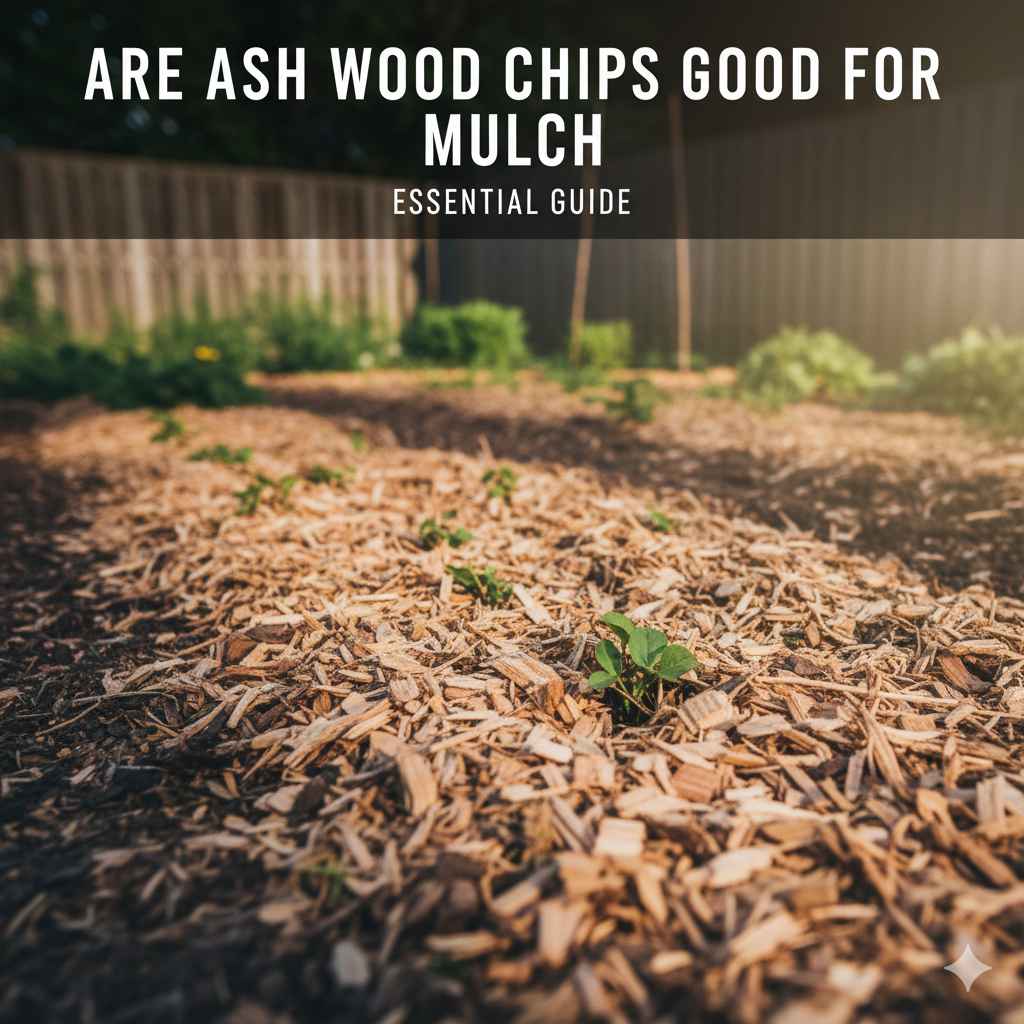
Are Ash Wood Chips Good For Mulch: Essential Guide
Yes, ash wood chips can be good for mulch, but with important caveats regarding quantity and type of ash. Properly prepared ash can offer benefits like soil pH adjustment and weed suppression when used thoughtfully.
Wondering if those wood chips from an ash tree are a good idea for your garden? It’s a common question for DIYers and gardeners alike! Sometimes, we end up with leftover wood from projects or tree trimming, and we want to use it wisely. Putting wood chips down as mulch sounds like a great way to save money and help the soil. But not all wood is created equal when it comes to mulching. Let’s clear things up about ash wood chips so you can make the best choice for your beloved plants and soil. We’ll break down exactly what you need to know to use them safely and effectively.
What Are Ash Wood Chips?
Ash wood chips come from the branches, trunks, and other parts of ash trees (genus Fraxinus). These trees are known for their hardwood, which is often used in furniture making, tool handles, and even baseball bats. When ash wood is chipped or ground up, the resulting material can be used for various purposes, including landscaping and gardening.
The characteristics of ash wood chips as mulch depend heavily on how they are processed and, importantly, the health of the tree they came from. Freshly chipped wood can have different properties than aged or composted wood. Understanding the source and preparation is key.
Are Ash Wood Chips Good For Mulch? The Pros and Cons
Like many natural materials, ash wood chips have their good points and their drawbacks when used as mulch. It’s important to weigh these before you decide to spread them around your garden beds. Think of it like choosing the right tool for a job – sometimes a tool is perfect, and sometimes it’s not the best fit.
Potential Benefits (Pros)
Ash wood chips can offer several advantages for your garden:
- Nutrient Content: Ash wood, especially if it’s from a healthy tree, can contain minerals like calcium and potassium. When these chips break down, they can release these nutrients into the soil, acting as a slow-release fertilizer. This is particularly beneficial for plants that thrive in slightly alkaline conditions.
- Soil pH Adjustment: Ash is alkaline. If your soil is too acidic (low pH) for the plants you’re growing, a small amount of ash can help to raise the pH, making it more neutral. Many vegetables and flowers prefer a pH closer to neutral. You can check your soil’s pH with a simple home testing kit from a garden center.
- Weed Suppression: A good layer of mulch, including ash wood chips, acts as a physical barrier. This prevents sunlight from reaching weed seeds in the soil, which is essential for their germination. This means fewer weeds for you to pull!
- Moisture Retention: Mulch helps keep the soil from drying out too quickly. By acting as a protective blanket, ash wood chips reduce evaporation from the soil surface, meaning you’ll need to water your plants less often, especially during hot, dry spells.
- Temperature Regulation: The layer of mulch insulates the soil. In the summer, it helps keep the soil cooler. In the winter, it can protect plant roots from harsh freezes and thaws.
- Aesthetic Appeal: Wood chips can give garden beds a neat, tidy, and uniform look. Ash wood chips, depending on their size and color, can complement the look of your garden.
Potential Drawbacks (Cons)
However, ash wood chips aren’t without their potential problems. Knowing these will help you avoid common mistakes:
- Alkalinity Issues: While beneficial for acidic soil, adding too much ash can make your soil too alkaline (high pH). Most plants prefer a slightly acidic to neutral pH. If the soil becomes too alkaline, essential nutrients can become locked up, making them unavailable to plants, leading to deficiencies.
- Potential for Compaction: Finely ground ash wood chips can sometimes compact over time, especially if they get very wet. Compacted mulch can prevent water and air from penetrating the soil, which is bad for roots.
- Nitrogen Depletion (Temporary): Like other woody mulches, ash wood chips are a carbon-rich material. As they break down, microorganisms in the soil use nitrogen to decompose them. This can temporarily tie up nitrogen, making it less available to plants. This is usually a minor concern with a balanced approach and is less of an issue with aged or partially composted wood chips.
- Disease and Pest Concerns: If the ash wood came from a diseased or pest-infested tree, there’s a risk of spreading those problems to your garden. It’s crucial to know the source of your wood chips. For example, ash trees attacked by the emerald ash borer might have issues that could potentially transfer.
- Chemical Contamination: Wood that has been treated with chemicals (like pressure-treated lumber) should NEVER be used as mulch. While ash itself isn’t treated, if the wood was from a construction site or a source where it might have come into contact with paints, sealants, or other chemicals, it should be avoided.
- Dust and Handling: Ash material can be dusty when dry. Handling large quantities might require respiratory protection like a mask.
When Ash Wood Chips Are NOT a Good Choice for Mulch
Understanding when not to use ash wood chips is just as important as knowing when they can be helpful. Here are the key situations to avoid:
- For Acid-Loving Plants: Plants like blueberries, azaleas, rhododendrons, and hydrangeas prefer acidic soil (low pH). Adding ash, which is alkaline, will counteract the soil conditions they need to thrive. This can lead to yellowing leaves and poor growth.
- In Large Quantities Without Testing: Simply piling ash wood chips on your garden without considering your soil’s current pH can cause more harm than good. It’s like taking medicine without knowing if you need it – the dosage or even the medicine itself might be wrong.
- Freshly Cut Ash from Unknown Sources: If you don’t know the history of the ash tree, especially if it was potentially diseased or treated with anything, it’s best to steer clear. The risk of introducing problems like pests or diseases outweighs the potential benefits.
- When Your Soil is Already Alkaline: Similarly, if you’ve already tested your soil and found it to be neutral or alkaline, adding more alkaline material like ash is a bad idea.
- Mixed with Other Treated Woods: Never use wood chips that might be contaminated with paint, stains, preservatives, or other chemicals. These can leach into the soil and harm your plants, beneficial soil organisms, and potentially even end up in the food you grow.
When Ash Wood Chips Can Be a Great Option
On the flip side, ash wood chips can be a fantastic addition to your garden under the right circumstances. Here’s a look at when they shine:
- To Raise the pH of Acidic Soil: If your soil test shows a pH below 6.0, a moderate application of ash can help bring it closer to the ideal range of 6.0-7.0 for many common garden plants.
- Around Alkaline-Tolerant Plants: Many vegetables and flowers actually prefer slightly alkaline soil. For example, lilacs, clematis, and some herbs like lavender do well in slightly higher pH conditions.
- As Part of a Diverse Mulch Mix: Instead of using only ash wood chips, consider mixing them with other organic mulches like shredded bark, straw, or compost. This creates a more balanced material that offers a wider range of benefits and reduces the risk of any single component causing issues. A good mix is often better than a monochrome approach.
- When Properly Aged or Composted: Wood chips that have sat for a while (aged) or have been partially composted will have started to break down. This process often reduces the risk of nitrogen tie-up and makes the nutrients more readily available.
- From Healthy, Untreated Trees: If you know the ash tree was healthy and the wood is free from any chemical treatments, you can be more confident in using its chips.
How to Prepare Ash Wood Chips for Mulch
Just like preparing lumber for a woodworking project, prepping ash wood chips for mulch ensures they work best. This process makes them safer and more effective for your garden.
- Source Wisely: Ensure the ash wood comes from a healthy tree. If you’re getting it from a tree service, ask about the tree’s health and if it had any known diseases or pest infestations (like emerald ash borer damage). Never use wood that has been chemically treated, painted, or stained.
- Chip It Up: If you have whole logs or larger pieces, you’ll need to chip them. A wood chipper or a stump grinder with a chipping attachment can do this. You can often rent these machines. For smaller amounts, heavy-duty shredders might work.
- Let Them Age: This is a crucial step, especially for fresh chips. Spread the chips in a pile or a thin layer outdoors for several months (3-6 months is often good). Aging allows some of the volatile compounds to dissipate and the wood to begin its decomposition process. This helps prevent nitrogen depletion in your soil and can break down any sharp edges.
- Check for Contaminants: During the aging process, keep an eye out for any signs of trouble. If you notice mold that looks unusual or if the chips continue to smell strongly of chemicals, it’s best to discard them or use them in a compost pile that gets very hot.
- Consider Mixing: Once aged, you can mix the ash wood chips with other organic materials. This creates a more balanced mulch.
Some gardeners even recommend turning ash (from fireplaces, not untreated ash wood chips) into a compost pile. The high carbon content can help balance a compost pile that might be too “green” or nitrogen-rich.
How to Use Ash Wood Chips as Mulch Safely and Effectively
Applying mulch is an art and a science, and using ash wood chips has a few specific considerations. Think of it like applying finish to a piece of furniture – a good, even coat is key.
Application Steps
- Test Your Soil First: Before you spread a single chip, test your soil’s pH. This is the most important step to avoid making your soil too alkaline. You can buy kits at garden centers or find local extension offices that offer testing.
- Determine Your Plant Needs: Understand what pH your plants prefer. If they like acidic soil, use ash chips sparingly or not at all. If they tolerate or prefer neutral to alkaline soil, you can use them more confidently.
- Clear Existing Weeds: Pull out any weeds that are already growing in the area where you plan to mulch. Mulch is best at preventing new weeds, not removing established ones.
- Apply a Layer: Spread a layer of the prepared ash wood chips around your plants. Aim for a depth of 2-4 inches. This is a good general guideline for most mulches.
- Keep Away from Stems and Trunks: Create a small gap of an inch or two between the mulch and the base of plant stems or tree trunks. This prevents moisture from getting trapped against the bark, which can lead to rot or attract pests. It also ensures good air circulation.
- Replenish as Needed: Organic mulches break down over time. You’ll need to reapply a fresh layer annually or every other year to maintain its effectiveness, usually in the spring before the growing season really kicks off.
Important Considerations for Application
- Quantity is Key: This cannot be stressed enough. For gardens with typical soil pH, start with a thin layer of ash wood chips, perhaps mixed with other mulches. You can gradually increase the amount over time if your soil test indicates it’s beneficial and your plants are responding well.
- Monitor Your Plants: After applying ash wood chips, keep a close eye on your plants. Look for signs of nutrient deficiency (like yellowing leaves) or stress. If you see problems, it might be time to adjust your mulching strategy or add amendments to balance the soil.
- Avoid Using Pure Ash: Never use pure ash from a fireplace directly as mulch. While tempting, it’s highly concentrated and can scorch plants or damage soil structure. Wood chips are less concentrated and easier to manage.
- Use as a Soil Amendment (Cautiously): In some cases, well-aged ash can be incorporated into the soil as an amendment to raise pH. However, this should only be done after a soil test and with careful consideration for the plants being grown.
Ash Wood Chips vs. Other Mulch Materials
How do ash wood chips stack up against other popular mulch options? Understanding these comparisons can help you make the best choice for your specific garden needs.
| Mulch Type | Pros | Cons | Best For |
|---|---|---|---|
| Ash Wood Chips | Can raise pH (alkaline), adds minerals (K, Ca), suppresses weeds, retains moisture. | Can make soil too alkaline if overused, potential nitrogen tie-up if fresh, risk of disease if from unhealthy wood. | Acidic soils, alkaline-tolerant {soil testing} needed for precise use. |
| Shredded Bark (Pine, Fir) | Aesthetically pleasing, breaks down slowly, good for acid-loving plants, good weed suppression. | Can be expensive, can mat down if applied too thick, can temporarily tie up nitrogen if fresh. | General garden beds, acid-loving plants, walkways. |
| Wood Chips (General) | Excellent weed suppression, retains moisture, regulates soil temperature, decomposes slowly, widely available. | Can tie up nitrogen if fresh, can mat down, can harbor pests if not sourced well. | General landscaping, tree bases, pathways. |
| Compost | Rich in nutrients, improves soil structure, excellent for feeding plants, great moisture retention. | Breaks down quickly, needs frequent replenishment, can be costly to buy in bulk. | Vegetable gardens, flower beds, as a soil amendment. |
| Straw/Hay | Inexpensive, good moisture retention, good insulation for winter. | Can blow away in wind, can harbor weed seeds (if not straw), decomposes quickly, can attract rodents. | Vegetable gardens, around newly planted shrubs, winter protection. |
| Newspaper/Cardboard | Excellent weed barrier, readily available, breaks down well, can be composted. | Can look messy until covered, inks can be a concern (though most are soy-based now), can blow away. | Weed barrier under other mulches, pathways. |
Comparing Their Impact on Soil pH
One of the most significant differences between mulch types is their effect on soil pH. Wood-based mulches, including ash wood chips, have varying impacts:
- Acidic Mulches: Some barks (like pine bark) and wood chips tend to slightly lower soil pH over time, making them good for acid-loving plants.
- Neutral Mulches: Aged wood chips and compost tend to be relatively neutral and don’t significantly alter pH.
- Alkaline Mulches: Ash from fireplaces (not wood chips, but the resulting ash) and, to a lesser extent, ash wood chips will raise soil pH. This is where ash wood chips stand out, and why careful use is essential.
For a deeper dive into understanding soil pH and its importance, resources from university extension programs, like those from University of Missouri Extension, offer valuable insights.
Frequently Asked Questions About Ash Wood Chips for Mulch
Here are some common questions DIYers and gardeners have about using ash wood chips.
Q1: How much ash wood chip mulch should I use?
A: For most garden applications, a layer of 2-3 inches is standard for mulch. However, if you’re concerned about the alkalinity of ash wood chips, start with a thinner layer (1-2 inches) or mix them with other mulches. Always consider your soil’s current pH and the needs of your plants.
Q2: Can I use ash wood chips around vegetable gardens?
A: Yes, but with caution. If your soil is acidic and your vegetables prefer a more neutral pH, a moderate amount of ash wood chips (especially aged ones) can be beneficial. However, avoid using them if your soil is already neutral or alkaline, as it can harm nutrient availability. Avoid using them on root vegetables where direct soil contact is higher.