Do Zucchini Plants Like Wood Ash? Discover the Benefits!
Zucchini can benefit from wood ash in moderation, mainly for its potassium content, but only if your soil isn’t already neutral-to-alkaline – zucchini prefers slightly acidic to neutral soil (6.0-6.8), and wood ash raises pH, so the real answer depends on testing your soil first, not applying it by default.
Why Potassium Matters For Zucchini Specifically
Best Balanced Fertilizer Alternative
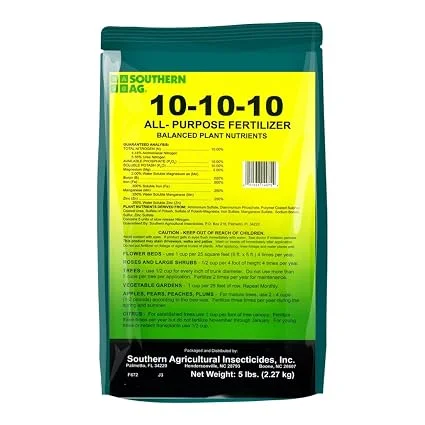 |
Southern Ag All Purpose 10-10-10 Fertilizer, 5lb – from $9.99 Gives zucchini nitrogen, phosphorus, and potassium without wood ash’s pH-raising tradeoff.
|
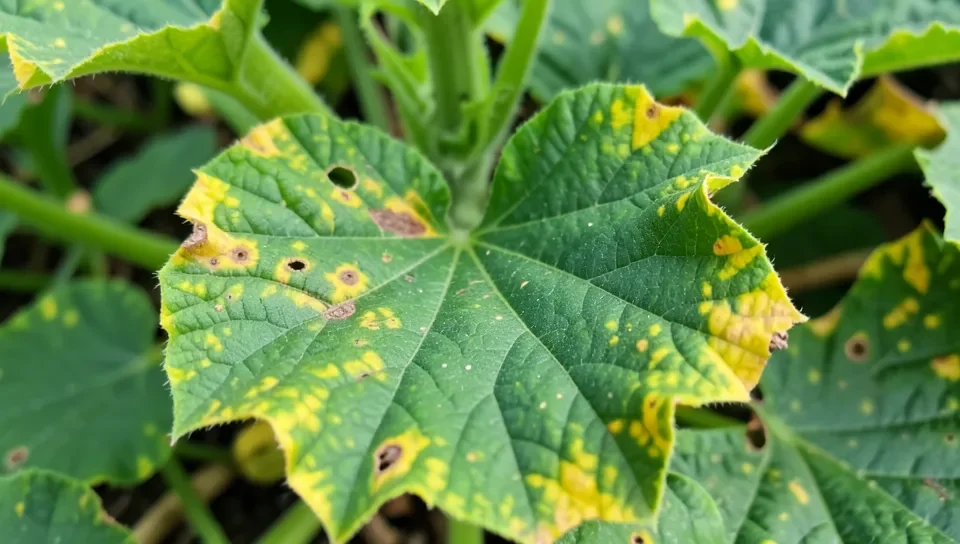
Zucchini is a heavy feeder, and potassium specifically plays a real, checkable role: it’s directly involved in fruit development and the plant’s water regulation. A genuine potassium deficiency in zucchini shows up as yellowing along the edges of older leaves first, with the yellowing progressing inward while the veins often stay green – a distinct, recognizable pattern rather than generic “unhealthy looking” leaves. Wood ash supplies real potassium (roughly 3-8% by weight) along with calcium, which is the legitimate reason it’s suggested for zucchini at all.
Test Your Soil Before Adding Ash
- Zucchini prefers 6.0-6.8 pH – test your soil before adding anything that shifts it.
- If your soil already reads neutral to alkaline (7.0+), skip the wood ash entirely and use a balanced fertilizer instead, since more alkalinity will only hurt nutrient uptake.
- If your soil is on the acidic side (below 6.0), a light, occasional application of wood ash can genuinely help nudge it toward zucchini’s preferred range while adding potassium.
How To Apply It Safely
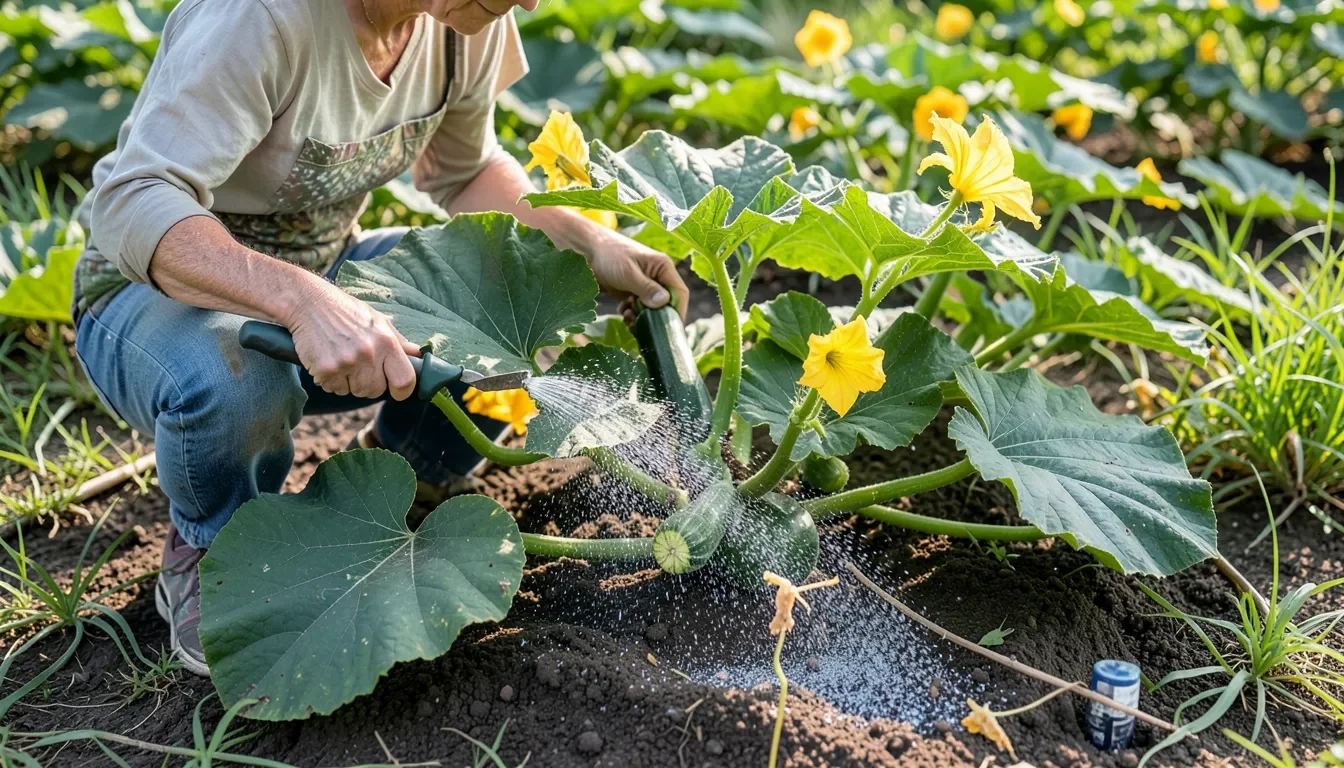
- Amount: A light sprinkle – roughly a quarter cup per plant – worked lightly into the topsoil, not piled directly against the stem.
- Timing: Early spring before or at planting, mixed into the soil rather than applied during active flowering/fruiting.
- Frequency: Once per season at most – repeated applications compound the pH-raising effect faster than most gardeners expect.
- Use only ash from clean, untreated wood – never charcoal briquettes or painted/treated lumber, which can carry chemical residue.
What Wood Ash Won’t Do
Wood ash contains no nitrogen, so it’s not a substitute for a balanced fertilizer during zucchini’s heavy growth phase. As for pest control – the often-repeated claim that wood ash “keeps squash bugs away” is overstated. Wood ash’s desiccant/barrier effect works reasonably well against soft-bodied crawling pests like slugs and snails, but squash bugs are hard-shelled true bugs with a much tougher exoskeleton, and ash is not a reliable control method for them. Row covers, hand-picking, and targeted insecticidal soap are the real tools for squash bug management.
A Balanced Fertilizer Alternative
If your soil test shows you don’t need the pH shift wood ash provides, a balanced 10-10-10 granular fertilizer gives zucchini nitrogen, phosphorus, and potassium in one product without the alkalinity concern. Apply at planting and again mid-season during fruiting, following the product’s label rate.
Frequently Asked Questions
Is Wood Ash Good For Zucchini?
In moderation, yes – it supplies potassium and calcium, and zucchini genuinely benefits from potassium for fruit development. But it should only be used if your soil isn’t already neutral-to-alkaline, since wood ash raises pH and zucchini prefers 6.0-6.8.
Which Vegetables Do Not Like Wood Ash?
Acid-loving vegetables like potatoes and blueberries (and ornamentals like azaleas and rhododendrons) do poorly with wood ash, since it raises soil pH away from what they need. Always test soil pH before applying wood ash to any specific plant.
Which Fertilizer Is Best For Zucchini?
A balanced fertilizer (such as 10-10-10 NPK) covers zucchini’s nitrogen, phosphorus, and potassium needs without the pH-raising effect of wood ash. Apply at planting and again mid-season during fruiting.
Will Wood Ash Keep Squash Bugs Away?
Not reliably. Wood ash’s desiccant barrier effect works better on soft-bodied pests like slugs than on squash bugs, which have a tough exoskeleton. Row covers, hand-picking, and insecticidal soap are more effective for actual squash bug control.
Conclusion
Wood ash can genuinely help zucchini through its potassium and calcium content, but only makes sense if your soil is already on the acidic side – test first, apply sparingly, and skip it entirely if your soil already reads neutral or alkaline. For the nitrogen zucchini needs during heavy growth, pair it with (or substitute) a balanced fertilizer rather than relying on ash alone.
Sponsored / affiliate links. As an Amazon Associate I earn from qualifying purchases. I may earn additional commission from eligible campaigns.