Are Cherry Trees Deer Resistant Garden Truth
Picture this: you’ve just planted a beautiful young cherry tree, dreaming of sweet harvests and picturesque blossoms. Then, a morning surprise: nibbled leaves and sad, stunted growth. It’s a common heartache for gardeners, especially those sharing their space with deer. Many gardeners wonder about the deer resistance of these beloved fruit trees. This post will explore the facts so you can make informed decisions for your garden, helping you protect your investment and enjoy the bounty of your cherry trees.
Are Cherry Trees Deer Resistant The Real Garden Truth
When it comes to planting fruit trees, especially in areas where deer are prevalent, one of the first questions that comes to mind is their susceptibility to browsing. Cherry trees, with their delicate blossoms and delicious fruit, are often a target. Understanding the truth behind whether cherry trees are deer resistant can save you a lot of disappointment and potential heartache in your garden. It’s not a simple yes or no answer, as several factors come into play, influencing how much deer will bother your trees.
Understanding Deer Browsing Habits
Deer are herbivores with a varied diet. Their feeding habits can change based on the season, food availability in their natural habitat, and the specific types of plants in your yard. Young, tender growth on any plant is generally more appealing. This is why new plantings and the fresh shoots of established trees are particularly vulnerable. Deer don’t typically have a “favorite” plant; rather, they seek out nutritious and palatable options when their usual food sources are scarce.
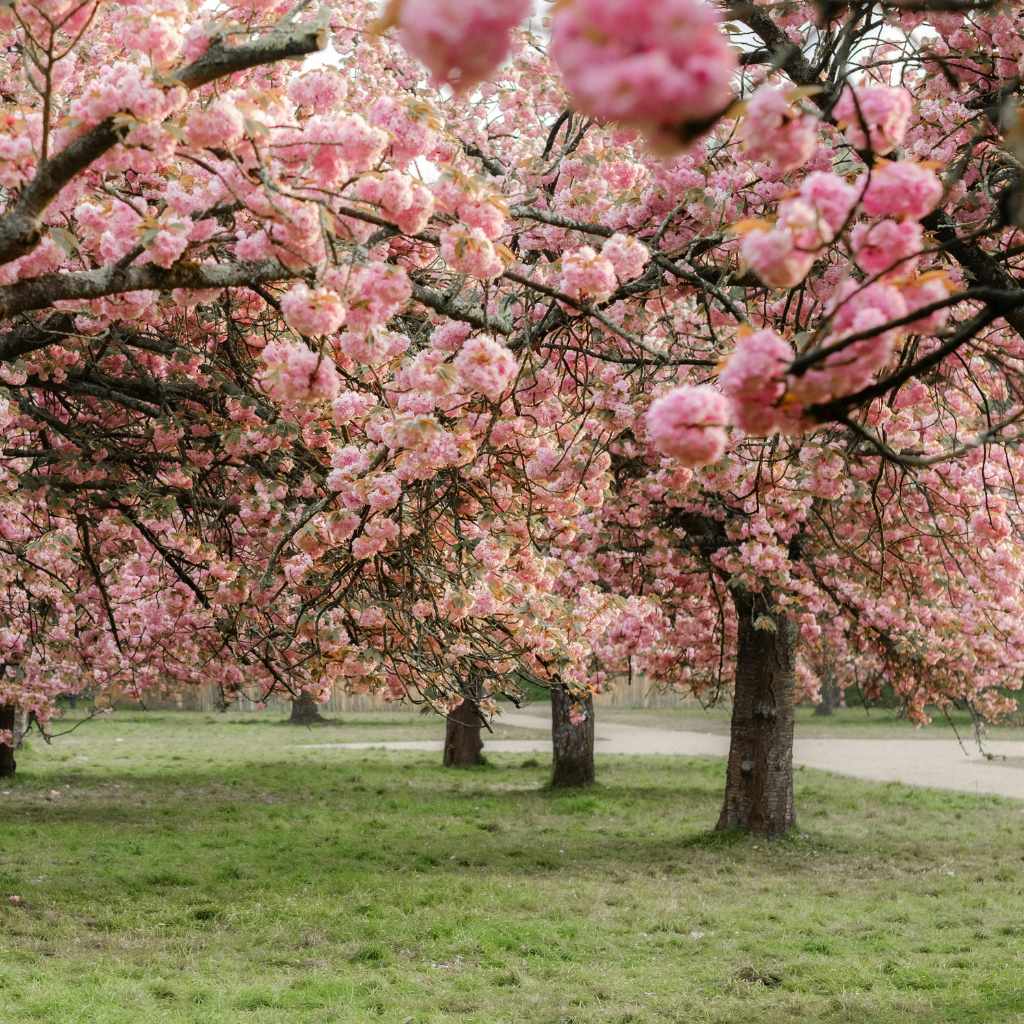
Cherry Tree Varieties And Deer Resistance
The good news is that not all cherry trees are equally attractive to deer. Some varieties tend to be less appealing due to their foliage texture, taste, or scent. However, it’s important to remember that hunger can overcome even picky eaters.
Tart Cherries Versus Sweet Cherries
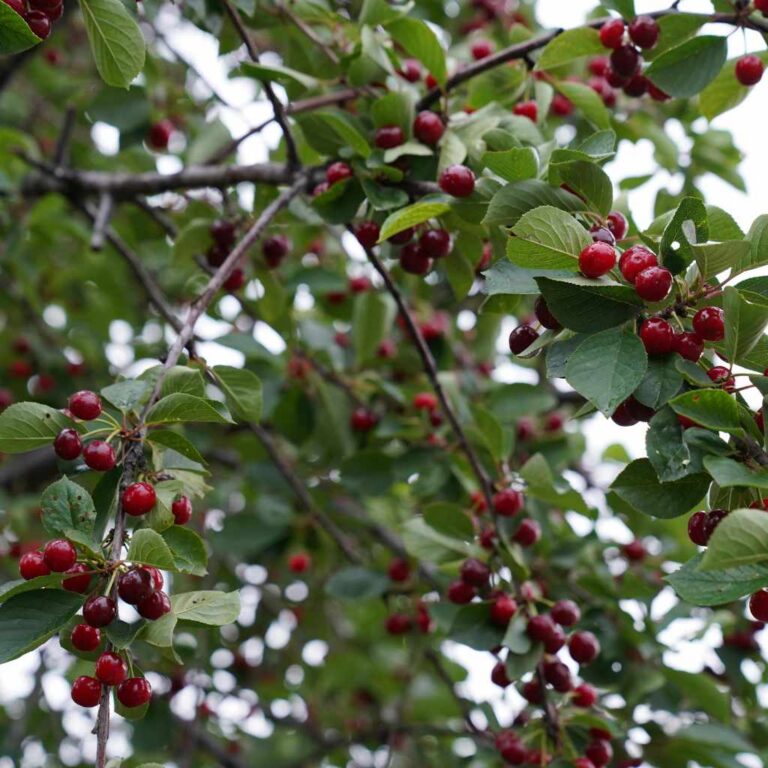
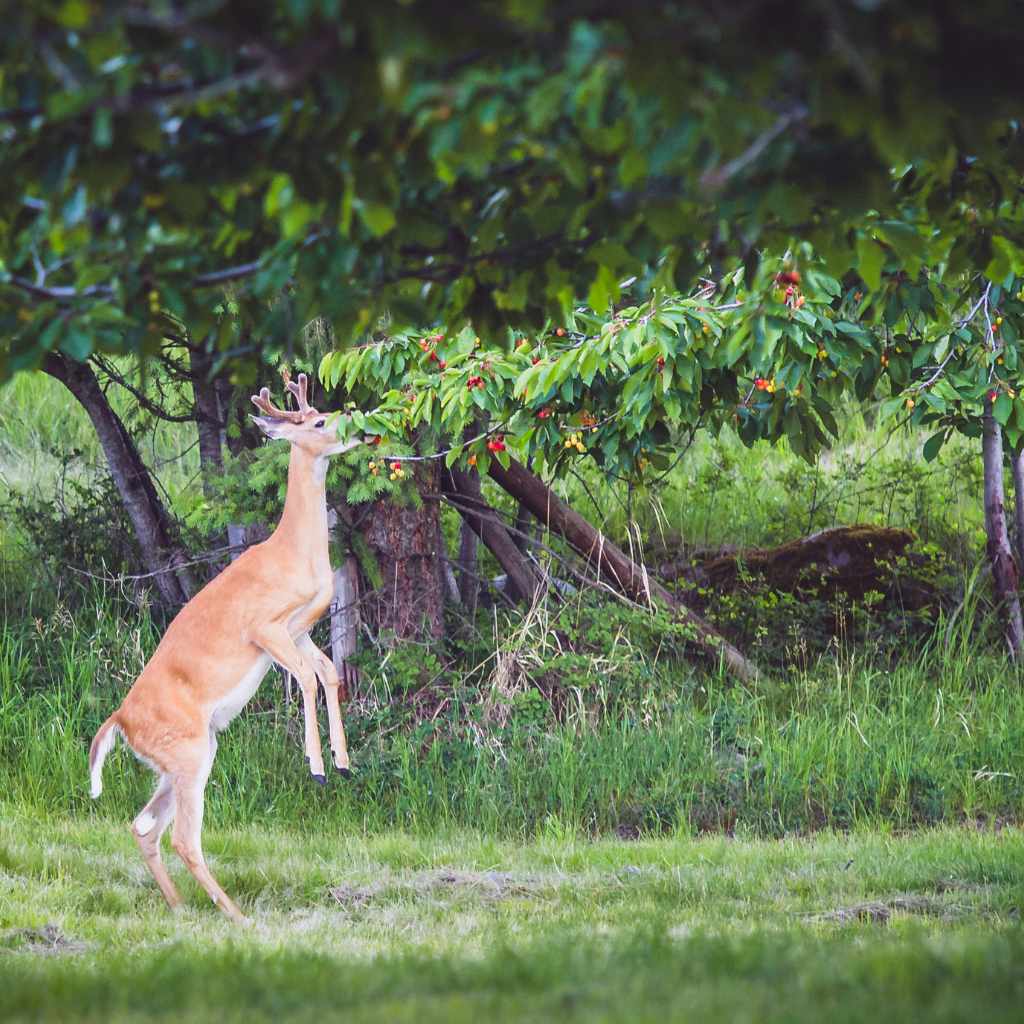
Generally, tart cherry varieties like Montmorency or Morello cherries are often cited as being more deer resistant than their sweet counterparts. The bitterness in their leaves and fruit can make them less appetizing for deer. Sweet cherries, on the other hand, with their sugary fruit, can be a strong attractant, especially when the fruit ripens.
Foliage And Bark Appeal
Deer primarily browse on the leaves and young stems of cherry trees. The bark can also be a target, especially during winter months when other food sources are limited. Some studies suggest that plants with rougher, leathery leaves or strong scents are less appealing. While cherry leaves are generally smooth, their aroma might not be a strong deterrent.
Factors Influencing Deer Pressure On Cherry Trees
The likelihood of deer damaging your cherry trees isn’t solely dependent on the tree itself. Several external factors play a significant role.
Local Deer Population Density
In areas with a high deer population, deer will be more desperate for food and will likely try eating whatever is available, regardless of its perceived resistance. Even plants that are usually ignored can become a target in such situations.
Availability Of Natural Food Sources
If your yard is surrounded by abundant natural vegetation like forests, meadows, or agricultural fields, deer might be less inclined to venture into your garden for food. Conversely, if your garden is one of the few green spaces available, your cherry trees will be more exposed.
Seasonal Changes
Deer feeding patterns shift throughout the year. During spring and early summer, young, tender shoots and buds are highly desirable. In late fall and winter, they might turn to bark and twigs when other food is scarce. This means your cherry trees could be at risk during multiple seasons.
Age Of The Cherry Tree
Young cherry trees are particularly vulnerable. Their flexible stems and tender leaves are easy for deer to reach and consume. As trees mature and their trunks become thicker and more woody, they become less appealing to browse on, although deer may still target the lower branches and foliage.
Strategies To Protect Your Cherry Trees From Deer
Since complete deer resistance is rare for any plant, employing protective measures is often necessary for successful cherry tree cultivation in deer-prone areas.
Physical Barriers
The most effective way to protect your cherry trees is through physical barriers that prevent deer from reaching them.
Tree Guards
For young trees, tree guards are excellent. These are typically made of plastic mesh or wire and wrap around the trunk, protecting it from rubbing and browsing. Ensure the guard is tall enough to prevent deer from reaching over it.
Fencing
A well-constructed fence is a highly reliable solution. Deer fencing needs to be at least 8 feet tall, as deer can jump high. Double fencing, where two fences are placed a few feet apart, can also be effective. Electric fences can also deter deer but require careful installation and maintenance.
Netting
As your trees begin to fruit, netting can protect the developing cherries from birds and, to some extent, deer if draped over the entire tree and secured.
Deer Repellents
Deer repellents work by using scents or tastes that deer find offensive. These can be a good supplementary measure, but their effectiveness can vary and they often need frequent reapplication, especially after rain.
Scent-Based Repellents
These often contain ingredients like predator urine (coyote, fox), rotten eggs, or strong essential oils. The idea is to mimic the scent of predators, making deer feel unsafe.
Taste-Based Repellents
These treatments make the foliage or bark taste unpleasant. Ingredients can include soap, garlic, hot pepper, or commercial products specifically designed to deter browsing.
Companion Planting
While not a foolproof method, planting certain strong-smelling herbs or flowers around your cherry trees might help mask the scent of the cherry tree and deter deer. Plants like lavender, rosemary, mint, or marigolds are sometimes suggested. However, deer’s preference for food often overrides scent deterrents.
Habitat Modification
Making your garden less attractive to deer can also help. Removing other potential food sources in your yard, like fallen fruit or accessible compost bins, can reduce their interest. Keeping the grass mowed short can also make it harder for deer to hide.
Are Cherry Trees Deer Resistant? The Garden Truth Answer
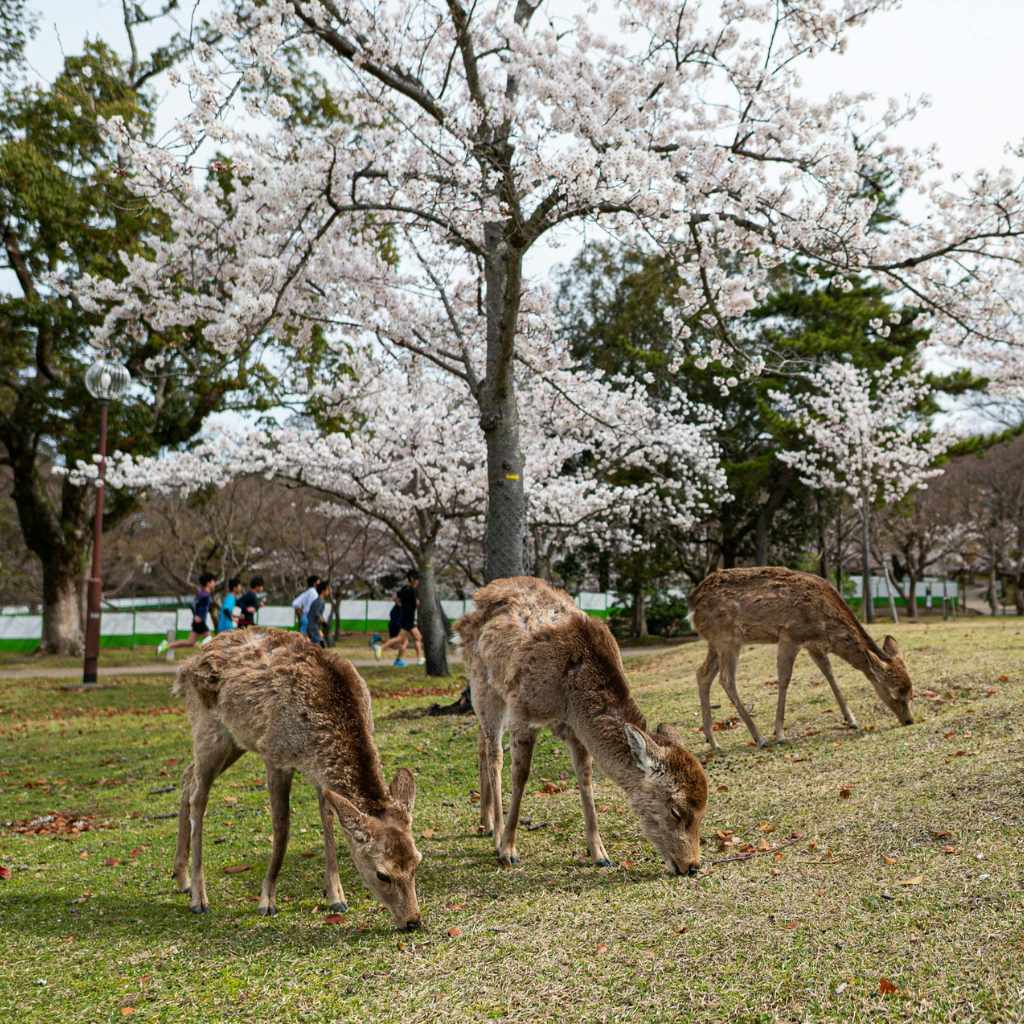
In summary, the truth about whether cherry trees are deer resistant is that they are generally not considered highly resistant. While some varieties might be slightly less appealing than others, no cherry tree is completely deer-proof. Deer will browse on cherry trees, especially young ones, if they are hungry and have access.
The primary appeal of cherry trees to deer lies in their tender young leaves, shoots, and eventually, their sweet fruit. The fruit is a significant attractant during the ripening season. The bark can also be a food source during winter. Therefore, gardeners in deer-prone areas must implement protective strategies to ensure the health and productivity of their cherry trees.
Frequently Asked Questions
Question: Are all cherry trees equally attractive to deer?
Answer: No, generally tart cherry varieties are considered less appealing to deer than sweet cherry varieties due to their taste. However, hunger can make deer eat almost anything.
Question: When are cherry trees most vulnerable to deer damage?
Answer: Young cherry trees are most vulnerable due to their tender stems and foliage. They are also susceptible in spring when new growth appears and in winter when food is scarce and they may gnaw on bark.
Question: Can deer eat cherry tree bark?
Answer: Yes, deer can and will eat cherry tree bark, especially during the fall and winter months when other food sources are scarce. This can significantly damage or even kill young trees.
Question: What is the best way to protect a young cherry tree from deer?
Answer: The most effective methods for protecting young cherry trees are physical barriers such as tall tree guards or fencing around the individual tree or the entire garden area.
Question: Do deer repellents really work on cherry trees?
Answer: Deer repellents can be effective as a deterrent, but their success varies. They often require frequent reapplication, especially after rain, and may need to be used in combination with other methods for best results.
Final Thoughts
The question of whether cherry trees are deer resistant doesn’t have a simple yes or no answer, but the garden truth is that they are generally not highly resistant. Deer are opportunistic feeders, and the tender foliage, new growth, and sweet fruit of cherry trees can be very tempting. This means that if you have deer in your area, you will likely need to take steps to protect your trees. Relying solely on the assumption that a cherry tree is naturally deer-proof is a common mistake that can lead to disappointment and damaged plants.
The most effective approach involves a combination of strategies. Physical barriers like tree guards for young trees and fencing for larger areas offer the most reliable protection. Deer repellents, whether scent or taste-based, can be a helpful addition, but remember they need consistent reapplication and may not be foolproof. Companion planting might offer a slight deterrent, but it’s best not to depend on it as your primary defense. Observing your local deer population and their feeding habits will give you the best insight into how much protection your cherry trees will need. By being proactive and implementing a multi-faceted protection plan, you can significantly increase the chances of your cherry trees thriving and producing a bountiful harvest for you to enjoy.