Are Maple Cabinets Good? Essential Guide
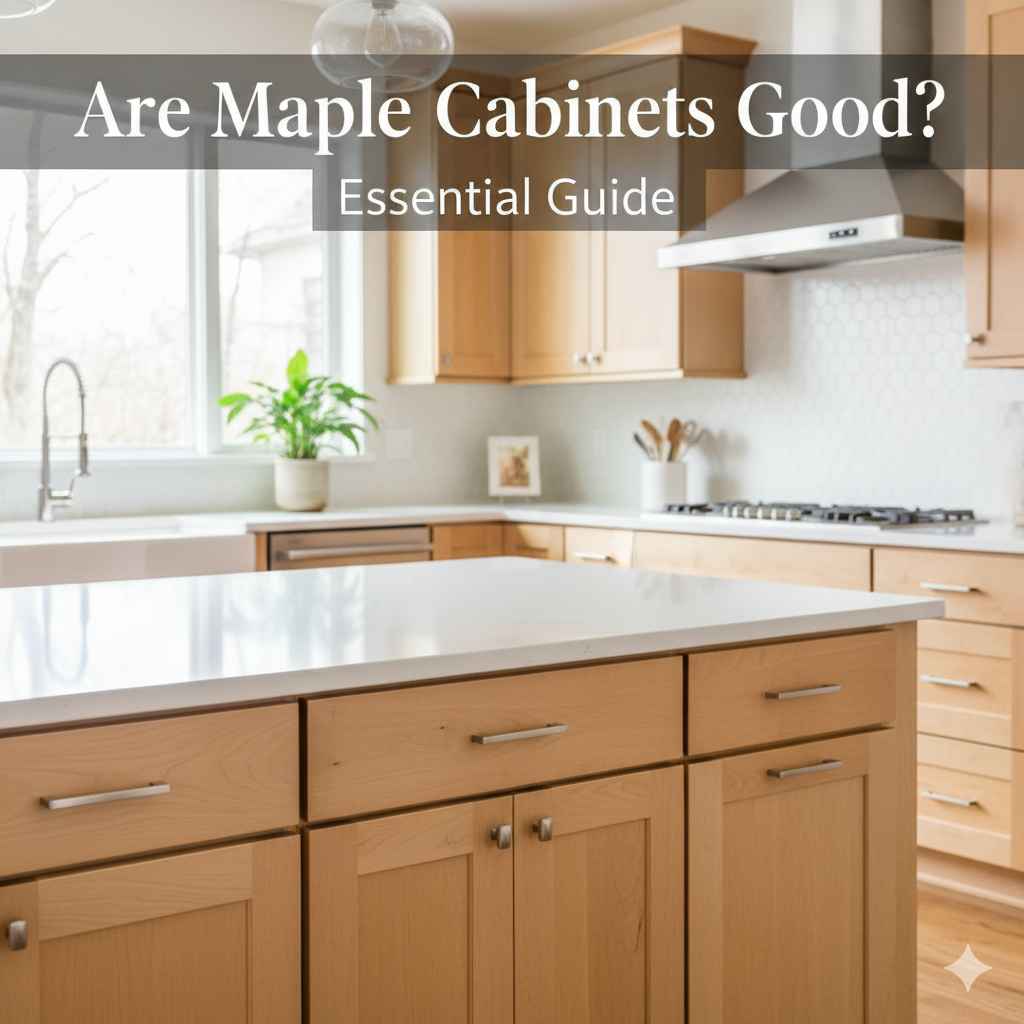
Yes, maple cabinets are an excellent choice for many kitchens! They offer a fantastic blend of durability, a smooth finish, and a bright, versatile appearance that fits various decor styles. With proper care, they can be a beautiful and long-lasting addition to your home.
There’s a lot to think about when choosing kitchen cabinets. You want them to look good, of course, but they also need to stand up to daily use. Many homeowners wonder if maple cabinets are a good investment. It’s an important question, and the good news is that maple is a popular wood for a reason! It’s strong, looks great, and is a favorite among designers and homeowners alike. In this guide, we’ll walk through everything you need to know about maple cabinets, from their pros and cons to how to care for them, so you can make a confident decision for your kitchen.
Why Maple Cabinets Are a Popular Choice
Maple wood has been a go-to material for cabinets for decades, and it’s easy to see why. Its unique combination of strength, appearance, and how well it takes finishes make it a standout option compared to many other woods. When you’re looking at different cabinet materials, understanding what makes maple special can really help you decide if it’s the right fit for your kitchen’s needs and style.
The Natural Beauty of Maple Wood
Maple is a hardwood known for its fine, even grain and smooth texture. This smooth surface allows paints and stains to adhere beautifully, creating a flawless finish. Maple also has a natural creamy white or light tan color that gives kitchens a bright, airy feel. While some maple can have beautiful wavy or bird’s-eye patterns, its generally understated grain means it’s very versatile to work with.
Durability and Strength
One of the biggest advantages of maple cabinets is their exceptional durability. Maple is a dense hardwood, which means it’s naturally resistant to dents, chips, and scratches. This makes it an ideal choice for a busy kitchen environment where cabinets are used constantly. The strength of maple ensures that your cabinets will maintain their beauty and structural integrity for many years to come. For more information on wood hardness and durability, you can explore resources from the Woodworking Trade, which offers excellent insights into wood properties.
Versatility in Design and Finish
Maple’s smooth, tight grain makes it incredibly receptive to a wide range of finishes. Whether you prefer a crisp white painted finish, a warm natural stain, or a bold custom color, maple can handle it beautifully. This versatility means you can achieve almost any look you desire, from a sleek, modern aesthetic to a more traditional, cozy feel. Unlike some woods with prominent grain patterns, maple offers a clean canvas that allows your chosen color or stain to truly shine without being overwhelmed by the wood’s natural texture.
Pros of Maple Cabinets: What Makes Them Shine
Let’s break down the advantages of choosing maple for your kitchen cabinets. These benefits explain why maple is consistently ranked high by homeowners and cabinet makers alike.
- Exceptional Durability: Maple is a very hard wood, making cabinets resistant to daily wear and tear, dents, and scratches. This means they’ll look great for a long time, even in high-traffic kitchens.
- Smooth, Fine Grain: The tight, uniform grain gives maple a polished look and a smooth surface that feels great to the touch. This characteristic is key to achieving flawless painted or stained finishes.
- Versatile Finish Options: Maple readily accepts stains and paints. Whether you want a bright white, a deep cherry stain, or a natural look, maple can achieve it beautifully.
- Light and Bright Appearance: The natural creamy white color of maple can make your kitchen feel more spacious and brighter. It complements a variety of kitchen styles and color schemes.
- Cost-Effective Hardwood: While not the cheapest option, maple is often more affordable than other premium hardwoods like cherry or walnut, offering great value for its quality and durability.
- Resists Warping: Its density helps maple cabinets resist warping and cracking, especially when exposed to moisture and temperature changes, which is common in kitchens.
Cons of Maple Cabinets: Things to Consider
No material is perfect, and it’s important to be aware of potential drawbacks. Understanding these points will help you make an informed decision for your kitchen.
- Can Yellow Over Time: Unfinished or lightly stained maple can naturally yellow when exposed to UV light (sunlight). This is a natural aging process, but it can alter the original color.
- Stain Consistency: Because maple has a very dense structure and a fine grain, it can sometimes absorb stain unevenly, especially if not properly prepared. This can lead to blotchy results if a dark or opaque stain is applied without a pre-stain conditioner.
- Not Ideal for Rustic Looks: If you’re aiming for a very rustic or heavily distressed look with prominent wood grain, maple might not be the best choice due to its fine and consistent texture.
- Can Be Cooler in Appearance: The naturally light color of maple can sometimes make a kitchen feel cooler. This can be easily counteracted with warmer paint colors, backsplash choices, or hardware.
Comparing Maple to Other Popular Cabinet Woods
To truly understand if maple cabinets are a good fit, it helps to see how they stack up against other common cabinet woods. Each wood has its own strengths and weaknesses.
Maple vs. Oak Cabinets
Oak is another very popular hardwood for cabinets. It’s also durable and relatively affordable. However, oak has a much more prominent, open grain pattern.
Grain: Oak has a distinct, often raised grain pattern that gives it a more traditional or country look. Maple has a smooth, subtle grain.
Finish: Oak’s prominent grain can make it harder to achieve a perfectly sleek painted finish. Maple’s fine grain is ideal for smooth paints and stains.
Durability: Both are durable hardwoods, with maple generally being slightly harder and more dent-resistant than red oak.
Maple vs. Cherry Cabinets
Cherry wood is prized for its rich color and elegant grain. It tends to be more expensive than maple.
Color: Cherry wood has a natural reddish-brown hue that deepens and enriches with age. Maple is naturally light and creamy.
Grain: Cherry often has a more varied grain, sometimes with subtle curl or figuring, and can have small pin knots. Maple’s grain is very fine and uniform.
Cost: Cherry wood is generally more expensive than maple.
Durability: Both are hard, durable woods, though maple is typically slightly harder.
Maple vs. Birch Cabinets
Birch is often compared to maple because it shares a similar fine grain and light color. It’s generally a more budget-friendly option.
Grain: Birch has a very fine, subtle grain, similar to maple, but can sometimes have more mineral streaks or color variations.
Hardness: Maple is typically harder than birch, making it slightly more resistant to dents and scratches.
Cost: Birch is usually a more economical choice than maple.
Appearance: While similar, birch can sometimes have more noticeable color variations than maple.
Here’s a quick table summarizing some key differences:
| Feature | Maple | Oak | Cherry | Birch |
|---|---|---|---|---|
| Grain Pattern | Fine, smooth, subtle | Prominent, open, distinct | Fine to medium, sometimes figured | Fine, subtle, can have streaks |
| Natural Color | Creamy white to light tan | Light brown to reddish-brown | Reddish-brown, deepens with age | Creamy white to light brown |
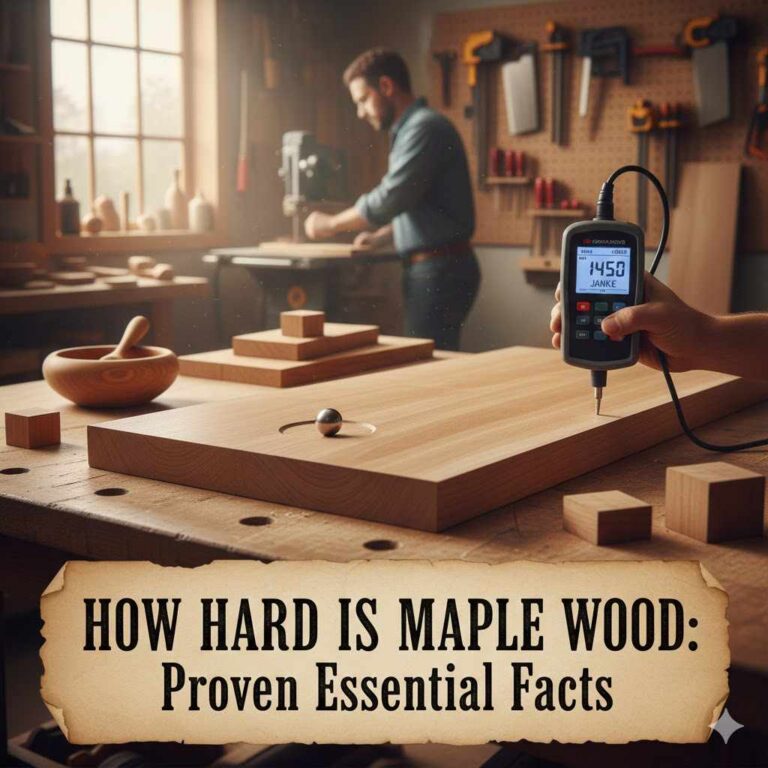
| Hardness (Janka Scale) | 1450 lbf | 1290 lbf (Red) | 950 lbf | 1260 lbf |
| Durability | Very High | High | Medium-High | High |
| Finish Versatility | Excellent for paint & stain | Good for stain, challenging for solid paint | Excellent for stain, sometimes painted | Good for paint & stain |
| Typical Cost | Mid-to-High | Mid | High | Mid |
Note: The Janka hardness test measures the resistance of wood to denting and wear. Higher numbers indicate harder, more durable wood.
Styles You Can Achieve with Maple Cabinets
Maple is incredibly adaptable, making it a fantastic choice for a wide range of kitchen styles. Its smooth surface and light color provide a perfect foundation for creating your dream kitchen.
Modern and Contemporary Kitchens
Maple is a natural fit for modern kitchens. Its clean lines, smooth surface, and light color lend themselves perfectly to minimalist designs.
Finishes: Crisp white or deep charcoal painted finishes create a sleek, sophisticated look. Natural or clear finishes highlight the subtle grain for a Scandinavian-inspired feel.
Hardware: Go for sleek, minimalist hardware like brushed nickel, matte black pulls, or handleless designs.
Cabinet Doors: Shaker-style doors or flat-panel (slab) doors are excellent choices for a contemporary aesthetic.
Traditional and Classic Kitchens
Don’t think maple is only for modern looks! It can also create beautiful traditional kitchens.
Finishes: Warm stains that highlight the wood’s natural tones, or classic off-white or cream painted finishes work wonderfully.
Hardware: Opt for timeless options like oil-rubbed bronze, brushed brass, or brushed nickel knobs and pulls.
Cabinet Doors: Raised-panel or Shaker-style doors often suit traditional designs. You can also incorporate decorative moldings.
Transitional Kitchens
This style blends elements of modern and traditional design. Maple is ideal for this because it can be adapted to suit both.
Finishes: Neutral tones like greige, light gray, or a medium-tone stain create a welcoming yet sophisticated feel.
Hardware: A mix of modern and classic hardware can work. Think brushed gold or a satin nickel.
Cabinet Doors: Shaker style is a universal favorite that fits perfectly in transitional spaces.
Caring for Your Maple Cabinets
Keeping your maple cabinets looking their best is straightforward with a little consistent care. Because maple is quite durable, a gentle approach is usually all that’s needed.
Daily Cleaning
For everyday smudges and spills, a soft, damp cloth is your best friend.
Wipe down surfaces regularly to prevent grease and grime buildup.
Use a mild soap diluted in water for tougher spots, but always wipe away any soap residue with a clean, damp cloth afterwards.
Immediately wipe up any spills, especially acidic ones like lemon juice or vinegar, to prevent damage to the finish.
Deeper Cleaning and Maintenance
Occasionally, your cabinets might need a little more attention.
For Painted Maple: Use a soft cloth with a non-abrasive cleaner. Avoid harsh chemicals or abrasive pads, as these can damage the paint finish.
For Stained Maple: Use a cleaner specifically designed for wood cabinets. Many furniture polishes or wood cleaners can help maintain the finish and add a layer of protection. Always test in an inconspicuous area first.
Avoid Moisture: Don’t let water sit on the cabinets. Wipe them dry after cleaning.
Hardware Care: Clean hardware according to its material. For example, brass hardware might require specific cleaners to maintain its shine.
Protecting from Light and Heat
Sunlight: While maple is durable, prolonged direct sunlight can cause its color to yellow or fade over time, especially with lighter finishes. Consider using curtains or blinds to protect your cabinets if they receive a lot of direct sun.
Heat: Avoid placing heat-generating appliances like toasters or coffee makers directly under or beside cabinets where the heat can be intense and prolonged, as this can potentially damage the finish over time.
Where to Buy Maple Cabinets
You have several options when it comes to purchasing maple cabinets, each with its own advantages in terms of cost, customization, and quality.
Big Box Home Improvement Stores
Retailers like Home Depot or Lowe’s offer a range of cabinet brands and styles.
Pros: Convenient, wide selection, often have in-stock options, professionals available for consultations and installation.
Cons: Limited customization options for some lines, prices can vary, quality can differ between brands.
Kitchen & Bath Showrooms or Specialty Cabinet Shops
These stores focus specifically on cabinetry and kitchens.
Pros: High level of customization, expert design advice, often higher quality craftsmanship, wider range of premium brands.
Cons: Can be more expensive, longer lead times for custom orders. You can find local showrooms by searching online for “kitchen cabinets near me.“
Online Retailers
Many online companies now sell custom and semi-custom cabinets directly to consumers.
Pros: Competitive pricing, huge selection, convenience of ordering from home.
Cons: Cannot see or touch the product before buying, rely on reviews and descriptions, potential shipping costs and complexities.
Custom Cabinet Makers
For unique designs or specific needs, a local custom cabinet maker is an excellent choice.
Pros: Complete customization, highest quality craftsmanship, tailored to your exact specifications.
* Cons: Typically the most expensive option, longer production times.
When shopping, be sure to ask about the type of maple used (hard maple vs. soft maple), the finishing process, and the warranty offered. Understanding these details can significantly impact the longevity and appearance of your cabinets.
Frequently Asked Questions About Maple Cabinets
Here are some common questions that beginners often have about choosing and living with maple cabinets.
Are maple cabinets durable enough for a kitchen?
Absolutely! Maple is a hardwood known for its density and strength, making it very resistant to dents, scratches, and wear. This makes it an excellent and durable choice for busy kitchen environments.
Can maple cabinets be painted?
Yes, maple is one of the best woods for painted cabinets! Its smooth, fine grain allows for a very smooth, even finish when painted. This enables crisp, clean looks that are difficult to achieve with woods that have a more pronounced grain pattern.
How do I clean maple cabinets?
For daily cleaning, a soft, damp cloth usually suffices. For tougher grime, use a mild soap diluted in water, followed by a rinse with a clean damp cloth and then a dry cloth. Always avoid abrasive cleaners or scrub pads that can damage the finish.
Will maple cabinets yellow over time?
Maple can naturally yellow slightly when exposed to sunlight (UV rays) over many years. This is a natural aging process for many light-colored woods. It’s usually a subtle change and can be minimized by reducing direct sunlight exposure to the cabinets.
Are maple cabinets expensive compared to other woods?
Maple is generally considered a mid-to-high range cabinet material. It’s usually more affordable than premium woods like cherry or walnut but can be more expensive than budget-friendly options like pine or some lower-grade hardwoods. It offers excellent value for its durability and finish quality.
What is the difference between maple and birch cabinets?
Both maple and birch have fine, smooth grains and light colors, making them good for painted finishes. Maple is typically harder, more durable, and has a more consistent color and grain than birch. Birch can sometimes be a more budget-friendly option but might have more color variations.
Can I stain maple cabinets a dark color?
Yes, you can stain maple cabinets a dark color, but it’s important to be aware that the fine grain might not show as prominently as it would on woods like oak or cherry. Sometimes, a pre-stain conditioner is recommended for maple to help the stain absorb more evenly and prevent blotchiness, especially with darker or more opaque stains.
Conclusion: Trusting Your Choice with Maple Cabinets
After exploring all that maple has to offer, it’s clear why these cabinets are a favorite in so many homes. Their exceptional durability means they can withstand the daily hustle of a kitchen, while their smooth, fine grain provides a beautiful canvas for a spectrum of finishes, from crisp whites and soft grays to rich, warm stains. This versatility allows maple cabinets to seamlessly fit into modern, traditional, or transitional kitchen designs, adapting beautifully to your personal style.
While it’s wise to be aware of potential nuances like their natural tendency to yellow slightly with sun exposure or the need for careful staining to avoid blotches, these are manageable considerations. With straightforward cleaning and care, your maple cabinets will remain a beautiful and functional part of your kitchen for years to come. Weighing the pros – their strength, elegant finish potential, and overall value – against the cons reveals a material that consistently delivers both aesthetic appeal and lasting performance. So, when you ask, “Are maple cabinets good?” the answer is a resounding yes, especially if you’re looking for a blend of beauty, resilience, and adaptability for your home.