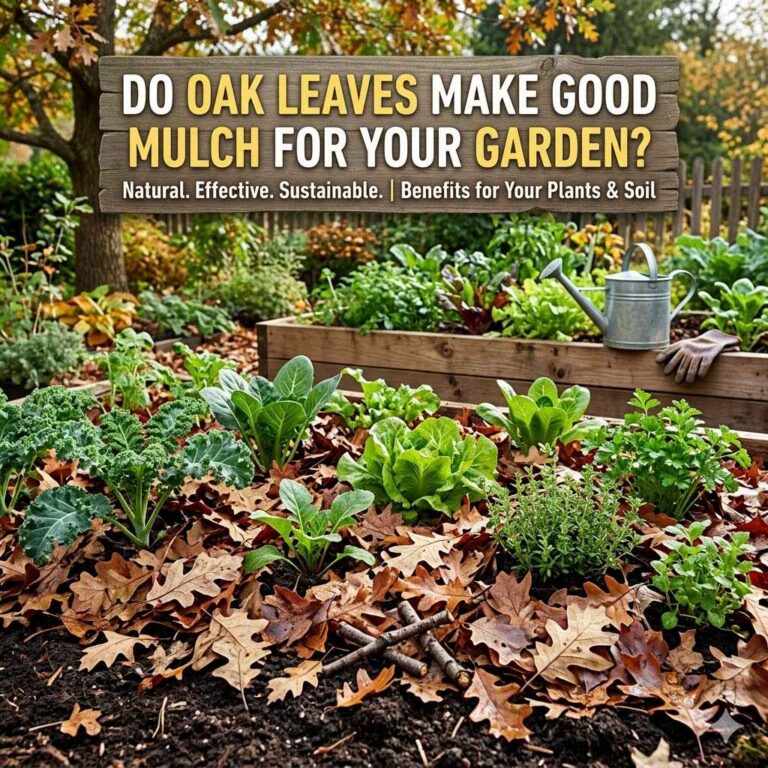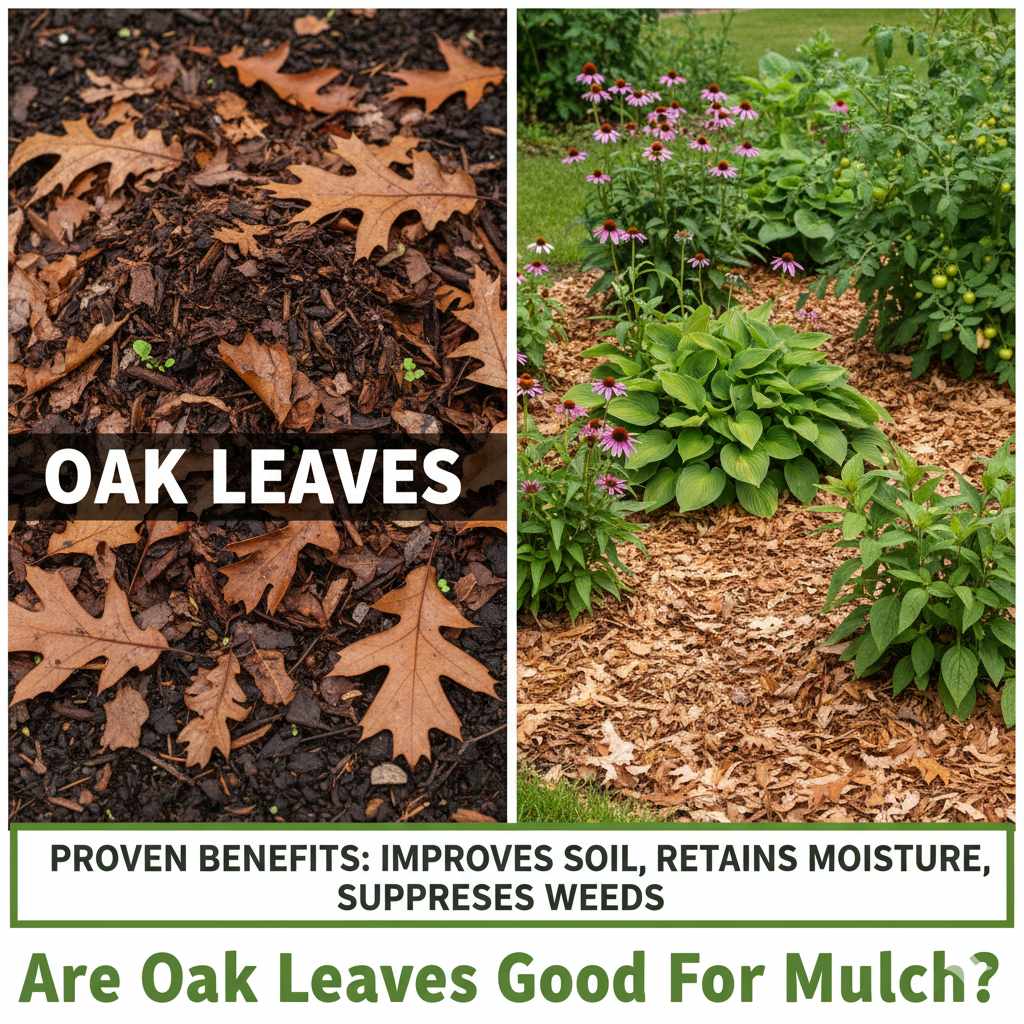
Are Oak Leaves Good For Mulch? Proven Benefits
Are Oak Leaves Good For Mulch? Absolutely! They’re a fantastic, free resource that enriches your soil, suppresses weeds, and helps your garden thrive. Discover their proven benefits and how to use them effectively for a healthier garden.
Gardening can sometimes feel like a puzzle, especially when you’re starting out. One daily occurrence that can leave homeowners scratching their heads is what to do with the fallen leaves, particularly those big, sturdy oak leaves. Are they just a messy nuisance to be raked and bagged, or do they hold hidden garden superpowers? It’s a common question for many, and the good news is, those oak leaves you’re seeing are actually a goldmine for your garden! They can offer incredible benefits without costing you a penny. Let’s explore why oak leaves are a gardener’s best friend and how you can easily turn them into a free, powerful mulch.
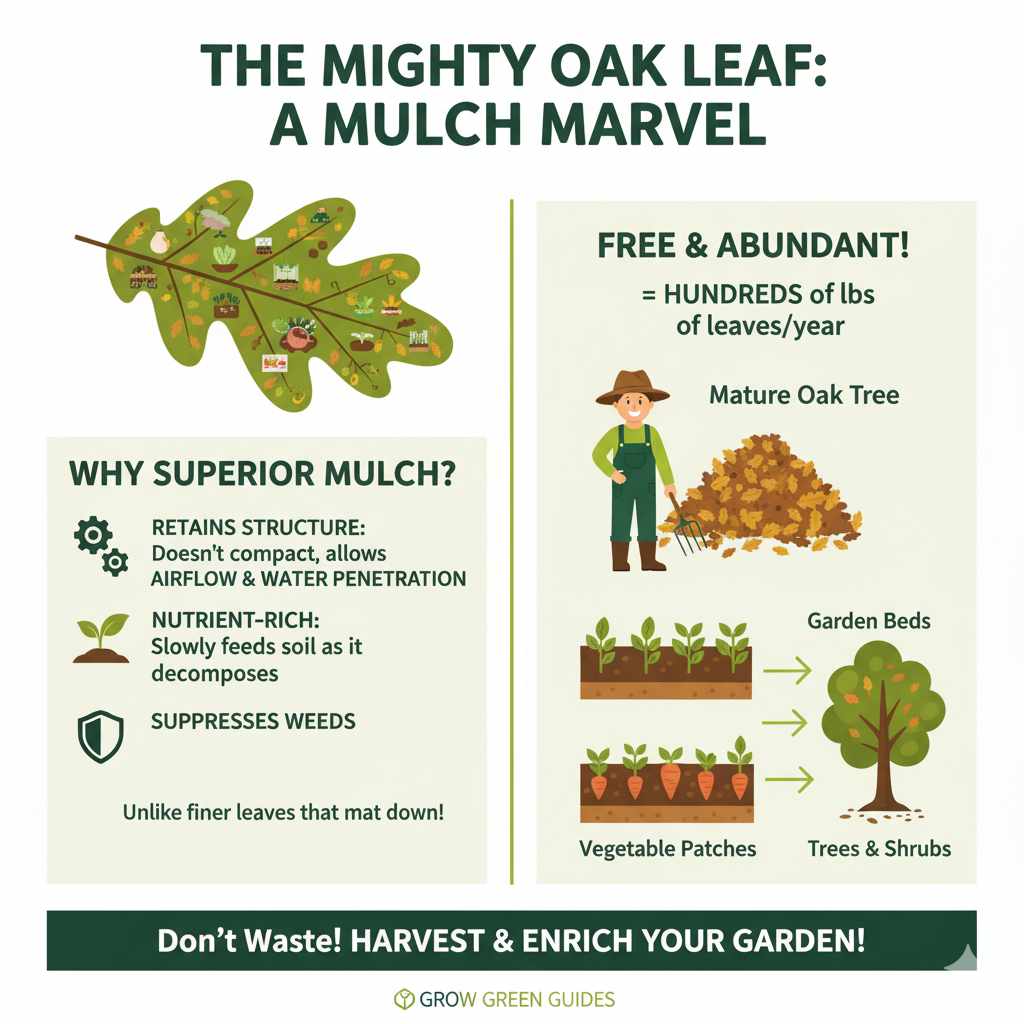
The Mighty Oak Leaf: A Mulch Marvel
When autumn rolls around, oak trees shed their leaves in abundance. These large, leathery leaves often seem tough to break down, leading many to believe they’re not suitable for composting or mulching. However, this couldn’t be further from the truth! Oak leaves, when properly managed, are a fantastic addition to your garden’s ecosystem.
Why Oak Leaves Make Superior Mulch
Unlike finer leaves that can easily mat down and suffocate plants, oak leaves have a wonderful ability to retain their structure. This means they don’t compact as easily, allowing for better air circulation and water penetration to your soil, even after they begin to decompose. They are a robust, nutrient-rich material that slowly breaks down, feeding your soil over time.
Consider this: a mature oak tree can drop hundreds of pounds of leaves each year. That’s a massive amount of free organic matter just waiting to be utilized. Instead of contributing to yard waste disposal, these leaves can become a valuable asset for your garden beds, vegetable patches, and around your trees and shrubs.
Proven Benefits of Using Oak Leaves as Mulch
The advantages of using oak leaves as mulch are numerous and well-documented. They go beyond just aesthetics, offering tangible improvements to your garden’s health and your gardening efforts.
1. Superior Weed Suppression
One of the most immediate and appreciated benefits of any mulch is its ability to keep weeds at bay. Oak leaves form a dense layer that acts as a natural barrier, preventing sunlight from reaching weed seeds in the soil. This significantly reduces germination and growth, meaning less time spent on your hands and knees pulling stubborn weeds. The thicker the layer of oak leaves, the more effective this weed barrier will be.
2. Excellent Soil Improvement
As oak leaves decompose, they release valuable nutrients back into the soil. They are rich in carbon, which, when balanced with nitrogen from other organic materials, creates a perfect environment for beneficial soil microbes. This slow decomposition process enriches the soil structure, improves drainage, and increases its ability to hold moisture. Over time, your soil will become more fertile and healthy, leading to stronger plant growth.
The process of decomposition is like a slow-release fertilizer. As fungi and bacteria break down the organic matter, they make nutrients available to plant roots. This is a natural way to feed your plants without the need for synthetic fertilizers.
3. Moisture Retention and Regulation
Mulch is famous for its ability to help soil retain moisture, and oak leaves are no exception. They create a protective layer over the soil surface that reduces evaporation, especially during hot, dry periods. This means you’ll likely need to water your plants less frequently. Conversely, during heavy rains, a layer of oak leaves can help prevent soil erosion by acting as a buffer, slowing down water runoff and allowing it to gently penetrate the soil.
This consistent moisture level is crucial for plant health. It helps prevent the stress that comes from soil drying out too much and then becoming waterlogged, which can harm root systems.
4. Insulation for Plant Roots
Oak leaves provide a protective blanket for your plants’ root systems. In winter, they insulate the soil, protecting roots from harsh freezes and extreme temperature fluctuations. This makes them particularly valuable for perennial plants, shrubs, and young trees that might be vulnerable to cold damage. In the summer, this insulation helps keep the soil cooler, preventing heat stress on the roots.
This temperature regulation is vital for plant survival and vigor throughout the changing seasons.
5. pH Adjustment for Acid-Loving Plants
Oak leaves tend to be slightly acidic, with a pH typically ranging from 5.0 to 6.0 when fresh, though they can become more neutral (closer to 6.5) as they decompose. This makes them an excellent choice for mulching around acid-loving plants like blueberries, rhododendrons, azaleas, hydrangeas, and evergreens. As they break down, they can gently lower the soil pH, creating a more favorable environment for these specific plants to thrive.
It’s important to note that while fresh oak leaves are slightly acidic, their decomposition process tends to neutralize them over time. This makes them generally safe for most garden plants. For plants that are extremely sensitive to pH changes, it’s always a good idea to test your soil and monitor the pH.
6. Beneficial Habitat for Garden Critters
A layer of mulch, including oak leaves, provides a crucial habitat for a variety of beneficial insects and microorganisms. Earthworms, ladybugs, ground beetles, and other helpful creatures find shelter and food within the decomposing leaves. These organisms play vital roles in aerating the soil, breaking down organic matter, and controlling garden pests naturally.
This fosters a more balanced and self-sustaining garden ecosystem, reducing the reliance on artificial interventions.
7. Eco-Friendly and Cost-Effective
Perhaps one of the most compelling benefits for homeowners and DIY enthusiasts is that oak leaves are a completely free resource. Instead of buying expensive mulches, you can utilize what nature provides. This “waste” material diverts it from landfills, making your gardening practices more sustainable and environmentally friendly. It’s a win-win for your wallet and the planet.
How to Best Use Oak Leaves as Mulch
While oak leaves are fantastic, there are a few things to keep in mind to get the most out of them. Their toughness means they can take a little longer to break down than softer leaves, and if piled too thickly or used incorrectly, they can cause issues. Here’s how to make them work best for you.
1. Shredding is Key
Oak leaves are tough and leathery. If you pile them on thickly without shredding, they can mat down and prevent water and air from penetrating the soil. Shredding them with a mulching mower or a leaf shredder breaks them down into smaller pieces. This speeds up decomposition, makes them easier to handle, and creates a more effective mulch layer. Aim for pieces that are about 1-2 inches in size.
A mulching mower is a fantastic tool for this. It chops the leaves finely as you mow your lawn, creating a nutrient-rich fertilizer for your grass and preparing the leaves for mulching or composting.
2. Mix Them with Other Materials
While pure oak leaf mulch is good, mixing them with other nitrogen-rich organic materials can create a more balanced compost or mulch. Think grass clippings (if untreated with herbicides), kitchen scraps (non-meat/dairy), or even a bit of aged manure. This helps to speed up decomposition because the leaves provide the carbon “browns” and the other materials provide the nitrogen “greens” needed for a healthy microbial ecosystem.
This “brown and green” balancing act is fundamental to effective composting and mulching, ensuring your organic matter breaks down efficiently and provides a broad spectrum of nutrients.
3. Application Thickness Matters
Apply oak leaf mulch in a layer of 2-4 inches deep around your plants, trees, and shrubs. Be sure to keep the mulch a few inches away from the base of plant stems or tree trunks. This prevents moisture from building up against the bark, which can lead to rot and disease. A thick enough layer will effectively suppress weeds and retain moisture without becoming too dense.
4. Avoid Using Them When Wet and Matted
If you’ve ever seen oak leaves clumped together after a heavy rain, you know they can form a dense, waterproof mat. Avoid using leaves in this state as mulch, as they can suffocate plants and prevent water from reaching the soil. If they are matted, spread them out to dry for a day or two before mulching, or shred them to break up the clumps.
5. Storage for Future Use
Don’t have enough leaves right now, or want to prepare for spring? You can store oak leaves. Rake them into large piles or into storage bins/bags. Shredding them first will make them more compact and easier to store. Over the winter, they will break down somewhat, becoming even better for mulching in the spring. You can also compost mature shredded oak leaves if you have a separate composting system.
According to the Colorado State University Extension, mulch materials like leaves are invaluable for improving soil structure and reducing water needs.
Oak Leaves vs. Other Mulch Materials
It’s helpful to compare oak leaves to other common mulching materials to understand their unique advantages and disadvantages.
| Mulch Material | Pros | Cons | Best For |
|---|---|---|---|
| Oak Leaves | Inexpensive/Free, excellent soil builder, good weed suppressor, helps retain moisture, slightly acidic (good for some plants), provides habitat. | Can mat if not shredded, slow to decompose (unless shredded or co-composted), can be bulky to collect. | General garden beds, around acid-loving plants, vegetable gardens, borders, pathways. |
| Pine Needles (Pine Straw) | Decompose slowly, good for acid-loving plants, stay in place well, attractive appearance. | Can be expensive to buy, may not be readily available for free, can sometimes create overly acidic conditions if used in massive quantities. | Azaleas, rhododendrons, blueberries, around conifers, woodland gardens. |
| Wood Chips/Bark | Long-lasting, attractive, good weed suppression, readily available from garden centers. | Can be expensive, take a very long time to decompose, can tie up nitrogen from soil as they break down (if mixed directly into soil, less of an issue as a top mulch), can sometimes contain undesirable tree diseases or insects if not processed correctly. | Around trees, shrubs, pathways, in areas where long-term mulch is desired. |
| Straw | Good insulator, readily available, inexpensive, adds organic matter. | Can blow away easily, may contain weed seeds (especially if not heat-treated), decomposes relatively quickly, can harbor slugs. | Vegetable gardens (especially for strawberries), around new plantings, temporary mulch. |
| Compost | Excellent soil amendment, rich in nutrients, improves soil structure, great for weed suppression, readily available if you compost. | Can be expensive to buy in bulk, may still contain weed seeds, requires effort to produce. | All garden areas, especially vegetable gardens and flower beds, as a top dressing or incorporated into soil. |
Making Oak Leaf Compost
If you have a large quantity of oak leaves and a composting system, they make an excellent addition. As mentioned, they are a carbon-rich “brown” material. To compost them effectively, you’ll want to balance them with “green” materials high in nitrogen, such as grass clippings, vegetable scraps, or coffee grounds. Shredding the leaves before adding them to your compost pile will significantly speed up the decomposition process. A good mix might be roughly two to three parts shredded leaves to one part green material. Your compost pile will benefit from the slow breakdown of the oak leaves, producing a rich, dark, nutrient-dense compost for your garden.
The University of Maryland Extension provides detailed guides on backyard composting, which often highlight the value of blended organic materials for optimal results, a principle that applies directly to using oak leaves.
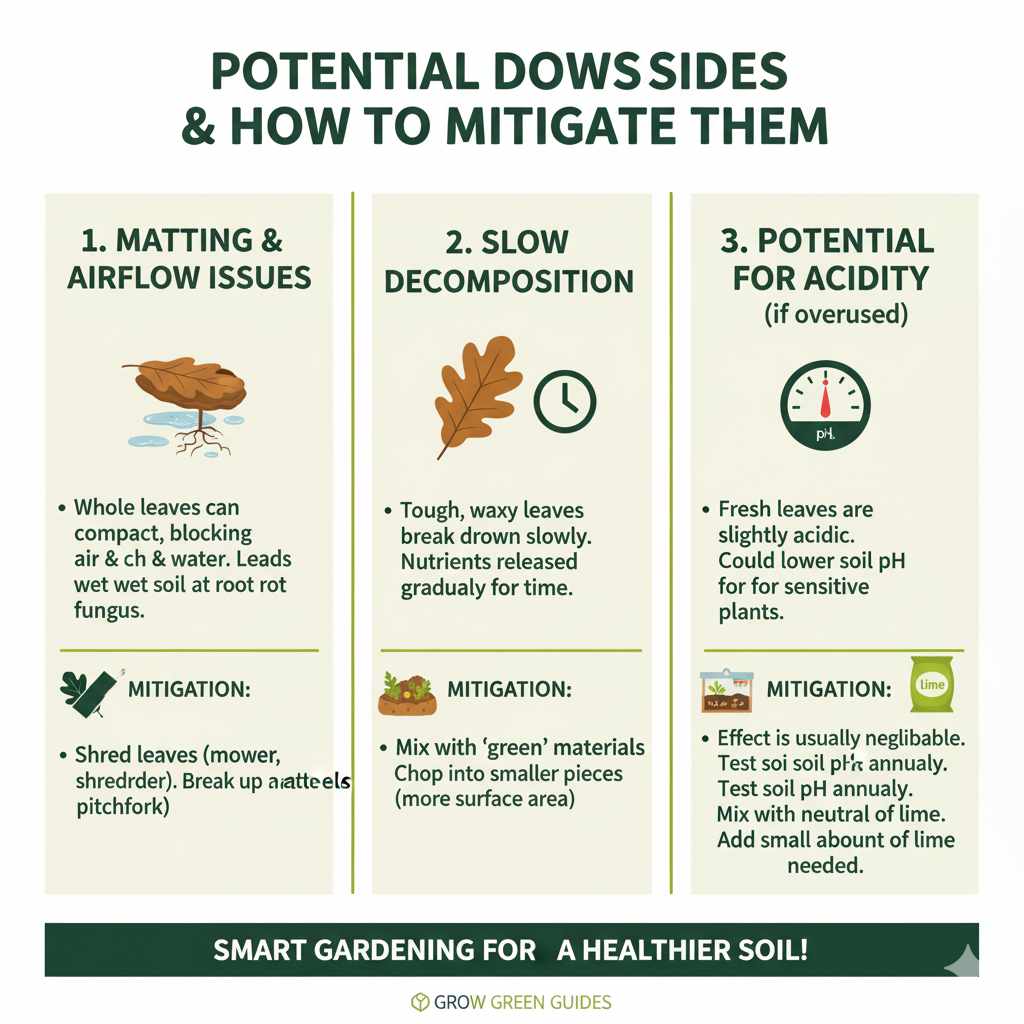
Potential Downsides and How to Mitigate Them
While oak leaves are a fantastic mulch, it’s important to be aware of a couple of potential issues and how to avoid them.
1. Matting and Airflow Issues
As we’ve discussed, whole, unbroken oak leaves can mat down, especially when wet, creating a barrier that impedes air and water movement. This can lead to overly wet soil, potentially causing root rot or encouraging fungal diseases.
Mitigation: Shredding is the most effective solution. If you don’t have a shredder, rake the leaves into a pile and run your lawnmower over them a few times. You can also break up matted piles by hand or with a pitchfork.
2. Slow Decomposition
Oak leaves are quite tough and waxy, meaning they can take longer to break down than softer leaves like maple or elm. In garden beds, this might mean they persist for a long time, which isn’t necessarily bad, but they won’t release their nutrients as quickly.
Mitigation: Mix whole oak leaves with faster-decomposing “green” materials in a compost pile or chop them into smaller pieces before mulching. This exposes more surface area to microbes, accelerating the breakdown process.
3. Potential for Acidity (if overused)
Fresh oak leaves are slightly acidic. While this is beneficial for acid-loving plants, using them exclusively and in very thick layers around plants that prefer neutral or alkaline soil could potentially lower the soil pH over time.
Mitigation: For most garden plants, this effect is negligible as the leaves neutralize during decomposition. However, if you are very concerned or have plants that are highly sensitive, test your soil pH annually. You can also mix oak leaves with other, more neutral mulches or add a small amount of lime to your soil if needed.
FAQ: Your Oak Leaf Mulch Questions Answered
Q1: Can I just pile oak leaves directly around my plants?
A1: Yes, but it’s not ideal. For the best results, shredding the leaves first is highly recommended. Unshredded leaves can mat down, preventing air and water from reaching the soil and potentially suffocating your plants.
Q2: How thick should the oak leaf mulch layer be?
A2: Aim for a layer of 2 to 4 inches deep. This thickness is usually sufficient for suppressing weeds and retaining moisture without becoming too dense for roots to breathe or for water to penetrate.
Q3: Will oak leaves attract pests to my garden?
A3: Generally, no. A healthy layer of mulch, including oak leaves, provides habitat for beneficial insects like earthworms and ladybugs, which are good for your garden. If you notice an increase in slugs or snails, that’s often due to overly wet conditions, which can be managed by ensuring good drainage and not piling mulch too closely to plant stems.
Q4: How do I get oak leaves if I don’t have oak trees?
A4: Many neighbors with oak trees are happy to have their leaves removed! You can also check with local community composting sites or garden centers, as they sometimes offer free leaf mulch. Raking public park areas (with permission, if necessary) or asking neighbors might yield a good supply.
Q5: How long does it take for oak leaves to break down as mulch?
A5: This varies depending on whether they are shredded and the conditions. Shredded oak leaves can start to break down significantly within a few months to a year. Whole leaves can take longer, sometimes up to two years, to fully decompose into the soil.
Q6: Can I use oak leaves in my vegetable garden?
A6: Absolutely! Oak leaves are excellent for vegetable gardens. They help retain moisture, suppress weeds, and improve the soil over time. Shredding them or mixing them with compost before applying them will provide the best results for your edible crops.
Q7: Are fresh oak leaves too acidic for my plants?
A7: Fresh oak leaves have a slight acidity, but this typically neutralizes as they decompose. For most garden plants, they are perfectly safe. If you have extremely acid-sensitive plants or concerns about soil pH, you can test your soil or mix oak leaves with other mulch materials.
Conclusion: Embrace the Power of Oak Leaves
As you can see, those abundant oak leaves are far more than just yard waste; they are a powerful, natural resource ready to transform your garden. From silencing weeds and nurturing your soil with vital nutrients to conserving precious water and insulating plant roots, the benefits are truly impressive. By simply shredding them and applying them correctly, you unlock a cost-effective, eco-friendly solution that fosters a healthier, more vibrant garden ecosystem.
So, as the leaves fall this season, don’t see them as a chore, but as an opportunity. Gather them, prepare them, and spread them.