Ash Cedar: Essential Guide to Its Genius Benefits
Ash cedar offers incredible durability, fantastic pest resistance, and a beautiful, natural aroma, making it a top choice for woodworking projects like chests, outdoor furniture, and closet lining. Its unique properties ensure longevity and a pleasant scent for your creations, even for beginners.
Ever found yourself staring at a beautiful piece of wood, wondering what makes some woods last longer and smell so amazing? That’s often the magic of woods like ash cedar. Many beginners find themselves overwhelmed by the sheer variety of lumber available, unsure of which wood will be both easy to work with and stand the test of time. Don’t worry, I’ve been there! Today, we’re diving deep into ash cedar, a wood that’s more forgiving for new woodworkers and offers a treasure trove of benefits for your home projects. We’ll explore why it’s such a smart choice and how you can use it to create lasting, beautiful pieces.
What is Ash Cedar? Unpacking the Wood’s Identity
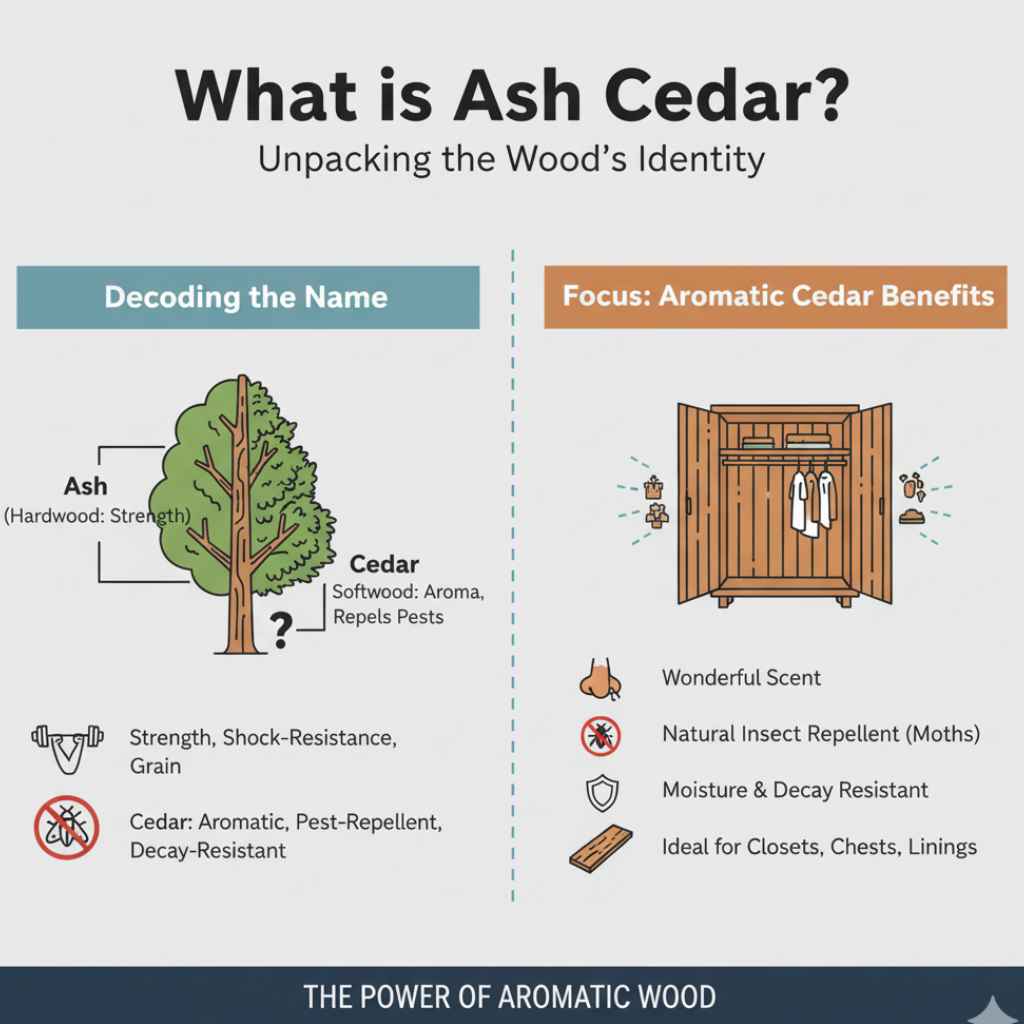
When we talk about “ash cedar,” it’s important to clarify what we mean. True cedar trees, like Eastern Red Cedar (Juniperus virginiana) or Western Red Cedar (Thuja plicata), are known for their distinct aromatic properties and natural resistance to pests and decay. Ash (Fraxinus genus) is a different type of hardwood, prized for its strength, shock resistance, and attractive grain pattern. Sometimes, people might refer to a wood that combines characteristics or perhaps uses both types of wood in a project. However, generally, when speaking of “ash cedar” in a woodworking context, it often implies the aromatic qualities of cedar for applications where that’s the primary benefit, or sometimes a wood that has been treated or finished to mimic cedar’s properties. For the purpose of this beginner’s guide, we’ll focus on the benefits typically associated with aromatic cedars, as these are the properties that make certain woods exceptionally desirable for specific uses.
Think of it this way: “cedar” brings the wonderful scent and bug-repelling magic, while woods like ash bring strength and a different kind of beauty. For simplicity and focusing on the benefits many look for, we’ll highlight the traits of aromatic cedars that make them so special, and why they are often a fantastic choice for your DIY adventures.
The Genius Benefits of Ash Cedar: Why It’s a Woodworker’s Dream
Ash cedar isn’t just any wood; it’s a powerhouse of natural advantages that make it a favorite for projects around the house and in the workshop. Let’s break down why this wood is so genius, especially for those just starting out.
1. Unbeatable Natural Pest and Insect Resistance
This is perhaps the most celebrated benefit of aromatic cedars. The wood naturally contains oils and compounds, like thujaplicins and other terpenes, that act as potent repellents for moths, silverfish, carpet beetles, and other common household pests. This means you can use ash cedar to protect your clothes, linens, and other stored items without resorting to chemical treatments.
- Moth Repellent: The aroma naturally discourages moths from nesting in closets and storage chests.
- Insect Deterrent: It helps keep other wood-boring insects and common pests away from your belongings.
- Chemical-Free: A natural solution that’s safer for your home and family compared to harsh pesticides.
For new woodworkers, this benefit is a huge win. You get added value and functionality in your projects simply by choosing the right material. Imagine building a blanket chest or lining a closet with ash cedar – your stored items will be better protected, and your home will smell fantastic!
2. Incredible Durability and Longevity
Despite its pleasant aroma and relatively light weight, ash cedar is surprisingly durable. Its natural oils also contribute to its resistance to decay and rot, making it an excellent choice for applications that might be exposed to moisture or the elements. While not as hard as oak or maple, its natural resilience means projects made from ash cedar can last for many years, standing up well to regular use.
This durability is great for beginners because it means your projects are more likely to withstand minor bumps and imperfections that can happen as you learn. You don’t have to worry as much about delicate finishes or the wood easily getting damaged.
3. The Allure of a Natural, Invigorating Aroma
One of the most distinctive features of ash cedar is its unmistakable, pleasant scent. It’s a fresh, slightly sweet, and woody aroma that many people find very appealing. This scent isn’t just a nice-to-have; it’s a functional characteristic. The aromatic oils are released slowly over time, providing a long-lasting fragrance that fills your space.
- Natural Air Freshener: It can help to subtly freshen closets, drawers, and storage areas.
- Pleasant Experience: Opening a cedar-lined closet or chest is always a delightful sensory experience.
- Long-Lasting: The scent can persist for years, though it can be reactivated by light sanding.
This natural fragrance adds a touch of luxury and well-being to your projects. Unlike artificial air fresheners, the aroma from ash cedar is clean and natural, contributing to a healthier home environment. For beginners, this means even a simple project can feel more sophisticated and rewarding due to the inherent fragrance of the wood itself.
4. Ease of Working and Machining
For DIY enthusiasts and new woodworkers, how easy a wood is to cut, shape, and finish is paramount. Ash cedar is generally considered a moderately easy wood to work with using hand tools and power tools. It has a relatively straight grain and a fine, uniform texture, which makes it less likely to split or splinter compared to some other woods.
- Easy to Cut: It machines cleanly and doesn’t require excessively sharp tools.
- Simple to Sand: Its fine texture makes sanding to a smooth finish straightforward.
- Good for Fastening: It holds nails and screws well without significant splitting.
This makes it an ideal choice for learning basic woodworking techniques. You can practice your cuts, joinery, and finishing skills without fighting the wood, leading to more successful and confidence-boosting first projects. Its forgiving nature means fewer frustrations and more enjoyable learning experiences.
5. Aesthetic Versatility: Rustic Charm to Modern Appeal
Ash cedar offers a beautiful, natural appearance. The color can range from pale yellows and tans to rich reddish-browns, often with darker streaks. The grain can be straight or slightly wavy, providing visual interest. While it has a rustic charm, it can also be finished to achieve a more polished look, depending on your project and personal style.
Whether you’re building an old-fashioned hope chest or modern shelving, ash cedar can adapt. Its natural beauty means it looks great with a clear finish, allowing its natural color and grain to shine through. This makes it very beginner-friendly, as you don’t need complex finishing techniques to achieve a visually appealing result.
Common Applications for Ash Cedar Projects
Given its wonderful set of benefits, ash cedar is a popular choice for a variety of woodworking projects, many of which are perfect for beginners looking to build practical and beautiful items for their homes.
1. Cedar Chests and Storage Boxes
This is perhaps the most classic application. Cedar chests are renowned for their natural moth-repelling qualities, making them ideal for storing blankets, sweaters, and other seasonal clothing. The aroma helps keep pests away, while the wood itself lends a timeless, rustic elegance to the piece.
Beginner Tip: A simple cedar chest can be constructed with basic joinery like butt joints reinforced with screws and glue, or introduce yourself to simple dadoes or rabbets. The aromatic quality of the wood means even a straightforward build will feel and smell luxurious.
2. Closet Linings and Drawer Inserts
Lining the interior of closets or building custom drawer inserts with ash cedar provides a natural way to protect your clothes and linens from moths and other insects. It also imparts a pleasant, fresh scent to your wardrobe and personal items.
Beginner Tip: Using cedar planks or panels to line a closet is a great way to get comfortable with measuring, cutting, and fastening wood to existing structures. Drawer inserts can be simple boxes, perfect for practicing precise cuts.
3. Outdoor Furniture and Accents
The natural resistance to rot and decay makes ash cedar suitable for outdoor applications, though it’s not as robust as some other exterior woods like redwood or teak in very wet environments. However, for benches, birdhouses, or decorative garden accents, it offers a beautiful and aromatic option.
Beginner Tip: Consider building a simple garden bench or a small birdhouse. These projects are excellent for practicing basic construction techniques and will hold up reasonably well outdoors, especially in drier climates, thanks to cedar’s natural defenses.
4. Craft Projects and Small Items
Smaller projects like decorative boxes, jewelry holders, cutting boards (ensure it’s a safe type of cedar for food contact or use as a decorative element), or wall art can beautifully showcase the grain and aroma of ash cedar. These smaller items are fantastic for honing skills and creating thoughtful gifts.
Beginner Tip: Small boxes with simple lid designs are excellent practice for precise cuts and fitting. Even simple coasters or pencil holders can be made more special with the scent and look of cedar.
Working with Ash Cedar: Tips for Beginners
As a beginner, working with any new material can seem daunting. But with ash cedar, you’ve chosen a wood that’s generally forgiving and rewarding. Here are some tips to make your experience even smoother.
1. Selecting Your Wood
When buying ash cedar, look for boards that are free of large knots or cracks, especially in critical areas of your project. Ensure the wood has a pleasant aroma – if it smells faint, it might be older or have lost some of its natural oils. The color should be relatively uniform, though variations are normal and add character.
2. Cutting and Shaping
Ash cedar cuts cleanly. You can use handsaws, jigsaws, circular saws, or table saws. Always wear safety glasses! When using power tools, ensure your saw blades are sharp for the cleanest cuts. The wood’s softness means it’s less likely to bind or kick back, but always maintain good control.
For detailed shaping or carving, the wood responds well. Remember that while it’s resistant to decay, it’s a softwood, so it can dent if sharp objects are dropped on it.
3. Fastening and Joining
Nails and screws hold well in ash cedar. Pre-drilling pilot holes is recommended, especially near the ends of boards, to prevent splitting, though it’s less critical than with very hard woods. Wood glue also forms a strong bond. For simple projects, butt joints with glue and screws are usually sufficient. For more advanced projects, you might explore joinery like pocket holes, dadoes, or rabbets.
4. Finishing Touches
Many woodworkers prefer to leave ash cedar unfinished to preserve its natural aroma. If you do wish to finish it:
- Clear Sealants: A clear coat (like polyurethane or lacquer) can protect the wood and enhance its natural color without altering the scent significantly.
- Oils and Waxes: Natural oils (like tung oil or linseed oil) can deepen the color and provide a subtle sheen.
- Avoid Stains: Heavy stains can mask the wood’s natural beauty and may interfere with the aroma.
For projects like cedar chests, an unfinished interior is often best to maximize the pest-repelling benefits. The exterior can be finished to match your decor.
5. Revitalizing the Aroma
Over time, the scent may fade. You can easily refresh it by lightly sanding the surface of the wood with fine-grit sandpaper (around 120-180 grit). This releases fresh aromatic oils. A quick wipe down with a damp cloth can also help.
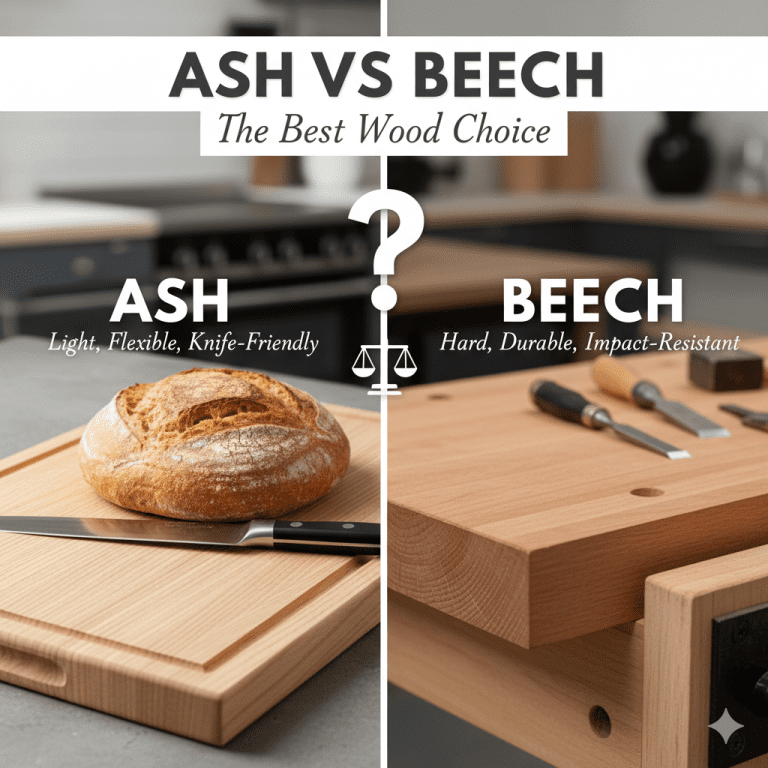
Ash Cedar vs. Other Popular Woods: A Quick Comparison
Understanding how ash cedar stacks up against other common woods can help you make informed decisions for your projects. Here’s a look at some popular comparisons.
| Wood Type | Key Characteristics | Pros for Beginners | Cons for Beginners | Typical Use Cases |
|---|---|---|---|---|
| Ash Cedar (Aromatic Cedars) | Aromatic, Pest Resistant, Moderate Durability, Light Color, Straight Grain | Natural pest/rot resistance, pleasant scent, easy to work with, affordable. | Softer than hardwoods (marks easily), scent can be strong for some. | Cedar chests, closet linings, drawers, decorative boxes. |
| Pine | Softwood, Lightweight, Yellowish/White color, Straight Grain | Very affordable, easy to cut and sand, widely available. | Soft (dents/scratches easily), can have knots that affect look and workability. | First projects, framing, simple shelving, painted furniture. |
| Oak | Hardwood, Strong, Durable, Distinctive Grain, Tan/Brown color | Very strong and durable, looks beautiful with finishes. | Harder to cut and machine, more expensive, can be heavy. | Furniture, flooring, cabinetry, outdoor structures. |
| Walnut | Hardwood, Rich Dark Color, Beautiful Grain, Strong | Stunning aesthetic, carves well. | Expensive, can be brittle, requires careful finishing. | Fine furniture, gunstocks, decorative inlays. |
As you can see, ash cedar occupies a sweet spot for many beginner projects. It offers functional benefits (pest resistance, aroma) that woods like pine lack, while being significantly easier and more affordable to work with than hardwoods like oak or walnut. If you’re looking for a wood that offers more than just structural integrity, ash cedar is a fantastic value.
Where to Find Ash Cedar
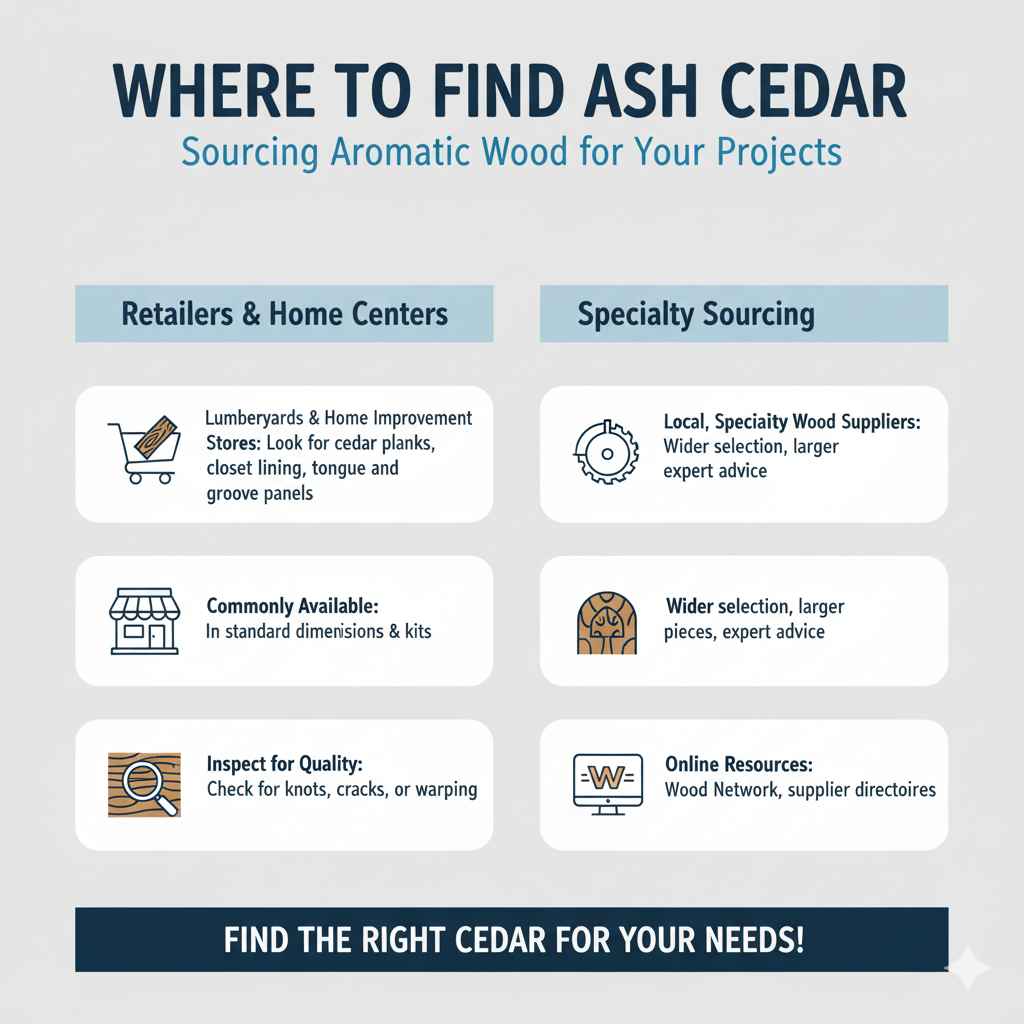
You can typically find ash cedar at most lumberyards and home improvement stores. Look for “cedar planks,” “cedar closet lining kits,” or “cedar tongue and groove panels.” These are readily available in standard dimensions.
For larger projects or specific types of aromatic cedar, you might need to visit a local, specialty lumber supplier. They often have a wider selection and can provide more expert advice. When purchasing, it’s always a good idea to inspect the wood for quality. Visit resources like the Wood Network for general wood information or specific lumber supplier directories.
Frequently Asked Questions about Ash Cedar
1. Is ash cedar safe to use for storing clothes?
Yes, absolutely! Aromatic cedars are naturally repellent to moths and other fabric pests, making them an ideal and safe material for lining closets and building cedar chests. The oils that create the scent are natural and don’t pose a risk to your garments.
2. How long does the cedar scent last?
The scent can last for many years, gradually fading. You can easily refresh the aroma by lightly sanding the wooden surface with fine-grit sandpaper. This releases more of the aromatic oils.
3. Can I paint or stain ash cedar?
While you can paint or stain ash cedar, it’s generally not recommended if you want to preserve its natural aroma and beautiful, natural look. If you do choose to finish it, opt for clear sealants or light oils that allow the wood’s natural characteristics to show through. Heavy stains can significantly reduce the scent.
4. Is ash cedar a hardwood or softwood?
Aromatic cedars, like Eastern Red Cedar and Western Red Cedar, are botanically classified as softwoods. This means they are generally softer, less dense, and easier to cut and shape than hardwoods like oak or maple. However, they are still durable enough for many applications.
5. Will ash cedar protect against all insects?
Ash cedar is highly effective at repelling common fabric pests like moths, silverfish, and carpet beetles. While it deters many insects, it may not provide complete protection against all types of wood-boring insects, especially in environments with high moisture or severe infestations. However, for typical household use, its repellent qualities are excellent.
6. Can I use ash cedar for outdoor projects?
Yes, many types of aromatic cedar have good natural resistance to rot and decay, making them suitable for some outdoor projects like birdhouses or decorative garden structures. However, for applications that are constantly exposed to harsh weather and moisture, woods like redwood or cedar of Lebanon might offer superior longevity. Ensure proper sealing for any outdoor use.
Conclusion: Embrace the Natural Goodness of Ash Cedar
As we’ve explored, ash cedar is a truly remarkable material that offers a blend of functionality, beauty, and natural charm. For beginners embarking on their woodworking journey, it presents a forgiving and rewarding medium. Its inherent pest resistance, delightful aroma, and ease of use mean that your first projects are more likely to be successes, boosting your confidence and inspiring you to take on more.