Ash Wood BTU: Real Heat Output Per Cord (With Comparison Chart)
A seasoned cord of white ash puts out roughly 23.6 to 24.6 million BTU – a very good number, but not quite the “ties with oak and hickory” claim you’ll see repeated on a lot of firewood sites. Here’s what the real numbers look like next to other common species, why ash has a genuine edge when it’s not fully seasoned, and how to actually get its full heat output out of your stove or fireplace.
How Many BTU Does a Cord of Ash Wood Really Produce?
Forestry extension data (University of Kentucky’s firewood tables) puts white ash at about 24.6 million BTU per cord and blue ash at 23.8 million, both measured at roughly 20% moisture content – the target for properly seasoned wood. That’s a strong number: for comparison, the U.S. Energy Information Administration uses a rough baseline of about 20 million BTU for an “average” cord of mixed firewood, so ash is running well above average. It’s just a notch below the very top tier like shagbark hickory, not tied with it.
Best Maul for Splitting Ash Firewood
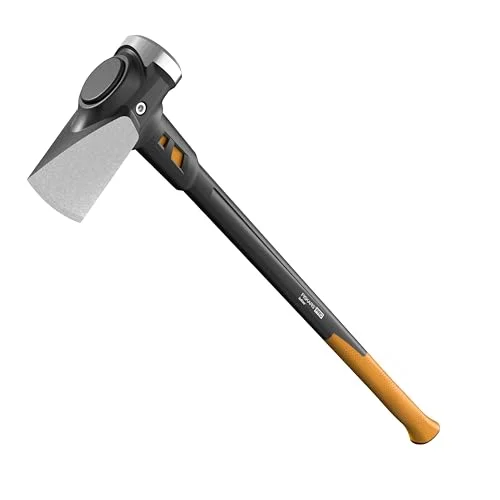 |
Fiskars Pro IsoCore 8 lb Splitting Maul, 36″ – $54.45 Splitting ash rounds into smaller pieces exposes more surface area to air, which is what actually gets you to full BTU output sooner – this maul’s wide-angle head and shock-absorbing handle make quick work of ash’s straight grain.
|
Here’s how seasoned ash stacks up against the other firewood species people usually compare it to. These are approximate figures – exact BTU content varies a bit by source, tree age, and how the wood was measured – but the relative ranking holds up consistently across forestry data:
| Wood Type | Approx. BTU per Cord (Seasoned, ~20% Moisture) |
|---|---|
| Shagbark Hickory | ~27-28 million BTU |
| White Oak | ~25-26 million BTU |
| White Ash | ~23.6-24.6 million BTU |
| Sugar Maple | ~24 million BTU |
| Yellow Birch | ~21-22 million BTU |
| White Pine | ~14-15 million BTU |
So ash is genuinely excellent firewood – just below oak and well below hickory, not interchangeable with them. What actually makes ash stand out isn’t a chart-topping BTU number; it’s how forgiving it is if you can’t wait a full year for it to season.
Why Ash Burns Better Than Most Woods When It’s Still Green
This is the part most BTU charts skip entirely. A living ash tree already carries one of the lower natural moisture contents of any common firewood species – often somewhere in the 30-35% range fresh off the saw, compared with 60-80%+ for species like white oak or elm straight off the stump. That head start is exactly why ash has such a long-standing reputation among firewood users for being burnable, if not ideal, well before a full year of seasoning.
To be clear, this isn’t a reason to skip seasoning on purpose. Wood above 20% moisture still loses a real share of its BTU output to boiling off water before the fire ever heats your room, and it produces more smoke and creosote in the process. But if you’re genuinely caught short – a windfall tree after a storm, a supplier who under-delivered on seasoned stock – ash is the one common hardwood where “not quite dry yet” doesn’t mean “basically unburnable,” the way it does with green oak or elm.
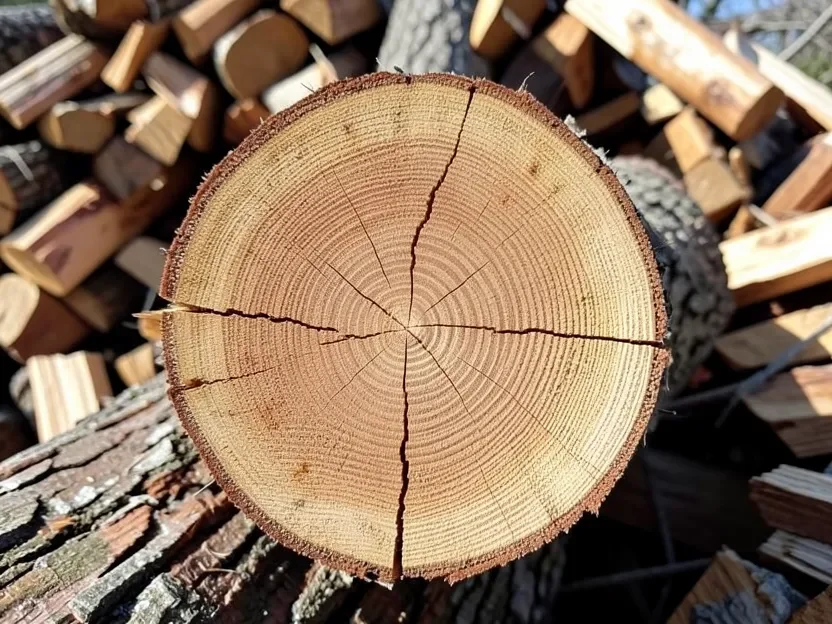
What Actually Changes Ash’s Real-World BTU Output
- Moisture content, by far the biggest factor: every pound of water in a log has to boil off before that log contributes usable heat. Wood at 20% moisture or below is doing real work; wood at 40-50% is spending a big share of its energy just drying itself out mid-burn.
- Density and species: white ash tends to run slightly denser, and slightly higher in BTU, than green ash. The difference is real but small enough that it rarely changes a buying decision.
- Split size and airflow: smaller, well-spaced splits burn more completely and release their full BTU content faster than oversized rounds that char on the outside before the core catches.
- How it’s measured: a lot of published BTU-per-cord figures are lab values for oven-dry wood, not real-world seasoned wood at 20% moisture – which is part of why you’ll see the number quoted anywhere from 20 to 29 million depending on the source.
Ash Wood’s Other Heating Advantages
Beyond the raw heat numbers, a few practical traits explain why ash stays popular with people who process their own firewood:
- Splits easily: ash has straight, consistent grain with none of the interlocked fibers that make elm or sweetgum a fight to split by hand.
- Burns clean: low sap content compared to softwoods means less creosote buildup in a well-maintained chimney, though annual sweeping is still non-negotiable regardless of species.
- Builds a solid coal bed: ash coals hold heat well, which makes it easier to reload the firebox and keep an overnight burn going.
- Widely available: ash trees grow across most of North America and Europe, so despite the issue below, it’s rarely hard to source.
The One Real Limitation: Emerald Ash Borer and Availability
None of the BTU numbers above are affected by the Emerald Ash Borer (EAB) – once a tree is felled, split, and seasoned, the beetle has no effect on how the wood burns. What it does affect is supply and price in areas where EAB has killed off large numbers of ash trees, and it also triggers real legal restrictions on moving unprocessed ash firewood across county and state lines in quarantine zones. For the full rundown on identifying ash firewood, safe seasoning timelines, and the actual EAB transport rules, see our complete guide: Is Ash Good Firewood? BTU Numbers, Seasoning Time & EAB Rules.
How to Burn Ash Wood for Maximum Heat
- Start with wood seasoned to 20% moisture or below – check with a moisture meter rather than guessing from weight or color alone (see our guide on how long ash wood actually takes to season).
- Build a hot coal bed first with dry kindling before adding full-size ash splits; ash needs a solid established flame to catch well given its density.
- Leave airspace between logs in the firebox – tightly packed wood smolders instead of burning cleanly, which wastes BTU and adds creosote.
- Open the air intake fully to get the fire established, then throttle back gradually once you have a strong bed of coals for a longer, steadier burn.
- Keep a shallow layer of ash in the firebox between reloads – it insulates the coal bed and helps the next log catch faster.
Buying and Storing Ash Firewood the Right Way
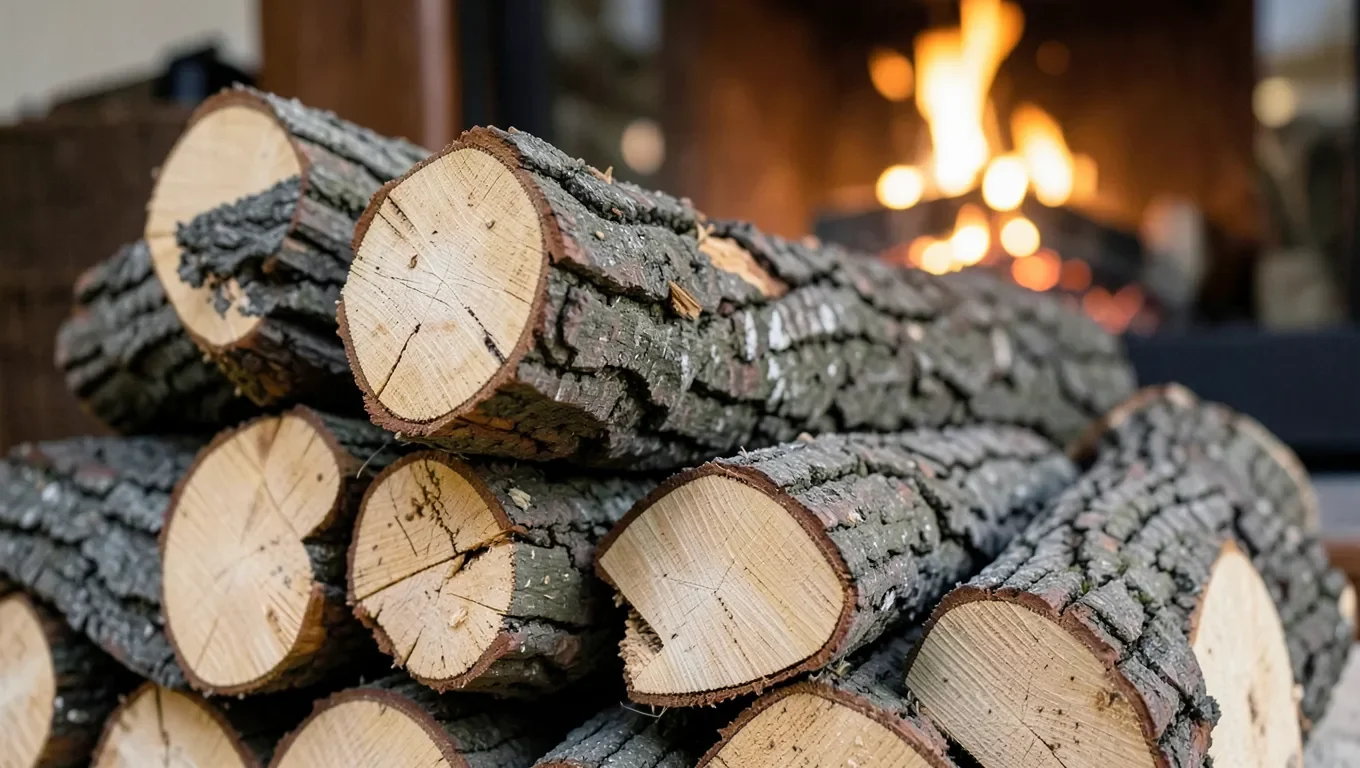
If you’re splitting your own logs, Ash trees makes a real difference in how fast it seasons. If you’re buying rather than splitting your own, ask the seller directly how long the wood has been seasoned – reputable dealers know and will tell you. Logs with cracked, checked ends and a noticeably lighter weight than a similar-sized green log are good signs; wood that still feels heavy or smells sappy usually isn’t ready. Once you have it home, stack it off the ground on a rack or pallets, leave the sides open for airflow, and cover only the top. Wrapping a woodpile completely traps moisture and slows seasoning instead of protecting it.
Frequently Asked Questions
How does ash wood’s BTU compare to oak?
Close, but oak edges it out. Seasoned white ash runs about 23.6 to 24.6 million BTU per cord, while white oak typically runs closer to 25-26 million. The difference is small enough that most people won’t notice it in day-to-day heating, but the two aren’t a perfect tie the way they’re sometimes described.
Can I burn ash wood before it’s fully seasoned?
Better than most hardwoods, but it’s still not ideal. Freshly cut ash typically measures around 30-35% moisture, well below the 60-80%+ you’d see in green oak or elm, so it burns noticeably better than other green wood in a pinch. Full seasoning to under 20% moisture will still get you more heat and less smoke, so treat “burnable while green” as a backup plan, not a shortcut.
Does the Emerald Ash Borer lower ash firewood’s BTU or heat quality?
No. Once a tree is cut, split, and seasoned, EAB has zero effect on how it burns or how much heat it produces. It affects local supply, price, and – in quarantine areas – whether you’re legally allowed to transport unprocessed logs across county or state lines.
How many cords of ash wood do I need to heat a home for a season?
It varies a lot by climate, insulation, and stove efficiency, but a common rough range for a primary wood-heated home in a cold climate is 3 to 6 cords of hardwood per season; a home using wood as supplemental heat needs considerably less. Since a modern airtight stove only converts a portion of a log’s raw BTU into usable room heat, actual comfort depends as much on your stove’s efficiency rating as on the wood’s BTU-per-cord number.
Is ash wood safe to use in a pellet stove?
No. Pellet stoves are built to burn manufactured pellets of a uniform size, density, and moisture content. Feeding whole ash logs into one can damage the appliance and burns far less efficiently than it’s designed for.
Bottom line: ash is genuinely strong firewood – about 24 million BTU per cord seasoned, a notch below oak and hickory but well above average – and its low natural moisture content makes it the most forgiving common hardwood if you’re stuck burning it before a full season of drying. Split it small, season it to 20% moisture when you can, and it’ll deliver clean, reliable heat all winter.
Sponsored / affiliate links. As an Amazon Associate I earn from qualifying purchases. I may earn additional commission from eligible campaigns.