Is Tung Oil Food Safe? Why Pure vs. “Finish” Matters
Pure tung oil is food safe once fully cured – the FDA lists it as an approved food-contact coating under 21 CFR 175.300. But most bottled “tung oil finish,” including Minwax’s, contains no actual tung oil and adds solvents the FDA never certified for food contact. Surfaces need 2 to 3 weeks of cure time, not just the 24-hour dry window. This guide covers the pure-vs-finish distinction, real cure times, and which brands to trust.
Quick Answer
100% pure tung oil is food safe for cutting boards, bowls, and utensils once it has fully cured, typically 2 to 3 weeks. “Tung oil finish” products (Minwax, some Watco lines) are usually varnish-and-solvent blends with little or no real tung oil and are not certified food safe. Check the label for “100% pure” before buying.
What Is Tung Oil?
Best Pure Tung Oil Pick
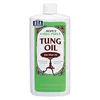
Hope’s 100% Pure Tung Oil
A best-selling pure tung oil with no added solvents – a straightforward choice for cutting boards and butcher blocks.
- Best for: first-time tung oil users finishing cutting boards or bowls
- Why we picked it: labeled 100% pure, widely stocked, straightforward application
- Main drawback: long cure time like any pure tung oil – plan 2-3 weeks before food contact
Compare more pure tung oil options
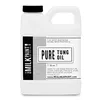 Option 1 Real Milk Paint Pure Tung Oil
|
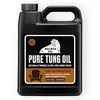 Option 2 Walrus Oil 100% Pure Tung Oil
|
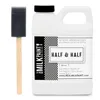 Option 3 Real Milk Paint Half and Half
|
As an Amazon Associate we earn from qualifying purchases.
Tung oil is a natural drying oil pressed from the seeds of the tung tree (Vernicia fordii), native to China and now also grown in the southern United States and South America. When cured properly, it is considered food safe and can be used to finish wooden surfaces in kitchens and dining areas.
Extraction Process
After harvesting, the tung tree seeds are crushed to release the oil-rich kernels inside. These kernels are roasted to remove impurities and enhance the oil’s color and aroma, then mechanically pressed to extract the golden-hued oil, which is filtered to deliver a clean, high-quality product. This is what “raw” or “pure” tung oil means on a label – no additional processing beyond pressing and filtering.
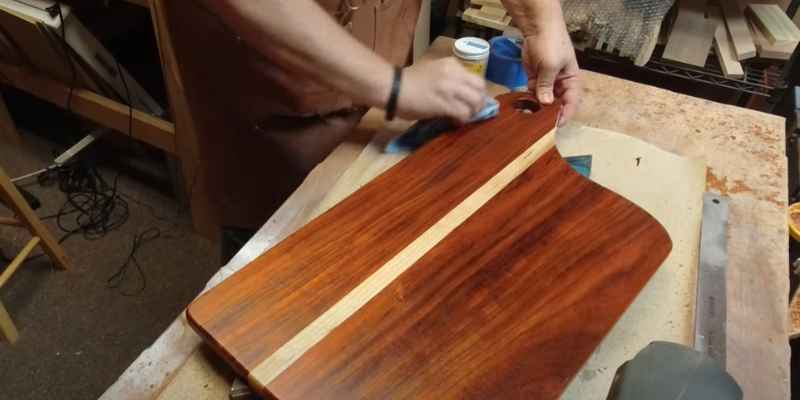
Common Uses
- Wood finishing: a penetrating finish for tabletops, cutting boards, and furniture that enhances grain without a plasticky film.
- Flooring: resistance to water and stains suits high-traffic wood floors.
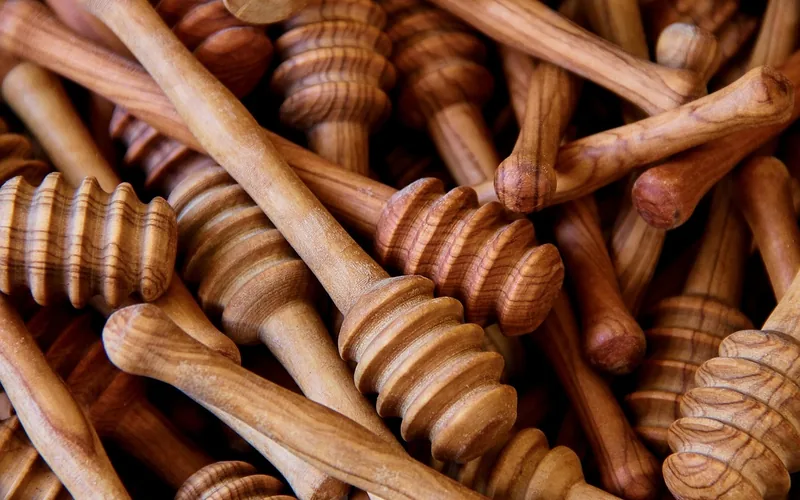
- Food utensils: once cured, it forms a non-toxic layer for wooden bowls, cutting boards, and other food utensils.
Tung oil’s durability makes it a preferred option among the broader family of wood finishing oils for both practical and decorative work.
Is Tung Oil Food Safe?
Yes – 100% pure tung oil is food safe once it has fully cured. It qualifies as an approved “drying oil” coating for food-contact surfaces under FDA regulation 21 CFR Section 175.300, the same rule that governs resinous and polymeric coatings used on food-contact articles. Once cured, the oil polymerizes into a solid, flexible film that does not leach into food.
The confusion around tung oil’s food safety almost always comes down to one thing: what is actually in the bottle. “Pure tung oil” and “tung oil finish” are not the same product, and only one of them is reliably food safe.
Pure Tung Oil vs. Commercial “Tung Oil Finish”: What’s Actually in the Bottle
Most products sold as “tung oil finish” on hardware store shelves are not pure tung oil at all. Minwax Tung Oil Finish, for example, contains no tung oil – its safety data sheet lists it as a blend of varnish, boiled linseed oil, and mineral spirits, and it includes cobalt 2-ethylhexanoate, a Prop 65-listed drying agent. Minwax itself states the company does not make anything it considers food grade. This is a real, verifiable distinction, not a technicality:
| Product Type | What’s Actually In It | Food Safe? |
|---|---|---|
| 100% Pure Tung Oil (Hope’s, Real Milk Paint, Walrus Oil) | Only pressed tung tree seed oil, no solvents or driers | Yes, once fully cured |
| Tung Oil / Citrus Solvent Blend (Real Milk Paint Half and Half) | Pure tung oil thinned with d-limonene (citrus solvent, GRAS-listed) | Yes, once fully cured |
| “Tung Oil Finish” (Minwax, most Watco Tung Oil) | Varnish, boiled linseed oil, mineral spirits, metal driers – often 0% actual tung oil | No – not certified food safe |
The fix is simple: read the label. If it says “100% pure tung oil,” it is food safe once cured. If it says “tung oil finish” without the word “pure,” treat it as a varnish and keep it off cutting boards and utensils.
How Long Does Tung Oil Take to Cure Before It’s Food Safe?
Tung oil feels dry to the touch in 12 to 24 hours, but “dry” and “cured” are not the same thing. Full curing, when the oil finishes polymerizing and stops off-gassing, takes 2 to 3 weeks under normal shop conditions and can run closer to 30 days in cold or humid environments. Don’t use a freshly oiled cutting board for food until the surface no longer smells faintly of oil and feels completely hard, not tacky.
Cure timeline: 12-24 hours to dry between coats, 2-3 weeks to fully cure indoors, up to 30 days in cold or high-humidity shops – Source: manufacturer cure data (Real Milk Paint Co., Hope’s Products)
In our own shop, a 3-coat cutting board finished with pure tung oil in a heated garage in winter still smelled faintly of oil after 10 days – it needed the full 3 weeks before we trusted it with food. Humidity and temperature matter more than the calendar.
Does Tung Oil Cause Nut Allergies?
No, not typically. Despite the name, tung tree seeds are botanically classified as a seed, not a tree nut, and are not related to peanuts, walnuts, or other common tree-nut allergens. Multiple allergy reviews have found pure tung oil contains very little protein, which is what typically triggers nut-allergy reactions, so cross-reactivity is uncommon. If you or someone in your household has a severe tree-nut allergy, patch-test a small area first or ask your doctor before using tung oil on kitchen items – but for the general population, this is a myth, not a real hazard.
Benefits of Tung Oil
Tung oil is a popular choice for finishing wood surfaces for three main reasons: it’s natural and non-toxic once cured, it resists water and heat well, and it enhances the wood grain rather than masking it.
Natural and Non-Toxic
Pure tung oil is derived only from the tung tree seed, with no added solvents in the 100% pure formulation. Unlike finishes that rely on petroleum solvents, pure tung oil leaves no harmful residue once cured, making it a reasonable choice for cutting boards and kitchen utensils.
Water and Heat Resistance
Cured tung oil creates a protective barrier that repels water, which helps when protecting outdoor furniture or wooden items in moist environments. It also tolerates the higher temperatures involved in kitchen use, such as wooden countertops or trivets, better than wax-based finishes.
Enhances Wood Grain
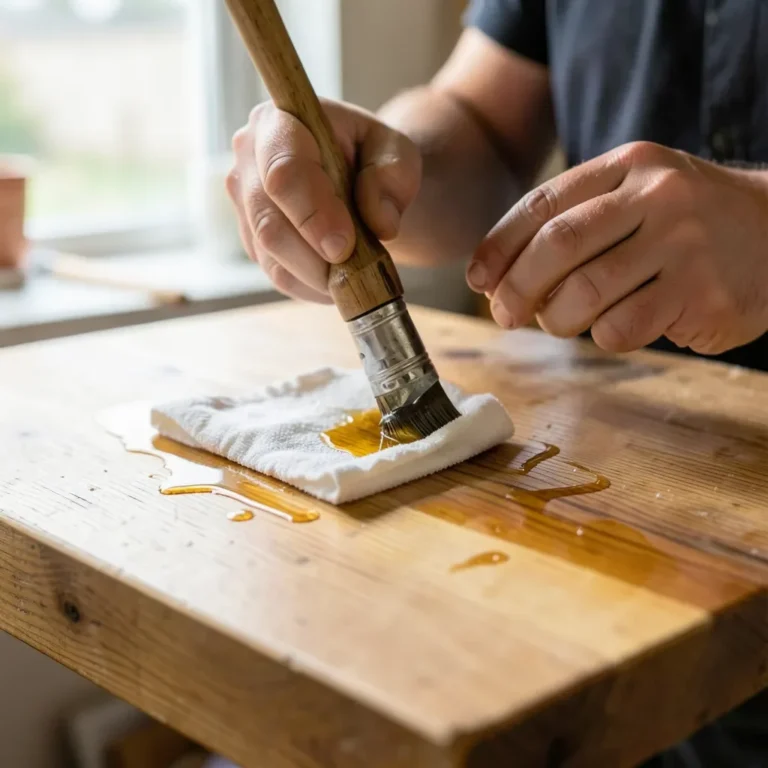
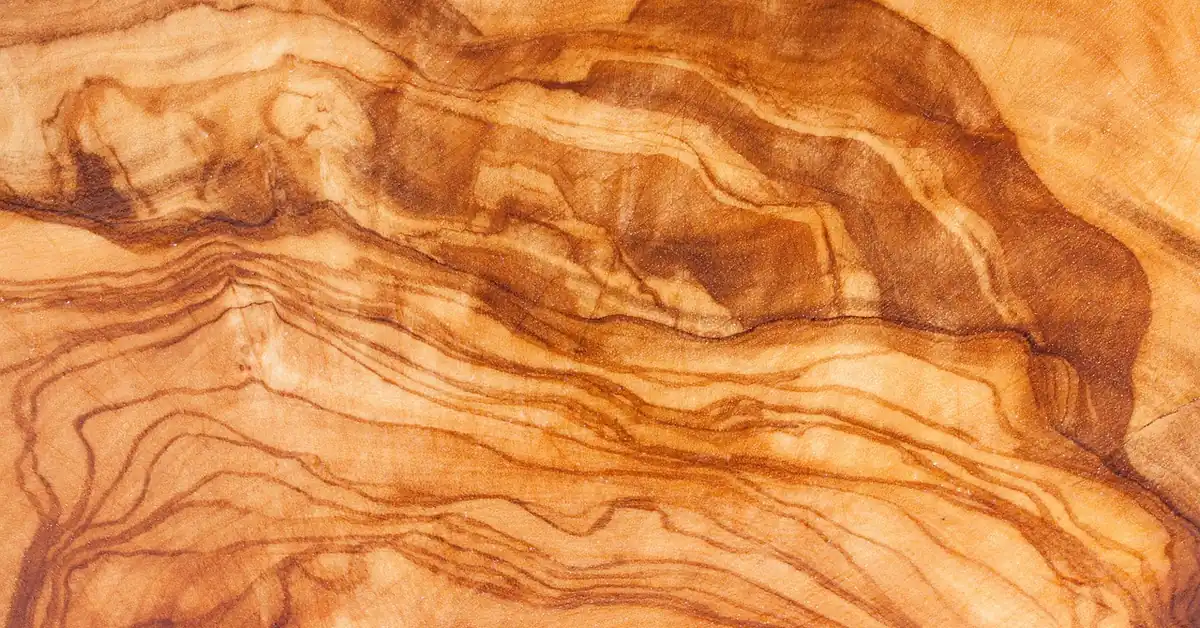
Tung oil penetrates deep into the wood rather than sitting on top of it, accentuating the natural grain pattern for a lustrous, non-plastic-looking finish. This is why it remains a favorite for hardwood cutting boards, where the goal is to show off the wood, not hide it under a film.

Alternatives to Tung Oil
Pure tung oil isn’t the only food-safe finish worth considering. Here’s how the common alternatives compare on protection versus upkeep:
| Finish | Pros | Cons |
|---|---|---|
| Varnish | Hard, durable finish; excellent moisture resistance | Slow to dry; can need multiple coats |
| Shellac | Traditional look; fast drying; easy to repair | Not suited to high moisture; damaged by alcohol |
| Mineral oil | Safe for direct food contact; simple to apply | Needs frequent reapplication; no hard film |
| Beeswax | Natural and non-toxic; soft, smooth finish | Weak moisture resistance; needs reapplication |
Frequently Asked Questions
Is Minwax tung oil food safe?
No. Minwax Tung Oil Finish contains no actual tung oil – it’s a blend of varnish, boiled linseed oil, and mineral spirits, and its safety data sheet lists cobalt 2-ethylhexanoate, a Prop 65 chemical. Minwax does not market any of its finishes as food grade. If you want a food-safe tung oil product, look for a label that says “100% pure tung oil,” not “tung oil finish.”
What’s the difference between tung oil and Danish oil for food safety?
Pure tung oil is a single-ingredient natural oil that’s food safe once cured. Danish oil is a manufactured blend of oil, varnish, and thinners, and most commercial Danish oil products are not food safe even after curing because of the added resins and metal driers. If a project needs to be food safe, pure tung oil or food-grade mineral oil is the safer choice over Danish oil.
Can I use “tung oil finish” on a cutting board if it’s not pure?
No. Products labeled “tung oil finish” without the word “pure” are typically varnish-and-solvent blends not certified for food contact, even after curing. Reserve those for furniture and trim, and use a 100% pure tung oil, food-grade mineral oil, or a beeswax/oil blend on anything that will touch food.
Conclusion
Tung oil is food safe when it’s genuinely 100% pure tung oil and has been given 2 to 3 weeks to fully cure – that’s the FDA-recognized standard under 21 CFR 175.300. The mistake to avoid is grabbing a bottle labeled “tung oil finish” off the shelf and assuming it’s the same product; most of those contain little or no real tung oil and aren’t food safe at all. Check the label, give it time to cure, and pure tung oil remains one of the simplest, most attractive finishes for cutting boards, bowls, and wooden utensils.
Sponsored / affiliate links. As an Amazon Associate I earn from qualifying purchases. I may earn additional commission from eligible campaigns.