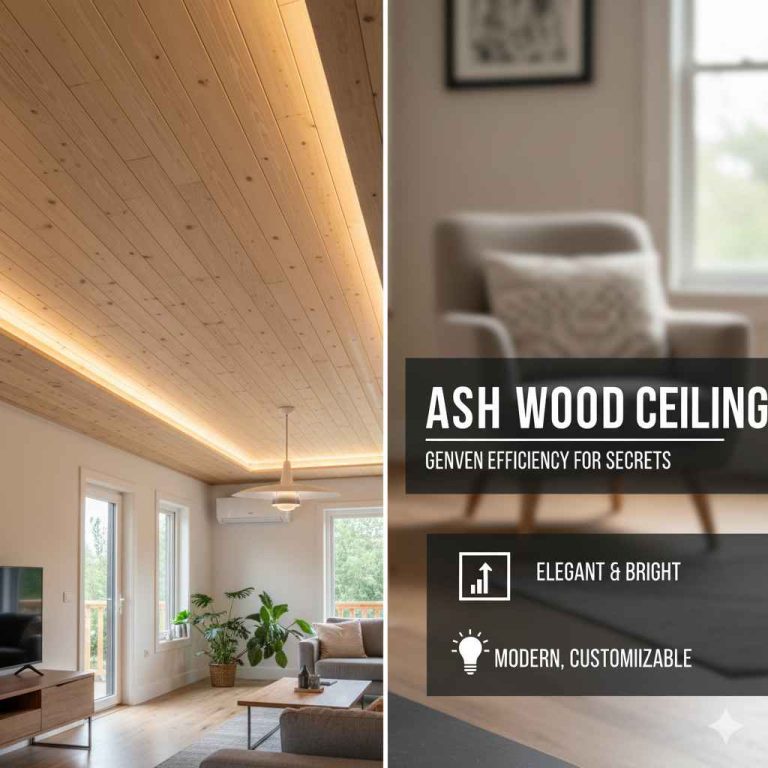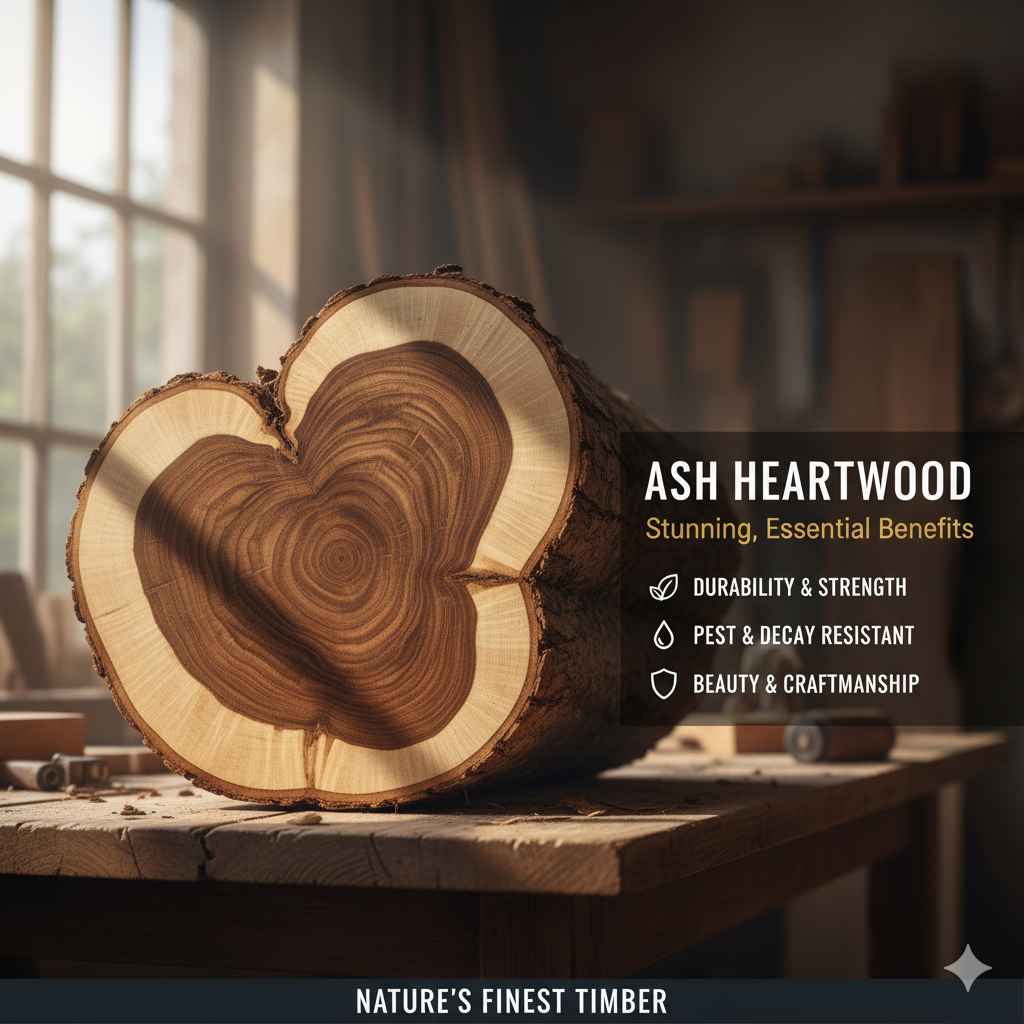
Ash Heartwood: Stunning, Essential Benefits
Ash heartwood offers remarkable strength, shock resistance, and a beautiful, light-colored grain, making it an excellent choice for furniture, tools, sports equipment, and decorative pieces. Its unique properties provide both visual appeal and lasting durability for your woodworking projects.
Hey there, woodworking friends! Ever looked at a piece of furniture or a sturdy tool handle and wondered what makes it so strong and good-looking? Often, the answer is beautifully grained hardwood, and today, we’re diving into one of the stars: ash heartwood. It can be a bit puzzling when you’re starting; you see different kinds of wood, and it’s hard to know which is best for your project. Don’t worry! Ash heartwood is more accessible than you might think, and understanding its benefits will help you pick the perfect wood. We’ll break down exactly why this wood is so special and how you can use it. Get ready to discover a fantastic material that’s both beautiful and incredibly useful!
What is Ash Heartwood?
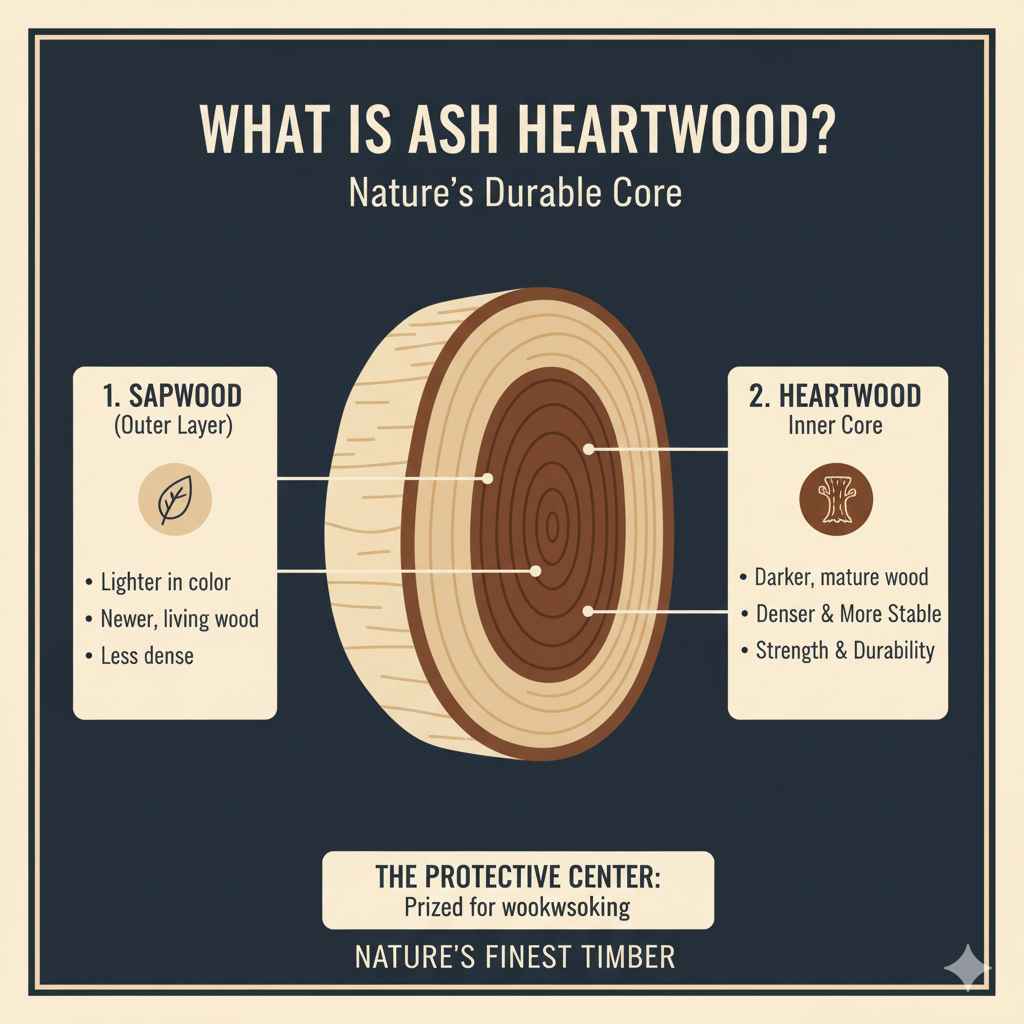
Before we get into the amazing benefits, let’s clarify what “ash heartwood” actually means. Ash trees (genus Fraxinus) are common in many parts of the world. Like many hardwoods, an ash tree has two main parts in its trunk: the sapwood (the outer, living layer) and the heartwood (the inner, dead layer). The heartwood is the darker, more mature wood at the center of the tree.
When we talk about ash heartwood, we’re referring to this core wood. It’s known for being denser, more stable, and often a bit darker in color than the sapwood. While sometimes sold together, the heartwood is the part that typically boasts the most desirable properties for many woodworking applications, especially where strength and durability are key. Think of it as the tree’s protective core, packed with character and resilience.
The Stunning Benefits of Ash Heartwood
Ash heartwood isn’t just another pretty wood; it’s a workhorse with a stunning appearance. Its combination of strength, flexibility, and a distinct grain pattern makes it a favorite among woodworkers for a wide range of projects. Let’s explore why it’s so highly valued.
1. Exceptional Strength and Durability
One of the primary reasons ash heartwood is so sought after is its incredible strength. It ranks high in terms of Janka hardness, meaning it’s very resistant to denting and wear. This makes it perfect for items that will see a lot of use.
- Impact Resistance: Ash heartwood is renowned for its excellent shock absorption. This is why it’s historically been used for tool handles (like hammers and axes), baseball bats, and even parts of musical instruments. It can withstand a beating without breaking.
- Load Bearing: Its structural integrity means it can support significant weight. This makes it a solid choice for furniture frames, chair legs, and other pieces that need to be robust.
- Longevity: When properly finished, projects made from ash heartwood can last for generations. It doesn’t easily warp or degrade over time when protected from excessive moisture.
2. Striking Visual Appeal with a Clear Grain
Beyond its brawn, ash heartwood is also a looker! Its grain pattern is one of its most distinctive features, offering a clean and classic aesthetic that complements many design styles.
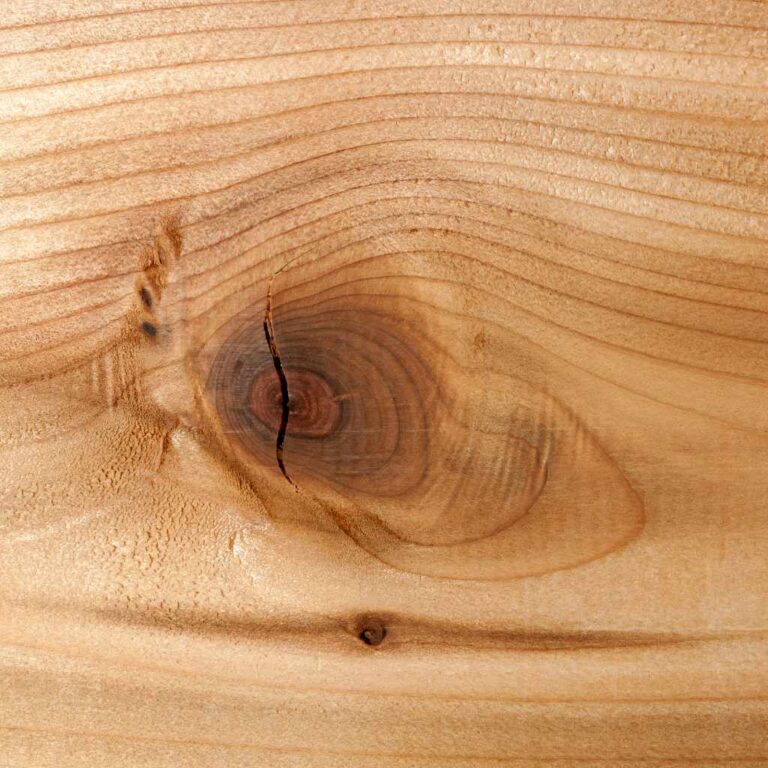
- Light Color: Ash heartwood typically has a creamy white to light brown color. This light, airy tone can make spaces feel brighter and more open.
- Pronounced Grain: The grain is usually straight and coarse, with prominent growth rings that create a beautiful, often wavy or figured, pattern. This contrasts nicely with the lighter background, adding visual interest.
- Stainability: Because of its light color and open grain, ash heartwood takes stains exceptionally well. You can easily achieve a variety of finishes, from a natural look to darker, richer tones, or even painted finishes, without obscuring the natural wood character.
3. Remarkable Flexibility and Workability
While strong, ash heartwood isn’t brittle. It possesses a degree of flexibility that is quite unique among hardwoods. This, combined with its generally good workability, makes it a pleasure—and sometimes a necessity—to use.
- Bending Properties: Ash heartwood can be bent relatively easily when steamed, a process known as steam bending. This is crucial for creating curved furniture pieces, like the iconic bentwood chairs.
- Ease of Machining: For the most part, ash heartwood machines well. It cuts, sands, and finishes smoothly, provided you use sharp tools. Its straight grain helps prevent tear-out, making it forgiving for beginners.
- Fastening: It holds nails and screws securely, and it glues up well, which are essential considerations for any construction project.
4. Good Resistance to Pests and Fungi
The heartwood of trees is naturally more resistant to decay and insect attacks than the sapwood. While it’s not completely immune, ash heartwood offers a decent level of protection against common wood-destroying organisms, contributing to its long-term durability, especially in indoor applications.
- Natural Defenses: The tannins and other chemical compounds present in heartwood act as natural deterrents.
- Indoor Advantage: This is particularly beneficial for furniture, flooring, and cabinetry, where exposure to moisture and pests is a concern. For outdoor use, proper sealing and preservation treatments are still highly recommended. You can learn more about wood preservation from resources like the Forest Products Laboratory.
5. Affordability and Availability
Compared to some other premium hardwoods like cherry, walnut, or mahogany, ash heartwood is often more budget-friendly without compromising on quality. This makes it an excellent choice for DIYers and hobbyists looking for great value.
- Widespread Growth: Ash trees grow in many regions, leading to a consistent supply in lumber markets.
- Cost-Effective: Its relative abundance translates to a more accessible price point, making it feasible for larger projects or for those who are just starting out and want to experiment.
Common Uses for Ash Heartwood
Given its fantastic properties, ash heartwood finds its way into a surprisingly diverse array of items. Understanding these uses can spark ideas for your own projects.
Furniture Making
Ash heartwood is a staple in furniture construction. Its strength makes it ideal for frames and legs, while its beautiful grain is perfect for tabletops, cabinet doors, and shelves. Its ability to accept stains allows for a wide range of styles, from modern minimalist to classic traditional.
Tool Handles
As mentioned, the shock resistance and durability of ash make it the go-to wood for handles on axes, hammers, shovels, and other striking or digging tools. It absorbs vibrations well, making tools more comfortable to use and less likely to break from impact. For instance, the Wood Database provides detailed properties that highlight its suitability for such applications.
Sports Equipment
The combination of strength, flexibility, and shock absorption makes ash heartwood a prime material for sports equipment. Baseball bats, used for decades, are a prime example. Ash’s ability to flex and “whip” during a swing, coupled with its resistance to shattering, makes it ideal for hitting a ball.
Musical Instruments
From electric guitar bodies to drum shells, ash heartwood is chosen for its tonal qualities, stability, and appearance. It can produce bright, resonant sounds and holds finishes beautifully, making instruments both sound and look fantastic.
Flooring and Cabinetry
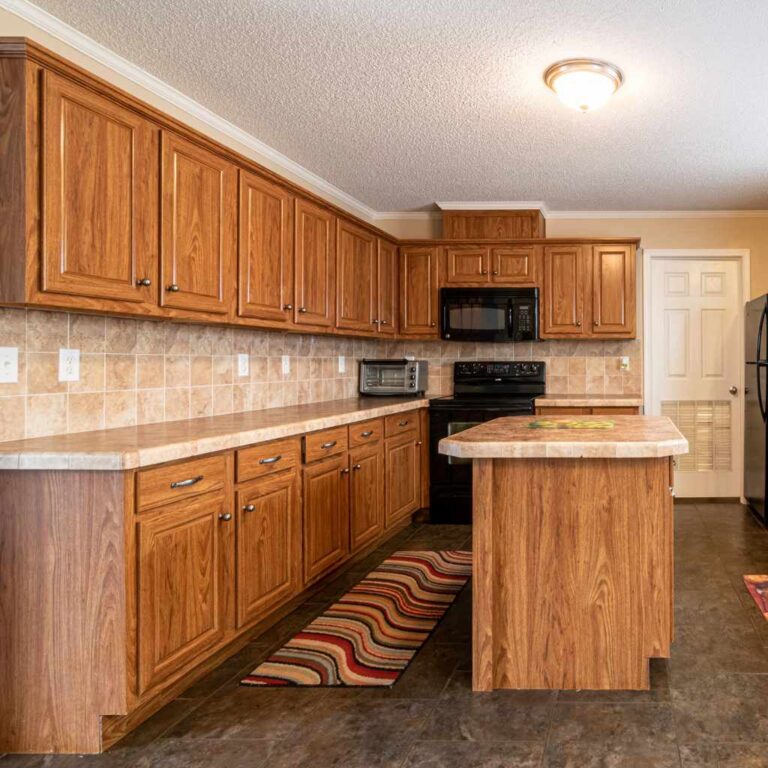
The durability of ash makes it a good choice for high-traffic areas like flooring. Its consistent light color and distinct grain can add a touch of natural elegance to any room. In kitchens and bathrooms, it’s also used for cabinetry, where its robustness is a significant advantage.
Decorative Items and Turning
For the woodturner, ash heartwood offers a beautiful canvas. It turns smoothly, and its attractive grain can be highlighted through various finishes, making it perfect for bowls, spindles, and decorative turned items.
Working with Ash Heartwood: Tips for Beginners
Ash heartwood is generally user-friendly for DIYers and beginners. However, like any wood, understanding a few key points will make your experience smoother and more successful.
Tool Selection
Sharp cabinet-grade saws, routers, and hand tools are your best friends when working with ash. Because it’s a hardwood, dull tools can lead to tear-out and rough cuts.
- Saws: Use a sharp, fine-toothed blade on your table saw or miter saw for clean cuts.
- Planners and Jointers: Excellent for flattening and squaring boards.
- Sandpaper: Start with a coarser grit (like 80 or 100) and work your way up to finer grits (220 or higher) for a smooth finish.
- Hand Tools: Sharp chisels, hand planes, and spokeshaves can be used for shaping and detail work.
Gluing and Fastening
Ash glues up very well. Use a good quality wood glue like Titebond II or Titebond III. For screws, pre-drilling pilot holes is highly recommended, especially near the ends of boards, to prevent splitting. Nails also hold firmly, but again, pilot holes can ease the process and prevent splitting.
Finishing
Ash heartwood’s natural color is light, making it a versatile choice for finishes. It readily accepts stains, lacquers, oils, and polyurethanes.
- Natural Look: A clear coat of polyurethane or a Danish oil will enhance its natural beauty and provide protection.
- Stained Finish: If you want a different color, ash takes gel stains and oil-based stains particularly well. Experiment with scrap pieces first to see how the stain penetrates the grain.
- Sealant is Key: Always apply a good sealant to protect the wood from moisture and stains, especially for furniture or items that will be frequently used.
Steam Bending Considerations
If you plan to steam bend ash, remember it requires specific equipment (a steam box, clamps, and forms) and practice. Research proper techniques for temperatures and durations to avoid breaking the wood. Companies like Rockler offer great guides on this technique.
Ash Heartwood vs. Ash Sapwood
It’s worth noting the difference between heartwood and sapwood, as you’ll often see both in lumber purchases.
| Feature | Ash Heartwood | Ash Sapwood |
|---|---|---|
| Color | Creamy white to light brown, sometimes with darker streaks | Nearly pure white, very light |
| Density and Hardness | Slightly denser and harder | Slightly less dense and hard |
| Stability | More stable, less prone to warping | Can be slightly less stable |
| Durability/Resistance | More resistant to rot and insects | Less resistant to rot and insects |
| Appearance in Projects | Provides contrast, depth, and traditional look | Offers a brighter, more uniform, modern look |
Often, lumber will contain a mix of both. For projects where maximum durability and resistance to decay are paramount, you’ll want to prioritize pieces with more heartwood. For a very uniform, bright look, sapwood might be preferred. Many furniture makers intentionally select lumber that features both for visual interest.
Potential Challenges with Ash
While ash heartwood is fantastic, it’s always good to be aware of potential challenges. The most significant concern in recent years has been the Emerald Ash Borer (EAB).
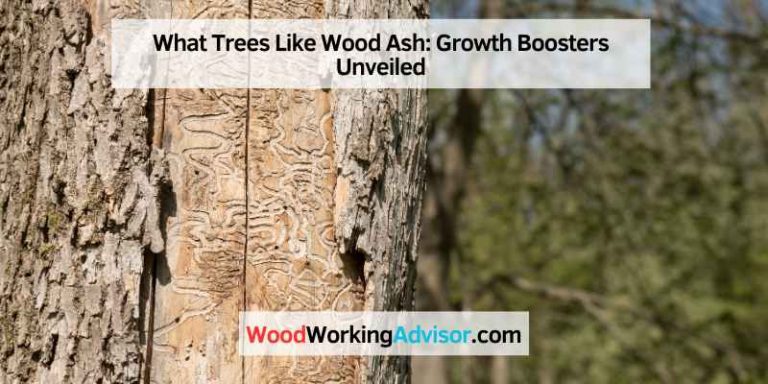
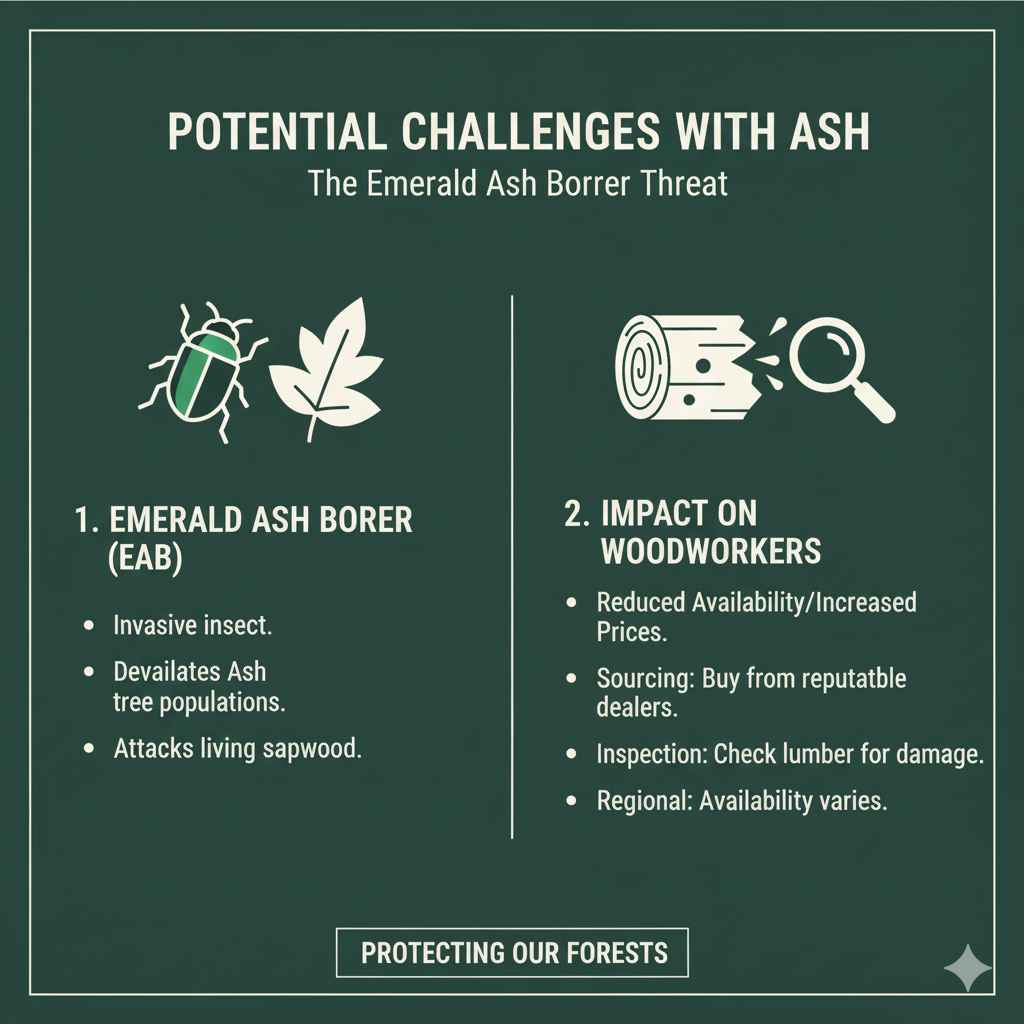
The Emerald Ash Borer is an invasive insect that has devastated ash tree populations across North America and parts of Europe. While it primarily attacks the living sapwood, impacting the tree’s health, heavily infested trees might have compromised wood quality. This has led to reduced availability in some regions and increased prices. For the woodworker, this means:
- Sourcing Carefully: It’s wise to source lumber from reputable dealers who can attest to the wood’s quality and origin.
- Inspection: Always inspect your lumber for signs of insect damage, even if it’s heartwood.
- Regional Availability: Availability can vary greatly depending on your geographic location and the local impact of EAB.
Despite this challenge, ash heartwood remains a desirable and workable lumber species. Awareness and careful sourcing are key to a successful project.
FAQ: Your Ash Heartwood Questions Answered
What makes ash heartwood stronger than sapwood?
Ash heartwood is stronger because it is the older, non-living core of the tree. Over time, it becomes denser and more infused with extractives that make it harder and more resistant to decay and insects compared to the living, outer sapwood.
Is ash heartwood good for outdoor furniture?
While ash heartwood has good natural durability, it’s not typically considered as rot-resistant as woods like cedar or redwood. For outdoor use, it should be thoroughly sealed and finished with exterior-grade products, and it may still require more maintenance than specialized outdoor woods.
Can I bend ash heartwood?
Yes! Ash heartwood is very amenable to steam bending thanks to its flexibility. This makes it ideal for creating curves in furniture and other shaped wooden items.
What kind of finish should I use on ash heartwood?
Ash heartwood takes a wide variety of finishes beautifully, from clear coats to stains. A good quality polyurethane, lacquer, or oil-based finish will protect the wood and enhance its natural grain. For a modern look, it also accepts paint very well.
Is ash heartwood easy for beginners to work with?
Generally, yes! Ash heartwood is considered relatively easy for beginners. It machines well, sands smoothly, and glues and fastens reliably. The main consideration is using sharp tools to prevent tear-out, especially with its prominent grain.
How can I tell the difference between ash heartwood and sapwood?
Ash heartwood is typically a light brown color, sometimes with darker streaks, while ash sapwood is almost pure white. When buying lumber, you’ll often see a mix. Heartwood is the more durable and stable part.
Where does ash heartwood come from?
Ash heartwood comes from ash trees (Fraxinus genus). Common species include White Ash (Fraxinus americana), Green Ash (Fraxinus pennsylvanica), and European Ash (Fraxinus excelsior). These trees are native to North America and Europe.
Conclusion: Embrace the Versatility of Ash Heartwood
So there you have it! Ash heartwood is a truly remarkable material for any woodworker, from the absolute beginner to the seasoned pro. Its winning combination of strength, flexibility, and a truly stunning, light-colored grain makes it incredibly versatile. Whether you’re dreaming of building a sturdy dining table, crafting durable tool handles, or creating a beautiful piece of decorative art, ash heartwood is an excellent choice that offers both aesthetic appeal and lasting performance.
Don’t be intimidated by working with a hardwood. With sharp tools and a little patience, you’ll find ash heartwood to be a forgiving and rewarding material. Its accessibility and affordability mean you can experiment and build confidence without breaking the bank. So, next time you’re at the lumber yard or browsing online, keep an eye out for ash heartwood. You’ll be adding a wood to your repertoire that is beautiful, dependable, and ready to help you create something truly special. Happy woodworking!