Difference Between Birch and Ash Logs for Firewood
The fastest way to tell birch and ash logs apart is the bark: birch has smooth, white, papery bark that peels in curling layers, while ash has tighter, gray-brown bark with a diamond-shaped ridge pattern. As firewood, birch burns fast and hot with a bright flame, while ash burns steadily with a long-lasting coal bed – and unlike most hardwoods, ash is one of the few species that burns reasonably well even before it’s fully seasoned.
Birch Vs. Ash At A Glance
Know Before You Burn
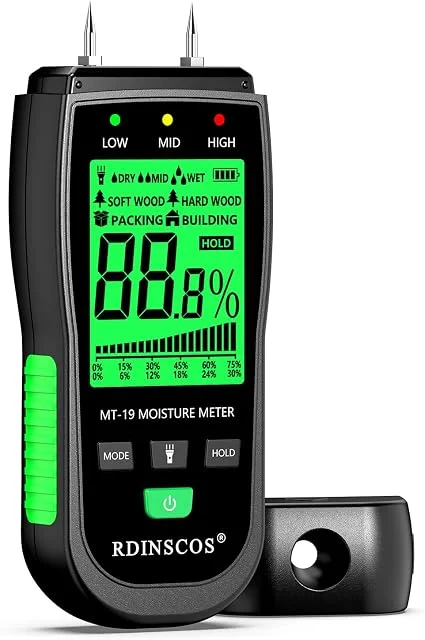 |
RDINSCOS Wood Moisture Meter Ash is one of the few woods that burns reasonably well unseasoned – but “reasonably” isn’t “ideal.” A quick pin-probe reading tells you if a log is actually ready.
|
| Birch | Ash | |
|---|---|---|
| Bark | White, papery, peels in thin curling layers | Pale gray-brown, tight diamond-pattern ridges |
| Burns green? | No – needs full seasoning like most hardwoods | Reasonably well due to naturally low moisture content, though seasoned is still better |
| Burn character | Fast, hot, bright flame; needs reloading more often | Steady, even burn; good coal bed for overnight heat |
| Splitting | Can be stringy/interlocked, moderately easy | Splits very easily along straight grain |
| Current availability (US/Europe) | Normal, stable supply | Often unusually cheap/plentiful due to emerald ash borer die-off |
Characteristics Of Birch Logs
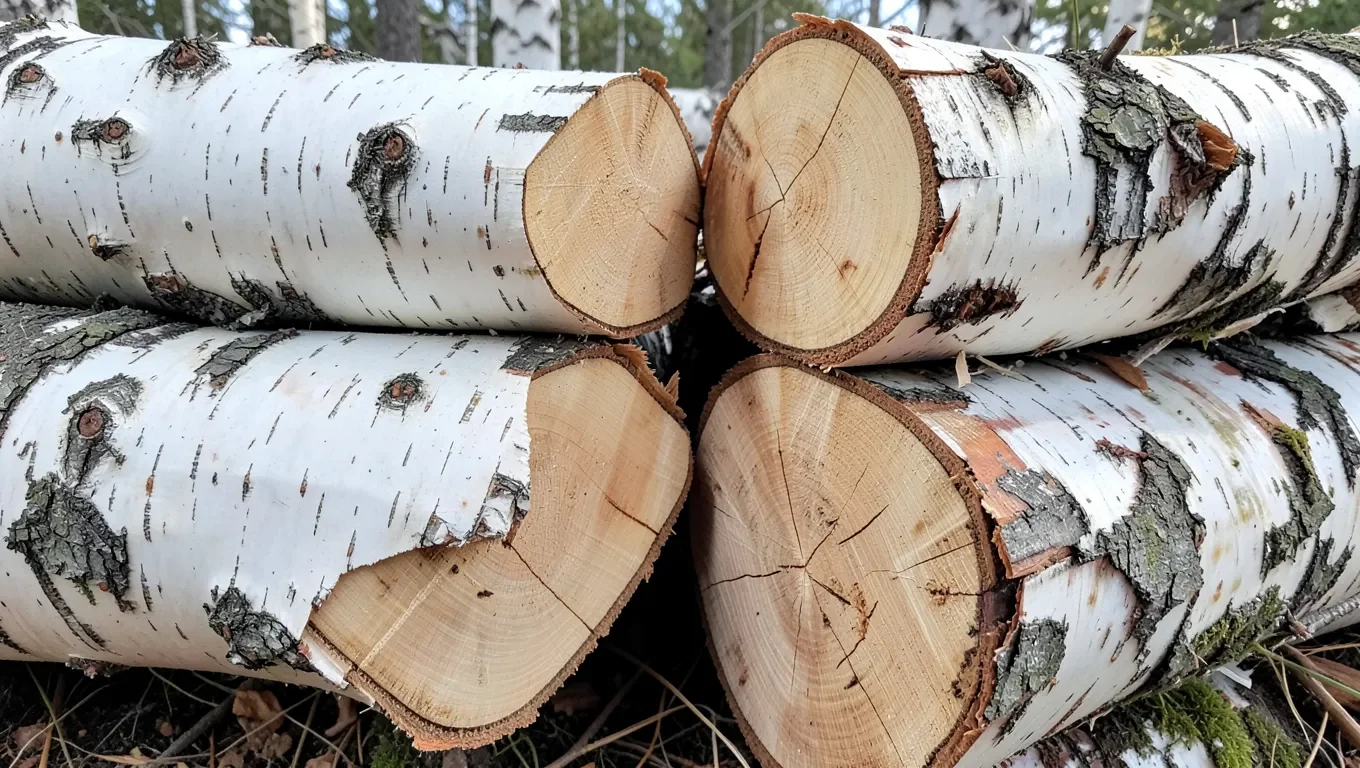
Birch’s white, papery bark is its most recognizable feature and peels away in thin curling layers – a trait shared by few other common firewood species, which makes birch easy to identify even in a mixed log pile. The wood underneath is pale, fine-grained, and noticeably lighter in weight than ash of the same size. Birch bark is also naturally rich in oils and resins, which is why it’s a favorite natural fire starter even when slightly damp – it’s genuinely worth saving a few curls of bark when splitting birch, rather than discarding them as waste.
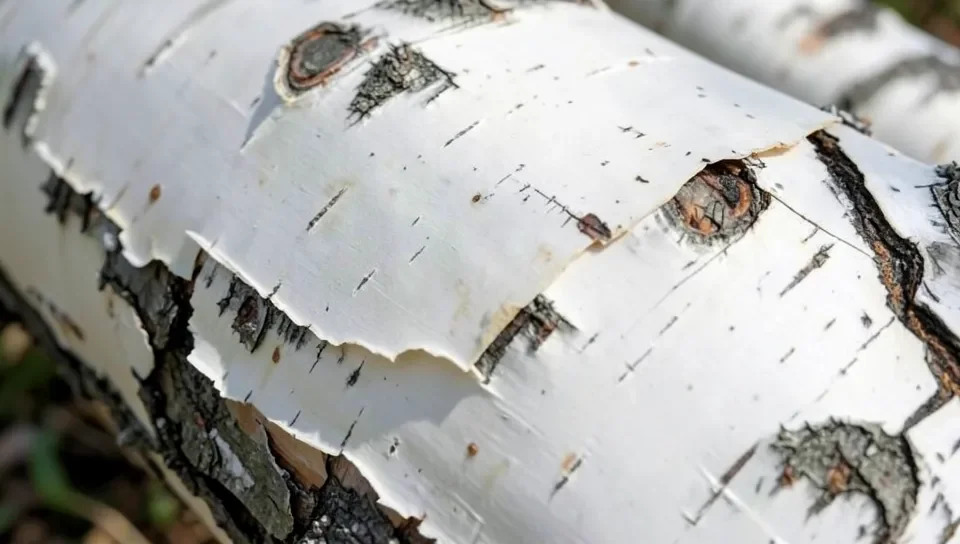
As firewood, birch catches quickly and burns hot and bright, which makes it a good choice for getting a fire established fast or for shorter evening fires. It burns through faster than denser hardwoods, though, so it needs more frequent reloading if you want a fire to last through the night. Like nearly every hardwood except ash, birch needs to be properly seasoned (typically 6-12 months split and stacked) before it burns cleanly – burning it green produces excess smoke and creosote.
Characteristics Of Ash Logs
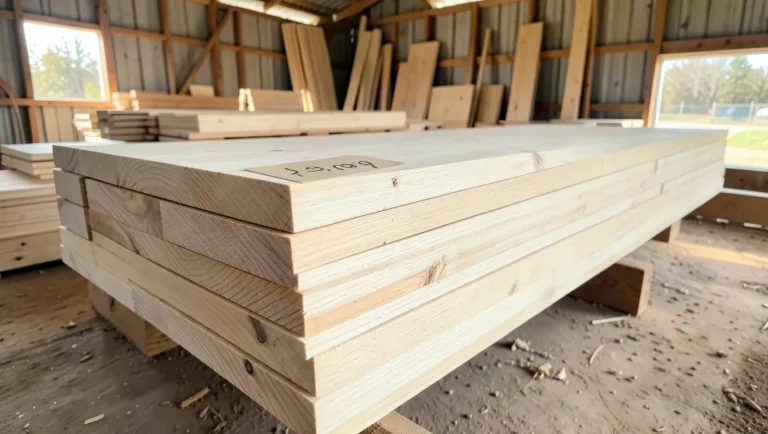
Ash bark is tighter and less dramatic than birch’s – a pale gray-brown with a distinct diamond-shaped ridge pattern running along the trunk. The wood itself is dense, pale, and famously straight-grained, which is exactly why ash splits so easily by hand or with a maul compared to knottier or interlocked-grain species.
Ash has a genuine reputation among firewood users for being one of the only woods that burns reasonably well even unseasoned, thanks to a naturally lower moisture content in freshly cut wood than most hardwoods. That doesn’t mean green ash is as good as seasoned ash – burning it too fresh still wastes energy boiling off the remaining moisture and produces more smoke and creosote than a properly dried log – but it explains ash’s old reputation as dependable firewood even when you’re in a pinch. Once seasoned, ash burns steadily and builds a solid, long-lasting bed of coals, which makes it a good choice for a fire you want to hold heat through the night.
Why Ash Is Often Unusually Cheap Right Now
If you’ve noticed ash firewood is easy to find and inexpensive in your area, that’s very likely tied to the emerald ash borer, an invasive beetle that has killed a large share of ash trees across North America (and parts of Europe) over roughly the past two decades. Municipalities, utilities, and property owners dealing with dead standing ash often need it removed regardless of demand, which has pushed a large supply of ash into local firewood markets in affected regions – it’s frequently one of the cheapest hardwoods available specifically because of the die-off, not because it burns worse than the alternatives. If you’re buying, ask whether the wood has been split and stacked long enough to season, since dead-standing salvaged ash isn’t automatically dry all the way through despite the tree having been dead for a while.
Choosing Between Them
For a quick, bright fire or to get a cold stove going fast, birch’s fast ignition and hot flame are hard to beat – just make sure it’s properly seasoned first. For an overnight fire or steady heating, ash’s long coal life and forgiving moisture tolerance make it the more dependable choice, and its current abundance in many regions makes it an easy, budget-friendly pick. Many people burn a mix of both: birch to get the fire going and build heat quickly, ash to sustain it once the fire is established.
Frequently Asked Questions
Which Is Better Firewood, Ash Or Birch?
Both are good hardwood firewood with similar heat output, but they suit different situations. Ash is famous among firewood users for burning reasonably well even when not fully seasoned, thanks to its naturally low moisture content, and it produces a long-lasting coal bed good for overnight heat. Birch burns hot and fast with a bright flame but needs full seasoning like most hardwoods, and burns through faster, so it needs more frequent reloading.
Is Ash Similar To Birch?
They’re both light-colored hardwoods with good heat output, but they’re not close relatives and look different once you know what to check. Ash has straight, open grain and tight, diamond-patterned bark, while birch has a much finer grain and its signature white, papery bark that peels in curling layers – the bark is the fastest way to tell them apart at a glance.
How Can I Tell If A Log Is Birch?
Birch is identified almost entirely by its bark: smooth and white to grayish-white, marked with dark horizontal lenticels (small pore-like lines), and it peels away in thin, papery curls rather than the ridged or plated bark most other hardwoods have. Inside, the wood is pale and fine-grained. If you’re foraging or cutting your own, that papery white bark is a reliable identifier even from a distance.
Why Is Ash Firewood So Cheap Or Easy To Find Right Now?
In much of North America and parts of Europe, the emerald ash borer has killed a large percentage of ash trees over the past two decades, leaving huge numbers of dead standing ash that municipalities, arborists, and property owners need to remove. That’s flooded the local firewood market with ash in many affected regions – it’s frequently cheaper and easier to find than other hardwoods right now precisely because of the die-off, not because it’s a lower-quality wood.
Conclusion
Birch and ash both make solid firewood, but for different reasons: birch for its fast, bright, easy-to-identify burn, ash for its steady coal-building heat and unusual tolerance of less-than-perfect seasoning. Check the bark to identify which one you have, and check moisture content before you rely on either for an overnight fire.
Sponsored / affiliate links. As an Amazon Associate I earn from qualifying purchases. I may earn additional commission from eligible campaigns.
 SPEED FORCE Firewood Kindling Log Wood Splitter – No Axe! Wedge Point Splits Firewood, 6 Inch Orange with Safety Cover, Safety Guard Available
 3 Pieces of 8 x 12 Inch Dark Brown Full Grain Genuine Cowhide Oil Pull Up Leather Pieces Sheets for Repair Crafts Tooling - Distressed Vintage Pull-Up - 1.25 to 1.5mm TPS12526