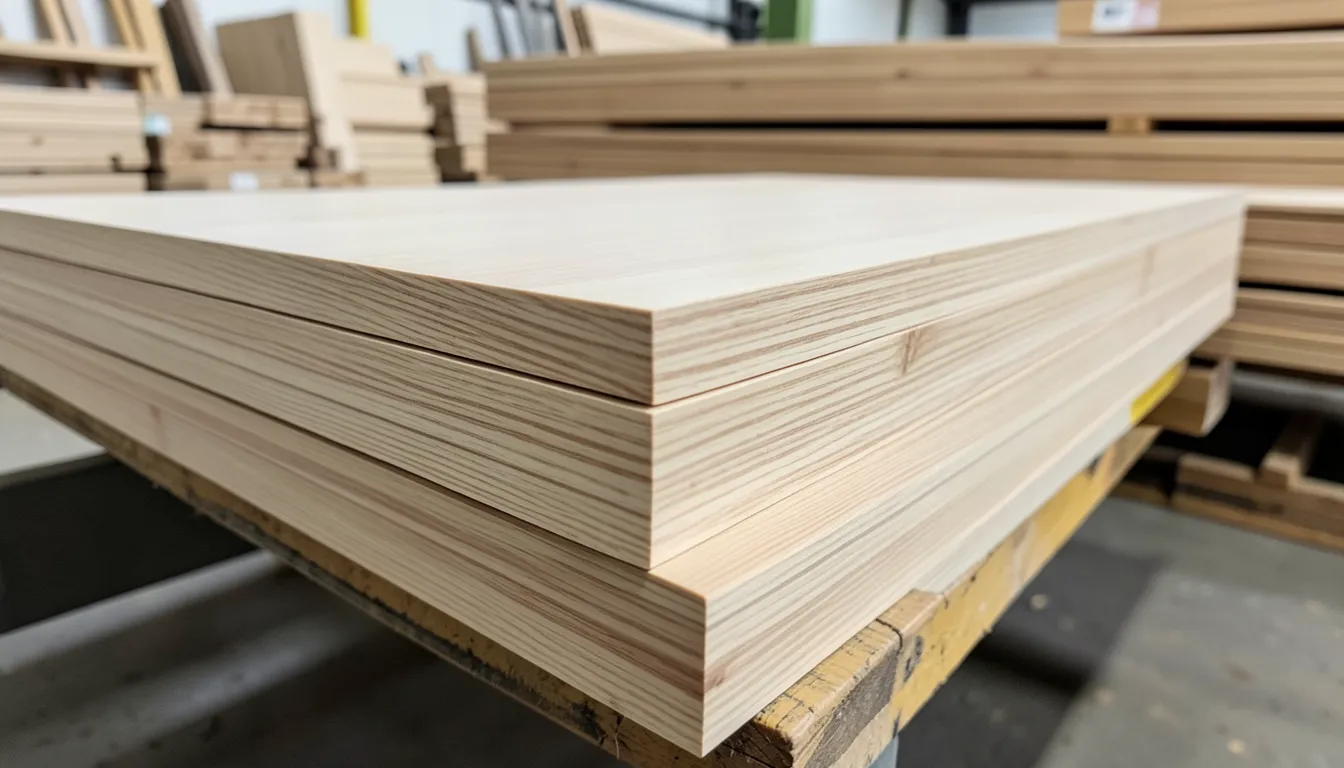
Planed Ash Timber: Sizes and Uses
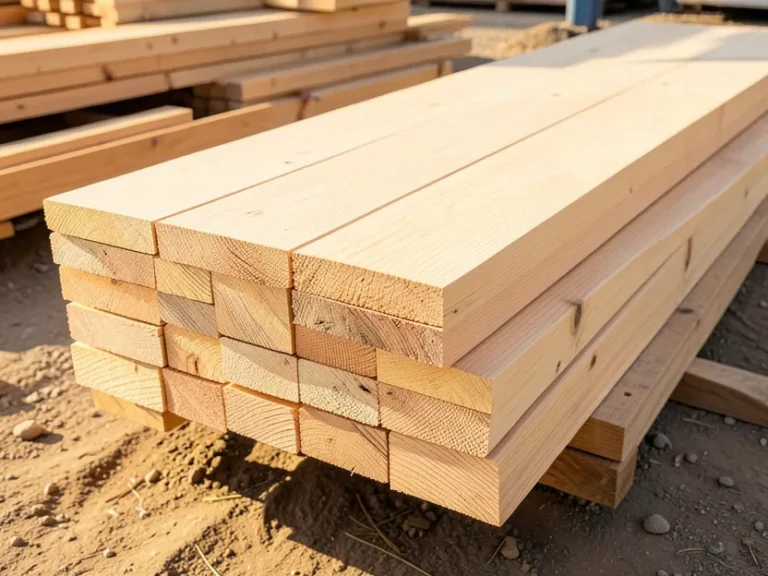
Planed ash timber is ash lumber that’s been surfaced smooth on some or all faces at the mill, rather than left rough-sawn straight from the saw. In the US this shows up as S4S (“surfaced four sides”) boards; UK and European suppliers call the same idea PAR or PSE (“planed all round” / “planed square edge”). Either way, you’re paying for a board that’s ready to use without running it through your own planer first.
Nominal vs. Actual Size: Where People Get Caught Out
Check Moisture Before You Build With It
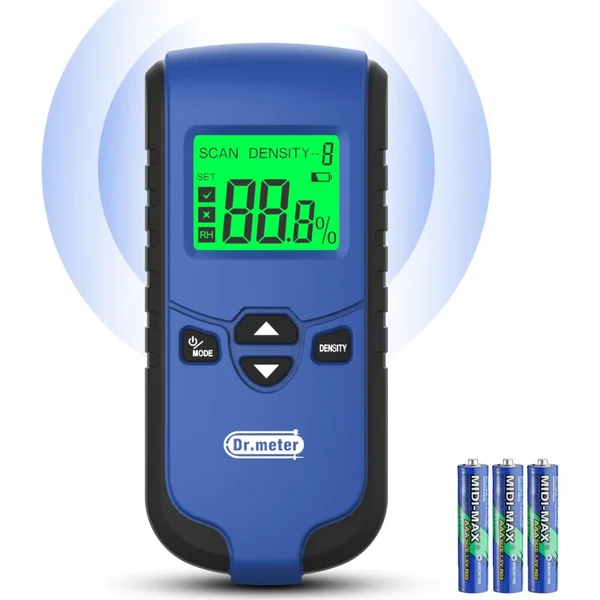 |
Dr.meter Pinless Wood Moisture Meter Planed timber can look perfectly dry and still be too wet to build with. A pinless meter checks moisture content in seconds without leaving pin holes in a finished-looking board.
|
The single most common surprise with planed timber is that the size on the price tag isn’t the size you get in hand. Planing removes material, so a board sold as 1 inch thick rough-sawn typically finishes around 13/16 inch once surfaced on both faces. In UK/metric terms, a board sold as 25mm PAR usually finishes closer to 20-22mm. The exact loss depends on the mill and how much was taken off each face, so if a project depends on a precise final dimension, ask the supplier for the actual planed size, not just the nominal one before you order.
Standard planed ash sizes you’ll commonly find in stock from hardwood suppliers include boards around 18-25mm and 32-45mm thick (metric) or 3/4 inch and 4/4-8/4 (US quarter-sawn thickness notation), in widths from about 4 to 9 inches, though ash’s tendency toward irregular widths in random-width packs means exact width often varies board to board within an order.
Why Ash Specifically
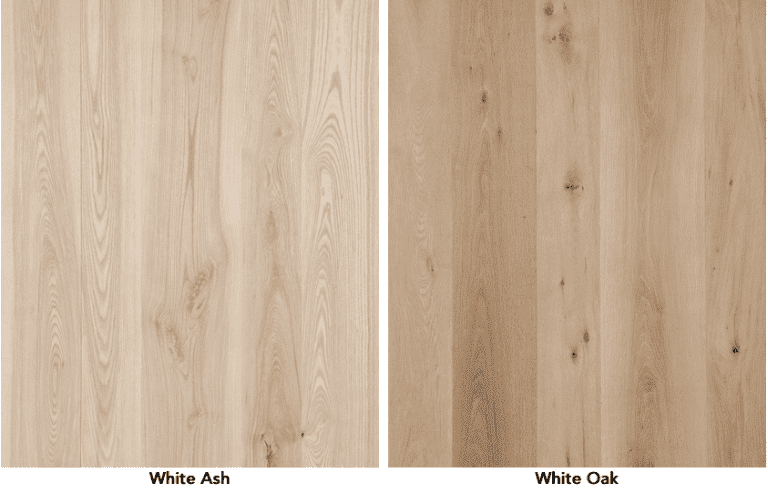
Ash (genus Fraxinus) sits in a useful middle ground: it’s hard and shock-resistant enough for tool handles, baseball bats, and oars — uses where a wood needs to flex slightly under sudden load without snapping — but still machines and sands cleanly, unlike many equally hard woods that fight back against hand tools. Its Janka hardness (roughly 1,320 lbf for White Ash) puts it above red oak and below hard maple, and its open, straight grain takes stain evenly, which is why it shows up so often in furniture and flooring alongside oak. What ash doesn’t have is oak’s natural rot resistance, which is the main reason planed ash timber is specified for interior furniture, tool handles, and flooring far more often than for exterior decking or ground-contact work.
What to Check Before You Buy
Before ordering, confirm: the actual planed dimensions (not just the nominal size), the moisture content (kiln-dried ash for interior furniture should read around 6-8%; anything noticeably higher risks warping and joint failure after it acclimates to your shop), and the grading. Ash is typically graded FAS (First and Seconds, the clearest, widest boards), Select, or #1/#2 Common (more character marks and shorter clear sections) — furniture-grade work generally calls for FAS or Select, while a rustic project or shorter parts can often use cheaper common grade at real savings.
Working With It
Because it arrives already planed, most of what’s left is squaring the ends, ripping to final width, and cutting joinery. Ash takes glue, screws, and finishes well, and its open pores accept stain evenly, which is part of why it’s a common oak substitute where a lighter, slightly less expensive wood with similar grain character is wanted. The main practical caution: even planed boards can still move after purchase if the moisture content wasn’t fully stabilized, so let stock acclimate in your shop for at least a few days (longer in a very different climate than where it was milled) before final glue-ups, and re-check flatness before assembly.
Frequently Asked Questions
Is ash a cheap wood?
Ash is moderately priced — generally less expensive than hard maple or walnut, comparable to or slightly below red oak, and more expensive than construction softwoods like pine. Exact pricing depends heavily on grade and regional supply.
What are the disadvantages of ash wood?
Ash lacks oak’s natural decay resistance, so it’s a poor choice for exterior or ground-contact use without added protection. It can also be prone to insect damage in storage, and boards that weren’t properly dried before planing can warp or crack after purchase.
How much does planed ash timber cost?
Rough pricing generally runs $5-15 per board foot depending on grade, thickness, and region, with FAS-grade boards at the top of that range and lower common grades near the bottom. Planing typically adds a modest surcharge over buying the same lumber rough-sawn.
What is planed ash timber good for?
Furniture, flooring, cabinetry, tool handles, and sporting goods like bats and oars are the classic uses — anywhere its combination of strength, shock resistance, and clean machining is worth more than oak’s superior rot resistance.
The Bottom Line
Planed ash timber saves you a milling step, but the nominal size on the tag is never the size you’ll actually get, and moisture content matters more than how smooth the surface looks. Confirm the real dimensions, check the grade against what your project needs, and give the wood a few days to acclimate before you commit to final glue-ups.
Sponsored / affiliate links. As an Amazon Associate I earn from qualifying purchases. I may earn additional commission from eligible campaigns.