Best Wood for Steam Bending: FPL Rankings & Real Data
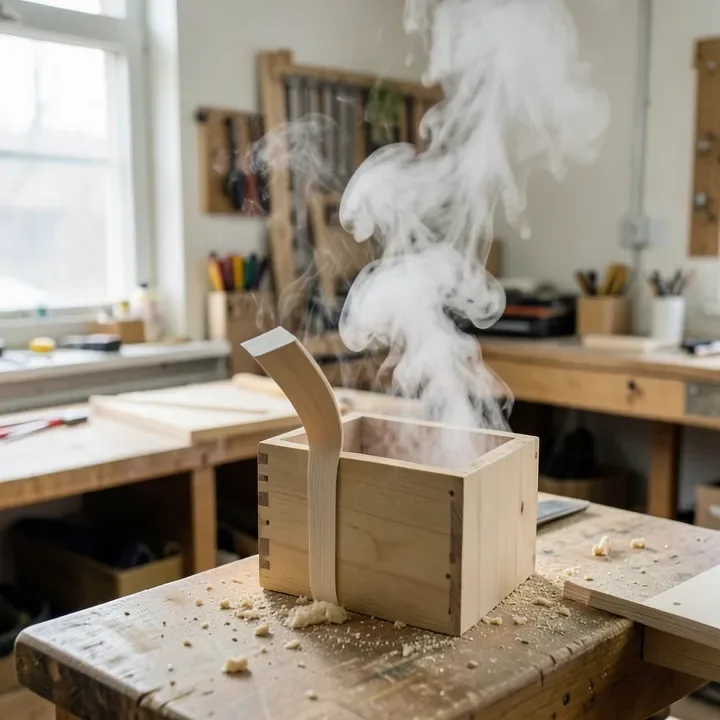
White oak is the best wood for steam bending — it bends to tighter radiuses with less tension failure than almost any other domestic species — with ash and hickory as the closest widely available substitutes. Wood that’s too dry or the wrong species snaps mid-bend instead of curving. This guide covers a U.S. Forest Service ranking of bending species, the real moisture-content window, and why poplar (a wood people often ask about) disappoints on tighter bends.
Best Woods for Steam Bending, Ranked
Best Steam Bending Kit Pick
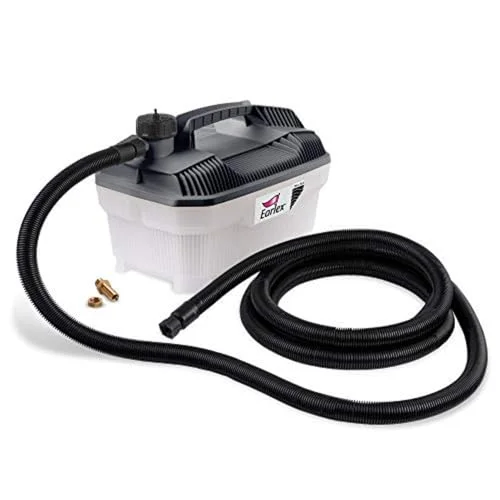 |
Earlex Steam Generator for Wood Bending (12-Foot Hose) – $79.99 Feeds a shop-built steam box through a 12-foot hose — the same setup this guide’s moisture-content and bend-time numbers below assume.
|
A U.S. Forest Service Forest Products Laboratory evaluation of bending species ranked domestic woods by how well they hold a bend without cracking. Hackberry topped the list, with white oak close behind and the most practical top pick for most shops because it’s easier to source than hackberry.
| Rank | Species | Bending Notes |
|---|---|---|
| 1 | Hackberry | Top FPL rating; less commonly stocked at lumber yards |
| 2 | White oak | Tightest practical radius with least tension failure of common species |
| 3 | Red oak / Chestnut oak | Close behind white oak; more widely available at most yards |
| 4 | Hickory | Excellent when straight-grained — quality varies a lot piece to piece |
| 5 | Ash | Most common substitute for oak; straight, uniform fibers |
| — | Poplar | Noticeably more springback; weak choice for tight radius bends |
Why Ash and White Oak Bend Better Than Maple
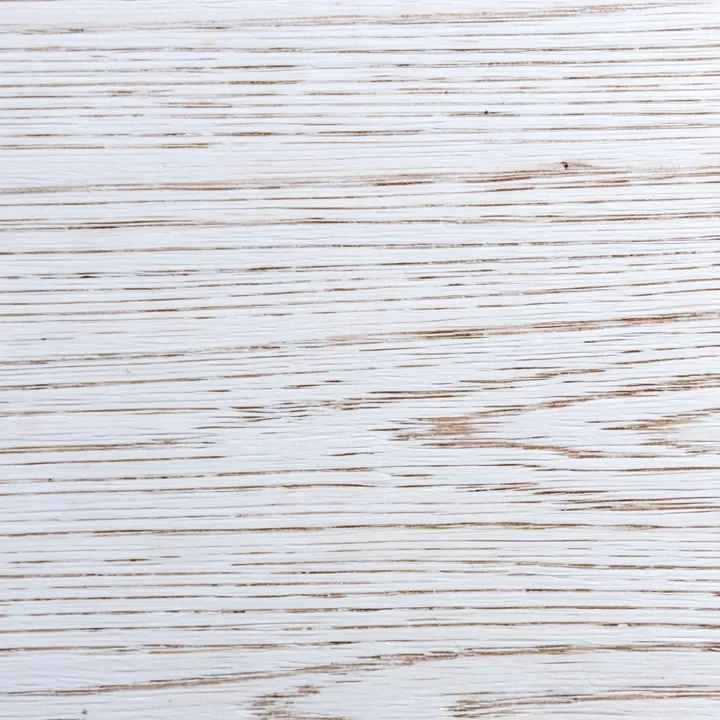
White oak and ash are ring-porous hardwoods — their large, uniform early-wood pores form long channels that let steam penetrate evenly and let the fiber bundles flex together instead of shearing apart. Maple is diffuse-porous, with pores scattered evenly through the growth ring instead of channeled, which is part of why it doesn’t appear on Forest Service bending-species rankings the way oak and ash do — despite maple sometimes getting recommended online as a bending wood.
Moisture Content: The Factor That Matters as Much as Species
Steam bending wood should sit at roughly 15-20% moisture content — and the greener the better within that range. Air-dried stock down around 10% moisture can usually still be coaxed into a bend, but kiln-drying is what really kills bending performance: the drying process sets the fibers in a way steam can’t fully reverse, no matter how good the species is. When kiln-dried is genuinely all you have on hand, a prolonged soak in salted water brings back part — not all — of the lost flexibility.
📊 In one documented test, 1/4-inch poplar showed roughly 1 inch of springback out of a 3-inch bend after an hour of steaming — a sign of how much a species with weaker bending fiber structure loses its shape compared to oak or ash. — Source: woodworker test reports, Woodworking Talk forum
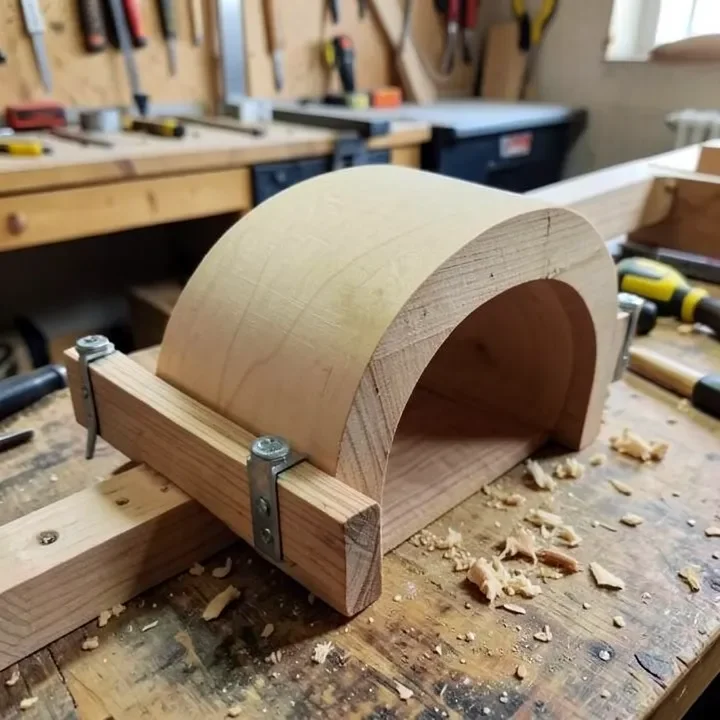
“A rule of thumb general enough to trust: if a species is ring-porous with a long history in tool handles, ladder rungs, or barrel hoops — ash, oak, hickory — it will almost always outperform a diffuse-porous wood like maple or poplar on a tight steam bend, even before you check a ranking table.”
Common Steam Bending Mistakes
- Using kiln-dried stock — it bends worse than air-dried or green wood no matter how good the species is.
- Choosing a species by online reputation instead of grain structure — diffuse-porous woods like maple and poplar consistently underperform ring-porous species like oak and ash.
- Ignoring grain runout — a straight-grained board of a mediocre species often bends better than a knotty or wavy-grained board of a great one.
- Removing the clamp or form too soon — wood needs to fully dry in the bent shape, not just cool, or it will spring back toward straight.
Frequently Asked Questions
What is the best wood for steam bending?
White oak is the top choice, bending to tighter radiuses with less tension failure than almost any other domestic species. Ash and hickory follow closely. A U.S. Forest Service evaluation of bending species ranked hackberry, white oak, red oak, chestnut oak, magnolia, pecan, black walnut, and hickory among the best performers, in roughly that order.
What makes ash wood good for steam bending?
Ash has long, straight, uniform fibers and a ring-porous grain structure that flexes without the fibers separating under tension — the same trait that makes it a classic choice for tool handles and baseball bats. It’s more widely available and often cheaper than white oak, which is why it’s the most common substitute in furniture and boatbuilding.
Does poplar wood steam bend well?
Not well, compared to true bending species. Woodworkers who’ve tested it report significant springback — one documented test on 1/4-inch poplar showed about 1 inch of springback out of a 3-inch bend after an hour of steaming. Poplar can work for very gentle curves or thin stock, but expect noticeably more spring-back than ash, oak, or hickory on tighter bends.
What moisture content should wood be for steam bending?
Aim for 15-20% moisture content, and lean toward the wetter end — the greener the stock, the better it bends. Most domestic species will still bend reasonably well air-dried down to around 10% moisture, but kiln-dried lumber bends poorly no matter the species; if kiln-dried is all you have, a prolonged soak in salted water restores some, not all, of the lost flexibility.
Bottom Line
White oak, hackberry, and ash consistently outperform other domestic species on steam bending because of their ring-porous grain structure — not because of tradition or reputation. Keep moisture in the 15-20% range, skip kiln-dried stock, and hold the bend in a form until it’s fully dry, and species choice stops being the biggest variable in whether a bend holds.
Sponsored / affiliate links. As an Amazon Associate I earn from qualifying purchases. I may earn additional commission from eligible campaigns.