Does Wood Ash Help Plants? When It Helps (and When to Skip It)
Wood ash helps some plants and hurts others, and the difference comes down to your soil’s starting pH. Because ash is alkaline, it behaves like a fast-acting, weaker version of garden lime: it raises pH and adds potassium and calcium, but only when your soil actually needs those things. Get it wrong and you can push already-neutral soil too alkaline, lock up nutrients your plants need, or trigger potato scab. Below is what’s actually in wood ash, which plants respond to it, and the amounts university extension services recommend rather than the vague “sprinkle some on” advice most sites repeat.
The Short Answer: It Depends on Your Soil’s pH
If a soil test shows your garden below pH 6.5, wood ash can raise pH and add potassium the way garden lime does, just faster and less predictably. If your soil is already neutral or alkaline (7.0 or higher), skip it entirely – more alkalinity at that point only locks up iron and other micronutrients your plants need. The only way to know which situation you’re in is to actually test the soil first, which is where a cheap meter earns its keep.
Test Before You Spread Any Ash
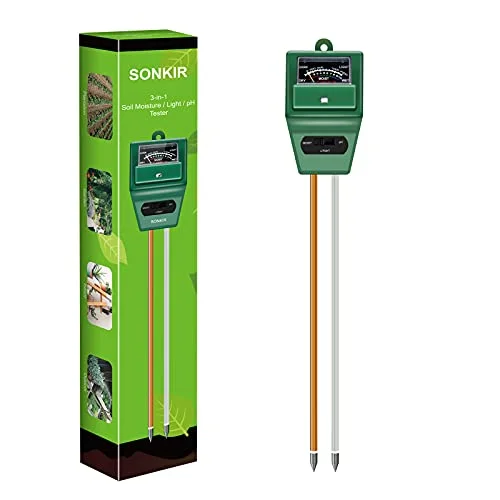 |
SONKIR MS02 3-in-1 Soil Meter – $9.99 Push it into the soil where you plan to spread wood ash and read the pH before you commit – no batteries, no lab wait.
|
Most extension services put the safe range at roughly 15 to 20 pounds of wood ash (about one 5-gallon bucket) per 1,000 square feet per year for garden beds that test below pH 6.5, per University of Vermont Extension. That’s the number to work from, not a rough guess.
What’s Actually in Wood Ash
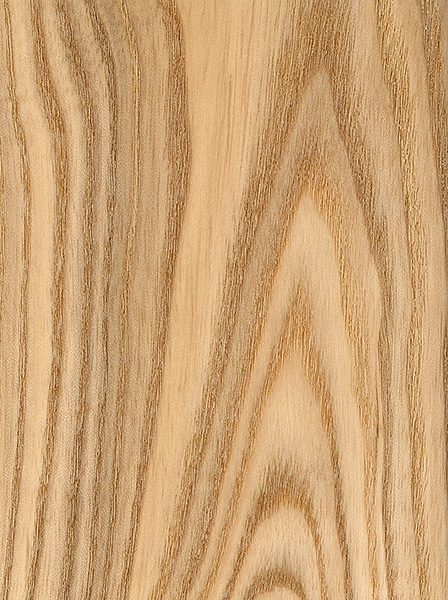
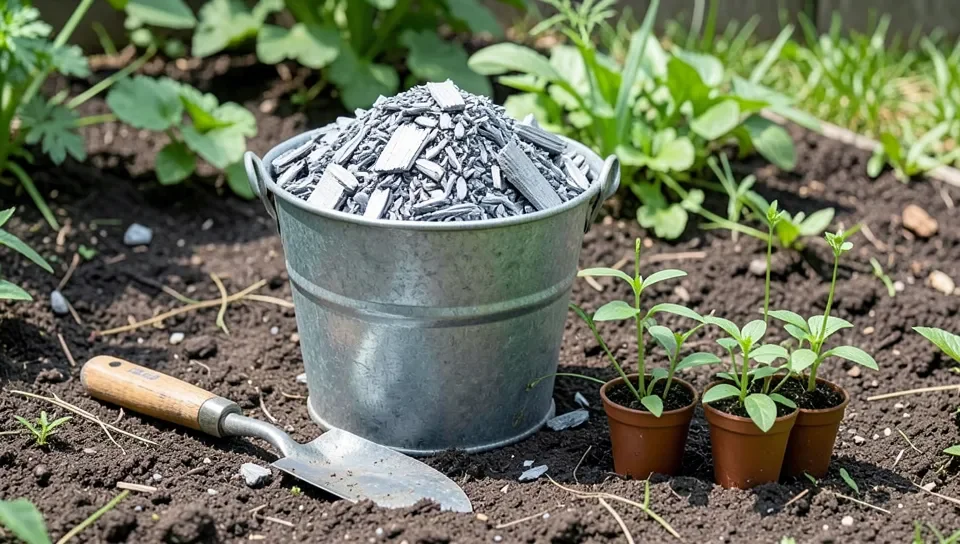
Wood ash is what’s left after wood burns completely: the carbon and water leave as smoke and vapor, and the minerals that were in the tree stay behind, concentrated. Calcium is the largest share, typically 20% or more of the ash by weight, which is why ash behaves like a liming agent. Potassium runs up to about 5%, with smaller amounts of magnesium, phosphorus, and sulfur (each usually under 2%), plus trace micronutrients like zinc and copper, according to Wisconsin Horticulture Extension. Hardwood ash (oak, maple, ash wood itself) generally carries more nutrients per pound than softwood ash, since hardwoods pack more minerals into their tissue to begin with.
How Wood Ash Changes Soil pH (the Liming Effect)
This is the part most articles skip: wood ash is a weaker liming agent than actual agricultural lime, not a stronger one. Ag lime typically tests at 90-95% calcium carbonate equivalent (CCE) – a measure of how much acid it can neutralize. Wood ash usually tests at only 25-59% CCE depending on the wood species and how completely it burned, meaning it takes roughly two to four times as much wood ash as lime to move soil pH the same amount, based on research summarized by the University of New Hampshire Extension.
Where wood ash has an edge is speed. Because it’s more water-soluble than ground limestone, it starts shifting soil pH within weeks, while lime can take 6 to 12 months to fully react. That makes ash useful for a quick correction on mildly acidic soil, but it also means mistakes show up faster – there’s less of a buffer than with slow-release lime.
Which Plants Benefit From Wood Ash
Plants that tolerate or prefer neutral-to-alkaline soil, and that benefit from extra potassium, are the best fits:
- Garlic, chives, and leeks – the potassium supports bulb development
- Asparagus – genuinely prefers alkaline soil, one of the few vegetables that does
- Stone-fruit trees (peach, plum, cherry) – potassium improves fruit set and quality
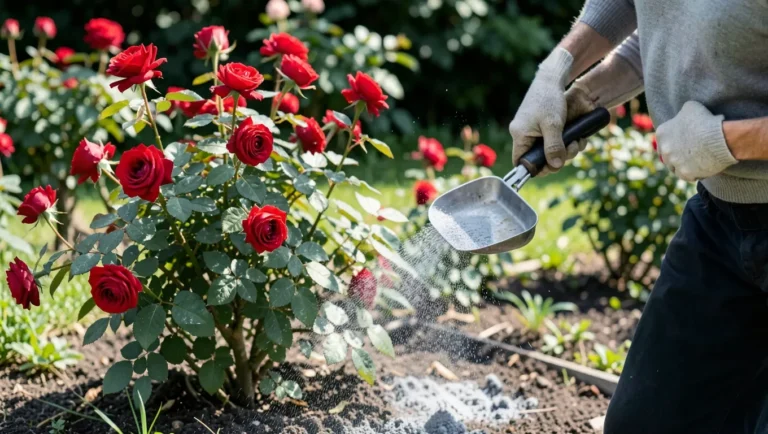
- Lilacs and most roses – both tolerate and often prefer slightly alkaline soil
- Tomatoes and most brassicas – benefit from the potassium boost in already-acidic beds
- Cucumbers and other cucurbits (squash, zucchini, melons) – prefer roughly pH 6.0-6.8, so ash only helps if your soil tests below 6.0; cucumbers tolerate alkaline soil poorly compared to tomatoes, so skip ash once you’re already in range
See our full list of plants that respond well to wood ash for more detail by species.
Plants That Should Never Get Wood Ash
Anything that needs acidic soil to thrive will struggle if you add an alkaline amendment:
- Blueberries, azaleas, rhododendrons, camellias, and holly – all need acidic soil (roughly pH 4.5-5.5) to take up nutrients properly
- Potatoes – higher soil pH favors the bacteria that cause potato scab, according to Oregon State University Extension
- Strawberries and most berries – prefer acidic soil and show reduced yields when pH climbs
- Birch, red maple, and pin oak – acid-loving trees that can develop nutrient deficiencies (yellowing leaves) in alkaline soil
For the complete rundown, see which plants do not like wood ash.
How Much Wood Ash to Use Safely
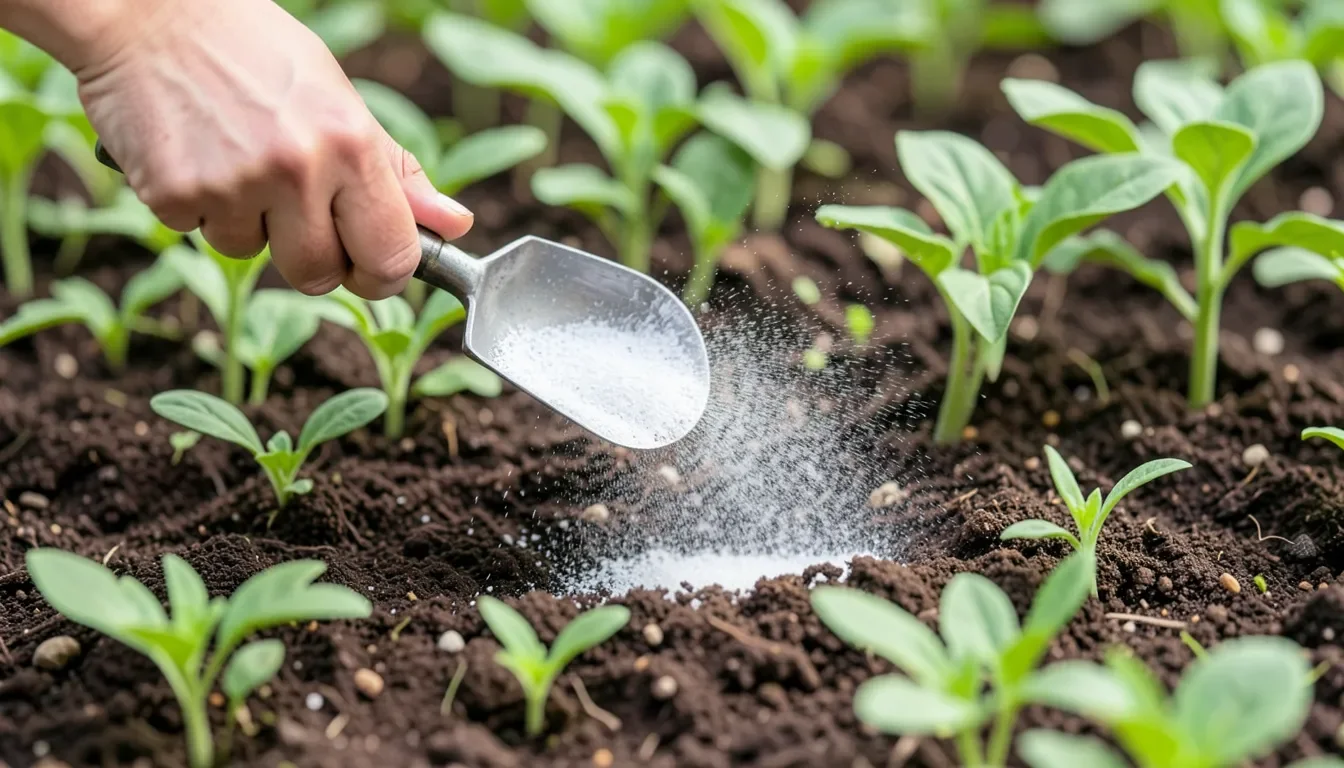
Once your soil test confirms you’re below pH 6.5, the general guideline from Iowa State University Extension is 15-20 pounds of wood ash (about one 5-gallon bucket) per 1,000 square feet per year for garden beds, or 10-15 pounds per 1,000 square feet annually for lawn maintenance. Mix it into the top 2-4 inches of soil rather than leaving it sitting on the surface. If your soil pH is already at or above 7.0, don’t add any – there’s no upside and real downside. For a deeper dive into rates by plant type, see our guide on how much wood ash to use in the garden.
Common Wood Ash Mistakes
Myth: wood ash makes plants grow faster. It doesn’t directly stimulate growth. What it actually does is correct a pH or potassium deficiency that was holding growth back – so if your soil was already in a good range, adding ash does nothing useful and can tip it too alkaline. The “faster growth” people see is really “a deficiency got fixed,” which only happens if a deficiency existed in the first place.
- Using ash from charcoal briquettes or treated/painted wood – briquette ash and ash from treated lumber can carry chemical additives and heavy metals that don’t belong in a food garden. Only use ash from clean, untreated wood.
- Applying to hot or freshly extinguished ash – let it cool completely and store it in a metal container; ash can hold embers for days and start a fire.
- Spreading it dry on a windy day, without gloves or a mask – the fine alkaline dust irritates skin, eyes, and lungs.
- Applying directly to seedlings or fresh transplants – the salt content can burn young roots; keep ash away from stems and give new transplants a few weeks first.
- Skipping the soil test – the entire benefit-or-harm question comes down to your starting pH, which you can’t guess by eye.
Wood ash is also fine in small amounts mixed into a compost pile, where it helps balance more acidic materials – see our guide on putting wood ash in compost for the right ratio.
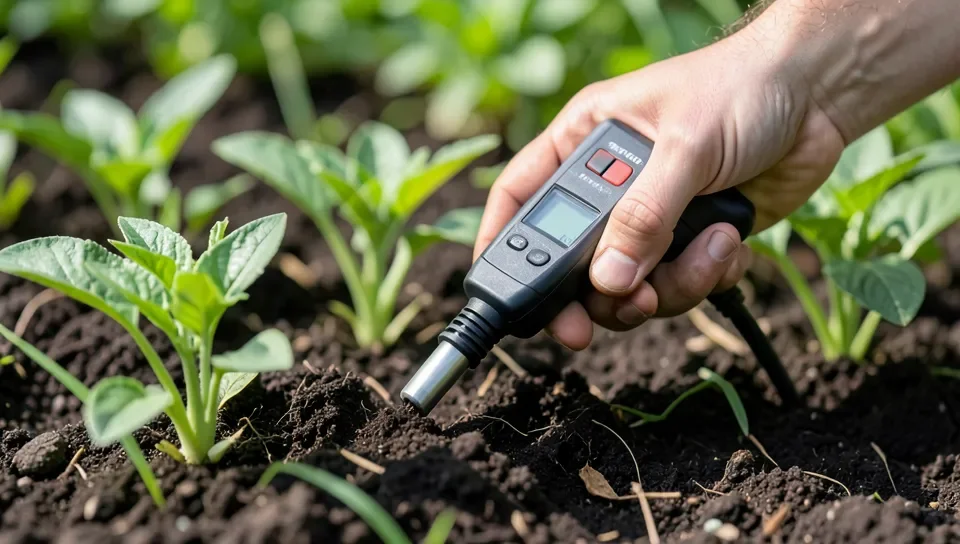
Don’t treat one soil test as permanent. pH drifts over a growing season, especially in beds that get regular compost, fertilizer, or repeated ash applications, so retest before you apply wood ash again the following year rather than assuming last year’s reading still holds. A basic meter pays for itself the first season you avoid over-liming a bed that didn’t need it – that’s the difference between wood ash as a useful, free amendment and wood ash as the reason your blueberries or potatoes underperform.
Frequently Asked Questions
Which plants should never get wood ash?
Acid-loving plants like blueberries, azaleas, rhododendrons, camellias, and holly, plus potatoes (higher pH favors potato scab) and most berries and acid-loving trees like birch and red maple.
What plants actually benefit from wood ash?
Garlic, chives, leeks, asparagus, stone-fruit trees, lilacs, most roses, tomatoes, and brassicas – especially in soil that already tests below pH 6.5.
Can you put too much wood ash in your garden?
Yes. Too much wood ash raises soil pH too high, which locks up iron and other nutrients and can harm plants even when the plant itself doesn’t mind alkaline soil. Stick to roughly 15-20 pounds per 1,000 square feet per year and only on soil that tests below pH 6.5.
Does wood ash make plants grow faster?
Not directly. Wood ash corrects soil pH and potassium deficiencies, which can remove a growth bottleneck if one existed – but it isn’t a growth stimulant, and adding it to soil that’s already balanced provides no benefit.
Do cucumbers like wood ash?
Cucumbers prefer slightly acidic to neutral soil, roughly pH 6.0 to 6.8. If a soil test shows you’re below pH 6.0, a light application of wood ash can nudge the bed into range and add potassium, the same way it helps tomatoes and brassicas. But cucumbers don’t handle alkaline soil well – once your soil is already at 6.5 or higher, skip the ash, since over-applying pushes pH past what cucumbers can use and risks the same iron lockout and stunted growth other neutral-pH vegetables see from over-liming.
Conclusion
Wood ash genuinely helps plants, but only under specific conditions: acidic soil (below pH 6.5), a plant that tolerates or prefers alkaline conditions, and a moderate application rate. Test your soil first, keep it away from blueberries, azaleas, potatoes, and other acid-loving plants, and stay within about 15-20 pounds per 1,000 square feet per year. Get those three things right and wood ash is a free, effective soil amendment. Skip the test and you’re gambling with your garden’s pH.