Best Cedar for Privacy Hedge: Top Varieties for Ultimate Seclusion
Are you looking to create a private, peaceful space in your yard? Choosing the best cedar for a privacy hedge can transform your outdoor area into a quiet retreat.
But with so many options out there, how do you pick the right one? You’ll discover which cedar varieties grow thick, stay healthy, and block out noise and nosy neighbors. Keep reading to find the perfect cedar hedge that fits your needs and gives you the privacy you deserve.
Why Choose Cedar For Privacy Hedges
Cedar is a top choice for privacy hedges in many gardens and yards. It grows thick and tall, creating a natural wall. This wood has many benefits that make it ideal for privacy screens. Strong, beautiful, and easy to care for, cedar stands out from other plants.
Its features help keep your space private all year. Plus, it adds a fresh, natural scent that many people enjoy. Let’s explore why cedar works so well for privacy hedges.
Natural Durability And Pest Resistance
Cedar wood resists rot and decay naturally. It lasts longer than many other woods outside. Pests like insects avoid cedar because of its natural oils. This means fewer problems with bugs and damage. Cedar keeps its strength without extra chemicals or treatments.
Year-round Privacy With Evergreen Foliage
Cedar stays green throughout all seasons. Even in winter, it does not lose its leaves. This constant greenery blocks views any time of year. It creates a thick, full hedge that protects your privacy. You get a living fence that works all year long.
Aromatic Qualities And Aesthetic Appeal
Cedar gives off a fresh, pleasant smell. This natural aroma makes your yard more inviting. The wood and leaves have a warm, rich color. Its beauty enhances garden spaces and homes. A cedar hedge adds style and comfort to outdoor areas.
Top Cedar Varieties For Privacy
Choosing the right cedar for a privacy hedge is important. Different cedar types offer unique benefits. Some grow fast, while others handle cold better. This guide covers top cedar varieties for strong, green privacy screens.
Each cedar type has features that suit different gardens and climates. Learn about these popular options to find the best fit for your space.
Eastern Red Cedar
Eastern Red Cedar is a tough, evergreen tree. It grows well in many soils and climates. This cedar has dense foliage, perfect for blocking views. It also smells nice and resists pests. It can reach 40 feet tall, creating a tall privacy wall.
Western Red Cedar
Western Red Cedar is soft and fragrant. It grows quickly and stays green year-round. This cedar handles wet and dry conditions well. Its thick branches help block noise and wind. It is a popular choice for natural-looking privacy hedges.
Leyland Cypress
Leyland Cypress is not a true cedar but often used like one. It grows very fast, up to 3 feet per year. This tree forms a thick, tall hedge quickly. It prefers full sun and well-drained soil. Leyland Cypress is ideal for instant privacy.
Incense Cedar
Incense Cedar has a strong, fresh scent. It grows slowly but lasts a long time. This cedar handles dry and rocky soil well. Its dense, dark green leaves make a solid privacy screen. It suits cooler climates and shaded spots.
Growth Habits And Size Considerations
Choosing the best cedar for a privacy hedge means understanding its growth habits and size. These factors affect how much space the hedge will need. They also influence the hedge’s ability to block views and provide shelter. Knowing these details helps you plan your garden better and keep your hedge healthy.
Different cedar types grow at various speeds and reach different sizes. Some stay narrow and tall, while others spread wide. Maintenance needs also vary depending on growth patterns. Let’s explore these aspects to pick the right cedar for your privacy needs.
Height And Width Potential
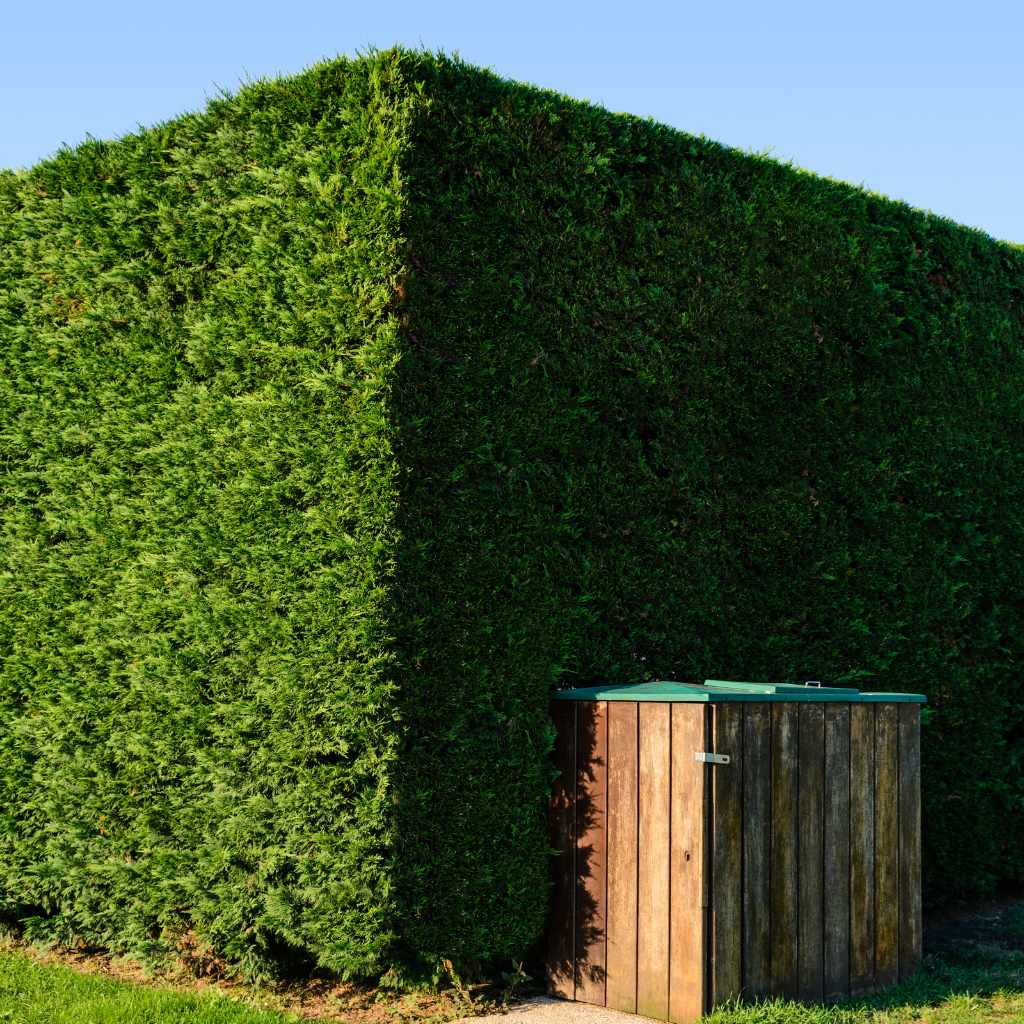
Cedars can grow very tall, often reaching 20 to 40 feet. Some types stay slimmer, growing only 6 to 10 feet wide. Others spread wider, up to 15 feet across. Knowing the mature size helps set proper spacing between plants. This prevents crowding and ensures a full hedge.
For smaller yards, choose narrow cedar varieties. They fit tight spaces and still provide good privacy. Larger properties can handle wider cedars for a dense, natural wall. Plan for the mature height to avoid overhead power lines or structures.
Growth Rate And Maintenance Needs
Cedar growth rates differ by species. Some grow fast, adding 2 to 3 feet per year. Others take longer, growing about 6 inches annually. Fast growers fill gaps quickly but need more trimming. Slow growers require less frequent pruning and shape control.
Regular trimming keeps the hedge dense and neat. Remove dead or damaged branches to support healthy growth. Water and mulch help cedars grow strong, especially in dry areas. Understanding growth speed guides maintenance schedules and effort.
Planting Tips For Dense Privacy Screens
Creating a dense privacy hedge with cedar trees requires careful planting. Proper spacing, soil, sunlight, and watering help the trees grow thick and healthy. These tips will guide you to build a strong green wall that blocks views and noise.
Spacing And Soil Requirements
Plant cedar trees close enough for a full screen but not too tight. Space them about 3 to 5 feet apart. This allows room for growth and air flow to prevent disease.
Choose well-drained soil rich in organic matter. Cedars do best in slightly acidic to neutral soil. Avoid heavy clay or waterlogged areas. Good soil helps roots grow deep and strong.
Sunlight And Watering Guidelines
Cedars need full sun for best growth. Plant in a spot that gets at least six hours of sunlight daily. This makes the hedge dense and green all year.
Water regularly, especially in the first two years. Keep the soil moist but not soggy. Deep watering encourages strong roots. Reduce watering once trees are established.
Pruning And Care For Healthy Hedges
Pruning and care are key to keeping cedar hedges healthy and dense. Regular attention helps your hedge grow strong and look its best. Proper care stops disease and encourages thick growth. Understanding how and when to prune makes a big difference.
Shaping Techniques For Maximum Coverage
Cut cedar hedges to keep a full shape. Trim the sides slightly narrower at the base. This lets sunlight reach lower branches. Avoid cutting too deep into old wood. Use sharp tools to make clean cuts. Shape the hedge evenly for a neat look. Trim lightly several times during the growing season.
Seasonal Maintenance Practices
Spring is best for major pruning after frost ends. Remove dead or damaged branches first. Summer trimming keeps the hedge tidy and dense. Water regularly during dry spells for strong roots. Mulch around the base to keep moisture in. In fall, clear fallen leaves to prevent pests. Avoid heavy pruning late in the year to protect from cold.
Common Challenges And Solutions
Growing cedar for a privacy hedge can face some common challenges. These issues may affect the plant’s health and growth. Knowing these challenges helps you care better for your cedar hedge. Simple steps can solve many problems and keep your hedge strong and green.
Pests And Diseases To Watch For
Cedar hedges can attract pests like spider mites and aphids. These insects suck the plant’s sap, causing damage. Watch for yellowing or browning needles. Fungal diseases like cedar rust can also affect your hedge. Remove infected branches to stop the spread. Use insecticidal soap to control pests safely. Regular checks keep your hedge healthy and pest-free.
Dealing With Environmental Stress
Environmental stress can hurt cedar plants. Too much sun or strong winds dry out the needles. Cold winters may cause needle browning or dieback. Water the hedge deeply during dry spells. Mulch around the base to keep roots cool and moist. Planting in a spot with some wind protection helps. These steps reduce stress and support steady growth.
Enhancing Privacy With Mixed Plantings
Enhancing privacy with mixed plantings creates a natural, beautiful barrier. Combining cedar with other plants adds depth and texture. This method improves the overall look and increases privacy. Mixing different species can fill gaps and block views better.
Complementary Shrubs And Trees
Choose shrubs and trees that grow well with cedar. Evergreens like boxwood or holly keep privacy year-round. Deciduous shrubs add seasonal color and interest. Taller trees, such as pine or fir, add height. Mixing heights and shapes creates a fuller hedge. This variety makes your privacy screen strong and attractive.
Using Ground Covers For Added Screening
Ground covers fill low spaces under and around cedar. Plants like ivy, pachysandra, or creeping juniper work well. They stop weeds and add another layer of privacy. Ground covers also protect soil and reduce erosion. This helps keep your hedge healthy and dense. Low plants make the area look complete and neat.
Frequently Asked Questions
What Is The Best Cedar Type For Privacy Hedges?
The best cedar for privacy hedges is the Eastern Red Cedar. It grows dense, tall, and provides excellent year-round coverage. Its natural resistance to pests and diseases makes it low-maintenance and durable for privacy screens.
How Fast Do Cedar Hedges Grow For Privacy?
Cedar hedges typically grow 1 to 2 feet per year. Growth depends on soil, climate, and care. With proper watering and pruning, they form a dense privacy barrier within 3-5 years.
Can Cedar Hedges Withstand Cold Climates?
Yes, many cedar varieties, like Western Red Cedar, tolerate cold climates well. They remain green year-round and resist winter damage. This makes them suitable for privacy hedges in colder regions.
How Often Should Cedar Privacy Hedges Be Trimmed?
Trim cedar privacy hedges once or twice a year. Regular pruning maintains shape and density. Avoid heavy trimming in late fall to protect new growth before winter.
Conclusion
Choosing the best cedar for a privacy hedge depends on your space and needs. Cedar trees grow dense and tall, blocking views and noise well. They stay green year-round, giving your yard a fresh look. Regular care helps your hedge stay healthy and strong.
Planting cedar creates a natural fence that lasts. A cedar privacy hedge adds beauty and calm to any garden. Start with good cedar types, and your privacy hedge will thrive. Simple steps lead to a quiet, private outdoor space you will enjoy.