How Do Cedar Blocks Work? (Moth-Repelling Science Explained)
Cedar blocks repel clothes moths by releasing cedrol and thujopsene, natural oils that disrupt a moth’s ability to smell wool and lay eggs — but the scent fades after roughly 3 to 6 months and stops working once it does. Skip refreshing and moths return with no warning. This guide covers the real chemistry behind cedar’s repellent effect, how it compares to mothballs and lavender, and the exact sanding routine that keeps a block working for years.
Insert your Affiliate Disclosure reusable block here.
What’s Actually Inside Cedar Wood
Best Cedar Blocks Pick

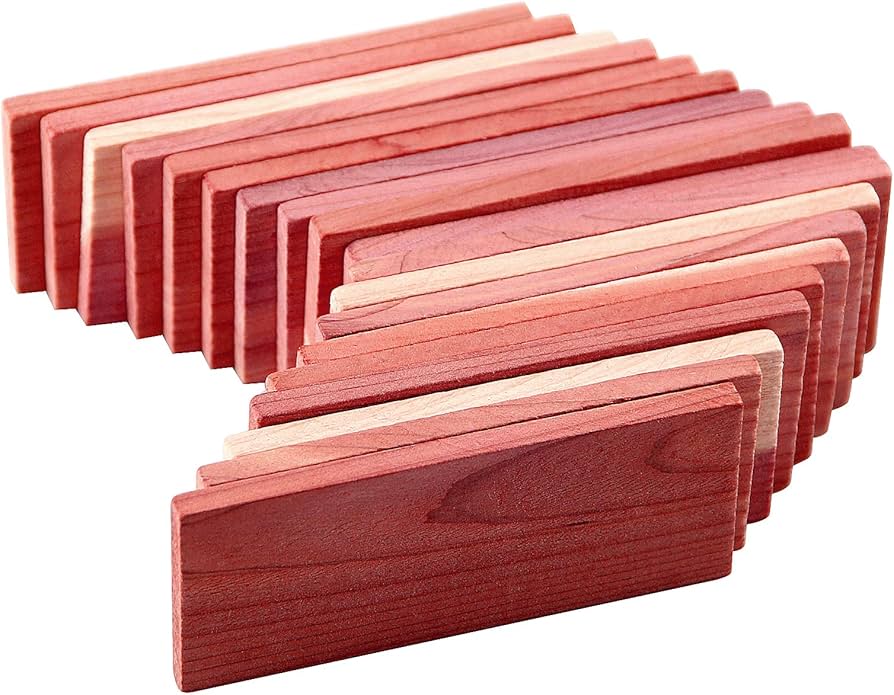
Dr. Killigan’s Cedarwood Planks (10-Pack)
Untreated, sustainably harvested Virginia cedar planks made by a company built specifically around pest science rather than general home goods.
- Best for: everyday closet and drawer moth prevention without a chemical mothball smell
- Why we picked it: untreated wood still holds real surface oil, so it actually responds to sanding and refreshing
- Main drawback: a 10-pack covers one closet section — larger closets need a second pack
Compare more cedar block options
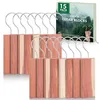 Option 1 ESRICH Cedar Blocks with Sandpaper
|
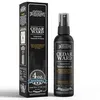 Option 2 Dr. Killigan’s CedarWard Refresher Spray
|
 Option 3 Woodever 56-Piece Cedar Block Set
|
As an Amazon Associate we earn from qualifying purchases.
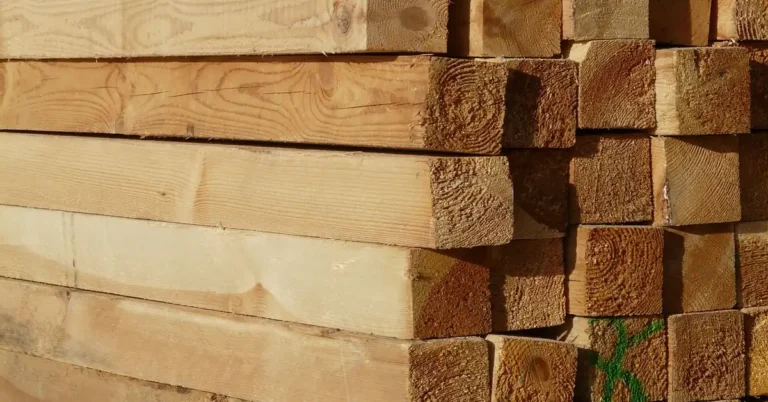
Cedar’s scent comes from a handful of sesquiterpenes locked inside its heartwood — not a single mystery oil. The four that matter for pest control are cedrol, thujopsene, α-cedrene, and widdrol. Together they typically make up well over half of Virginia cedarwood oil by volume. (Note: some sites mislabel this as “thujone” — that compound is a different, unrelated terpenoid found in wormwood and thuja, not cedar. Cedar wood does not contain thujone.)
Definition
Cedrol is a solid, waxy sesquiterpene alcohol that makes up 16–25% of Virginia cedarwood oil. It is the compound most responsible for cedar’s long, low-key scent and its ability to interfere with an insect’s sense of smell — which is why cedar blocks keep working for months instead of hours.
You can smell these oils working right on raw cedar wood itself, and the same chemistry is behind why people separately ask about cedar oil benefits in liquid form — blocks and oil are two delivery methods for the same active compounds.

How Cedar Blocks Actually Repel Moths
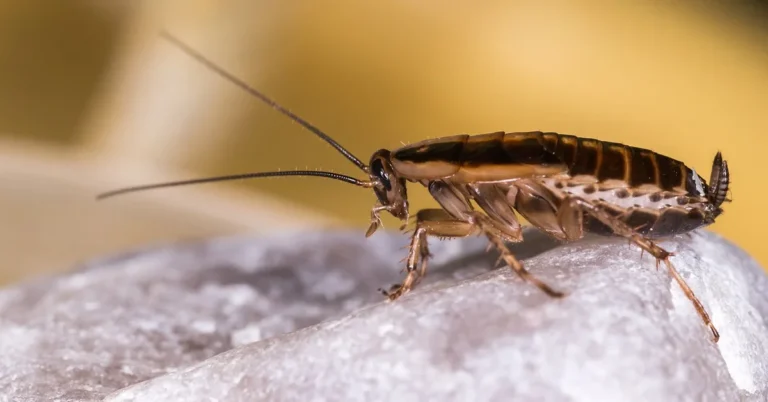
Clothes moths don’t hunt by sight — they navigate almost entirely by scent, using antennae to pick up the smell of wool, fur, and other keratin-based fabrics where they lay eggs. Cedrol and thujopsene flood that same air space with a competing scent strong enough to jam the moth’s ability to locate fabric and find a mate. The moth doesn’t die on contact; it simply can’t find a place worth laying eggs, so it moves on.
At higher concentrations — generally above about 1–4% oil content, which fresh cedar wood easily exceeds at the surface — these compounds are also directly toxic to newly hatched larvae. That’s a secondary effect, though. The main job cedar does is prevention: keeping adult moths from ever laying eggs on your clothes in the first place.
📊 Research on cedar-lined storage has recorded egg-laying rates dropping by as much as 80% compared to untreated storage — but only while the wood’s surface oil concentration stays fresh. Sanded, oil-depleted cedar loses most of that effect.
Does Cedar Kill Moths, or Just Repel Them?
Just repel — and that distinction matters more than most cedar block packaging admits. Cedar blocks do not kill adult moths and will not eliminate an existing infestation. If moth eggs or larvae are already established in a garment, adding cedar blocks afterward won’t reverse the damage; you need to isolate and treat the infested items first (freezing or high-heat drying kills eggs and larvae), then use cedar to prevent a repeat.
Where cedar genuinely earns its reputation is prevention: stopping new eggs from being laid on clean, stored clothing. Treat it as a barrier, not a cure — and remember the barrier is only as strong as how recently the wood was sanded or oiled.
Cedar Blocks vs. Mothballs vs. Lavender
All three are marketed as moth solutions, but they don’t work the same way or last the same length of time. Here’s how they actually compare:
| Repellent | How It Works | Effective Life | Best For |
|---|---|---|---|
| Cedar blocks | Masks scent, disrupts egg-laying (no chemical toxicity to humans) | 3–6 months, refreshable indefinitely | Wool, fur, high-value garments long-term |
| Mothballs (naphthalene) | Toxic fumigant gas, kills on contact | Months, but leaves lingering chemical residue | Sealed, unoccupied storage only |
| Lavender sachets | Mild scent deterrent, no larvicidal effect | 4–6 weeks | Light scenting of delicate fabrics like silk |
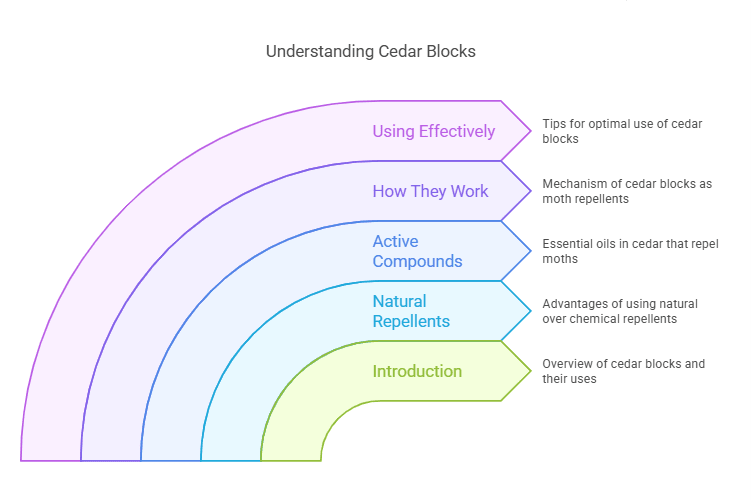
Using Cedar Blocks Effectively
- Space them out: place one block per 2–3 linear feet of hanging clothes or per drawer, rather than clustering them in one corner, so the scent covers the whole space evenly.
- Keep them out of direct sun and heat: both dry out the oil faster and shorten the refresh cycle.
- Combine formats for gaps: add loose cedar chips in corners or a cedar-lined storage panel for spaces blocks can’t reach.
- Store spares in a sealed bag: this keeps unused blocks from losing scent to open air before you need them.
Keeping Cedar Blocks Working: The Refresh Routine
Cedar blocks don’t expire in the way food does, but their surface oil does deplete with air exposure — that’s the entire reason the “permanent moth protection” claim on some packaging is misleading. In my shop, blocks that sit in a closed drawer keep their scent noticeably longer than ones exposed to open closet airflow, simply because there’s less air moving oil molecules away from the wood surface.
To refresh a block: sand the surface lightly with 150-grit sandpaper until you expose lighter, unoxidized wood underneath, then wipe off the dust. If sanding isn’t practical, rub a few drops of cedar oil into the surface and let it absorb for about 24 hours before returning the block to use. Never seal or varnish a cedar block — a sealant traps the oil inside and permanently kills its scent output.
For the full lifespan timeline and a deeper walkthrough of the sanding process, see our dedicated guides on how long cedar blocks actually last and how to refresh them step by step.

Beyond Moths: Other Pests Cedar Repels
Cedar’s oils aren’t moth-specific. The same compounds are reported to deter silverfish, carpet beetles, and some ants, and cedar chips are a common ingredient in DIY pantry-pest deterrents. Effectiveness against these pests is generally weaker and less studied than against clothes moths, so treat cedar as a supporting layer rather than your primary defense for a real infestation of any of them. For a broader look at what cedar does and doesn’t repel, see our guide on whether cedar wood repels insects.
DIY Cedar Blocks
Cedar blocks are one of the simplest shop projects to make from offcuts. Cut scrap cedar 2×4 or fence-board offcuts into 2–3 inch cubes, sand all sides smooth (skip any finish — a sealed block won’t release scent), and drill a small hole if you want to hang them rather than set them flat. Reclaimed cedar works just as well as new stock; if you’re repurposing old fencing or siding, our guide on aging and reusing old cedar covers prepping weathered wood before you cut it down. For more cedar projects and buying guides, browse our full cedar wood hub. Prefer round balls instead of cut blocks? See how cedar balls work for the same repellent science in a different shape. If you have actual bark scraps left over from a felled or trimmed cedar tree, our guide to cedar wood bark uses covers turning that raw bark into sachets, mulch, and more.

Frequently Asked Questions
Do cedar blocks actually work?
Yes, but as a repellent, not a killer. Cedrol and thujopsene in cedar wood mask the scent moths use to find wool and disrupt their ability to lay eggs, which measurably reduces new infestations. They won’t remove moths that are already established in a garment.
Does cedar kill moths or their eggs?
Mostly no. Cedar is primarily a repellent that prevents egg-laying rather than a killer of adult moths. At high surface-oil concentrations it can be toxic to newly hatched larvae, but that’s a secondary effect — prevention is the main mechanism.
How long do cedar blocks last before losing effectiveness?
Typically 3 to 6 months before the surface oil depletes and the scent fades noticeably. Sanding the surface or applying a few drops of cedar oil restores it, and a well-maintained block can keep working for years.
Are cedar blocks better than mothballs?
For most households, yes. Cedar blocks carry no toxic fumigant residue and are safe around family and pets, while mothballs use naphthalene gas that leaves a lingering chemical smell. Mothballs do kill on contact, so they suit sealed, unoccupied long-term storage better than cedar does.
Are cedar blocks safe for clothes?
Yes. Cedar blocks don’t stain or damage fabric under normal use. Keep them from direct contact with light-colored silk or very delicate fabrics, since raw wood can occasionally transfer a faint tint if pressed directly against damp fabric for long periods.
Do cedar blocks work against pests besides moths?
To a lesser degree. Cedar’s oils are reported to deter silverfish and some ants, but the evidence is weaker than for clothes moths, so don’t rely on cedar alone against an active infestation of another pest.
Conclusion
Cedar blocks work by chemistry, not magic: cedrol and thujopsene mask the scent moths use to find wool and disrupt their egg-laying, and that protection is real but temporary. Sand or oil the surface every few months, keep blocks out of direct sun, and space them evenly through your closet or drawers — do that, and a set of cedar blocks will keep protecting your clothes for years, not just until the scent quietly fades out.
Sponsored / affiliate links. As an Amazon Associate I earn from qualifying purchases. I may earn additional commission from eligible campaigns.