Does Cedar Need to Be Treated? No, But Here’s When It Helps
Cedar does not need to be treated — its natural oils resist rot and insects on their own — but young, second-growth lumber (most cedar sold today) still benefits from a sealer in wet climates. Skip it, and cedar still holds up, but it grays unevenly and can develop surface checking within a few wet seasons. This guide covers what actually makes cedar rot-resistant, when treatment pays off by application, and how often to reseal it.
Insert your Affiliate Disclosure reusable block here.
What Actually Makes Cedar Rot-Resistant (Not Just “Natural Oils”)
Best Cedar Sealer Pick
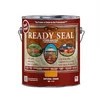
Ready Seal Stain and Sealer, Natural Cedar – $39.99
A pre-mixed oil-based stain and sealer in the same natural-cedar tone this guide’s by-use table recommends for decks and siding in wet climates.
- Best for: cedar decks and fences where you want an even, natural-cedar tone without brush-mark buildup
- Why we picked it: soaks in without lap marks, so it fits the 2-3 year resealing routine covered above without a repaint-level project each time
- Main drawback: covers less area per gallon than water-based sealers — a full-size deck often needs two gallons
Compare more cedar sealer options
 Option 1 Thompson’s WaterSeal, Natural Cedar – $29.76
|
 Option 2 Olympic WaterGuard, Woodland Cedar – $31.98
|
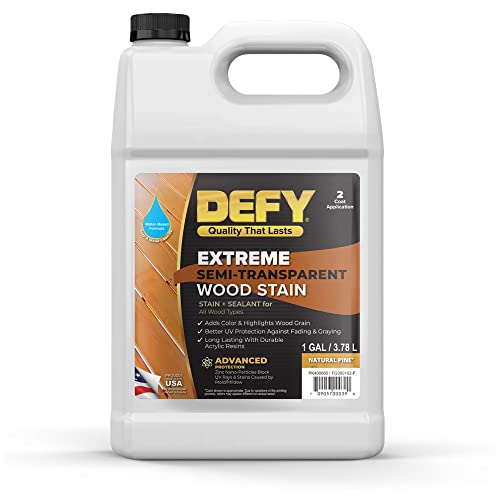
 Option 3 DEFY Extreme, Cedar Tone – $54.54
|
As an Amazon Associate we earn from qualifying purchases.
Most cedar guides, including our own cedar guides, wave at “natural oils” as the reason cedar resists rot. That’s true but incomplete. The compound most people cite is thujaplicin, but research on western redcedar in ground contact found thujaplicin only weakly tracks actual decay resistance. Plicatic acid, a lignan, is the compound most strongly associated with how long cedar heartwood survives in wet, ground-contact conditions — and its concentration is measurably lower in young, second-growth trees than in old-growth wood.
That distinction matters because most cedar sold today is second-growth, not the old-growth stock that built cedar’s “lasts decades untreated” reputation. If you want the deeper breakdown of the extractives involved, see why cedar resists rot in the first place.
📊 Research on western redcedar in ground contact found that plicatic acid — not the more commonly cited thujaplicins — is most strongly associated with decay resistance, and that young, second-growth trees (most cedar sold today) contain measurably less of it than old-growth heartwood. — Source: Wood Science and Technology (Springer): Western red cedar extractives associated with durability in ground contact. Per USDA Forest Products Laboratory documentation, western redcedar heartwood overall is rated resistant to very resistant to decay.

Does Your Cedar Project Actually Need Treatment? (By Use)
The honest answer changes depending on what you’re building. Here’s how it breaks down by application:
| Cedar Project | Needs Treatment? | Why |
|---|---|---|
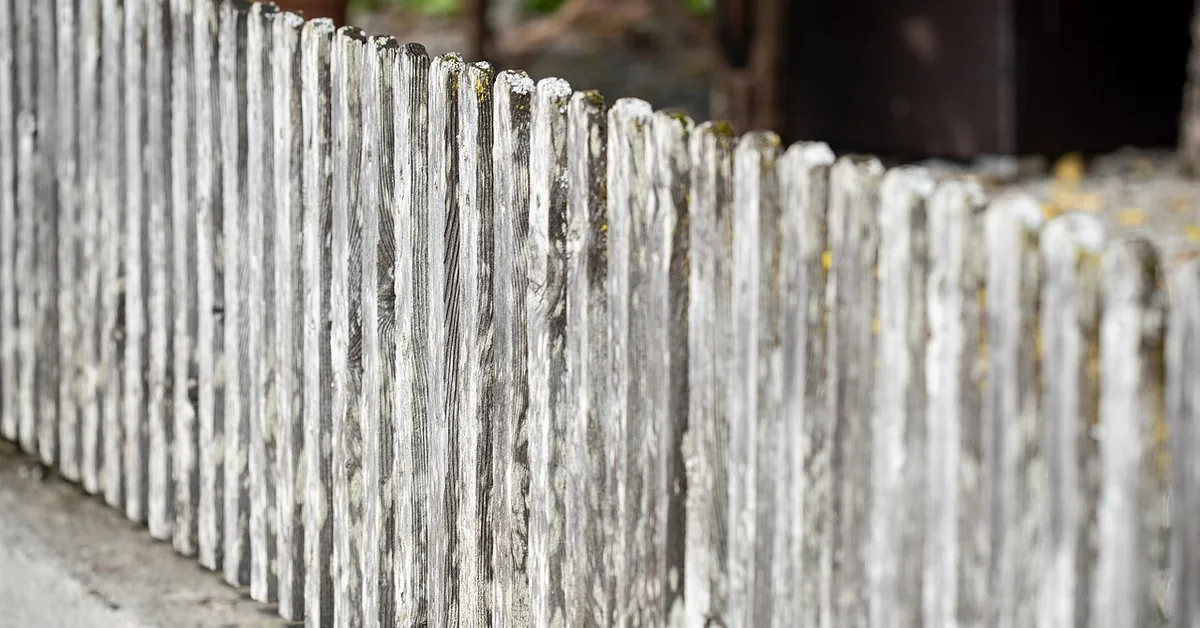
| Fence | Optional | Tolerates weathering fine; a stain mainly evens out the color |
| Deck | Recommended | Foot traffic plus standing water raises checking and mildew risk |
| Siding | Recommended in wet climates | Protects joints and end grain from wicking moisture |
| Outdoor furniture | Optional, recommended | A sealer cuts splintering and keeps the finish even |
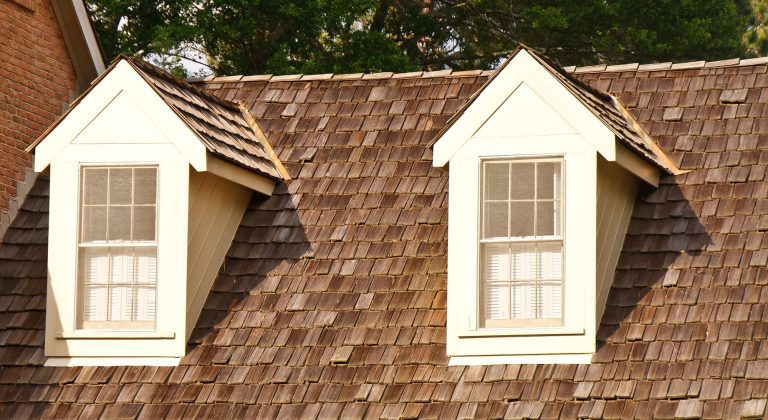
| Shakes and shingles | Usually pre-treated | Check the manufacturer spec before adding more coating |
If you land on “yes, treat it,” how to treat cedar wood properly walks through sealer, oil, and stain application step by step. Compared to pressure-treated lumber, cedar’s upkeep is lighter either way — see cedar vs. pressure-treated wood for the full tradeoff.
Signs Your Cedar Actually Needs Resealing
Skip the calendar-based guesswork and check the wood itself. Reseal when you see:
- Water no longer beads on the surface and soaks in within a few seconds instead
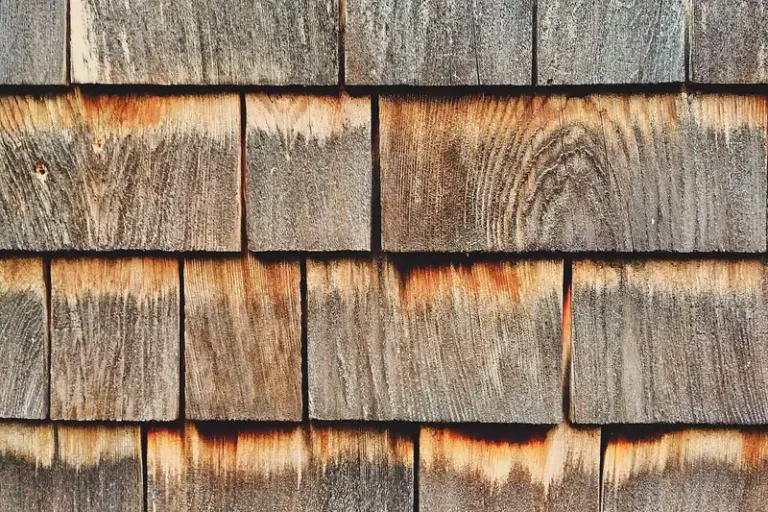
- Small surface cracks (checking) starting to appear along the grain
- Uneven graying, with some boards noticeably lighter or darker than others
- Rough, splintery texture underfoot on a deck board
- Dark or greenish mildew spots in shaded, poorly-drained areas
How Often to Reseal Cedar (And What Happens If You Skip It)
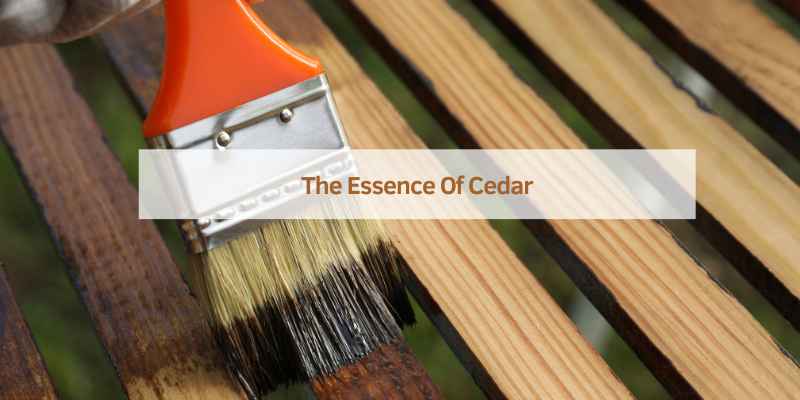
Most sealers and semi-transparent stains hold up for 2 to 3 years on the right cedar finish before they need a fresh coat, though sun-facing decks in hot climates often need it closer to the 2-year mark and shaded fences can stretch past 3. Skip resealing entirely and nothing catastrophic happens — cedar’s natural extractives are still doing their job — but the wood grays unevenly, develops more surface checking, and can feel rougher underfoot. Cedar oil is a lighter-touch option than a full sealer if you just want to slow the color fade without building up a film on the surface.
Frequently Asked Questions
Can Cedar Be Left Untreated?
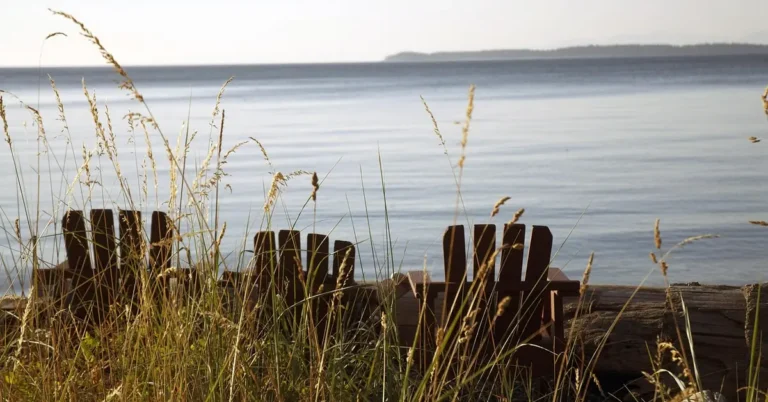
Yes. Cedar’s natural oils and tannins resist rot, decay, and insects well enough for outdoor use with zero coatings. Left alone, it weathers to a silver-gray patina within a year or two outdoors. The tradeoff is cosmetic, not structural — untreated cedar still needs occasional cleaning to keep mold and mildew from building up in humid spots.
Do I Need to Seal Cedar Wood?
No, sealing is optional. A sealer mainly slows the graying process and adds a water-repellent layer at high-moisture spots like deck-board ends and fence-post bases. If you like the natural silver look, skip it entirely; if you want to keep cedar’s reddish-brown color, plan on resealing every 2-3 years.
Does Cedar Siding or a Cedar Deck Need Treatment for Outdoor Use?
Not structurally, but the two applications differ. Decks see foot traffic and standing water, so a sealer measurably cuts surface checking over time. Siding is more vertical and sheds water faster, so treatment there is mostly about color retention and UV protection rather than decay prevention.
Can I Leave My Cedar Deck Untreated?
Yes — an untreated cedar deck won’t rot outright, but expect uneven graying, more visible surface checking, and a rougher, more splintery surface underfoot within a few years. Regular sweeping and an occasional wash with mild soap and water is the minimum upkeep either way. A red cedar deck stain is the more common route if you’d rather not deal with the splintering.
How Long Does Untreated Cedar Actually Last Outside?
Commonly cited ranges of 15 to 30-plus years assume older, denser heartwood. Most cedar sold today comes from younger, second-growth trees, which USDA Forest Products Laboratory research shows is measurably less decay-resistant than old-growth stock — so treat those longer estimates as a ceiling, not a guarantee, for new lumber.
Is Old-Growth Cedar More Rot-Resistant Than New Cedar?
Yes. Research on western redcedar in ground contact found decay resistance tracks the concentration of plicatic acid in the heartwood, and that concentration is measurably lower in young, second-growth trees than in old-growth wood. Practically, newer cedar lumber benefits more from a protective sealer than the wood an older deck was built from.
Conclusion
Cedar doesn’t need to be treated to survive outdoors, and that’s still true for the younger, second-growth lumber sold today — it just doesn’t hold quite the same reserve of rot-fighting extractives as the old-growth wood cedar’s reputation was built on. Treat it if you want to slow the graying, protect a deck’s high-moisture spots, or keep the reddish-brown color a few extra years before painting cedar or staining. Skip it if you’re fine watching it weather to silver, as long as you’re still checking how cedar changes as it ages for the mold and mildew signs above.
Sponsored / affiliate links. As an Amazon Associate I earn from qualifying purchases. I may earn additional commission from eligible campaigns.