How Often Should You Replace Cedar in a Closet?
How often you replace cedar in a closet depends on what form it’s in, not a single blanket number. Small accessories like cedar blocks, balls, and hangers have limited surface area and typically need refreshing (light sanding) every 3–6 months and full replacement every 1–2 years. A solid cedar-lined closet — tongue-and-groove cedar boards covering the walls — has far more surface area exposed and can go 3–5 years between sandings, with the boards themselves lasting decades structurally.
The confusion in a lot of cedar-care advice comes from treating all cedar products as if they behave the same way. They don’t: it’s the exposed surface area of aromatic cedar (Juniperus virginiana, “eastern red cedar”) that determines how fast the volatile oils responsible for both the scent and the insect-repelling effect evaporate, not a fixed shelf life. This guide breaks replacement and refresh timing down by product type, with the actual mechanism behind why cedar stops working.
Why Cedar Loses Effectiveness
Aromatic cedar’s insect-deterrent effect comes from thujone and other volatile terpenes in the wood’s oil, the same compounds that produce its characteristic smell. These compounds evaporate from the exposed wood surface over time; once the surface layer is depleted, the scent fades and the effect weakens even though the wood underneath may still hold oil. That’s why a light sanding restores the smell — it exposes a fresh layer of oil-saturated wood — and why it’s a temporary fix, not a permanent one; each sanding removes a bit of material, and a thin block or panel only has so many sandings left in it before it’s sanded away entirely.
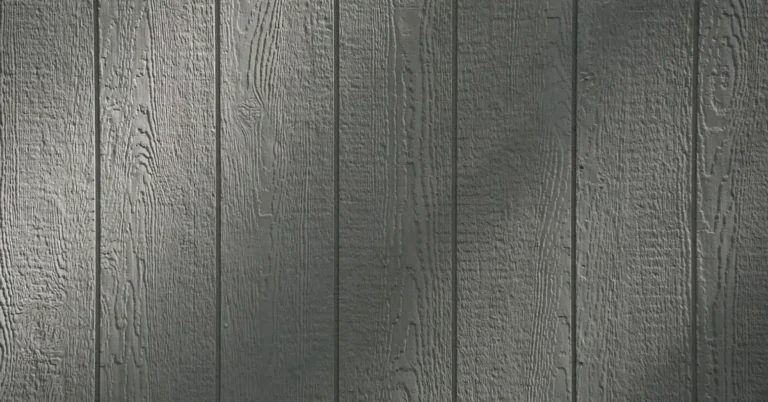
Not all “cedar” sold for closets is the same species, and it matters for how long the scent lasts. Aromatic red cedar (Juniperus virginiana) is actually a juniper, not a true cedar, and it’s the species with the strong, familiar closet smell — it’s what closet lining, blocks, and hangers are almost always made from. Western red cedar (Thuja plicata), the species used for fence boards, shingles, and outdoor siding, has a much milder, less persistent scent and a lower concentration of the relevant terpenes; it’s a fine wood for outdoor construction but a poor substitute if the goal is a closet’s insect-deterrent scent. When buying replacement cedar accessories, look for “aromatic cedar” or “aromatic red cedar” specifically on the packaging rather than assuming any reddish, cedar-scented wood will perform the same.
Easiest Cedar Refresh for Closets
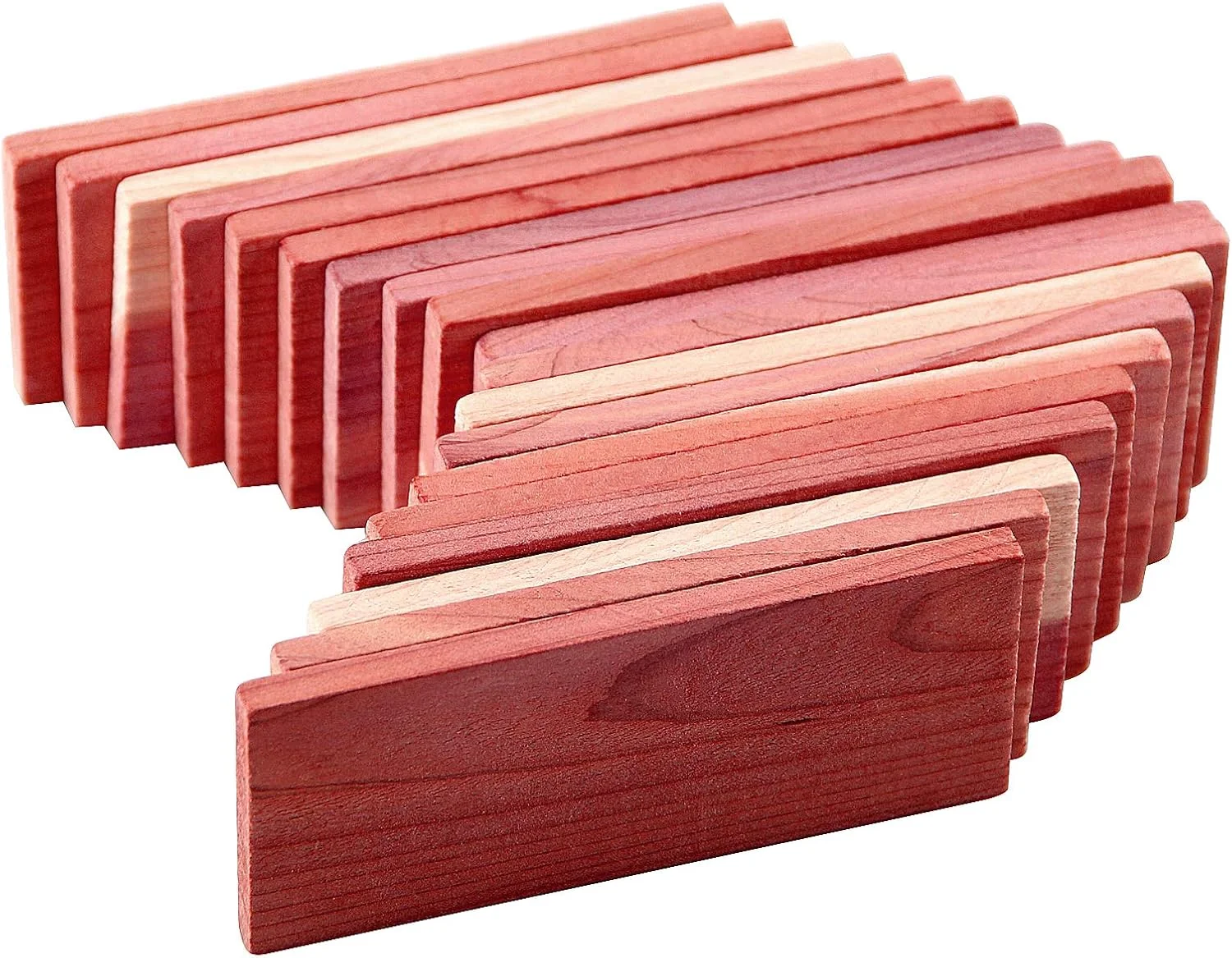 |
Cedar Space Cedar Blocks, 16-Pack – $13.99 A cheap, sandable option that spreads scent across a closet instead of a single large panel.
|
Replacement and Refresh Timing by Product Type
| Product Type | Sand to Refresh | Full Replacement |
|---|---|---|
| Cedar blocks/balls | Every 3–6 months | Every 1–2 years |
| Cedar hangers | Every 6 months | Every 2–3 years |
| Cedar drawer liners | Every 6–12 months | Every 2–3 years |
| Solid cedar-lined closet (tongue-and-groove panels) | Every 3–5 years | Structural lifespan of decades; rarely needs full replacement |
These are starting points, not fixed schedules — a closet with more airflow, higher ambient temperature, or more frequent door-opening will lose scent faster than a sealed, undisturbed one, since all three speed up evaporation of the same volatile compounds. A closet that runs warm (near an attic or a south-facing exterior wall) will burn through a set of cedar blocks noticeably faster than one in a cooler basement-level room. If a schedule from this table feels too fast or too slow for a specific closet, adjust based on how the scent actually holds up rather than following the interval rigidly.
Blocks and balls fade fastest because they’re small and have proportionally more surface exposed relative to their volume. A solid cedar panel wall has enormous surface area and much more oil-saturated wood in reserve, which is why it needs sanding far less often and essentially never needs full replacement — the boards themselves can outlast the house.
Signs It’s Time to Refresh or Replace
Fading Scent
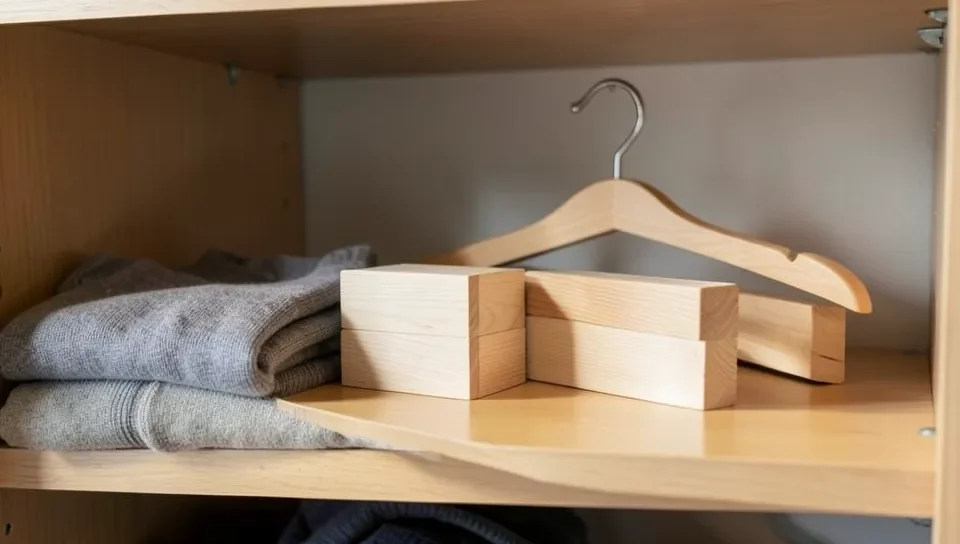
Hold the piece close and smell it directly. If you can’t detect the cedar scent without pressing your nose right up to the wood, the surface oils are depleted and it’s time to sand (for a block, hanger, or liner) or consider replacement if it’s already been sanded down thin.
Visible Wear
Cracks, splits, or a block sanded down to a fraction of its original thickness mean there isn’t much oil-bearing wood left. At that point, sanding again won’t restore much scent, and replacement is more cost-effective than continuing to chase a fading smell.
How to Refresh Cedar by Sanding
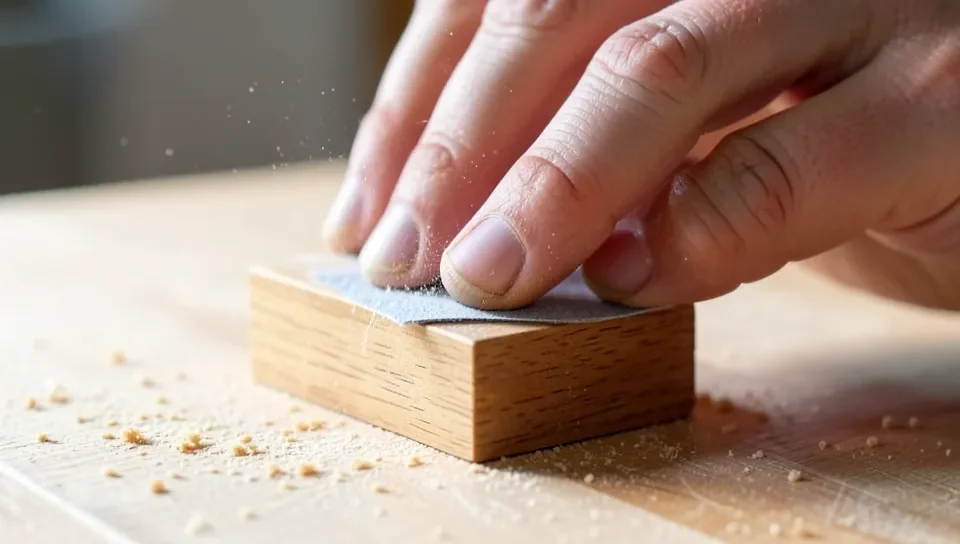
Use fine-grit sandpaper (150–220 grit) and sand lightly across the surface for a minute or two per piece — the goal is exposing fresh wood, not removing significant material. Wipe away the dust with a dry cloth; don’t use water or cleaning products, which can wash out the surface oils you’re trying to expose. A few drops of pure cedarwood oil rubbed into the surface between sandings extends the interval before the next sanding is needed, though it’s a supplement to sanding, not a replacement for it.
Getting the Most Out of Cedar in a Closet
- Keep the closet dry — humidity speeds up how fast the volatile oils dissipate and can encourage mildew that masks the cedar scent entirely
- Avoid letting cedar touch fabric directly; oils can transfer and stain light-colored clothing
- Good airflow spreads the scent further than sealing cedar in an airtight container, which traps the oils against the wood instead of releasing them into the closet air
- Don’t paint, varnish, or seal cedar accessories — any coating blocks the oil from reaching the surface and defeats the purpose entirely
What Cedar Actually Protects Against
Cedar’s reputation as a moth repellent is only partly accurate, and it matters for how much you should expect from it. Research from university extension entomology programs has found that aromatic cedar oil can kill young clothes moth larvae in high enough, sustained concentrations, but it does very little against moth eggs and has no effect at all on adult moths already established in a closet. In practice, that means cedar works best as a preventive measure in a closet that’s already clean and moth-free, not as a fix for an active infestation — a closet with an established moth problem needs a real cleaning (vacuuming, washing infested fabrics, sometimes freezing or professional pest control) before cedar’s ongoing protection is worth relying on.
The same concentration requirement explains why a sealed cedar chest with a tight-fitting lid protects clothing more reliably than open cedar blocks on a shelf: the enclosed space lets the oil vapor build up to the concentration needed to actually affect larvae, while an open closet with normal airflow dilutes it well below that level. Open cedar accessories in a regular closet still help — the scent deters adult moths from laying eggs there in the first place — but they’re not a substitute for periodically inspecting stored wool and other natural fibers for early signs of larvae.
Frequently Asked Questions
How Often Should Cedar Be Replaced In A Closet?
It depends on the product: cedar blocks and balls typically need full replacement every 1–2 years, cedar hangers and drawer liners every 2–3 years, and a solid cedar-lined closet almost never needs full replacement, since the panels have far more oil-saturated wood in reserve than a small accessory.
What Signs Indicate Cedar Needs Replacement?
A scent that’s undetectable without pressing your nose directly to the wood, visible cracks or splitting, or a block that’s already been sanded down to a fraction of its original size are all signs it’s time to replace rather than sand again.
Can You Refresh Cedar Instead Of Replacing It?
Yes — light sanding with 150–220 grit sandpaper exposes a fresh layer of oil-saturated wood and restores most of the scent and effectiveness. This works repeatedly until the piece is sanded thin enough that replacement becomes more practical.
Does Cedar Lose Effectiveness Over Time?
Yes. The volatile oils responsible for both the scent and the insect-deterrent effect evaporate from the wood’s surface over time, which is a natural process rather than a defect. Sanding periodically exposes fresh oil-saturated wood and restores the effect until the piece is too thin to sand further.
Conclusion
There’s no single “replace cedar every X years” rule that fits every product — small accessories fade fastest and need replacing most often, while solid cedar closet lining can go years between sandings and decades before it needs full replacement at all. Match the maintenance schedule to what form of cedar is actually in the closet, and a light sanding every few months to a year keeps most cedar accessories working well past their first fading.
Sponsored / affiliate links. As an Amazon Associate I earn from qualifying purchases. I may earn additional commission from eligible campaigns.