Best Way To Clean Manufactured Wood: Effortless Results
The best way to clean manufactured wood involves gentle methods. Use a damp, not wet, mop with a pH-neutral cleaner specifically designed for laminate or manufactured wood. Always wipe spills immediately and dry the floor thoroughly to prevent water damage and ensure lasting beauty.
Welcome to the workshop! As your woodworking mentor, Md Meraj, I know that dealing with manufactured wood furniture, flooring, or cabinets can sometimes be a puzzle, especially when it comes to keeping them clean. Unlike solid hardwoods, manufactured wood’s layered construction means it needs a little special care. But don’t worry! Getting effortless, streak-free results is totally achievable with the right approach. If you’ve ever wondered what the “safest” and “most effective” way to clean your manufactured wood is, you’re in the right place. We’ll break it down into simple, step-by-step instructions so you can confidently restore that beautiful finish. Let’s gather our tools and get started!
Understanding Manufactured Wood: What’s Inside?
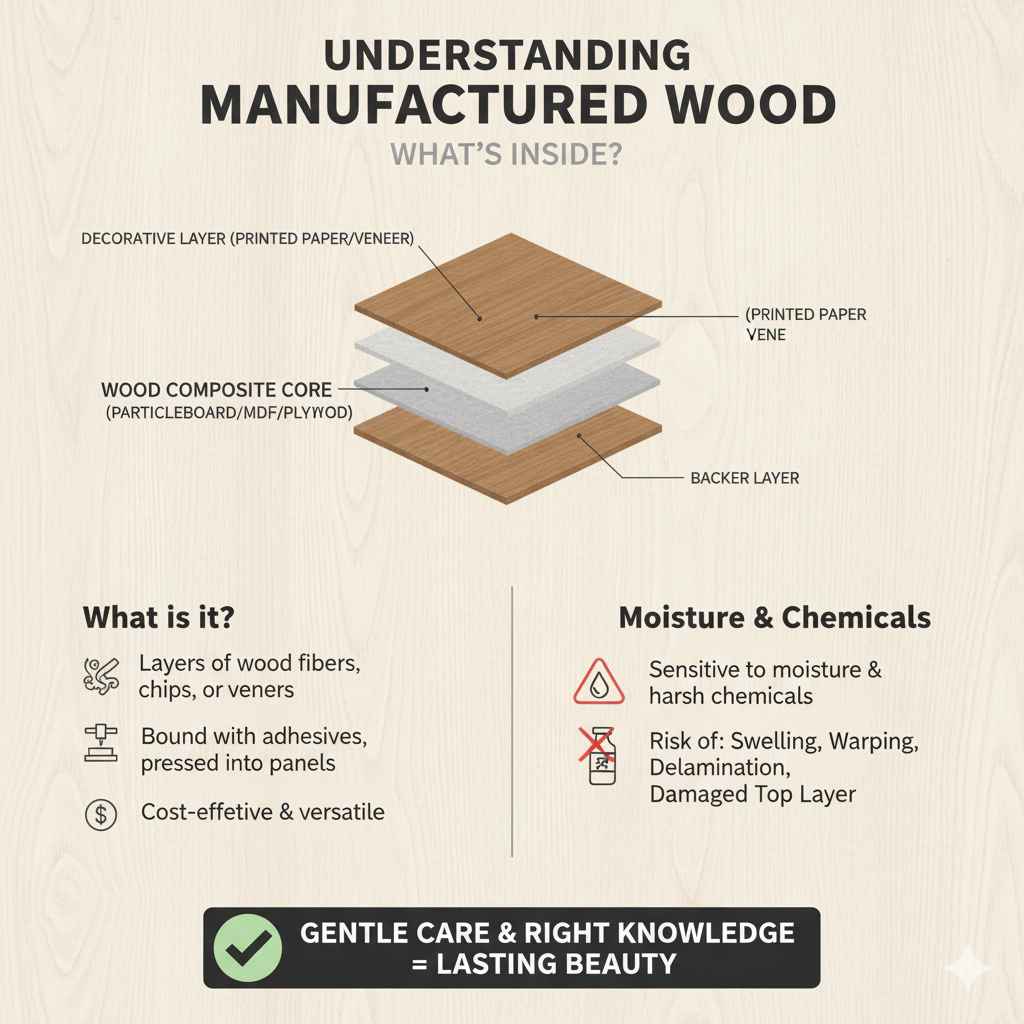
Before we dive into cleaning, let’s take a quick look at what manufactured wood actually is. It’s a clever term that covers a few different types of wood products, like particleboard, MDF (Medium-Density Fiberboard), and plywood. These are usually made from wood fibers, chips, or veneers that are bound together with adhesives and then pressed into panels. They often have a decorative layer on top, like a printed paper or veneer, to give them the look of real wood. This layered structure is what makes them a fantastic budget-friendly and versatile option for many homes, from beautiful flooring to functional cabinets.
Because of this construction, manufactured wood can be more sensitive to moisture and harsh chemicals than solid wood. Water can seep into the layers, causing swelling, warping, or delamination, and strong cleaners can damage that decorative top layer. The good news? With the right knowledge and gentle techniques, cleaning manufactured wood can be just as rewarding and effective as cleaning any other surface in your home. Think of it as a friendly negotiation with your materials – understanding their needs leads to the best results!
Why Proper Cleaning Matters for Manufactured Wood
Keeping your manufactured wood clean isn’t just about making it look good; it’s about preserving its lifespan and preventing costly repairs. Here’s why being mindful of your cleaning methods is so important:
- Preventing Swelling and Warping: Too much water is the biggest enemy of manufactured wood. It can penetrate the core layers, leading to unsightly swelling and warping that can’t be undone.
- Protecting the Surface Finish: Many manufactured wood products have a protective wear layer or a printed design. Harsh cleaners, abrasive pads, or excessive scrubbing can scratch, fade, or remove this layer, ruining the appearance permanently.
- Avoiding Stains: Spills, dirt, and grime can set into the surface if not cleaned promptly, leading to stubborn stains that detract from the beauty of your wood.
- Maintaining a Healthy Home: Dust and allergens can accumulate on wood surfaces. Regular, proper cleaning helps maintain a healthier living environment.
- Preserving Value: Well-maintained furniture and flooring contribute to the overall appearance and value of your home.
By choosing the ‘best way to clean manufactured wood,’ you’re investing in the longevity and pristine condition of your home’s features. It’s all about working smart, not hard, and using methods that respect the material.
What You’ll Need: Your Cleaning Arsenal
Gathering the right supplies is the first step to a successful cleaning mission. For manufactured wood, you want to keep it simple and gentle. Here’s what I recommend:
Essential Cleaning Supplies:
- Microfiber Mop: These are fantastic because they pick up dust and dirt effectively without scratching, and they hold moisture well for a damp (not wet!) clean.
- Soft Cloths or Sponges: For spot cleaning and drying. Microfiber cloths are ideal here too.
- pH-Neutral Cleaner: This is crucial. Look for cleaners specifically labeled for laminate floors, engineered wood, or manufactured wood. Avoid anything acidic (like vinegar unless heavily diluted and tested) or alkaline (like ammonia). A good option might be a specialized laminate floor cleaner or a very mild dish soap solution.
- Bucket: For your cleaning solution.
- Water: Clean, lukewarm water.
- Towel or Dry Cloth: For immediate drying.
Optional, But Helpful:
- Spray Bottle: For a light mist of cleaner if you prefer.
- Vacuum Cleaner with a Soft Brush Attachment: For regular dust and debris removal without scratching.
Remember, the key is to avoid excess water and harsh scrubbing. We’re aiming for a gentle touch!
The Best Way to Clean Manufactured Wood: Step-by-Step Guide
Now, let’s get down to business! Follow these steps for a sparkling, clean manufactured wood surface. We’ll focus on floors as a primary example, but these principles apply to furniture and cabinets too.
Step 1: Clear the Area and Prepare
First, remove any furniture, rugs, or decor from the area you’ll be cleaning. This gives you clear access and prevents you from accidentally cleaning around items.
Step 2: Dry Dust or Vacuum
Before introducing any moisture, it’s essential to remove loose dirt, dust, and debris. This prevents creating muddy streaks when you mop. You can use a dry microfiber mop pad to sweep the floor or a vacuum cleaner. If using a vacuum, make sure it has a setting for hard floors or a soft brush attachment to avoid scratching the surface. Think of this as prepping your canvas!
Step 3: Prepare Your Cleaning Solution
This is where choosing the right cleaner is key. If you’re using a commercial cleaner, follow the dilution instructions on the bottle. Typically, you’ll mix it with water in a bucket. A common recommendation is about 1/4 cup of a specialized laminate cleaner per gallon of water. Alternatively, you can use a very mild solution of dish soap – just a drop or two in a bucket of water. The goal is to have a slightly soapy solution, not a foamy one. Always test any cleaner in an inconspicuous spot first!
Step 4: Dampen Your Mop
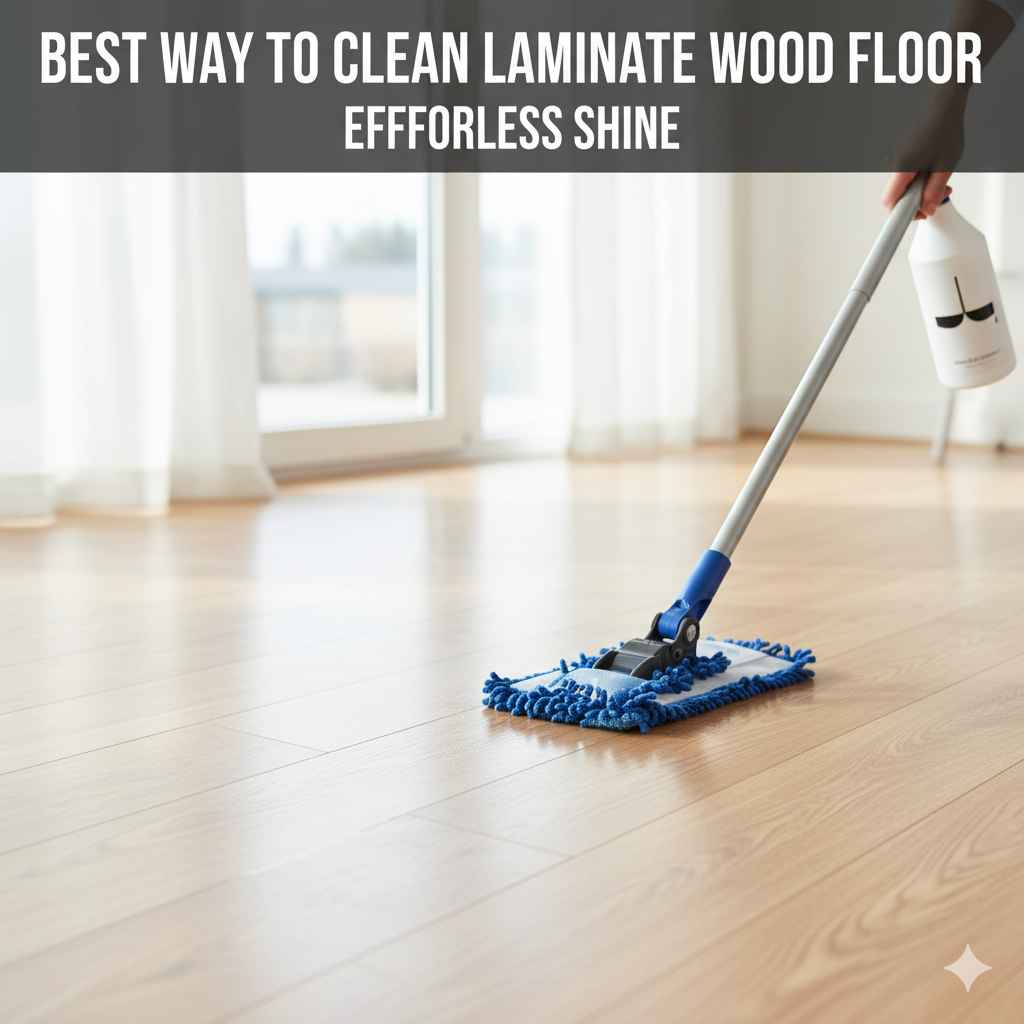
Dip your microfiber mop into the cleaning solution and then wring it out thoroughly. This is the MOST important step. Your mop should be damp, not dripping wet. Imagine it just kissed by the water, not drowned in it. Excess water is the enemy of manufactured wood.
Step 5: Mop the Floor
Start mopping your manufactured wood floor. Work in sections, moving from the farthest corner of the room towards the exit. Use long, even strokes. Don’t let water pool on the surface. If you start seeing puddles, you’re using too much water, and you need to wring your mop out even more.
Step 6: Rinse (If Necessary) and Wipe Up Spills
Most pH-neutral cleaners designed for manufactured wood don’t require rinsing. However, if you used a bit more soap than intended or are unsure, a quick pass with a mop that’s been wrung out in clean water can be beneficial. Immediately wipe up any standing water or spills with a clean, dry microfiber cloth.
Step 7: Dry Thoroughly
Even with a damp mop, it’s a good idea to go over the floor with a clean, dry microfiber mop or cloth. This ensures no residual moisture is left behind, which is vital for preventing damage. This step also helps prevent streaks and brings out the shine.
Special Considerations for Different Manufactured Wood Surfaces
While floors are a common application, manufactured wood is also found in furniture, cabinets, and countertops. Each might require slight adjustments to your cleaning approach.
Manufactured Wood Furniture and Cabinets
For furniture and cabinets, the general principles of using a damp cloth and mild cleaner still apply. The key difference is that you’re often dealing with smaller areas and potentially different finishes.
- Wipe Up Spills Immediately: This is paramount for any wood surface, especially those with decorative overlays that can absorb liquids quickly.
- Dust Regularly: Use a soft, dry microfiber cloth to keep surfaces free of dust.
- Spot Cleaning: For minor spots or smudges, dampen a soft cloth with water or a highly diluted pH-neutral cleaner. Wipe the spot gently, then immediately dry the area with a clean, dry cloth.
- Avoid Soaking: Never spray cleaner directly onto the surface. Lightly dampen a cloth instead.
- Drawer and Door Slides: For the internal runners of drawers or hinges of cabinet doors, sometimes a bit of silicone spray can help, but always check manufacturer recommendations first to avoid damaging the finishes.
Manufactured Wood Countertops
Similar to furniture and flooring, countertops made from manufactured wood (often laminated particleboard) need careful treatment.
- No Cutting Directly: Always use a cutting board. Knives can easily damage the laminate layer.
- Avoid Hot Pots: Use trivets or hot pads. Extreme heat can damage the adhesive and the laminate.
- Clean Spills Promptly: Especially acidic liquids like juice or vinegar.
- Gentle Cleaning: A damp cloth with a mild dish soap solution is usually best. Dry thoroughly afterward.
For any specific item, checking the manufacturer’s care instructions is always the best first step. You can often find these on the product’s website or original packaging.
What to AVOID When Cleaning Manufactured Wood
Knowing what not to do is just as important as knowing what to do. These common mistakes can cause irreversible damage:
- Excessive Water: As we’ve stressed, standing water is the biggest culprit for swelling and delamination. Always use a wrung-out, damp mop or cloth.
- Steam Mops: The high heat and moisture from steam mops can force moisture into the seams and damage the materials. It’s generally not recommended for manufactured wood.
- Harsh Chemicals: Avoid ammonia, bleach, abrasive cleaners, and all-purpose cleaners that aren’t specifically designed for manufactured wood. These can strip, fade, or damage the protective layer or veneer.
- Abrasive Scrubbers: Steel wool, scouring pads, or stiff brushes can scratch and dull the surface. Stick to soft cloths and microfiber mops.
- Vinegar (Unless Diluted and Tested): While a popular natural cleaner, vinegar is acidic. Undiluted or frequent use can dull or damage the finish of some manufactured wood products. If you choose to use it, dilute it heavily with water (e.g., 1/4 cup vinegar to 1 gallon of water) and always test in an inconspicuous area first.
- Wax or Polish: These products can build up over time and create a slippery, dull surface that’s hard to clean. They are generally not needed or recommended for the protective wear layer of manufactured wood.
Sticking to these “don’ts” will help you avoid common pitfalls and keep your manufactured wood looking its best for years to come.
Creating a Routine for Lasting Cleanliness
Consistency is key to effortless results. Establishing a simple cleaning routine makes it easy to maintain the beauty of your manufactured wood surfaces without ever feeling overwhelmed.
Daily Habits:
- Wipe Spills Instantly: Make it a habit to grab a cloth and wipe up any spills the moment they happen. This is the single most effective way to prevent stains and water damage.
- Quick Sweep or Dust: In high-traffic areas, a quick dry sweep with a microfiber mop or a dusting with a soft cloth can pick up daily dust and crumbs.
Weekly Cleaning:
- Damp Mopping: For floors, perform the damp mopping routine outlined earlier once a week, or more often if needed.
- Surface Wipe-Down: For furniture and cabinets, do a more thorough wipe-down with a barely damp cloth to remove any accumulated dust or grime.
Monthly or As Needed:
- Deeper Clean: If you notice stubborn smudges or build-up, use your recommended pH-neutral cleaner for a more targeted clean.
- Vacuum Crevices: Use your vacuum’s crevice tool to clean out dust from edges and corners of furniture or around baseboards.
By incorporating these simple practices, you’ll spend less time on major clean-ups and more time enjoying your beautiful home. It’s about proactive care, not reactive scrubbing!
Comparing Cleaning Methods for Manufactured Wood
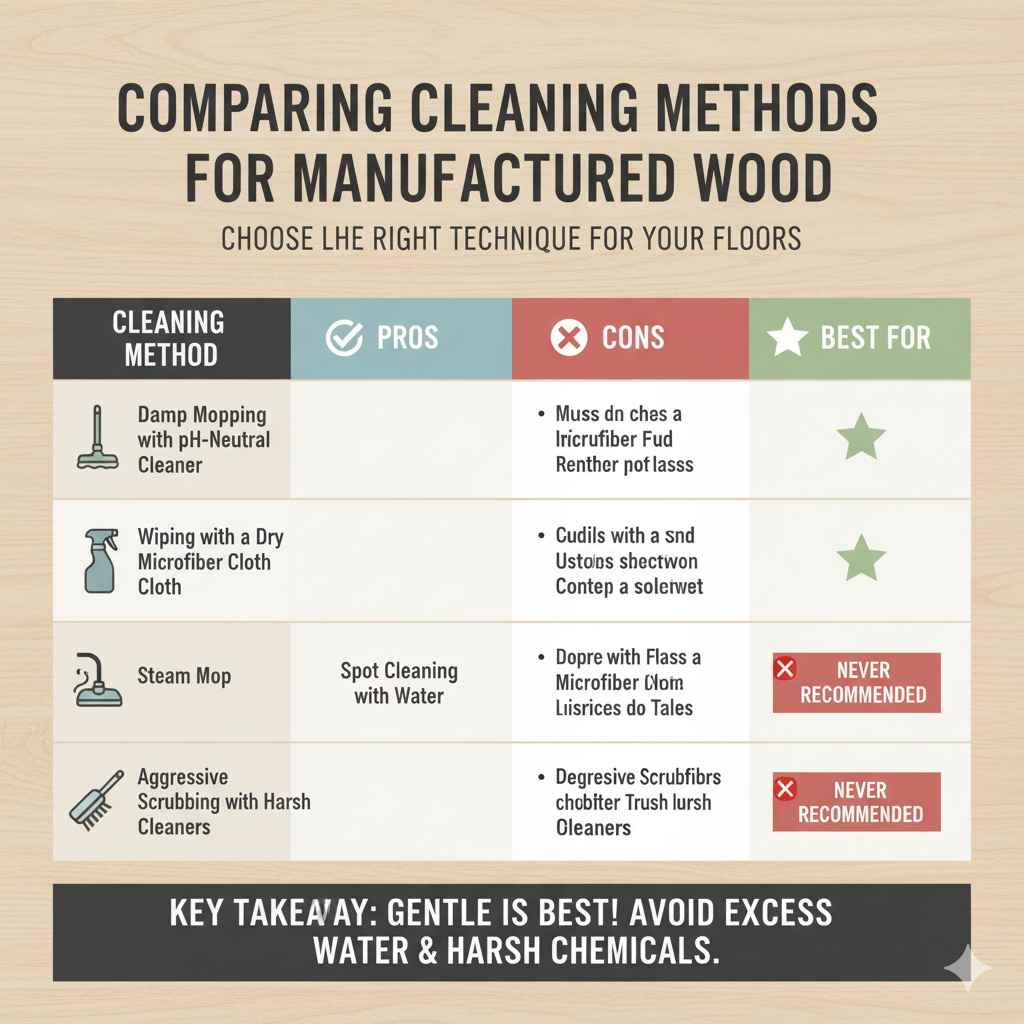
To solidify our understanding, let’s look at how different cleaning methods stack up for manufactured wood.
Here’s a simple comparison:
| Cleaning Method | Pros | Cons | Best For |
|---|---|---|---|
| Damp Mopping with pH-Neutral Cleaner | Effective for general cleaning, gentle on surfaces, minimal water use, helps prevent streaks. | Requires careful wringing of the mop, still carries a slight risk of water damage if done excessively. | Routine floor cleaning, general surface wiping. This is our recommended method. |
| Wiping with a Dry Microfiber Cloth | Extremely safe, quick, removes dust and allergens effectively. | Doesn’t remove stuck-on grime or spills. | Daily dusting, quick clean-ups. |
| Spot Cleaning with Water | Good for fresh, minor spills. | Can leave water spots if not dried, not effective for grease or heavy grime. | Immediate attention to small, fresh liquid spills. |
| Steam Mop | Kills germs, can feel thorough. | High risk of water damage and delamination for manufactured wood, can void warranties. | Generally NOT recommended for manufactured wood. |
| Aggressive Scrubbing with Harsh Cleaners | May remove some tough stains (but at a cost). | High risk of permanent damage: scratches, dulling, chemical burns, delamination. | Never recommended. |
As you can see, the gentle, damp approach with a specific cleaner consistently comes out on top for safety and effectiveness when cleaning manufactured wood. For more detailed information on flooring care, you can often find helpful guidelines from organizations like the National Wood Flooring Association (NWFA), though they focus on solid wood, their principles of moisture control are universally applicable to wood-based products.
Frequently Asked Questions About Cleaning Manufactured Wood
I know you might still have a few questions buzzing around. Here are some common ones I get:
Q1: Can I use vinegar to clean my manufactured wood floors?
A1: It’s best to use vinegar with extreme caution, if at all. Vinegar is acidic and can dull or damage the finish on many manufactured wood products over time. If you do use it, always dilute it heavily with water (e.g., 1/4 cup of vinegar to a gallon of water) and test it in an inconspicuous area first. A pH-neutral cleaner specifically designed for laminate or engineered wood is a much safer bet.
Q2: My spray bottle ran out of cleaner. Can I just use water?
A2: For everyday dusty messes, yes, a spray bottle with just water and a quick wipe with a microfiber cloth can work. However, for grime or spills, you really need a gentle cleaner to lift the dirt effectively. If you need to use just water, ensure your cloth/mop is barely damp, and dry immediately.
Q3: How often should I mop my manufactured wood floors?
A3: For most homes, a weekly damp mop is sufficient. In high-traffic areas or if you have pets or young children, you might need to mop more frequently. Always prioritize wiping up spills immediately, regardless of your regular mopping schedule.
Q4: Can I use a floor polish or wax on manufactured wood?
A4: Generally, no. Most manufactured wood products have a durable top wear layer that doesn’t require polishing or waxing. These products can build up, create a dull film, and make the floor slippery. It’s best to stick with the recommended cleaning methods unless the manufacturer specifically states otherwise.
Q5: What should I do if I accidentally spill a lot of water on my manufactured wood floor?
A5: Act fast! Immediately soak up as much water as possible with absorbent towels or cloths. Then, use a dry mop or cloth to dry the area completely. If the water sat for any length of time, keep an eye on the area for any signs of swelling or discoloration in the next few days. If significant damage has occurred, you might need to consult a professional or consider replacement.