Salvaged Wood Floors: Real Cost & The Lead Paint Safety Check
Salvaged wood floors typically cost $9–$15 per square foot from a distributor — 2–3 times more than new conventional flooring, not less. And if the wood came from a painted structure built before 1978, it needs a lead-paint test (a $10–$20 EPA-approved kit) before you sand or cut it.
Correcting two common claims: An earlier version of this page said salvaged wood floors are “less expensive than new wood options” and “improve air quality” with “fewer harmful chemicals.” Neither is generally true. Salvaged flooring costs more than new flooring in most cases because of the labor involved in sourcing, de-nailing, and milling it — and reclaimed wood from a painted structure can be more hazardous than new wood, not less, if it hasn’t been tested for lead.
Real Cost By Species
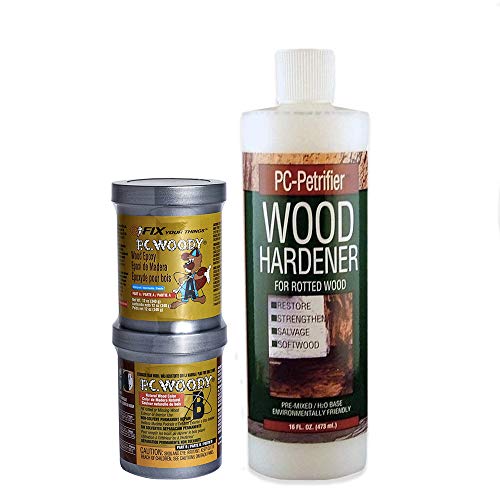
Best Salvaged Floor Repair Pick
 |
PC-Woody Wood Repair Epoxy Paste, 6oz Reclaimed boards often arrive with old nail holes, splits, or insect damage — this fills and hardens those spots before the boards go down.
|
Compare more salvaged floor care options
 Option 1 PC-Petrifier Wood Hardener, 16oz
|
 Option 2 Minwax Wipe-On Poly, Satin, 1 Pint
|
 Option 3 Gorilla Wood Glue, 8oz
|
As an Amazon Associate we earn from qualifying purchases.
| Species | Cost per sq ft |
|---|---|
| Reclaimed Red Oak | $6.50 – $8.00 |
| Reclaimed Maple | $5.50 – $8.50 |
| Reclaimed Douglas Fir | $5.00 – $12.00 |
| Reclaimed White Oak | $7.00 – $10.00 |
| Reclaimed Hickory | $8.00 – $19.00 |
The premium exists because of the labor-intensive process: sourcing from demolition sites, removing nails and hardware, inspecting for damage and hazards, and re-milling to consistent dimensions. That labor cost is the real reason salvaged flooring costs more than new, not less — the material itself (old barn or factory wood) is often cheap or free to the salvage company.
The Lead Paint Safety Issue
This is the safety consideration most guides skip entirely. Buildings constructed before 1978 were routinely painted with lead-based paint, and that paint can be embedded deep in the wood fiber even after decades of weathering. Sanding, cutting, or sawing painted salvaged wood can release toxic lead dust into your home.
- Ask your supplier directly whether the wood has been tested for lead, and get it in writing if possible.
- If they’re not sure, test it yourself — EPA-approved lead test kits cost about $10–$20 and are simple to use before you commit to a purchase or start milling.
- Unpainted, unfinished salvaged wood (old barn beams, undyed structural lumber) carries much lower risk than wood that shows any trace of old paint.
Characteristics Of Aged Timber
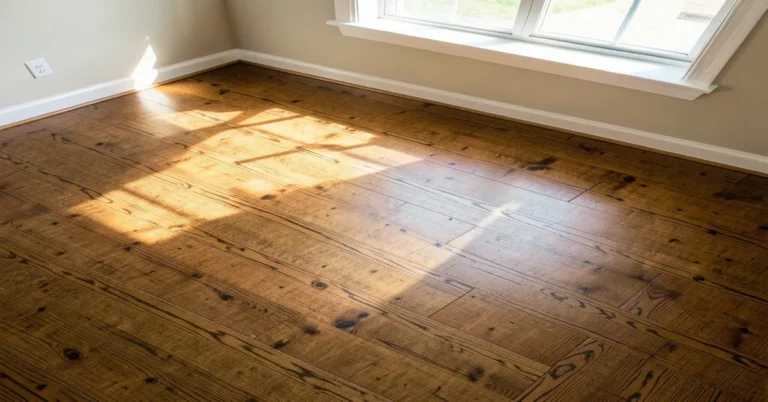
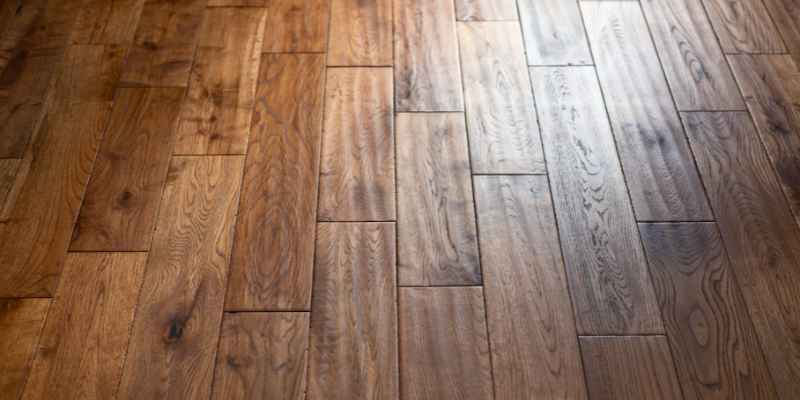
Salvaged wood floors have unique patinas and textures — every piece has color variation and character from years of exposure. Old-growth salvaged timber (from trees cut before modern reforestation, often 100+ years ago) is frequently denser and tighter-grained than comparable new-growth wood of the same species, since old-growth trees grew slower with tighter growth rings.
Installation Considerations
Check your subfloor first — it should be clean, dry, and level, with old flooring and debris removed. Beyond the lead-paint check above, inspect reclaimed boards for embedded nails, staples, or metal fragments before running them through any saw or planer; a metal detector pass is cheap insurance against a ruined blade. Professional installation ensures consistent results, especially with reclaimed material’s more variable dimensions; a confident DIYer can save money but should budget extra time for sorting and prepping boards.
Maintenance And Repair
For routine care, dust and sweep weekly with a soft-bristle broom or microfiber cloth, and use a pH-balanced wood floor cleaner sparingly with a damp (not wet) mop. Use felt pads under furniture legs, and repair small dents or scratches promptly with wood filler before they spread.
Sourcing Salvaged Wood Responsibly
Ask suppliers for proof of where the wood came from and whether it’s been tested for lead and treated for pests. FSC (Forest Stewardship Council) certification applies to sustainably-harvested new lumber, not reclaimed wood specifically — for salvaged material, sourcing transparency and safety testing matter more than a forestry certification.
Frequently Asked Questions
Are Salvaged Wood Floors Cheaper Than New Flooring?
No, generally the opposite. Salvaged flooring typically costs $9-15 per square foot from a distributor, 2-3 times more than comparable new flooring, because of the labor involved in sourcing, de-nailing, and re-milling the material.
Is Salvaged Wood Flooring Safe To Install?
It can be, but check first: wood from a structure built before 1978 may carry lead paint embedded in the fibers, which becomes hazardous dust when sanded or cut. Test with an EPA-approved lead test kit ($10-20) before working with painted reclaimed wood.
How Do I Clean And Maintain Salvaged Wood Floors?
Dust and sweep weekly, use a pH-balanced cleaner sparingly with a barely-damp mop, and dry the floor quickly afterward. Use felt pads under furniture and repair scratches or dents promptly with wood filler.
Conclusion
Salvaged wood floors bring genuine character and sustainability benefits, but go in with accurate expectations: budget for a real cost premium over new flooring, and always confirm the wood’s paint history before sanding or cutting it. Done right, a salvaged floor is a decades-long investment; done carelessly, it’s an expensive and potentially hazardous mistake.
Sponsored / affiliate links. As an Amazon Associate I earn from qualifying purchases. I may earn additional commission from eligible campaigns.