Birch vs Ash Wood: Essential Guide
Choosing between birch and ash wood can seem tricky for beginners. Both are beautiful hardwoods with unique strengths for DIY projects. This guide breaks down their differences, helping you pick the perfect wood for stability, appearance, and durability. We’ll cover everything you need to know to make an informed choice for your next woodworking adventure.
Welcome to the workshop, fellow DIYers! Picking the right wood is one of the first exciting steps in any woodworking project. It can also feel a little overwhelming at first, can’t it? You’ve probably seen beautiful projects made from both birch and ash wood and wondered, “Which one is right for me?” Both are fantastic hardwoods, but they have their own personalities. Don’t worry, though! I’m here to help you understand the key differences between birch and ash wood in a way that’s easy to grasp. We’ll explore their looks, how they handle, their strengths, and where they shine brightest. By the end of this guide, you’ll feel confident choosing the best wood for your next creation, whether it’s a simple shelf or a more elaborate piece of furniture.
Birch vs Ash Wood: A Beginner’s Overview
When you’re just starting out in woodworking, the sheer variety of wood can be a bit like walking into a candy store – exciting, but a little dizzying! Birch and ash are two very popular hardwood choices. They’re often compared because they share some similarities but also have distinct characteristics that make them better suited for different tasks. Understanding these differences is key to avoiding frustration and achieving beautiful results with your projects. Think of it like choosing the right tool for the job; the right wood makes all the difference!
Let’s dive into what makes each wood special and how they stack up against each other. We’ll look at more than just their appearance; we’ll consider their durability, how easy they are to work with, and their cost. This way, you can make a decision that fits your project needs and your budget.
What is Birch Wood?
Birch wood comes from birch trees, which are widespread in North America and Europe. There are several species of birch, but in woodworking, you’ll most often encounter yellow birch and white birch. It’s a hardwood known for its fine, straight grain and light, creamy color. Sometimes, you might find beautiful wavy or curly figuring that adds a unique touch to the wood.
Birch is a medium-density hardwood. It’s not as hard or heavy as oak but it’s definitely tougher than pine. This makes it a great all-around choice for furniture, cabinetry, and even some decorative items. Its light color is also a big plus, as it takes stains and finishes very well, allowing you to achieve a wide range of looks.
What is Ash Wood?
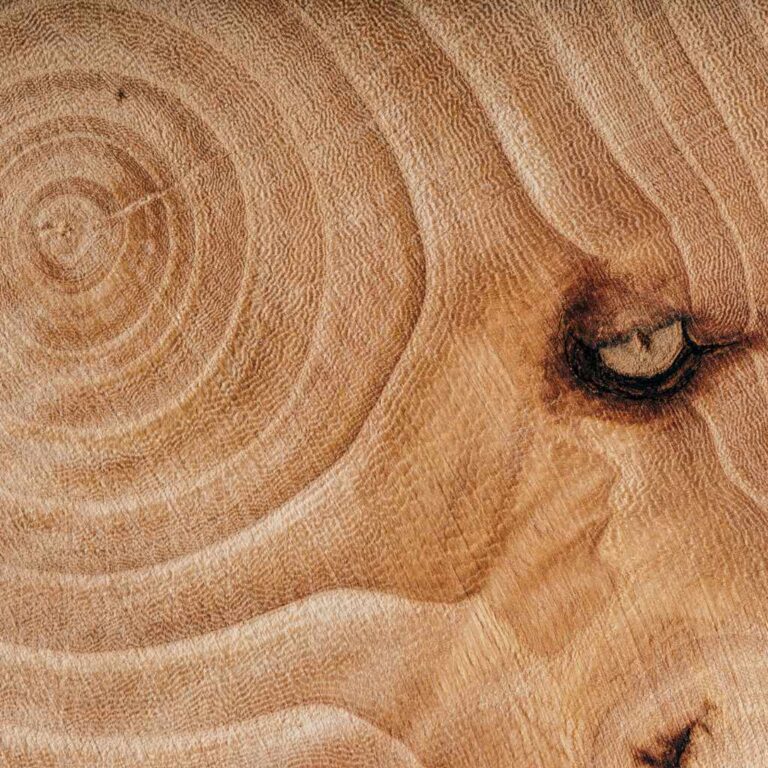
Ash wood is also a very popular hardwood, coming from ash trees found across the Northern Hemisphere. White ash is the most common species used in woodworking. Ash is known for its distinctive grain pattern, which is often straight but can also be wavy. It has a light color, typically creamy white to pale brown, with darker heartwood. The grain is usually more pronounced and open than birch, which contributes to its unique look and feel.
Ash is a strong, tough, and shock-resistant wood. Historically, it was a go-to for tool handles, baseball bats, and furniture frames because of its resilience. It’s a bit harder and denser than birch, offering excellent durability. When it comes to finishing, ash also accepts stains and finishes well, though its more open grain might require a bit more attention to achieve a perfectly smooth surface.
Key Differences: Birch vs Ash Wood
Now that we know a little about each wood individually, let’s put them side-by-side and see where they differ. This comparison will highlight which wood might be better for specific applications you might have in mind.
Appearance and Grain
The most noticeable difference, especially for beginners, is often the appearance. Wood grain is the pattern you see on the wood’s surface, created by the tree’s growth rings and fibers.
- Birch: Birch typically has a fine, uniform texture and a straight, subtle grain. It’s often described as having a smooth, even appearance. While it can sometimes have figured patterns like ‘bird’s eye’ or ‘curly’, its standard appearance is quite understated. This makes it a great choice if you prefer a clean, modern look or want a wood that doesn’t overpower the design of your project.
- Ash: Ash, on the other hand, usually has a more pronounced and open grain pattern. It’s often straighter than oak but more distinct than birch. You can clearly see the growth rings. This gives ash a more rustic or traditional look. The contrast between the lighter sapwood and darker heartwood can also add visual interest.
Hardness and Durability
When we talk about hardness, we’re often referring to how resistant a wood is to dents and scratches. Durability means how well it holds up over time to wear and tear.
- Birch: Birch is a solid hardwood, but it’s generally considered to be slightly softer than ash. It’s harder than woods like maple or cherry but not as dense as oak or ash. It’s durable enough for most furniture and cabinetry, but for areas that experience very heavy use or potential impacts, ash might be a better bet.
- Ash: Ash is known for its excellent strength, stiffness, and shock resistance. This is why it was historically used for things like tool handles and sports equipment. It holds up very well to heavy use, making it a fantastic choice for flooring, workbenches, or furniture that needs to be particularly robust.
To give you a better idea of their strength, we can look at the Janka hardness scale. This is a standard test that measures the force required to embed a steel ball halfway into a piece of wood. Higher numbers mean harder wood.
| Wood Type | Janka Hardness Rating (lbs-force) |
|---|---|
| Yellow Birch | 1260 |
| White Ash | 1320 |
As you can see from the table, white ash is slightly harder than yellow birch, meaning it will resist dents and scratches a bit more effectively.
Workability
For beginners, how easy a wood is to cut, shape, and fasten is incredibly important. Frustrating experiences can quickly dampen enthusiasm!
- Birch: Birch is generally considered easy to machine and work with. It cuts cleanly, sands to a smooth finish, and glues well. Because of its finer grain, it tends to be less prone to splintering compared to woods with a more open grain. It also holds screws and nails well, though pre-drilling is always a good idea to prevent splitting, especially near edges.
- Ash: Ash is also relatively easy to work with, but its more open grain can sometimes lead to tear-out when machining, especially if your tools aren’t sharp. It glues, sands, and finishes well, but you might need to use a grain filler on open-grained areas before applying a smooth finish for a perfectly level surface. Like birch, it fastens well, but pre-drilling is recommended.
Finishing and Staining
How a wood takes a finish can dramatically change its appearance. This is where personal preference really comes into play.
- Birch: Birch is famous for its ability to take stains evenly and beautifully. Its light, uniform color makes it like a blank canvas. It can be stained to mimic darker woods like walnut or cherry, or it can be left natural for a bright, Scandinavian-inspired look. Its fine grain also means finishes typically lay down very smoothly.
- Ash: Ash also accepts stains well, but its more prominent grain can sometimes lead to blotchiness if not prepared properly. For a uniform color, you might want to use a pre-stain wood conditioner. Ash can look stunning with clear finishes that highlight its natural grain, or it can be stained to achieve various looks. The distinct grain pattern of ash is often a desirable feature that people want to showcase.
Cost and Availability
For most DIYers, budget and accessibility are major considerations.
- Birch: Birch is generally quite widely available and often more budget-friendly than some other hardwoods like maple or cherry. Its affordability makes it an excellent choice for larger projects or for beginners who want to practice their skills without a huge investment. You can usually find birch plywood and solid lumber at most lumberyards and big-box home improvement stores.
- Ash: Ash is also widely available, particularly in North America. Its price can fluctuate depending on supply and demand, but it’s often comparable to birch, sometimes slightly more expensive, especially for higher grades. It’s readily available as lumber and veneer.
Pros and Cons: Birch vs Ash Wood
To help you summarize, let’s look at the main advantages and disadvantages of each wood type in a clear, easy-to-digest format.
Birch Wood – Pros and Cons
Pros:
- Excellent price point for a hardwood
- Easy to machine, sand, and finish
- Uniform, fine grain takes stains beautifully and evenly
- Light color is versatile and modern
- Good stability
- Widely available
Cons:
- Slightly softer than ash, may show dents more easily
- Can be prone to blotching if stained very dark without preparation
- Figured patterns (like bird’s eye) can significantly increase cost
Ash Wood – Pros and Cons
Pros:
- Very strong, tough, and shock-resistant
- Distinctive, attractive grain pattern
- Durable for high-wear applications
- Good stability
- Accepts finishes well
Cons:
- More open grain can lead to tear-out during machining if not careful
- May require a grain filler for a perfectly smooth, pore-filled finish
- Can be prone to blotchiness when staining if not properly conditioned
- Can be slightly more expensive than birch
When to Choose Birch Wood
Now that we’ve compared them, let’s talk about specific situations where birch often shines.
- Cabinetry: Birch’s smooth, uniform texture and light color make it ideal for cabinet doors and boxes. It takes finishes very well, allowing you to match your kitchen or bath decor perfectly. Its durability is more than sufficient for this application. Visit the Wood Database for more on wood properties.
- Furniture Making (General): For items like tables, dressers, or entertainment centers that don’t experience extreme abuse, birch is a fantastic choice. Its affordability allows you to build larger pieces or practice new techniques without breaking the bank.
- Doors and Paneling: Birch provides a clean and elegant look for interior doors or wall paneling. It’s easy to work with for these larger projects.
- Projects Requiring a Light or Painted Finish: If you’re aiming for a light, natural wood look or plan to paint your project, birch’s light color and smooth surface are perfect.
- Veneer Applications: Birch is commonly used in veneers for furniture and cabinetry, offering a cost-effective way to achieve a beautiful wood look on less visible surfaces or substrates.
For beginners, working with birch is often less intimidating. Its consistent nature means fewer surprises, and the results are usually very pleasing. You can find a wealth of information and project ideas on sites like Popular Mechanics for inspiration.
When to Choose Ash Wood
Ash has its own set of strengths, making it the superior choice in specific scenarios.
- High-Impact Furniture and Items: If you’re building something that needs to withstand knocks, bumps, or heavy use – like a workbench, a child’s toy box, or sturdy chair legs – ash’s toughness is invaluable.
- Flooring: Ash is a popular choice for hardwood flooring due to its hardness and durability. It can handle the traffic of daily life.
- Tool Handles and Sporting Goods: Historically, ash was prized for applications requiring shock absorption and strength. While perhaps not a common DIY project for beginners, it speaks to the wood’s inherent properties.
- Projects Where Grain is a Feature: If you love a wood’s natural character and want the grain to be a prominent design element, ash is a good choice. Its distinct lines can add a lot of visual appeal.
- Clear or Minimalist Finishes: Ash looks fantastic with a clear coat that lets its natural beauty shine through, or with light stains that highlight the grain without obscuring it.
When working with ash, remember to use sharp tools and consider a pre-stain conditioner if you’re aiming for a very uniform stained look. Resources like This Is Building can help you understand more about wood types.
Project Ideas: Birch vs Ash
Let’s get practical. Here are some project ideas where one wood might be a better fit than the other.
Projects Best Suited for Birch:
- A Modern Bookshelf: The clean lines and uniform grain of birch are perfect for a contemporary bookshelf where sleekness is key.
- Kitchen or Bathroom Cabinets: Its smooth surface and excellent finishing properties make it a go-to for durable and attractive cabinetry.
- Picture Frames: Birch is easy to mill into precise sizes and takes finishes beautifully, making it great for frames that complement your photographs.
- Decorative Boxes: Whether you’re making keepsakes or gift boxes, birch is forgiving for beginners and takes stain or paint without a hitch.
- Children’s Furniture: For items like toy chests or small tables where a smooth, safe finish is paramount, birch is an excellent and affordable option.
Projects Best Suited for Ash:
- Workbench Top: Ash’s hardness and ability to withstand impact make it an ideal surface for a sturdy workbench.
- Dining Table Legs or Chairs: Furniture that needs strength and durability for daily use benefits greatly from ash’s robust nature.
- Outdoor Bench (with proper sealing): While not naturally rot-resistant, ash’s strength makes it suitable for outdoor furniture if sealed properly against the elements.
- Accent Pieces with Bold Grain: If you want a statement piece, like a desk with an ash top, where the wood’s natural patterns are the star, ash is a great choice.
- Tool Handles or Jigs: For DIY projects creating durable tools or fixtures, ash’s shock resistance is a major advantage.
Important Considerations for Beginners
No matter which wood you choose, there are a few universal tips to keep in mind:
- Safety First: Always wear safety glasses and hearing protection. Use sharp tools to avoid kickback and get cleaner cuts. Understand how to use your tools safely. For more on workshop safety, check out resources from OSHA, the Occupational Safety and Health Administration, like their woodworking safety document ([PDF]).
- Sharp Tools are Your Friends: Whether you’re using hand tools or power tools, sharp blades and bits make every job easier and safer. Dull tools require more force, leading to mistakes and potential accidents.
- Pre-Drill Holes: For both birch and ash, always pre-drill pilot holes for screws, especially when working near the ends of boards, to prevent splitting.
- Test Finishes: Before applying a stain or finish to your project, always test it on a scrap piece of the same wood. This helps you see how the color will turn out and if any prep work (like a pre-stain conditioner) is needed.
- Embrace Imperfection: Especially when you’re starting, perfect results aren’t always immediate. View any “mistakes” as learning opportunities. The character of handmade items often includes small quirks!
Frequently Asked Questions (FAQ)
Is birch harder than ash?
Generally, ash is considered slightly harder and denser than birch. The Janka hardness scale shows white ash at around 1320 lbs-force, while yellow birch is around 1260 lbs-force. This means ash will resist dents and scratches a bit better, but both are durable hardwoods.
Which wood is better for furniture?
Both woods are excellent for furniture, but the choice depends on the desired look and durability. Birch is great for a smooth, modern look and is easier to stain uniformly. Ash is ideal for furniture that needs extra strength and shock resistance.