Which Plants Do Not Like Wood Ash? The Full Avoid List
Wood ash isn’t universally bad for plants – it’s genuinely harmful for a specific group of them, and for two different reasons. One group is acid-loving plants that need low soil pH to absorb nutrients at all, and wood ash‘s alkaline, liming effect pushes their soil in exactly the wrong direction. The other group is salt-sensitive plants and young seedlings that get injured by the soluble potassium and calcium salts in ash long before pH even becomes an issue. Below is the full list of both groups, the mechanism behind each one, and what to use instead if a bed has already gone too alkaline. (If you’re trying to figure out which plants actually benefit from wood ash instead, see our companion guide on does wood ash help plants.)
The Quick Answer: Two Different Reasons Ash Hurts These Plants
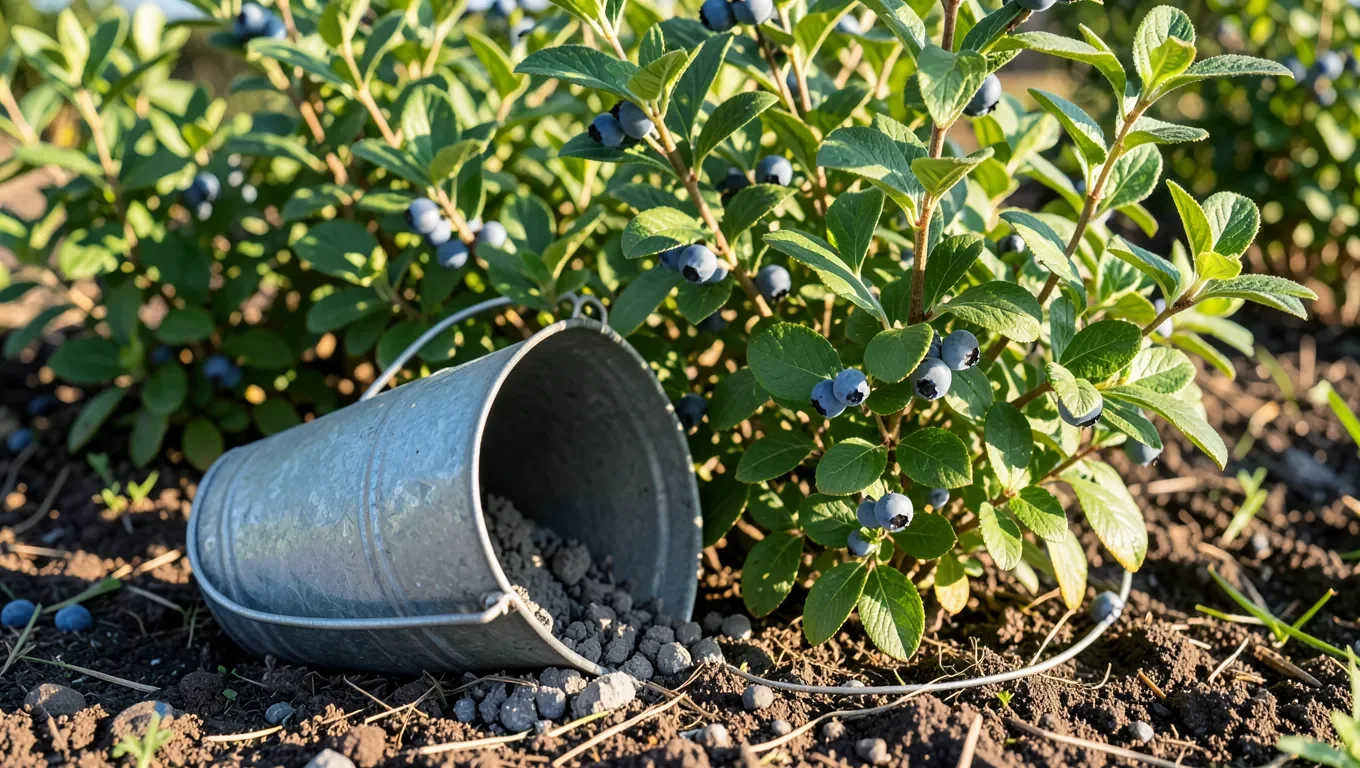
Most of the plants on this list fall into one of two categories. Acid-loving plants – blueberries, azaleas, rhododendrons, camellias, gardenias, and holly – need soil in roughly the 4.5 to 5.5 pH range to take up iron and other micronutrients, and wood ash’s alkaline liming effect can push that range too high within a few weeks, per Oregon State University Extension. Salt-sensitive plants – beans, peas, strawberries, and any fresh seedling or transplant regardless of species – react to the soluble potassium and calcium salts in ash itself, independent of pH, which is why even a light dusting near young roots can cause leaf burn. If a bed has already gone too alkaline for acid-loving plants, a dedicated soil acidifier does the opposite job wood ash does:
Need To Correct Soil That’s Too Alkaline For Acid-Lovers
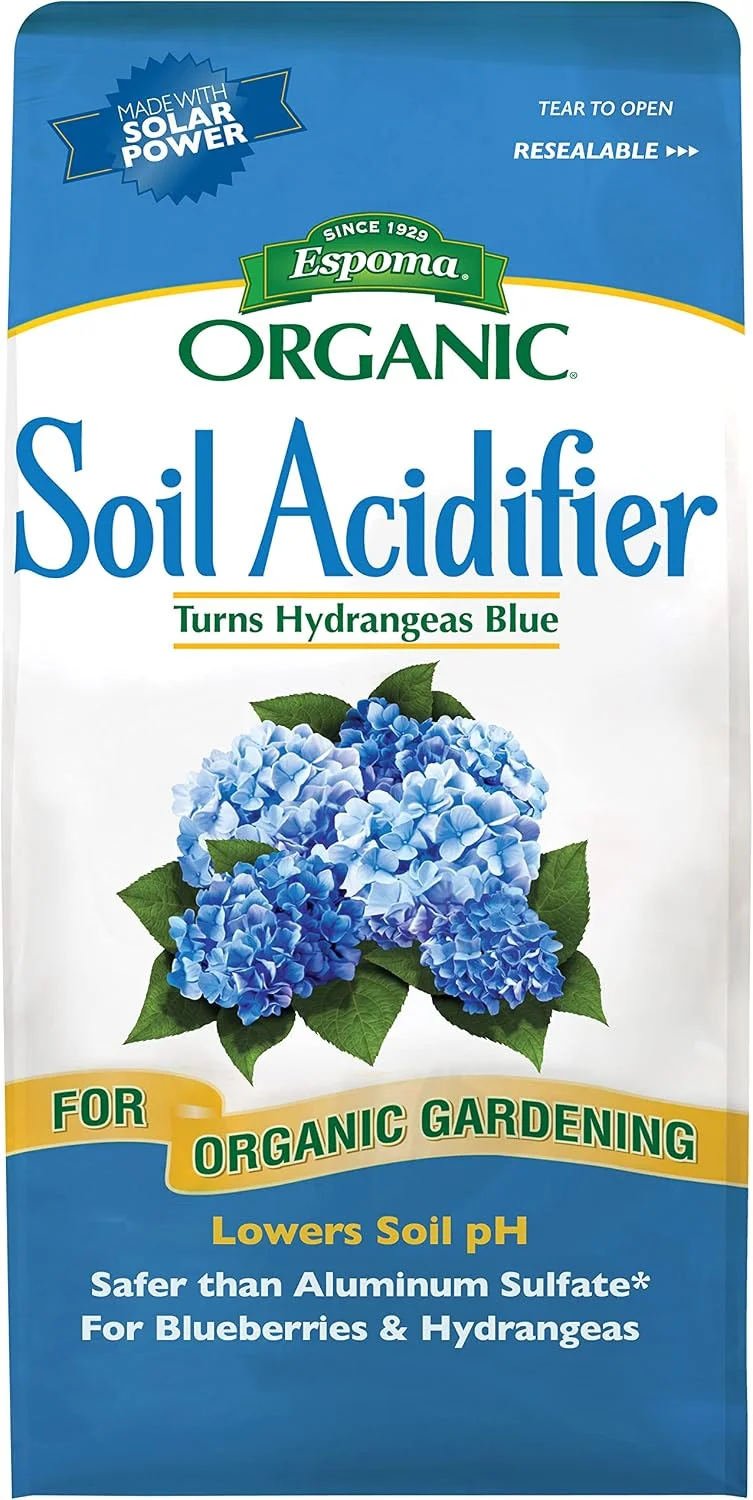 |
Espoma Organic Soil Acidifier – $11.94 Does the opposite job wood ash does – lowers pH with elemental sulfur, the fix if ash already hit your blueberries, azaleas, or hydrangeas.
|
Acid-Loving Plants: Keep Wood Ash Away From These
These are the plants most likely to show real damage – yellowing leaves, weak flowering, stunted growth – if wood ash lands anywhere near their root zone:
- Blueberries – need pH 4.5-5.5, among the most acid-dependent common garden plants; wood ash can push pH out of range fast enough to cause interveinal yellowing (iron deficiency) in a single season
- Azaleas and rhododendrons – same 4.5-5.5 range as blueberries; wood ash weakens flowering and new growth well before a plant dies outright
- Camellias and gardenias – acid-loving ornamentals with the same alkaline sensitivity; expect yellowing leaves and dropped buds, not immediate collapse
- Holly – prefers acidic soil around 5.0-6.0; the reaction is less dramatic than blueberries but still worth avoiding
- Blackberries and raspberries – prefer pH 5.5-6.5, more tolerant than blueberries but still acid-leaning; skip ash unless a soil test shows you’re below 6.0, and even then use it sparingly
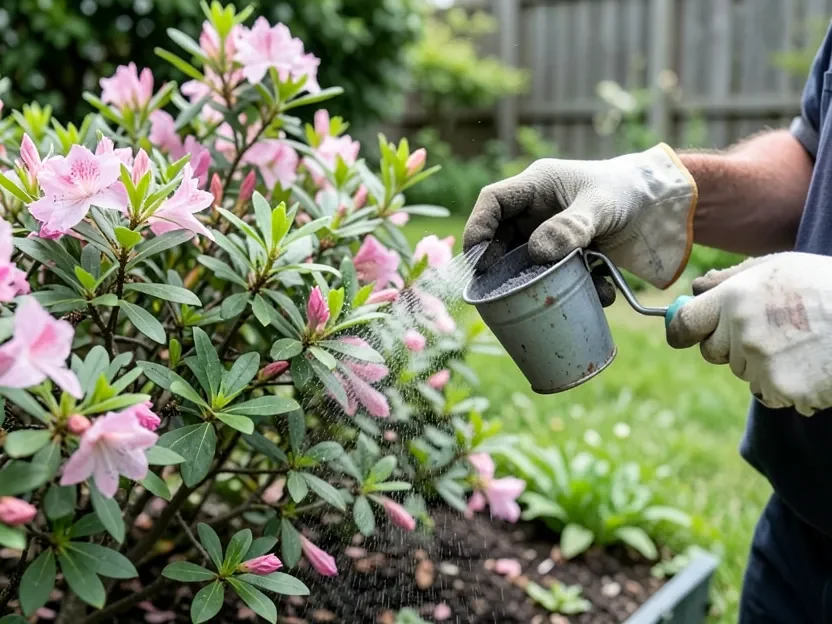
- Hydrangeas grown for blue blooms – not strictly acid-only, but wood ash raising soil pH locks out the aluminum uptake that keeps mophead hydrangea blooms blue, shifting them toward pink instead
Why Wood Ash Raises Soil pH So Fast
Wood ash is a weaker, faster-acting version of garden lime – it typically runs 25 to 59% as effective as pure agricultural lime at neutralizing acidity, but because it’s water-soluble, it starts shifting pH within weeks instead of the 6 to 12 months lime usually takes, per University of New Hampshire Extension research. That speed is exactly the problem for acid-loving plants: a bed that tested at a safe pH 5.5 in spring can climb into the 6.5-7.0 range by midsummer if ash gets applied anywhere near the root zone, and unlike lime’s slow buffering, there’s little time to catch and correct the mistake before nutrient lockout sets in.
Salt-Sensitive Plants: A Different Reason to Skip Ash
Separate from pH, wood ash is high in water-soluble potassium and calcium salts – often several percent of its weight – which can injure roots and foliage directly, the same way over-fertilizing burns a lawn. Beans and peas are particularly sensitive and show stunted growth or curled leaves when ash lands too close to their root zone. Strawberries get hit twice: they prefer acidic soil and are salt-sensitive, so wood ash is a double mismatch for them specifically. The same logic applies to any freshly transplanted seedling regardless of species – young roots have far less tolerance for a salt spike than an established plant, so keep ash away from transplants for at least a few weeks after they go in the ground.
Neutral-Soil Vegetables That Don’t Need It
Carrots and potatoes grow best in soil that’s neutral to slightly acidic and don’t benefit from the potassium boost the way tomatoes or brassicas do. Potatoes are the clearer case: raising soil pH with wood ash favors the soil bacteria that cause potato scab, a cosmetic but yield-reducing disease, according to Oregon State University Extension – so skip ash in a potato bed even if the rest of your soil tests acidic enough to benefit other crops. Carrots don’t carry the same disease risk, but excess potassium from ash can throw off root development and flavor without adding any real benefit.
What About Succulents and Potted Plants?
Succulents generally prefer fast-draining, close-to-neutral soil and aren’t as pH-sensitive as blueberries or azaleas, but they’re still a poor match for wood ash for a different reason: they’re usually grown in containers, and a pot holds far less soil volume to dilute ash’s soluble salts than open garden ground does. The same small dose that’s harmless spread across a 1,000-square-foot bed can spike salt concentration in a 10-inch pot fast enough to injure roots, so if you’re wondering whether wood ash is safe for succulents or any other container planting outdoors, the honest answer is to skip it in pots – if a container plant needs a pH or nutrient adjustment, use a product formulated for that smaller volume instead.
Acid-Loving Trees Wood Ash Can Stress
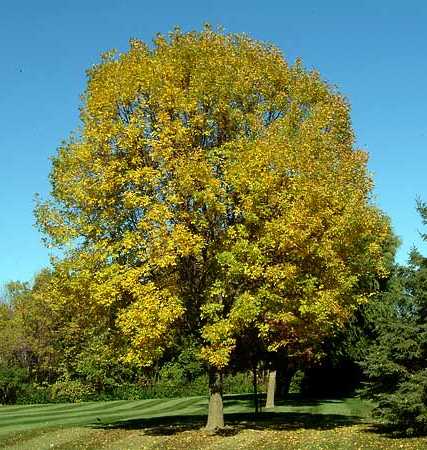
Birch, red maple, and pin oak all prefer acidic soil and can develop interveinal chlorosis – yellowing between the leaf veins while the veins themselves stay green – when soil pH climbs too high, whether from wood ash, over-liming, or naturally alkaline soil near a concrete foundation. It usually takes repeated ash applications near the root zone over more than one season to meaningfully shift a mature tree’s soil pH, but it’s still worth keeping wood ash away from the root zone of any of these three species.
Common Mistakes to Avoid
- Assuming “organic” means “safe for every plant” – wood ash is organic, but it’s still a strong alkaline amendment that can harm the wrong plant just as fast as a synthetic one
- Spreading it near blueberries or azaleas “just in case” – even a light, well-intentioned dusting shifts pH enough to matter over a season
- Skipping a soil test – you can’t tell by eye whether a bed is already in the 6.5-7.0 range where more alkalinity does nothing but harm
- Using ash from charcoal briquettes or treated wood near any edible plant – unrelated to pH, this is a contamination risk on its own and applies to every plant on this list and off it
- Applying to fresh transplants of any species – give new plants a few weeks in the ground before adding any amendment with a salt content this high
Frequently Asked Questions
Which plants should never get wood ash?
Acid-loving plants like blueberries, azaleas, rhododendrons, camellias, gardenias, and holly, plus salt-sensitive plants like beans, peas, and strawberries, and acid-loving trees like birch, red maple, and pin oak.
Is wood ash bad for blackberries?
Blackberries prefer pH 5.5-6.5, so they’re more tolerant of wood ash than blueberries, but they still lean acidic. Skip ash unless a soil test shows you’re below 6.0, and even then use it sparingly – over-applying can push blackberries into the same iron-lockout problems as more acid-dependent plants.
Can you use wood ash on potted or succulent plants?
It’s best to skip it. Succulents aren’t especially pH-sensitive, but a container holds far less soil to dilute wood ash’s soluble salts than open garden ground does, so the same small dose that’s safe in a bed can spike salt concentration enough to injure roots in a pot.
Why does wood ash turn hydrangeas pink instead of blue?
Mophead hydrangea bloom color depends on how much aluminum the plant can take up, and aluminum becomes less available to roots as soil pH rises. Wood ash raises pH, which locks out aluminum uptake and shifts blue blooms toward pink.
What can I use instead of wood ash for acid-loving plants?
A dedicated soil acidifier containing elemental sulfur lowers pH instead of raising it, which is the opposite job wood ash does – useful if a bed has already gone too alkaline for blueberries, azaleas, or other acid-loving plants.
Conclusion
The plants on this list split into two groups for two different reasons: acid-lovers like blueberries, azaleas, and rhododendrons need low pH that wood ash’s liming effect destroys, and salt-sensitive plants like beans, peas, and fresh transplants get injured by ash’s soluble salts regardless of pH. Test your soil before spreading any wood ash, keep it well away from both groups, and if a bed has already gone too alkaline for an acid-loving plant, a sulfur-based soil acidifier – not more guesswork – is the way back. For everything wood ash actually does well, including how much to use and on which plants, see our full guide on does wood ash help plants, and for exact application rates, see our guide on Wood ash raise.
Sponsored / affiliate links. As an Amazon Associate I earn from qualifying purchases. I may earn additional commission from eligible campaigns.