Is It Safe to Climb a Dead Ash Tree? No — Call a Professional
No — the professional answer is not to climb a dead ash tree. Ash trees killed by the emerald ash borer (the cause of nearly all standing dead ash in North America today) decay and lose structural integrity far faster and more unpredictably than other dead hardwoods, which is exactly why arborists refer to them as “widowmakers” and why the standard professional practice is to work from an aerial lift or fell the tree from the ground, not climb it.
Why Dead Ash Specifically Is More Dangerous Than Other Dead Trees
Best Forestry Safety Helmet
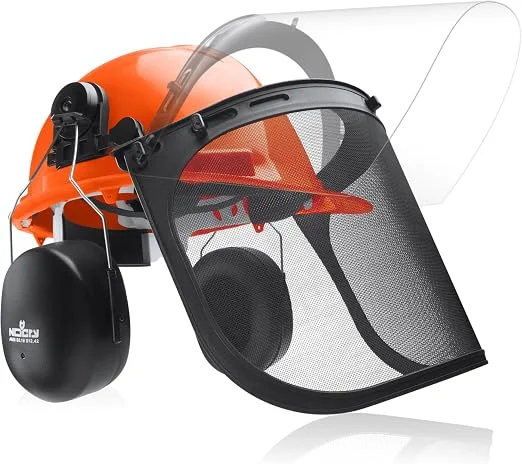 |
NoCry 6-in-1 Forestry Helmet – $42.99 For anyone on the ground near removal or cleanup work, not a substitute for professional tree removal.
|
- Emerald ash borer (EAB) damage is internal first. Larvae tunnel under the bark and through the wood before any external sign appears, so a tree can be structurally compromised well before it looks obviously dead.
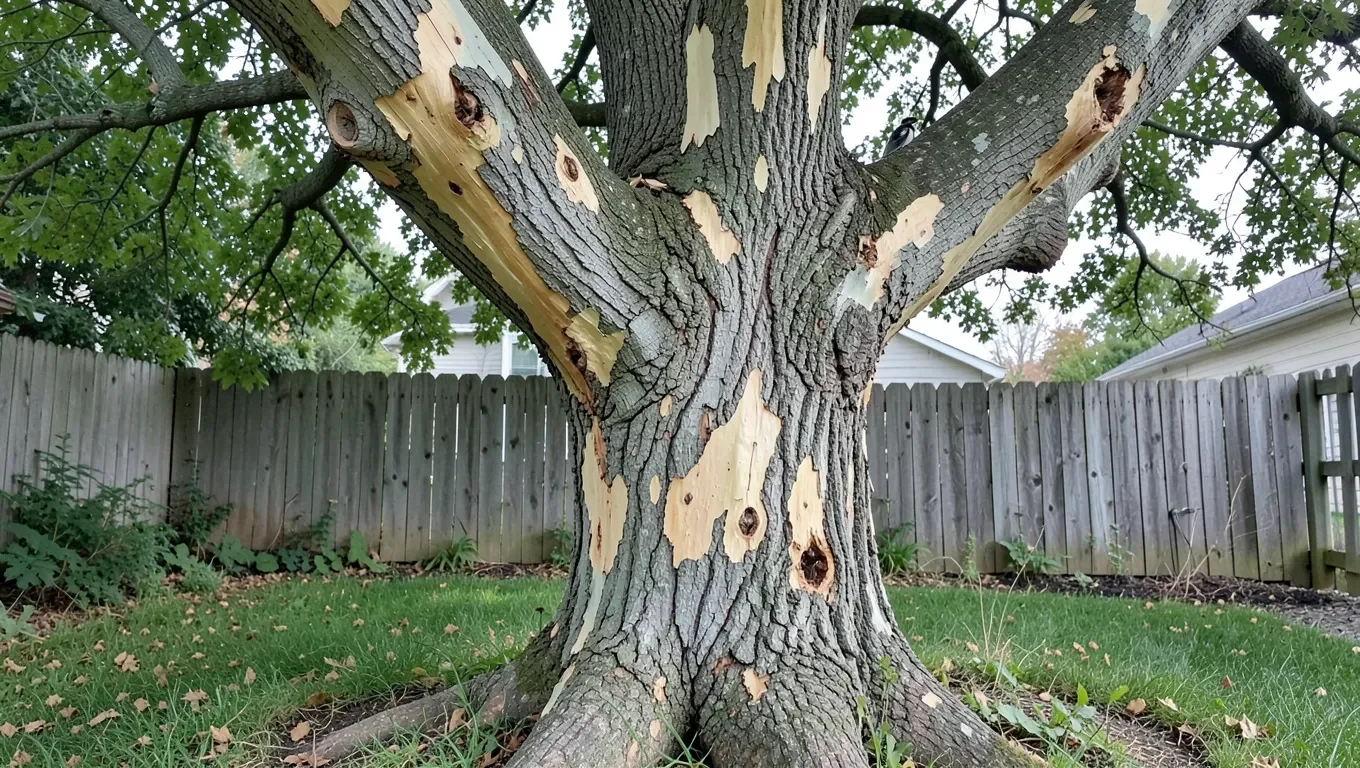
- Bark falls off fast and unpredictably. EAB-killed ash sheds bark within 1-3 years of death, often in large slabs, taking away one of the few visual cues (attached bark) that other dead trees still offer as a stability signal.
- Wood decay accelerates quickly once the tree dies. Ash wood loses its structural strength faster than oak, maple, or many other hardwoods once standing dead, so a tree that “looks fine” from a distance can already have significantly weakened limbs and trunk.
- Woodpecker damage is a red flag, not just cosmetic. Heavy woodpecker activity (flecking bark off in patches while hunting larvae) is a strong sign of significant internal insect damage.
What Professionals Actually Do Instead Of Climbing
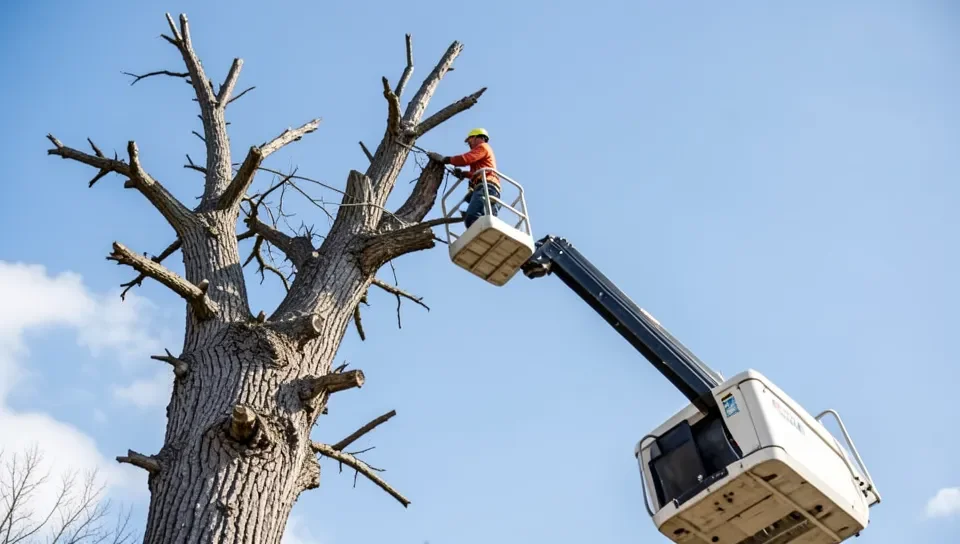
- Aerial lift/bucket truck: The standard method for any work on a hazardous dead tree – keeps the worker off the tree itself entirely.
- Ground-based directional felling: A certified arborist assesses the tree and fells it from the ground using proper felling technique and an exclusion zone, rather than climbing it first.
- Crane-assisted removal: For large or high-risk dead trees near structures, sections are cut and lowered by crane rather than climbed and rigged by hand.
Assessing The Tree From The Ground
- Bark condition: Large areas of missing bark or extensive woodpecker flecking indicate significant internal insect damage.
- Lean or root issues: Any visible lean, soil heaving near the base, or exposed/damaged roots is a sign the whole tree could fail, not just a branch.
- Deadwood extent: If most or all of the canopy is bare with no live growth anywhere, assume the entire structure – not just individual branches – has reduced strength.
- Proximity to structures, power lines, or paths: Even a low-risk-looking dead ash near a house, driveway, or power line should be handled by a professional given the consequences of a miscalculation.
If You Decide To Hire Removal Instead Of Climbing It Yourself
Look for a certified arborist (ISA Certified Arborist credential) with tree removal insurance, and ask specifically about their experience with EAB-killed ash – this isn’t a generic “any tree service” job given how differently ash decays compared to other species. A reputable arborist will assess the tree from the ground first and explain their planned approach (lift, crane, or directional felling) before starting work.
Frequently Asked Questions
Can You Climb A Dead Ash Tree?
The professional recommendation is no. Emerald ash borer-killed ash decays faster and more unpredictably than other dead hardwoods, and arborists specifically avoid climbing it, using an aerial lift or ground-based felling instead.
What Should You Do With A Dead Ash Tree?
Have it assessed and removed by a certified arborist experienced with EAB-killed ash, ideally before it poses a risk to structures or people. Don’t delay removal once a tree is confirmed dead, since ash decays and loses structural strength unusually fast.
Why Are Dead Ash Trees Called Widowmakers?
Because emerald ash borer damage starts internally and the wood decays and loses strength faster than other dead hardwoods, a dead ash can fail with far less visible warning than other dead trees – the term reflects how often falling limbs or trunk sections from dead ash have caused serious injury or death, especially to people working on or near them.
Are Ash Trees Toxic To Humans?
No, ash wood and foliage are not toxic to handle. The danger from a dead ash tree is purely structural (falling limbs or trunk failure), not a chemical or toxicity risk.
Conclusion
A dead ash tree isn’t just “a dead tree, be careful” – emerald ash borer damage makes it decay faster and fail more unpredictably than other dead hardwoods, which is exactly why professionals treat it as a distinct hazard category and avoid climbing it. If you have a dead ash on your property, the safe move is an aerial-lift or ground-based removal by a certified arborist, not a climb.
Sponsored / affiliate links. As an Amazon Associate I earn from qualifying purchases. I may earn additional commission from eligible campaigns.
 EZ Kut Professional Pole Saw 20’ Extendable - Manual Pole Saw for Tree Trimming. Branch Cutter with Double Hook for Branch Removal - Best Tree Pruner. Tree trimmer pole saw. Since 1988
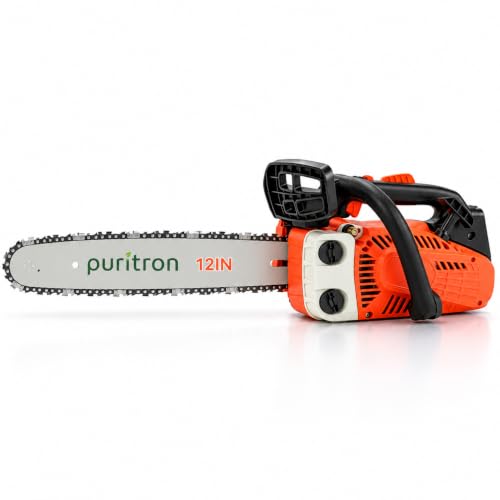 25.4CC 2-Stroke 12 Inch Top Handle Gas Chainsaw, Top Handle Gas Powered Chainsaw Petrol Handheld Cordless Chain Saw for Tree-climbing Tree Pruning Wood Cutting Firewood Preparation Yard Maintenance