Birch Vs Sande Plywood: Ultimate Comparison for Quality & Durability
When it comes to choosing the right plywood for your project, you might find yourself stuck between Birch and Sande plywood. Both are popular options, but which one truly fits your needs?
Understanding the key differences can save you time, money, and frustration. You’ll discover what makes Birch and Sande plywood unique, how each performs in different situations, and which one is the best match for your next build. Keep reading to make a confident, informed choice that delivers exactly what you want.
Material Characteristics
Understanding the material characteristics helps you choose the right plywood. Birch and Sande plywood each have distinct qualities. These traits affect their use in furniture, construction, and design. Let’s explore their grain, color, and sustainability.
Grain And Texture
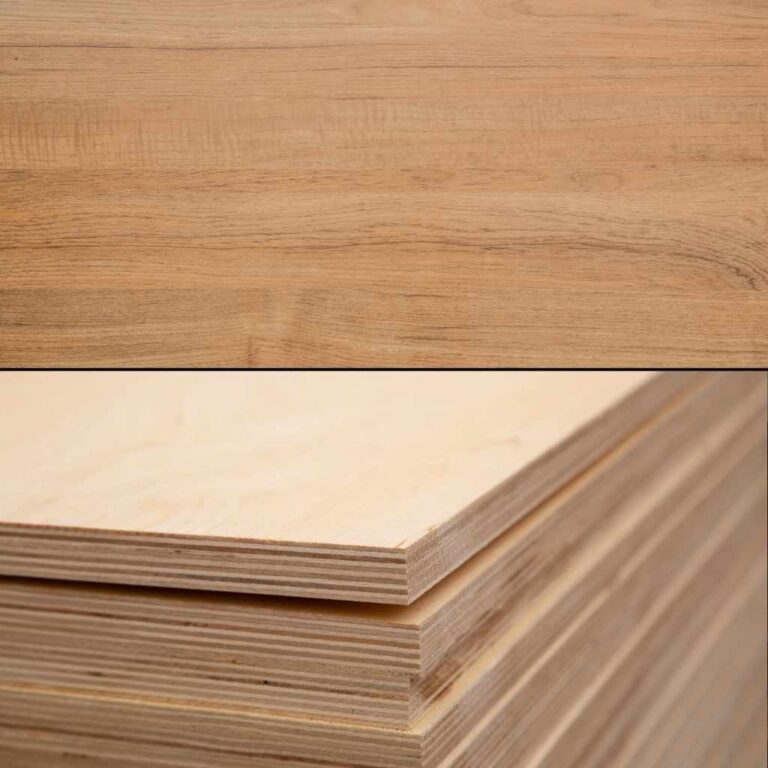
Birch plywood has a fine, smooth grain. Its texture feels even and tight. This makes it ideal for painting or staining. Sande plywood has a coarser grain. The texture is rougher, with visible pores. It works well for projects needing a natural, rustic look.
Color And Appearance
Birch plywood shows a pale, creamy color. It often has a slight yellow tint. This gives a clean, bright look to surfaces. Sande plywood is darker, with reddish-brown tones. It brings warmth and depth to any project. Both woods can change color slightly with age.
Source And Sustainability
Birch trees grow mainly in cooler climates. They are harvested in Northern Europe, Russia, and North America. Birch plywood is often made from fast-growing, renewable trees. Sande comes from tropical regions in Central and South America. Sustainable harvesting practices vary by supplier. Choosing certified plywood supports forest health and future supply.
Strength And Durability
Strength and durability are key factors when choosing plywood for any project. Birch and Sande plywood offer different levels of toughness. Understanding their properties helps select the best option for your needs.
Load Bearing Capacity
Birch plywood has a high load-bearing capacity. It supports heavy weights without bending easily. This makes it ideal for furniture and construction projects. Sande plywood has a moderate load capacity. It works well for light to medium loads but may not hold up under heavy pressure.
Resistance To Wear And Tear
Birch plywood resists scratches and dents better than Sande. Its tight grain pattern adds to its toughness. Sande plywood is softer and shows signs of wear faster. For areas with high traffic or frequent use, Birch is the stronger choice.
Moisture Resistance
Birch plywood offers decent moisture resistance but needs sealing for wet conditions. It can swell if exposed to water for long periods. Sande plywood is less resistant to moisture and can warp or delaminate more easily. Proper treatment is important for both types in humid environments.
Workability And Finish
Workability and finish play a big role in choosing plywood. These factors affect how easy the wood is to handle and how good it looks after work. Birch and Sande plywood differ in these aspects. Understanding their qualities helps pick the right plywood for your project.
Ease Of Cutting And Shaping
Birch plywood cuts smoothly without splintering. It holds its shape well during carving or shaping. Sande plywood is softer but can chip more when cut. It requires sharp tools and careful handling. Birch is better for detailed cuts. Sande suits simple shapes and rough cuts.
Surface Smoothness
Birch plywood has a fine and even surface. It feels smooth to touch and looks clean. Sande plywood has a rougher texture with visible grain patterns. It may need extra sanding for a smooth finish. Birch surface needs less prep before painting or varnishing.
Compatibility With Finishes
Birch plywood absorbs paint and stain evenly. The finish stays consistent and bright. Sande plywood can soak up finishes unevenly. It may require primer or sealers first. Birch is ideal for projects needing a polished look. Sande works well for rustic or natural styles.
Cost And Availability
Cost and availability are key factors when choosing between birch and sande plywood. Both types serve different needs and budgets. Understanding their price and supply can help you pick the right one for your project.
Price Comparison
Birch plywood usually costs more than sande plywood. Its fine grain and strength add to the price. Sande plywood offers a cheaper option for basic use. The price difference depends on quality and thickness. Buyers find birch worth the extra cost for durability.
Market Availability
Sande plywood is widely available in many regions. It comes from fast-growing trees found in tropical areas. Birch plywood is less common and mainly sourced from northern forests. This limited supply can affect how easy it is to find. Check local stores to see which type is stocked.
Supplier Reliability
Reliable suppliers offer consistent quality in both plywood types. Birch plywood suppliers may be fewer but tend to maintain higher standards. Sande plywood suppliers are more common but vary in quality. Choose a supplier with good reviews and steady stock. This ensures smooth buying and project success.
Best Uses And Applications
Birch and Sande plywood serve different purposes in many projects. Each type offers unique strengths. Choosing the right plywood depends on the task and desired outcome.
Furniture Making
Birch plywood is popular for furniture due to its smooth finish. It holds paint and stain well. This plywood is strong and durable. It suits chairs, tables, and cabinets.
Sande plywood is less common but useful for budget furniture. It has a coarse texture and is easy to work with. It fits pieces where appearance is less critical.
Construction Projects
Sande plywood often appears in construction. Builders use it for wall sheathing and flooring. It offers good strength at a lower cost. Birch plywood can also be used but is pricier.
Birch plywood works well in projects needing a refined look. It is stable and resists warping. Ideal for visible parts of a building.
Interior Design
Birch plywood shines in interior design. Its fine grain looks attractive on walls and ceilings. It allows for smooth finishes and creative designs.
Sande plywood fits behind the scenes in interiors. It supports structures like partitions and underlayment. It is practical but less decorative.
Maintenance And Longevity
Maintenance and longevity are key factors when choosing between Birch and Sande plywood. Both types have unique qualities that affect how long they last and how to care for them. Understanding these differences helps keep your plywood in good shape and extends its life.
Cleaning Tips
Use a soft cloth to wipe dust and dirt off the plywood surface. Avoid harsh chemicals that can damage the wood. Mild soap and water work well for regular cleaning. Dry the surface immediately to stop moisture damage. Clean spills quickly to prevent stains and warping.
Repair And Restoration
Small scratches on Birch plywood can be sanded lightly for a smooth finish. Use wood filler for deeper dents or holes. Sande plywood repairs often need more careful sanding because of its rougher texture. Reapply a sealant or varnish after repairs to protect the wood. Keep tools and materials ready for easy touch-ups.
Expected Lifespan
Birch plywood usually lasts longer due to its dense and strong layers. It can handle heavy use and resist damage well. Sande plywood has a shorter lifespan but still suits many indoor projects. Proper care improves the life of both types significantly. Choose plywood based on how long you need it to last.

Frequently Asked Questions
What Are The Main Differences Between Birch And Sande Plywood?
Birch plywood is denser, harder, and more durable than Sande plywood. Sande plywood is lighter, softer, and easier to work with. Birch offers a smooth, fine grain ideal for furniture. Sande has a coarse texture, commonly used in construction and packaging.
Which Plywood Is Better For Furniture, Birch Or Sande?
Birch plywood is better for furniture due to its strength and smooth finish. It provides a high-quality appearance and durability. Sande plywood is less suitable for furniture but works well for temporary structures and general construction.
Is Birch Plywood More Expensive Than Sande Plywood?
Yes, Birch plywood is generally more expensive than Sande plywood. Its superior strength, durability, and fine grain contribute to the higher cost. Sande plywood is more affordable but less durable, making it budget-friendly for non-furniture uses.
How Does The Durability Of Birch Compare To Sande Plywood?
Birch plywood is more durable and resistant to wear than Sande plywood. It withstands heavy use and impacts well. Sande plywood, being softer, is prone to dents and scratches, making it less ideal for long-term applications.
Conclusion
Birch and Sande plywood serve different needs in projects. Birch offers strength and a smooth finish for visible surfaces. Sande plywood is lighter and good for simple, cost-effective work. Choose based on your budget and the look you want. Both types have good qualities for woodworking.
Understanding their differences helps pick the right plywood. This saves time and money on your project. Consider what matters most: durability or price. Either way, these woods support many creative ideas.