Is Birch Good for Cabinets? Janka Hardness, Staining & Paint
Yes: birch is a good cabinet wood. Yellow birch rates 1,260 lbf on the Janka scale, harder than red oak, though it blotches when stained and dents more easily than hard maple. It is best painted, or stained with a conditioner. This guide covers real hardness numbers, staining and painting results, what “birch cabinets” usually means, and how birch compares with maple, oak, cherry and alder.
Is Birch Good for Cabinets?
|
Best For Staining Birch 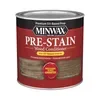 |
Minwax Pre-Stain Wood Conditioner, 1/2 Pint Birch’s one real weakness is blotchy stain. A conditioner evens out how the wood absorbs color, which matters most on birch cabinet doors and face frames you plan to stain.
|
As an Amazon Associate we earn from qualifying purchases.
Birch is a solid, mid-priced cabinet wood. It is hard enough for daily kitchen use, machines and glues well, and its fine, even grain takes paint better than most open-grained woods. Its two real weaknesses are blotchy stain and a color that can shift toward amber under oil-based clear finishes.
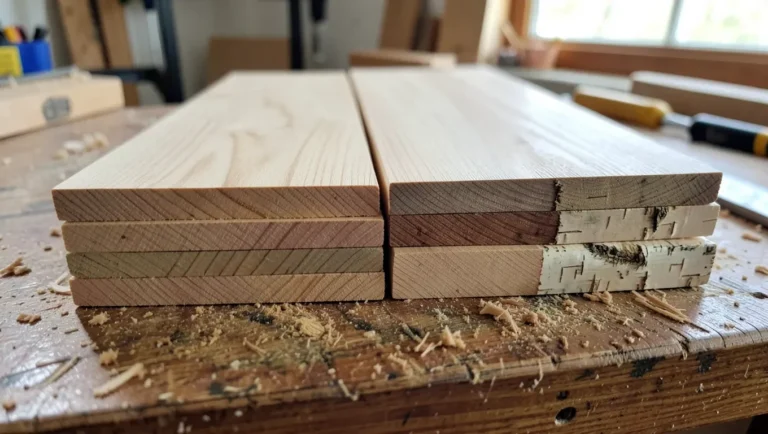
The most useful thing to know before buying is that “birch” is not one wood. Yellow birch and paper (white) birch are different species with different hardness, and most cabinet listings never say which one you are getting. The next sections separate what the label hides.
What “Birch Cabinets” Usually Means
Three construction types all get sold as birch cabinets, and they behave differently:
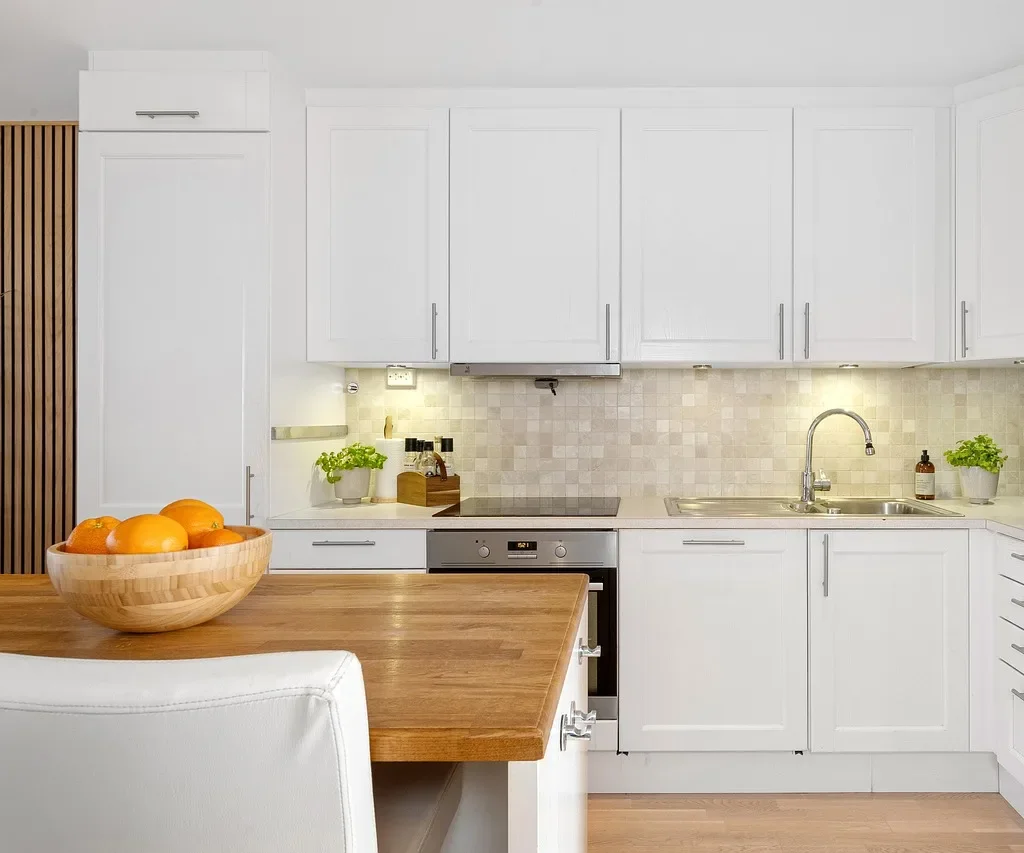
- Solid birch doors and face frames with plywood boxes. The most common setup in stock and semi-custom lines. The visible parts are solid hardwood; the cabinet sides and shelves are birch plywood or veneered panels.
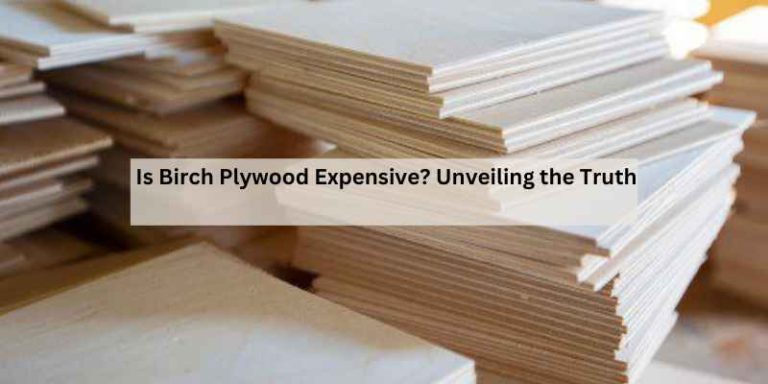
- Birch plywood throughout. Common in frameless (European-style) cabinets and shop-built work. Birch is one of the most widely used woods for veneer and plywood worldwide, according to The Wood Database. For that route, read our guide on whether birch plywood is good for cabinets, which covers plywood grades in detail.
- Birch veneer over MDF or particleboard. Cheapest, and the one to be careful with. Moisture near a sink can swell the core. See the disadvantages of MDF kitchen cabinets before you accept it.
This page focuses on the solid-birch question: are birch doors and frames a good choice for a kitchen? If you are weighing sheet goods specifically, use the plywood guide linked above.
Birch Hardness Compared With Other Cabinet Woods
A common belief is that birch is a soft, budget wood. The numbers say otherwise, with one caveat: it depends on the species. Janka hardness measures the force needed to embed a steel ball halfway into the wood, so higher means more dent resistance. These values come from The Wood Database:
| Wood | Janka hardness (lbf) | What it means for cabinets |
|---|---|---|
| Hard maple | 1,450 | Hardest of the group; best dent resistance |
| Yellow birch | 1,260 | Harder than red oak; the species behind most solid birch lumber |
| Northern red oak | 1,220 | Similar dent resistance to yellow birch |
| Black cherry | 950 | Softer; dents show, but the color ages well |
| Paper birch | 910 | About the same hardness as cherry |
| Red alder | 590 | Soft; the easiest of these to dent |
Two takeaways. First, yellow birch beats red oak on paper, so calling birch “softer than oak” is wrong for that species. Second, paper birch at 910 lbf drops into cherry territory. Ask the supplier which birch you are getting, especially if dent resistance matters in a busy kitchen.
Price is also not why birch feels cheap. The Wood Database notes that plain birch lumber sits in about the same price range as maple or oak. Birch cabinets cost less at retail mostly because they are the default paint-grade and stain-grade option in stock lines, not because the lumber is scarce or low quality.
Pros of Birch Kitchen Cabinets
- Good hardness for the price. Yellow birch at 1,260 lbf handles daily door slams, pots and drawer traffic.
- Paints smoothly. The fine, fairly uniform grain shows less texture through paint than oak does, so a painted birch door looks smooth without heavy filling.
- Machines and glues well. The Wood Database rates it easy to work with hand and machine tools, and it glues and finishes well. Wild-grain boards can tear out.
- Consistent look. Growth rings show little color contrast, which gives a calm, even appearance suited to modern and transitional kitchens.
- Widely available. Doors, frames and plywood are easy to find, which makes matching or repairing cabinets later simpler.
Cons of Birch Kitchen Cabinets
Blotchy Stain
This is birch’s best-known flaw. Birch can absorb stain unevenly, so dark stains may look patchy, particularly on the flat faces of doors. It is the reason the conditioner in our pick above exists. Maple has the same tendency, while cherry and oak generally look more forgiving.
Color Shift Over Time
Birch heartwood is light reddish brown with nearly white sapwood. Oil-based clear finishes add an amber tone that deepens as they age, so a pale birch kitchen can warm noticeably over the years. Water-based finishes stay clearer. Neither is a defect, but expect a change.
Dents and Softer Species
It is harder than cherry and alder, but softer than hard maple. Paper birch is noticeably softer than yellow birch. On high-traffic islands, hard maple wins for dent resistance; for cabinet doors the difference rarely matters.
Poor Moisture Tolerance
The Wood Database calls birch perishable: it will rot if exposed to the elements and is susceptible to insect attack. Indoors that is fine. Near a leaking dishwasher or sink, though, keep finishes sealed on every edge, especially the bottom of base cabinet doors.
How to Stain Birch Cabinets Without Blotching
Yellow birch shrinks about 9.5% tangentially and 7.3% radially from green to oven-dry (16.8% volumetric), which is typical for a hardwood and one reason cabinet doors use a frame-and-panel build or plywood panels instead of one wide solid slab. For the finish itself, the fix is process, not luck:
- Sand to 150 or 180 grit and stop there. Sanding finer closes the surface and makes stain absorb less predictably.
- Vacuum and wipe with a tack cloth to remove dust from the fine pores.
- Apply a pre-stain wood conditioner and stain within the time on the can. Conditioner is what evens absorption.
- Test the exact stain on a scrap or the back of a door. Never judge the color from the can lid.
- Consider a gel stain. It sits on the surface instead of soaking in, which reduces blotching. Our full birch staining guide walks through each step and the color results.
- Finish with a clear topcoat suited to kitchen wear, and let it cure fully before loading shelves.
Already have a blotchy result? The fixes are in our article on keeping wood stain from bleeding and blotching. Restaining cost is covered in how much it costs to restain kitchen cabinets.
Painting Birch Cabinets
If you want to skip the blotching problem entirely, paint. Birch is one of the friendlier paint-grade hardwoods: a fine surface, a fairly stable board, and no deep open pores to telegraph through the finish. Prime with a bonding primer, sand lightly between coats, and use a durable cabinet enamel. Our guide to choosing a paint finish for cabinets covers sheens and durability.
Solid rails and stiles with plywood or MDF panels move at different rates, so on painted doors you may eventually see a hairline at the joints. Caulking and a flexible topcoat reduce it.
Birch vs Other Popular Cabinet Woods
- Birch vs maple: maple is harder (1,450 vs 1,260 lbf) and also stains unevenly. Birch usually costs less on the finished cabinet.
- Birch vs oak: about equal in hardness; oak’s open grain shows through paint, birch’s does not.
- Birch vs cherry: yellow birch is harder, but cherry stains beautifully and darkens richly. Birch is the pick if you plan to paint.
- Birch vs alder: alder is much softer (590 lbf) but takes stain evenly. Birch dents less.
- Birch vs poplar: poplar is a softer paint-grade option; birch is the sturdier of the two.
For deeper species details on birch itself (color, grain, yellow vs paper birch), see birch wood characteristics. If you are also looking at maple, our review of whether maple cabinets are good is a useful comparison.
How to Check What You Are Buying
- Ask for the species. Yellow birch or paper birch? It changes hardness from 1,260 to 910 lbf.
- Ask what the box is made of. Plywood is fine. Particleboard or MDF near the sink is the risk.
- Look at the door construction. A solid frame with a plywood or solid panel is standard; check that the corners are glued and pinned or doweled.
- Check the finish. A factory-sprayed finish is usually tougher than a home brush job. Ask what type it is.
- Request a door sample. Look at the stain color in your own kitchen light, not the showroom’s.
Maintenance and Care
- Wipe spills quickly, especially around the sink and dishwasher.
- Use a damp, well-wrung cloth and mild soap, then dry. Skip abrasive pads.
- Keep cabinets out of direct sun where possible, since light shifts wood color.
- Add felt bumpers to doors and drawers to reduce impact dents.
- Touch up chips promptly with matching stain or paint so moisture cannot get under the finish.
Frequently Asked Questions
Is birch a good wood for kitchen cabinets?
Yes. Yellow birch measures 1,260 lbf on the Janka scale, harder than red oak, and it machines, glues and paints well. Its main weakness is blotchy stain, which a pre-stain conditioner or gel stain reduces.
Are birch cabinets cheaper than maple or oak?
Usually at retail, yes, because birch is the default in many stock lines. The Wood Database notes plain birch lumber costs about the same as maple or oak, so the savings come from how the cabinets are sold, not scarcer wood.
Can you paint birch cabinets?
Yes. Birch’s fine, even grain gives a smooth painted finish. Use a bonding primer, sand lightly between coats, and finish with a durable cabinet enamel.
Does birch blotch when stained?
It can, especially with dark colors. Apply a pre-stain conditioner, sand no finer than 180 grit, or use a gel stain, and always test on a scrap first.
Is birch harder than oak?
Yellow birch (1,260 lbf) is slightly harder than northern red oak (1,220 lbf). Paper birch (910 lbf) is softer than both.
How long do birch cabinets last?
With dry indoor conditions and an intact finish, solid birch cabinets can last for decades. Water exposure is the main threat, so keep edges sealed and wipe spills quickly.
Final Verdict
Birch is a smart cabinet choice if you plan to paint, or if you will stain carefully with conditioner or gel stain. It is harder than most people assume, easy to find, and priced sensibly. Choose hard maple instead if you want the most dent resistance, or cherry if a rich stained color matters more than budget. Whichever you pick, ask which birch species and which core material you are actually getting.
Sponsored / affiliate links. As an Amazon Associate I earn from qualifying purchases. I may earn additional commission from eligible campaigns.