Birch vs Maple Butcher Block: 1,450 vs 1,260 Janka Hardness
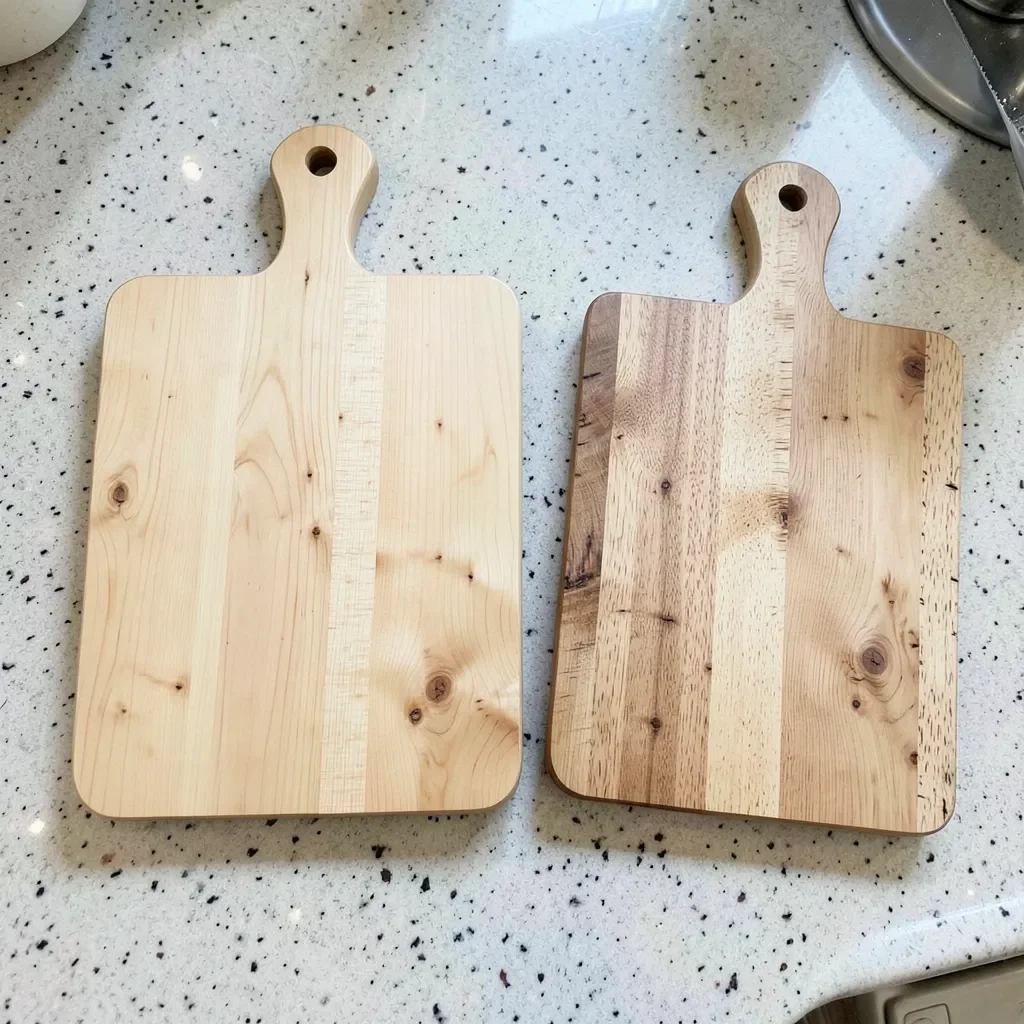
Hard maple beats birch for butcher block durability by a measurable margin — 1,450 Janka hardness versus birch’s 1,260 — which is why professional cutting boards default to maple, not birch. Pick birch anyway and expect to resand and re-oil roughly a third more often to keep knife marks from turning gray. This guide covers the real hardness numbers, food-safety facts, and which wood actually costs less per board foot.
Janka Hardness: Maple vs Birch by the Numbers
Best Butcher Block Conditioner Pick
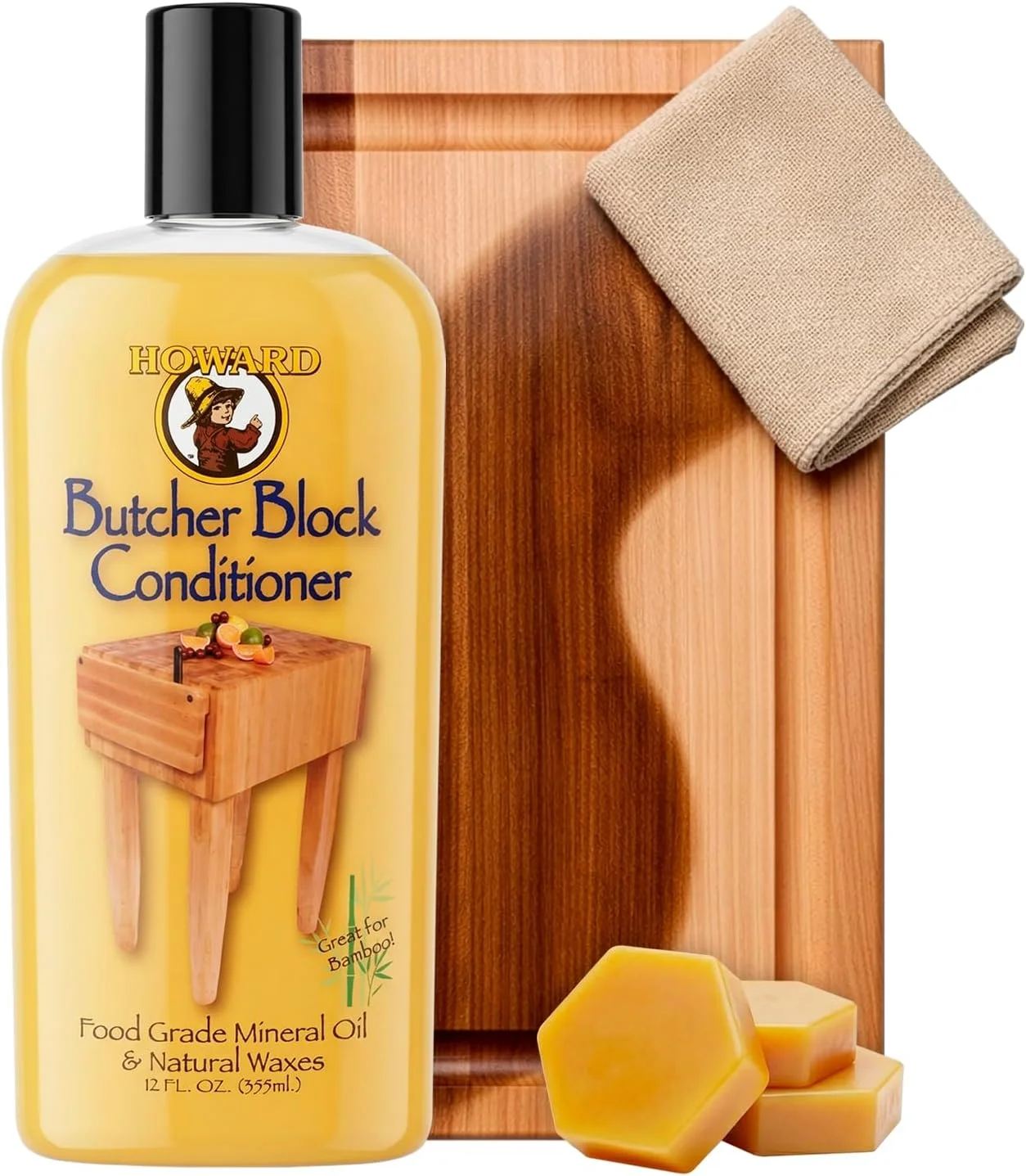 |
Howard Butcher Block Conditioner, 12 Fl Oz – $9.18 A food-grade mineral oil and beeswax conditioner for exactly the monthly oiling routine this guide recommends for both birch and maple butcher blocks.
|
The Janka hardness test measures the force needed to embed a steel ball halfway into a wood sample — higher numbers mean a harder, more dent-resistant surface. Hard maple scores 1,450 lbf; yellow birch scores 1,260 lbf. That roughly 15% gap is why maple is the default wood for commercial cutting boards and workbenches, while birch is treated as the budget-friendly look-alike.
| Property | Hard Maple | Yellow Birch |
|---|---|---|
| Janka hardness | 1,450 lbf | 1,260 lbf |
| Grain | Fine, tight, closed | Fine, slightly more open |
| Typical cost | $4-$8/board foot | $3-$6/board foot |
| Oiling frequency | Every 4-6 weeks | Every 3-4 weeks |
Is Birch or Maple More Food Safe?
Both woods are food safe when properly finished — the wood species matters far less than most people assume. A landmark UC Davis study found that bacteria introduced onto a clean wood surface were drawn down into the fibers and died off within minutes, while the same bacteria survived and multiplied on plastic cutting boards left at room temperature. Read the full breakdown of that study here — it applies equally to birch and maple since both are closed-pore hardwoods.
📊 Bacteria introduced onto a clean wood cutting surface become undetectable within 3-10 minutes, drawn into the wood fibers away from the cutting surface, while the same bacteria survived and multiplied on plastic overnight. Source: Dean O. Cliver, Ph.D., UC Davis food safety research
Keeping Either Wood Conditioned
Oil monthly with a food-grade mineral oil or butcher block conditioner, or whenever water stops beading on the surface instead of soaking in. Because birch’s grain is a touch more open than maple’s, birch blocks tend to dry out faster and often need oiling every 3-4 weeks rather than maple’s 4-6.
Which Warps and Stains Faster?
Birch’s slightly more open grain absorbs moisture a bit faster than maple’s denser structure, which is why birch shows swelling or warping sooner if it’s left wet or set near a sink without a finish. This is mostly a maintenance issue rather than a wood-species flaw — a well-oiled birch block that’s dried promptly after use holds up close to as well as maple in a home kitchen.
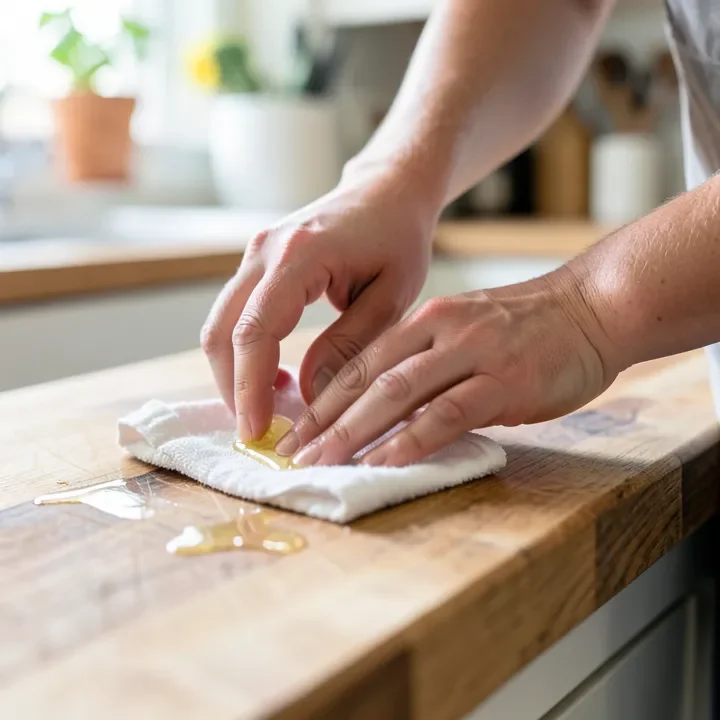
“The block that shows knife marks first almost always turns out to be birch, not maple — the wood itself isn’t inferior, it just needs oil a couple of weeks sooner than most people remember to apply it.”
Which Should You Choose?
Choose hard maple if you chop daily, want the fewest visible knife marks over 10+ years, and don’t mind paying $4-$8 per board foot. Choose birch if you want a nearly identical light, fine-grained look for 20-30% less money, use the block for lighter prep work, and are willing to oil it a little more often. Neither wood is the “wrong” choice — the decision comes down to how hard your kitchen actually works the block. If you’re still comparing overall butcher block countertop options, both birch and maple beat softer woods like pine on longevity.
Frequently Asked Questions
Is Maple Really Harder Than Birch for a Butcher Block?
Yes. Hard maple rates 1,450 on the Janka hardness scale versus yellow birch’s 1,260 — about a 15% difference. That gap shows up as fewer visible knife marks and less surface denting on maple after years of daily chopping.
Is Birch Butcher Block Food Safe?
Yes, properly finished birch is food safe. Both birch and maple are closed-pore hardwoods that draw bacteria down into the fibers away from the cutting surface, per the landmark UC Davis wood-vs-plastic cutting board research — the wood species matters less for food safety than keeping the surface oiled and not letting it stay wet.
How Often Should You Oil a Butcher Block?
Oil monthly with a food-grade mineral oil or butcher block conditioner, or whenever water stops beading on the surface. Birch’s slightly more open grain tends to dry out a bit faster than maple’s tighter grain, so birch blocks often need oiling every 3-4 weeks versus maple’s 4-6 weeks.
Does Birch Butcher Block Warp More Than Maple?
Birch is somewhat more prone to swelling and warping because it absorbs moisture a bit faster than maple’s denser structure. Keeping either wood oiled and away from standing water largely prevents this — warping is a maintenance failure more often than a wood-species failure.
Which Wood Costs Less: Birch or Maple?
Birch typically runs $3-$6 per board foot versus hard maple’s $4-$8, making birch about 20-30% cheaper for a comparable grade. A birch butcher block is a reasonable budget pick if you’re not chopping on it daily.
Conclusion
Hard maple’s 1,450 Janka rating makes it the tougher, longer-lasting choice for a butcher block that sees daily chopping, while birch’s 1,260 rating and 20-30% lower cost make it a fair trade for lighter kitchen use. Both are food safe when kept oiled, and both will outlast a plastic cutting board by years if you stay ahead of the maintenance.
Sponsored / affiliate links. As an Amazon Associate I earn from qualifying purchases. I may earn additional commission from eligible campaigns.