Black Ash vs White Ash Wood: Essential Guide
Black ash wood is often darker, more brittle, and less durable than white ash wood. White ash, known for its strength, shock resistance, and distinct grain, is generally the preferred choice for furniture, tool handles, and sports equipment due to its superior performance and aesthetic.
Choosing the right wood can feel like a puzzle, especially when you encounter similar-sounding types like black ash and white ash. They come from related trees, and at first glance, they might seem interchangeable. But for your woodworking projects, understanding their differences is key to a great result. Fear not! I’m here to make it simple, so you can pick the perfect ash for your next creation. We’ll break down what makes them special and how to tell them apart.
Why Understanding Black Ash vs. White Ash Matters for Your Projects
As a DIYer or homeowner, you want your hard work to last and look good. Wood choice plays a huge role in this. When you’re at the lumberyard or browsing online, seeing “ash” on a label isn’t enough. You might be eyeing what looks like a good deal on black ash, only to find out later it’s not as strong or good-looking as you hoped. Or perhaps you specifically need the toughness of white ash for tool handles or a sturdy bench.
Knowing the specific characteristics of black ash versus white ash wood helps you avoid disappointment. It ensures your projects have the durability, appearance, and workability you expect. Let’s dive into what makes these two types of ash distinct so you can make informed choices every time.
Meet the Ash Family: A Quick Family Tree
Before we compare them directly, it’s good to know they’re both part of the Fraxinus genus. Think of them as cousins in the tree world. While they share a common ancestor, their individual traits have developed differently. This is much like how two siblings can have very different personalities and talents!
Black Ash (Fraxinus nigra) Explained
Black ash, also known as swamp ash or basket ash, has some unique qualities. It’s often found in wet areas, which influences its growth and characteristics.
Characteristics of Black Ash Wood:
Color: Typically a lighter brown, sometimes with a reddish or grayish hue. It usually doesn’t have the prominent, vibrant grain of white ash.
Grain Pattern: The grain is generally straighter and less pronounced. This can make it look plainer compared to white ash.
Strength and Durability: Black ash is generally softer and less dense than white ash. It’s not as resistant to decay or insects. This makes it less ideal for applications needing high strength or outdoor durability.
Workability: It can be workable with hand and power tools, but its softer nature might mean it dents or bruises more easily.
Common Uses: Historically, it was famously used for making woven baskets (hence “basket ash”) because its wood splits cleanly into flexible strips. It’s also sometimes used for furniture components, decorative veneers, or interior trim where extreme durability isn’t the top priority.
Pros and Cons of Black Ash:
| Pros | Cons |
|---|---|
| Splits easily into strips for weaving. | Less durable and lower shock resistance than white ash. |
| Can be more affordable in some regions. | Prone to denting and scratching due to lower density. |
| Provides a subtler, plainer grain for certain aesthetics. | Less resistant to moisture and decay, not suitable for outdoor use. |
White Ash (Fraxinus americana) Explained
White ash is the more commonly recognized and utilized of the two for many woodworking applications due to its superior physical properties. It’s a hardwood known for its strength and resilience.
Characteristics of White Ash Wood:
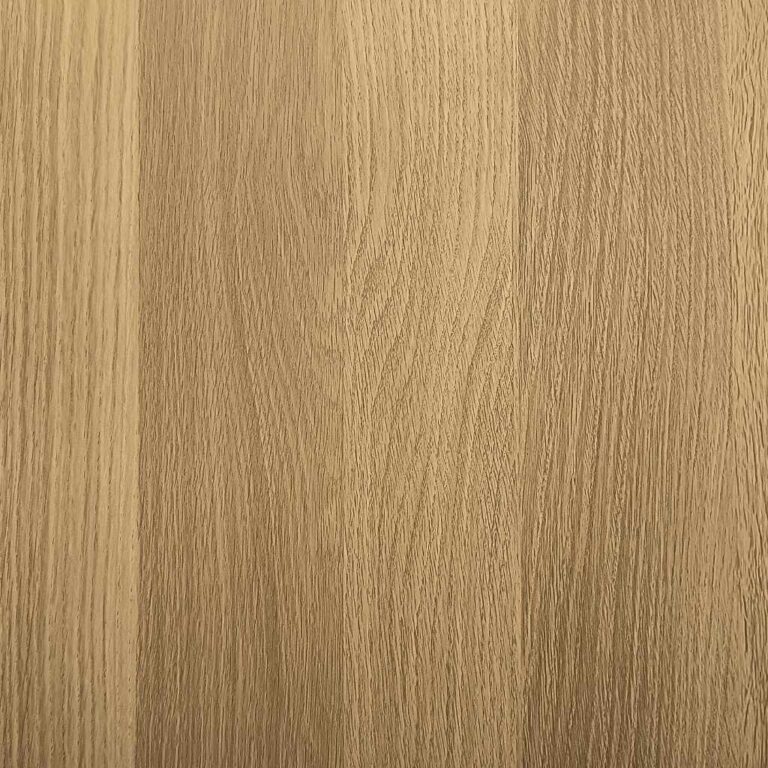
Color: Usually a light, creamy white to light brown. The sapwood is typically lighter than the heartwood, giving it a good contrast. If you’re looking for that classic, bright ash look, this is it.
Grain Pattern: White ash is famous for its prominent, straight, and often coarse grain. It can have beautiful figuring, like straight lines or occasional wavy patterns, especially when quarter-sawn. This gives it a distinct and attractive appearance.
Strength and Durability: This is where white ash really shines. It’s very strong, stiff, and has excellent shock resistance. It’s also quite hard and durable, making it a fantastic choice for demanding applications. The Forest Products Laboratory highlights ash as a premier hardwood for its mechanical properties.
Workability: It machines, bends, and finishes well. It takes stains and glues effectively, but its open grain might require filling for a perfectly smooth finish on some projects.
Common Uses: White ash is a go-to for baseball bats, tool handles (like hammers and axes), oars, furniture (especially solid wood pieces), cabinetry, flooring, and other applications where strength, durability, and good looks are essential.
Pros and Cons of White Ash:
| Pros | Cons |
|---|---|
| Excellent strength and high shock resistance. | Can be more expensive than black ash. |
| Durable and wears well, good for high-traffic items. | The open grain may require filling for very smooth finishes. |
| Attractive, prominent, and often straight grain makes for beautiful projects. | Susceptible to the Emerald Ash Borer, which can impact availability and cost. |
| Machines, stains, and finishes well. | Not naturally resistant to decay; still needs protection for outdoor use. |
Black Ash vs. White Ash Wood: A Direct Comparison
To make it super clear, let’s put their key differences side-by-side. This table focuses on what matters most to you as a woodworker.
| Feature | Black Ash (Fraxinus nigra) | White Ash (Fraxinus americana) |
|---|---|---|
| Color: | Lighter brown, sometimes grayish or reddish tones. | Creamy white to light brown, often with a distinct contrast between sapwood and heartwood. |
| Grain: | Generally straighter, less pronounced, can appear plainer. | Prominent, straight, often coarse, with visible flecks and lines. Can have attractive figuring. |
| Density & Hardness: | Softer, less dense. | Harder, denser, more robust. |
| Strength & Shock Resistance: | Lower. | Excellent. Highly regarded for toughness and impact resistance. |
| Durability: | Moderate, less resistant to wear and tear. | High. Excellent for demanding applications. |
| Workability: | Good, but can dent easily. | Excellent, machines, bends, and finishes well. |
| Primary Uses: | Baskets, decorative veneers, some furniture components. | Tool handles, baseball bats, furniture, cabinetry, flooring, sporting goods. |
| Availability: | Generally available, but often less sought after for robust woodworking. | Availability can be impacted by the Emerald Ash Borer. |
Identifying Black Ash vs. White Ash Wood in the Shop
Sometimes, lumber might not be clearly labeled, or you might have salvaged wood. Here’s how you can often tell them apart:
Key Visual Clues:
Color: If the wood is quite pale, almost white, it’s very likely white ash. If it has a more muted, light brownish-gray tone, it might be black ash.
Grain Prominence: Run your hand over the wood. Can you feel significant texture and prominent lines? That’s more likely white ash. If it feels smoother and plainer, it might be black ash.
Pores: Both are ring-porous hardwoods, meaning they have larger pores concentrated in the earlywood (the lighter-colored band of growth). White ash often has more visible, larger pores than black ash.
Weight: If you can hold a piece, white ash will generally feel heavier due to its higher density.
The “Swamp” vs. “Hillside” Clue (with a grain of salt):
While not a direct identification method for the wood itself, knowing where the tree grew can be a hint. Black ash prefers wet environments like swamps and riverbanks. White ash is more commonly found on drier, upland slopes and hillsides. However, this isn’t foolproof for identifying the wood once it’s milled.
Practical Applications: Which Ash for Which Project?
Now, let’s talk about putting this knowledge to work.
When to Choose White Ash:
You absolutely want white ash for projects where strength, durability, and shock resistance are paramount. This includes:
Tool Handles: Hammers, axes, shovels – anything that takes a beating.
Sports Equipment: Baseball bats, hockey sticks (historically), lacrosse sticks.
Furniture: When you need sturdy, long-lasting pieces like chair legs, tabletops, or frames that will see a lot of use.
Flooring: Its hardness makes it a good choice for high-traffic areas.
Bows: Traditional bowyers often use white ash for its flexibility and strength.
When Black Ash Might Be Suitable:
Black ash is more niche but has its moments.
Woven Baskets and Crafts: Its tendency to split cleanly into thin, flexible strips makes it ideal for traditional crafts.
Decorative Veneers: If you like a subtler grain for interior paneling or drawer fronts where it won’t be subjected to heavy wear.
Plywood Core Stock: Its lighter weight and workable nature can make it suitable as a core material in some plywood applications.
Cost-Sensitive Projects: If affordability is a major driver and the project doesn’t demand high performance, black ash might be an option.
Working with Ash Wood: Tips for Beginners
Both types of ash are generally user-friendly, but white ash, being harder, might require slightly different approaches.
Cutting and Shaping:
Sharp Tools: Always use sharp blades and bits. Ash, especially white ash, can have a noticeable grain that can cause tear-out if your tools aren’t keen.
Dust Collection: Ash dust can be an irritant. Ensure you have good dust collection and wear a dust mask. The Occupational Safety and Health Administration (OSHA) provides guidance on wood dust safety.
Router Bits: For routing edges or profiles, use spiral or compression bits for cleaner cuts, especially with white ash.
Sanding and Finishing:
Sanding Sealer: For a super smooth finish on white ash, especially if you plan to use a light-colored stain or paint, consider using a sanding sealer. This helps to fill the open pores without significantly darkening the wood.
Grain Filling: If you desire a glass-smooth finish on projects like tabletops or cabinets, you’ll likely need to use a grain filler on white ash.
Stains and Clear Coats: Ash takes stains well, though the open grain can lead to blotchiness if not prepared correctly. A pre-stain conditioner can help. Clear coats will enhance the natural beauty of the grain.
The Emerald Ash Borer Threat: Impact on Ash Wood Availability
It’s important to touch on a significant issue impacting ash trees in North America: the Emerald Ash Borer (EAB). This invasive insect has devastated ash populations across many regions.
What is the Emerald Ash Borer?
The EAB is a tiny, metallic-green beetle that bores under the bark of ash trees, feeding on the tree’s essential nutrient and water transport systems. This is usually fatal to the tree within a few years.
How It Affects Wood Availability:
Reduced Supply: Many areas have seen a sharp decline in healthy ash trees, which naturally affects the supply of ash lumber.
Increased Cost: With reduced supply and increased effort needed to source wood from unaffected areas, the price of ash lumber can rise.
Geographic Variation: The impact varies greatly by region. Some areas are heavily affected, while others might still have healthy ash populations.
Impact on White Ash: White ash is particularly vulnerable to EAB. While black ash is also susceptible, white ash is often more heavily impacted and more sought after for its desirable properties, making the EAB’s effect more pronounced.
It’s always a good idea to check with your local lumber supplier about the current availability and pricing of ash wood in your area.
Frequently Asked Questions (FAQs)
Here are some common questions beginners have about black vs. white ash wood:
Q1: Which ash wood is stronger, black ash or white ash?
White ash is notably stronger and has much higher shock resistance than black ash. It’s the preferred choice when durability and toughness are critical.
Q2: Can I use black ash for furniture?
Yes, you can use black ash for furniture, especially for decorative pieces or parts that don’t undergo heavy wear. However, white ash is generally recommended for sturdier, more frequently used furniture items due to its superior strength and durability.
Q3: How do I tell the difference between black ash and white ash if they look similar?
Look for color (white ash is typically lighter and paler), grain prominence (white ash has a more pronounced, often coarser grain), and weight (white ash feels heavier). Sharp tools will also cut white ash more cleanly in aggressive cuts.
Q4: Is ash wood good for flooring?
White ash is an excellent choice for flooring due to its hardness, durability, and attractive grain. Black ash is generally too soft and less durable for flooring applications.
Q5: Does ash wood require special tools to work with?
No, ash is a moderately easy wood to work with standard woodworking tools. However, always use sharp blades and bits, especially with harder white ash, to prevent tear-out and achieve clean cuts. Good dust collection is also important for managing ash dust.
Q6: Is ash wood resistant to rot and insects?
Neither black nor white ash has significant natural resistance to rot or insects. If you plan to use ash wood outdoors or in damp conditions, you will need to apply protective finishes or treatments.
Q7: Which type of ash is better for baseball bats?
White ash is the traditional and preferred wood for baseball bats because of its exceptional strength, shock resistance, and ability to flex without breaking, leading to powerful hits.
Conclusion: Your Best Bet for Strength and Beauty
Choosing between black ash and white ash wood comes down to what you want to do* with your project. For anything that needs to be strong, resilient, and withstand impact – think tool handles, sports gear, or furniture that will be used daily – white ash is your clear winner. Its beautiful, prominent grain adds visual appeal, making your projects look as good as they perform.
Black ash has its own specialized uses, particularly in traditional crafts like basket making, or for projects seeking a subtler, plainer look where extreme durability isn’t the main concern.
By understanding these differences, you’re now equipped to walk into any lumberyard or browse online listings with confidence. You know what to look for, what to ask for, and how to choose the right ash to bring your woodworking visions to life, ensuring your creations are both beautiful and built to last. Happy woodworking!