Is Ash Wood Good for Construction? Yes Indoors, Not Outdoors
Ash is genuinely strong and shock-resistant, but it is a poor choice for outdoor or ground-contact construction because it has low natural resistance to rot and insects. That distinction – excellent for indoor structural and impact uses, weak for exterior exposure – is the one thing a lot of “is ash good for construction” guides get backwards, and it matters if you’re planning to actually build with it.
What Ash Is Actually Good At
Best for Checking Lumber Before You Build
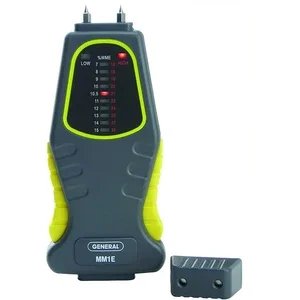 |
General Tools MM1E Moisture Meter – $22.99 Since ash’s low rot resistance makes starting with properly dried lumber more important than usual, a quick pin-type reading confirms a board is actually ready to use.
|
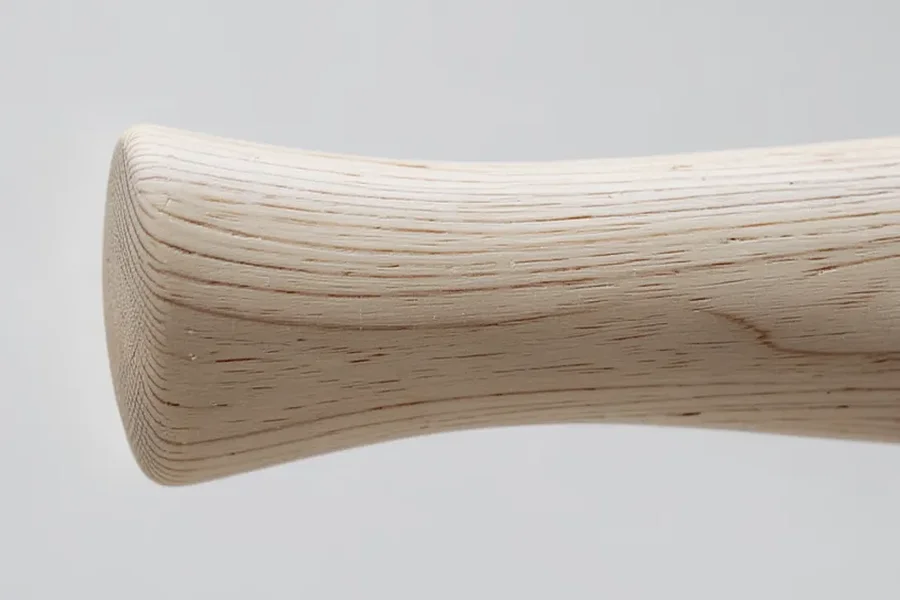
White ash has a Janka hardness around 1,320 lbf, similar to red oak, so it holds up fine to everyday wear as flooring or stair treads. Its real standout property, though, is toughness – the ability to absorb a sudden sharp impact without splintering or cracking. That’s not the same thing as hardness, and it’s why ash has been the traditional choice for axe and hammer handles, baseball bats, and other tool handles for generations: it flexes slightly under shock instead of snapping. For indoor structural elements that take repeated stress or impact – stair stringers, some furniture joinery, interior beams – that toughness is a genuine advantage over harder but more brittle woods.
Where Ash Falls Short: Rot and Insect Resistance
This is the correction worth making clearly: ash heartwood is rated as non-durable to perishable for natural decay resistance, in the same category as hard maple or birch – well below naturally rot-resistant species like white oak, cedar, or teak. It is not naturally termite-resistant either. That doesn’t make ash unusable outdoors, but it does mean untreated ash left in ground contact, or exposed to repeated wetting without a real sealed finish, will break down substantially faster than a naturally durable species. If a project needs exterior or ground-contact wood, ash needs pressure treatment or a genuinely committed sealing-and-maintenance routine – it isn’t a “set it and forget it” outdoor wood the way cedar or treated pine is.
Is Ash Used for Structural Framing?
Rarely, and not for the reason you might expect. Ash is strong enough in raw terms, but standard residential framing (studs, joists, rafters) is built almost entirely from softwoods like SPF (spruce-pine-fir) or Douglas fir, because those species have decades of published span tables, grading standards, and building-code engineering data that hardwood ash simply doesn’t have in most jurisdictions – plus ash costs considerably more per board foot. Where ash actually shows up in a build is in interior, non-code-critical structural-adjacent roles: stair stringers and treads, some timber-frame joinery in traditional builds, interior beams as a design feature, and flooring – not as the dimensional lumber holding up your roof.
A Real Supply Problem: Emerald Ash Borer
This is worth knowing if you’re sourcing ash today: the emerald ash borer, an invasive beetle first found in North America in 2002, has killed hundreds of millions of ash trees across the US and Canada and continues to spread. Many regions now have ash quarantines restricting the movement of ash logs and firewood to slow the beetle’s spread. Practically, this means ash lumber has gotten harder to source and more expensive in a lot of markets than it was two decades ago – worth checking with local sawmills on actual current availability and pricing before planning a project around it, rather than assuming it’s as cheap and plentiful as older references suggest.
Aesthetics and Finishing
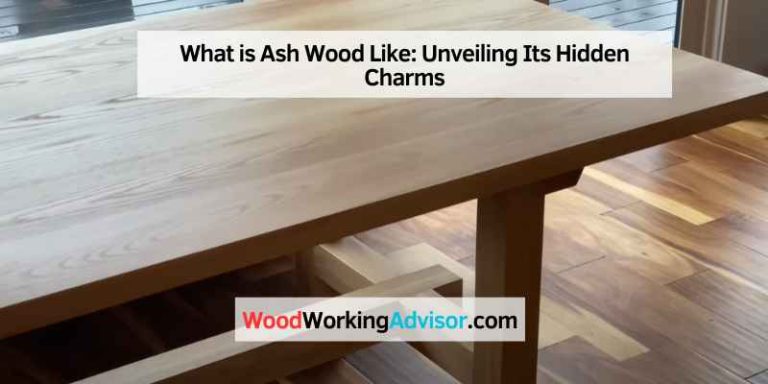
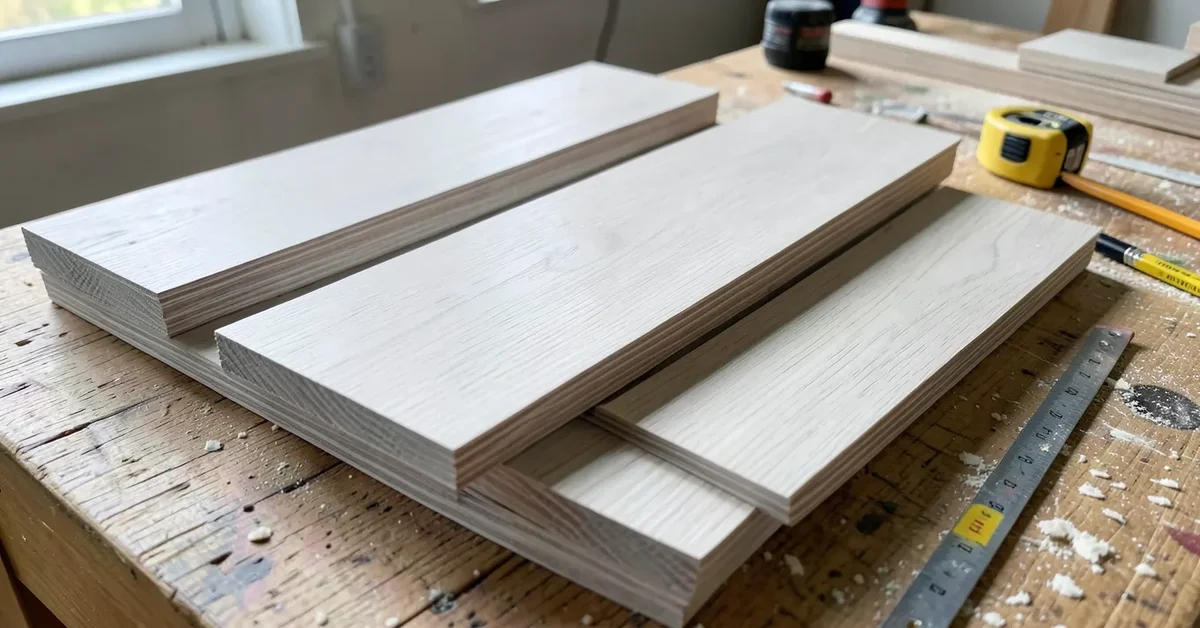
Ash has a pale, creamy color with a straight, open grain – visually similar to oak but lighter and with less pronounced ray fleck. It takes stain, oil, and clear finishes well, and its open grain accepts a wood conditioner before staining the same way oak does, helping avoid blotching. For indoor flooring, trim, or furniture, it finishes to a clean, bright result that suits both traditional and modern interiors.
Checking Moisture Content Before You Build
Because ash isn’t decay-resistant, starting with properly dried lumber matters more than it would with a naturally durable species. Framing and structural-adjacent lumber should generally read 15-19% moisture content or lower before use (kiln-dried lumber typically arrives around 6-8%, air-dried more like 12-20% depending on climate); building with wood that’s still too wet invites the warping and the fungal growth that ash is already more susceptible to. A pin-type moisture meter driven into the board gives a real reading in seconds rather than guessing from how the wood feels or looks.
Ash vs. Oak and Maple for Similar Projects
| Wood | Janka hardness | Rot resistance | Best known for |
| White ash | ~1,320 lbf | Low (non-durable) | Shock resistance, tool handles, flooring |
| Red oak | ~1,290 lbf | Low-moderate | Flooring, furniture, general strength |
| White oak | ~1,360 lbf | High (naturally durable) | Outdoor/ground-contact use, barrels, boats |
| Hard maple | ~1,450 lbf | Low (non-durable) | Flooring, cutting boards, cabinetry |
Frequently Asked Questions
What is the disadvantage of ash wood?
Its biggest weakness is low natural resistance to rot and insects, which makes it a poor choice for outdoor or ground-contact use without pressure treatment. It’s also become harder to source in some regions due to emerald ash borer damage to North American ash trees.
Can you use ash wood for construction?
Yes, for indoor and structural-adjacent uses – flooring, stair treads, interior beams, furniture, and tool handles where its shock resistance is an asset. It’s not typically used as standard framing lumber (that’s almost always softwood), and it needs treatment or a real sealing routine before any outdoor or ground-contact application.
Is ash a good structural wood?
It’s strong and unusually shock-resistant, which suits it to stair stringers, timber-frame joinery, and other indoor structural-adjacent roles. It isn’t used for standard dimensional framing lumber, mainly because softwoods have the established span-table and grading data building codes rely on, not because ash lacks strength.
How long will ash wood last outside?
Considerably less than a naturally durable wood like cedar or white oak if left untreated, especially in ground contact. Ash’s low natural decay resistance means outdoor use realistically requires pressure treatment or a committed annual sealing routine – it isn’t a wood you can leave bare outside and expect to hold up for long.
Bottom Line
Ash earns its reputation for indoor structural and impact-resistant uses – flooring, stair parts, tool handles, furniture – but it is not a naturally weather- or rot-resistant wood, and treating it like one outdoors is the most common mistake in ash construction advice. Keep it indoors or treat it properly, and it’s a genuinely tough, attractive material to build with.
Sponsored / affiliate links. As an Amazon Associate I earn from qualifying purchases. I may earn additional commission from eligible campaigns.