Can Ash Wood Get Wet? What Actually Happens (And How to Stop It)
Yes, ash wood can get wet, but it is not built to handle it well. Ash has an open, porous grain structure that soaks up water faster than closed-pore hardwoods like maple, and once moisture gets in, swelling, warping, and eventually rot follow. How it is finished changes that outcome dramatically. Below is what actually happens when ash gets wet, the difference between protecting it from rain versus everyday humidity (a distinction most care guides skip entirely), and how to dry it out if it is already soaked.
Can Ash Wood Get Wet? The Short Answer
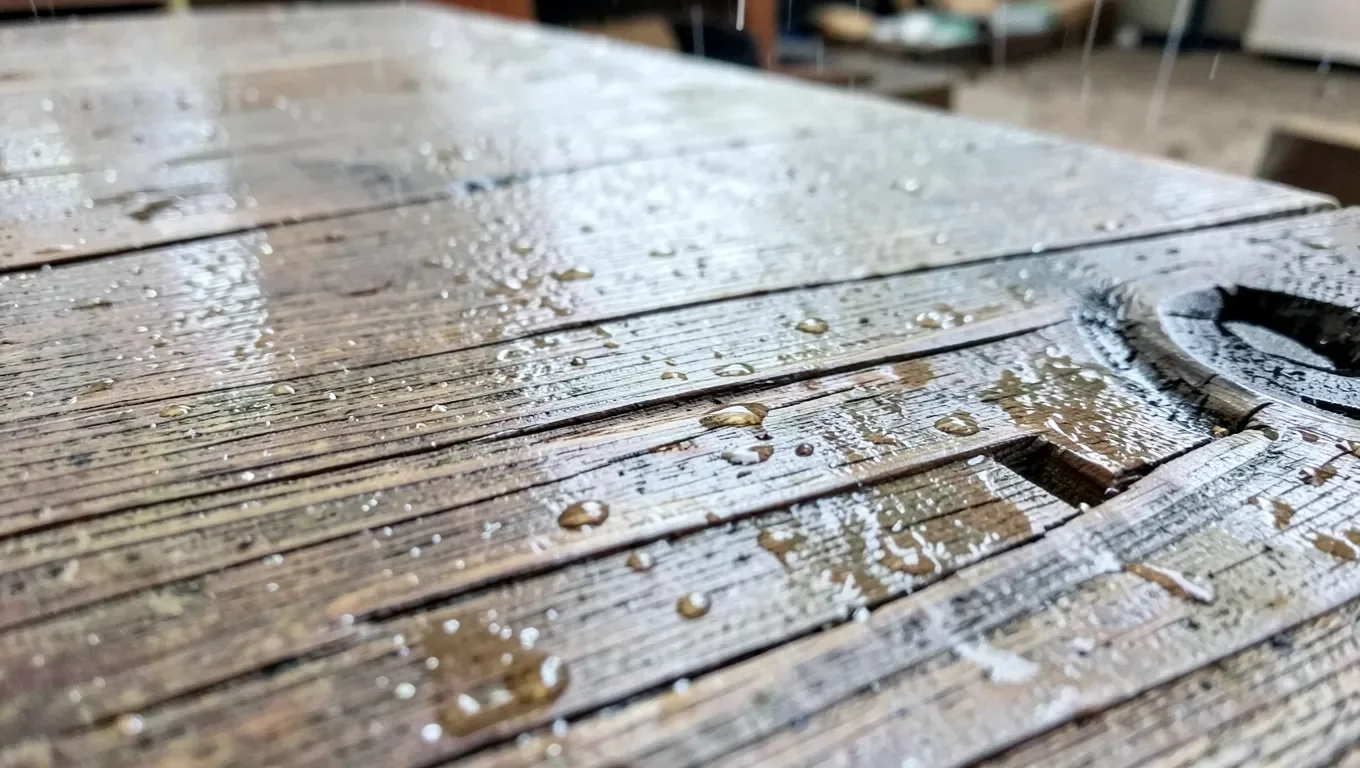
Ash wood can get wet without being ruined immediately. A spilled drink or a rainy walk with an ash-handled tool will not destroy it. But ash is a diffuse-porous hardwood with a fairly open cell structure. Its average dry weight runs around 41 to 43 lbs per cubic foot, and its Janka hardness sits near 1,320 lbf, which is solid but not dense enough to resist moisture the way tighter-grained woods do. Left wet, or exposed to standing water repeatedly, ash will swell, cup, and eventually support the fungi that cause rot. Untreated ash left fully exposed outdoors typically starts breaking down within a few years. Sealed and maintained, the same wood can last for decades indoors or in covered outdoor use.
Best Finish for Water & Humidity Protection
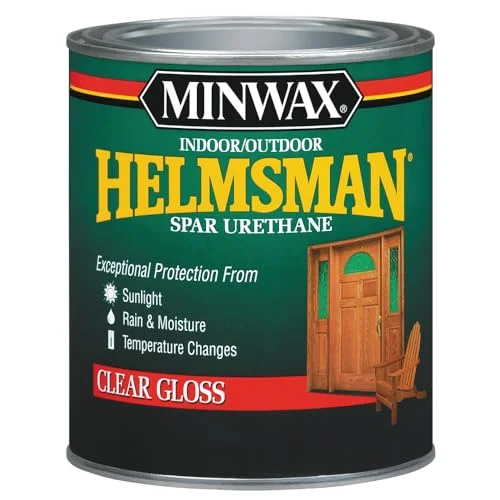 |
Minwax Helmsman Indoor/Outdoor Spar Urethane, Quart – $23.61 A film-forming finish built to flex with ash as it expands and contracts, blocking both rain and everyday humidity instead of just repelling surface splashes.
|
Liquid Water vs. Water Vapor: The Protection Gap Most Guides Skip
Most articles on this topic treat “sealing the wood” as a single fix. Wood-finish research actually draws a sharp line between two different threats: liquid water (rain, spills, splashes) and water vapor (ambient humidity moving in and out of the wood as the air around it changes). Penetrating oil finishes, like tung oil, linseed oil, or Danish oil, do a reasonable job repelling liquid water on contact, but they let water vapor pass through almost freely because they do not form a continuous film on the surface. An oiled ash cutting board or bowl kept in a humid kitchen can still absorb and release moisture constantly, even though water beads off the surface when you pour it directly on.
Film-forming finishes, like polyurethane, spar urethane, and varnish, work differently. They cure into a continuous layer that blocks both liquid water and, to a much greater degree, water vapor transmission. That is why a spar urethane, built specifically to flex with the wood as it expands and contracts through the seasons, is the better call for ash that will see real humidity swings or occasional rain, rather than an oil finish alone.
Why Ash Is Not Naturally Water-Resistant
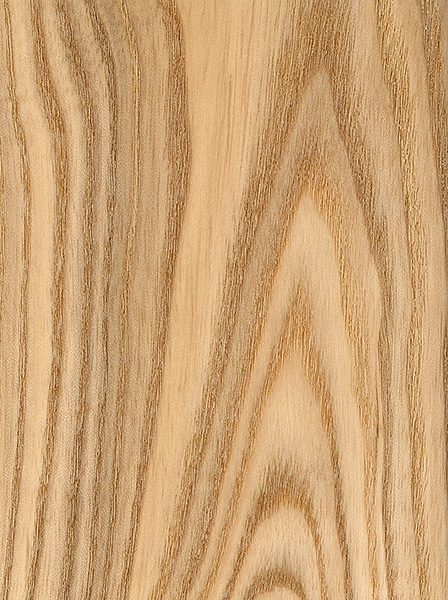
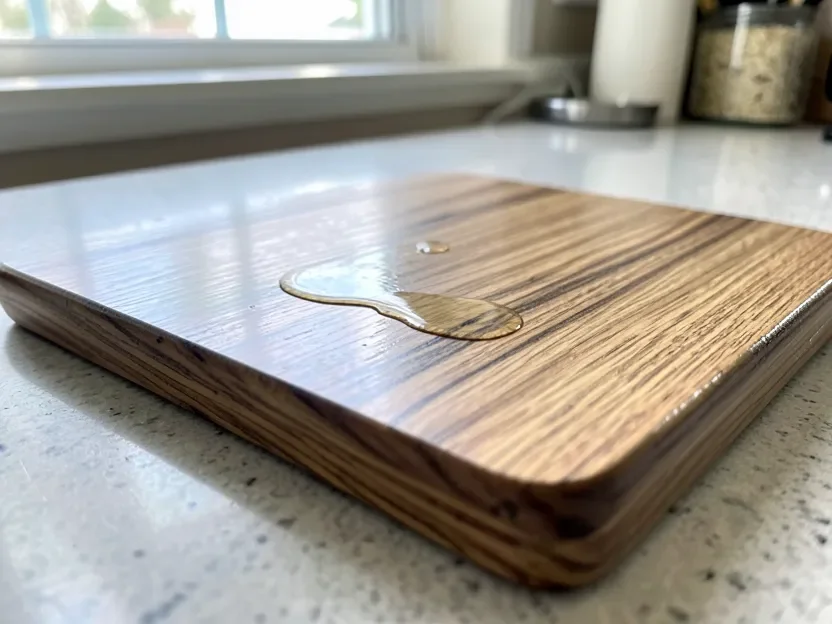
Ash’s strength comes from long, straight fibers and a ring-porous structure, the same feature that gives it its shock resistance in tool handles and baseball bats. That same open structure is a liability around moisture. Unfinished ash absorbs water quickly through its end grain and exposed pores. Finished ash resists water far better, but no wood finish makes it waterproof, only water-resistant for as long as the film stays intact.
Warping happens when the wood absorbs water unevenly across its thickness or grain direction, causing one side to expand faster than the other and the board to cup or twist. Swelling happens when wood fibers expand as they take on moisture, which can jam drawers, crack glue joints, or push finish coats apart. Left wet for extended periods, especially in a warm, poorly ventilated space, ash can develop rot as fungi colonize the damp fibers. Even a well-finished piece can suffer if water gets in through an unsealed edge, a crack, or a joint.
Signs Your Ash Wood Has Absorbed Water
Wet ash usually looks and feels different from dry ash. The surface may darken, especially around joints or end grain where water collects. It can feel cool and slightly damp to the touch, sometimes with a faint musty smell if moisture has been sitting for a while. Visible swelling or a board that no longer sits flat are both signs moisture has gotten into the fibers, not just the surface.
A simple touch or weight check catches obvious cases; a damp board feels noticeably heavier than a dry one of the same size. For anything you actually care about protecting, a pin-type moisture meter gives a real number. Kiln-dried ash used indoors typically sits around 6 to 8 percent moisture content; readings much above that mean the wood has picked up moisture and should be dried out before finishing or repair work.
How to Protect Ash Wood From Water Damage
Sealing is the main line of defense, and the right sealant depends on how the piece will be used:
- Spar urethane or exterior polyurethane: the best choice for anything that sees rain, humidity swings, or sun, since it forms a flexible, continuous film.
- Interior polyurethane or varnish: solid protection for furniture and flooring that stays indoors and only faces incidental spills.
- Penetrating oils (tung, linseed, Danish oil): good for a natural look and light moisture resistance, but they need much more frequent reapplication and do little against water vapor.
- Food-safe mineral oil or beeswax blend: the only safe option for cutting boards and utensils, reapplied every few weeks since it is not a true water barrier.
Application matters as much as the product. Sand the surface smooth first, working up to a fine grit so the finish can bond evenly. Apply thin, even coats following the grain rather than one heavy coat, and let each coat dry fully before the next. Two to three coats is typical for film-forming finishes; lightly sand between coats with a fine grit to help adhesion. Rushing this process is the most common reason a finish fails early and lets water back in.
How to Dry Out and Restore Water-Damaged Ash Wood
If ash has already gotten wet, blot excess water with a clean, dry towel rather than rubbing, which can drive water further into the grain. Move the piece to a well-ventilated area with steady air circulation; a fan speeds this up without over-drying the surface too fast. For larger pieces or a damp room, a dehumidifier pulls moisture from the surrounding air, which helps the wood release its own moisture more evenly. Keep the wood off the ground and out of direct sun while it dries. Rapid drying from direct heat or sun causes cracking and warping, which is often worse than the original water exposure.
Once dry, inspect for cracks, splits, or warping. Small cracks can be filled with a color-matched wood filler, sanded smooth once cured. Larger splits usually need wood glue and clamping pressure until fully cured. A warped board can sometimes be straightened with gentle, even heat and pressure, though this takes patience and does not always fully reverse the distortion. After any repair, reseal the wood to protect it from the next exposure.
Ash Wood Indoors vs. Outdoors
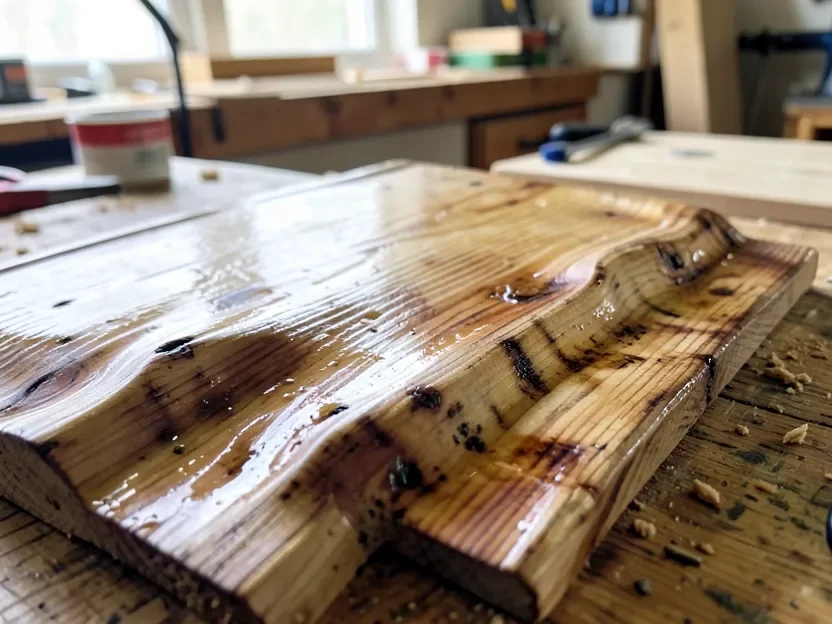
Indoors, ash is an excellent choice for furniture, flooring, and cabinetry, since it is protected from direct rain and large humidity swings, and its strength and grain hold up well over decades of normal use. Outdoors is a different story. Ash has no natural rot or insect resistance, and continuous exposure to rain and sun will break it down far faster than a naturally durable species like teak or cedar. If ash has to be used outside, keep it in a covered, protected spot, apply a spar urethane or equivalent exterior finish, and plan on reapplying it every couple of years.
Water exposure is only one part of how ash holds up outdoors; UV fading, temperature swings, and structural durability over years of full weather exposure are separate factors worth understanding before building anything meant to live outside permanently. For that fuller picture, see our guide on whether ash wood can be used outside.
Frequently Asked Questions
Is Ash Wood Naturally Water-Resistant?
No. Ash is a diffuse-porous hardwood with an open cell structure, so it absorbs water faster than closed-pore woods like maple or teak. Unfinished ash will soak up moisture on contact; a film-forming finish is what actually makes it water-resistant, not the wood itself.
What Happens If Ash Wood Gets Wet?
A brief spill or splash usually causes no lasting harm. Repeated or prolonged wetting causes the wood fibers to swell unevenly, leading to warping and cupping, and extended damp exposure can eventually allow rot-causing fungi to take hold.
Is Wood Ash the Same Thing as Ash Wood?
No, and the two get mixed up often. Wood ash is the gray residue left after burning any wood in a fire; wet wood ash forms a caustic, alkaline paste that can irritate skin. Ash wood, the subject of this article, is lumber cut from ash trees (Fraxinus species) and has nothing to do with burnt ash.
Can Ash Wood Be Used for a Cutting Board or Kitchen Items?
Yes, but it needs food-safe mineral oil or a beeswax/mineral-oil blend, reapplied every few weeks, since ash is not naturally water-resistant and a cutting board sees constant moisture contact.
Is Ash Wood Good for Outdoor Use?
Ash holds up best in covered or occasional outdoor use once properly sealed; it is not a naturally rot- or UV-resistant species like teak or cedar. For the full breakdown of long-term outdoor exposure, including sun and structural durability beyond just water, see our dedicated guide on whether ash wood can be used outside.
Conclusion
Ash wood can get wet without immediate disaster, but it has no natural water resistance of its own. Prolonged or repeated exposure causes swelling, warping, and eventually rot. The fix is not just “seal it” but choosing the right kind of seal: a film-forming finish like spar urethane for anything facing rain or real humidity swings, and light, food-safe oil for cutting boards and utensils that need frequent reapplication instead of a hard film. Dry it properly if it does get soaked, reseal after any repair, and ash will hold its strength and grain for decades.
Sponsored / affiliate links. As an Amazon Associate I earn from qualifying purchases. I may earn additional commission from eligible campaigns.