Black Cherry vs Chokecherry: Differences You Should Know
Have you ever spotted a beautiful wild cherry tree and wondered if the fruit is safe to eat? It’s a common situation, especially when you encounter the visually similar black cherry and chokecherry trees. Knowing the distinctions between them is key to enjoying their bounty or staying safe. This guide will help you clearly see the Black Cherry vs Chokecherry: Differences You Should Know, equipping you with the knowledge to identify them confidently. You’ll learn about their appearances, uses, and potential dangers, ensuring you make informed choices when encountering these fascinating trees.
When you’re out in nature, whether hiking a trail or just exploring your backyard, you might come across trees bearing small, dark fruits. Two common types that often cause confusion are black cherry trees and chokecherry trees. While they share a family resemblance, understanding the Black Cherry vs Chokecherry: Differences You Should Know is important for a variety of reasons, from culinary interests to simply appreciating the natural world around you.
This post will break down their key characteristics so you can tell them apart with confidence.
Identifying Black Cherry Trees
The black cherry tree, scientifically known as Prunus serotina, is a native North American species that can grow quite large, often reaching heights of 50 to 80 feet, sometimes even more. Its bark is smooth and dark grey or black on younger trees, developing a distinctive scaly, almost charred appearance with age, often marked by prominent horizontal lenticels (small pores).
The leaves of the black cherry are lance-shaped, with finely toothed edges and a glossy dark green surface. They typically measure 2 to 5 inches long. In the spring, the tree produces fragrant white flowers that hang in drooping clusters called racemes.
These flowers are a welcome sight, attracting pollinators.
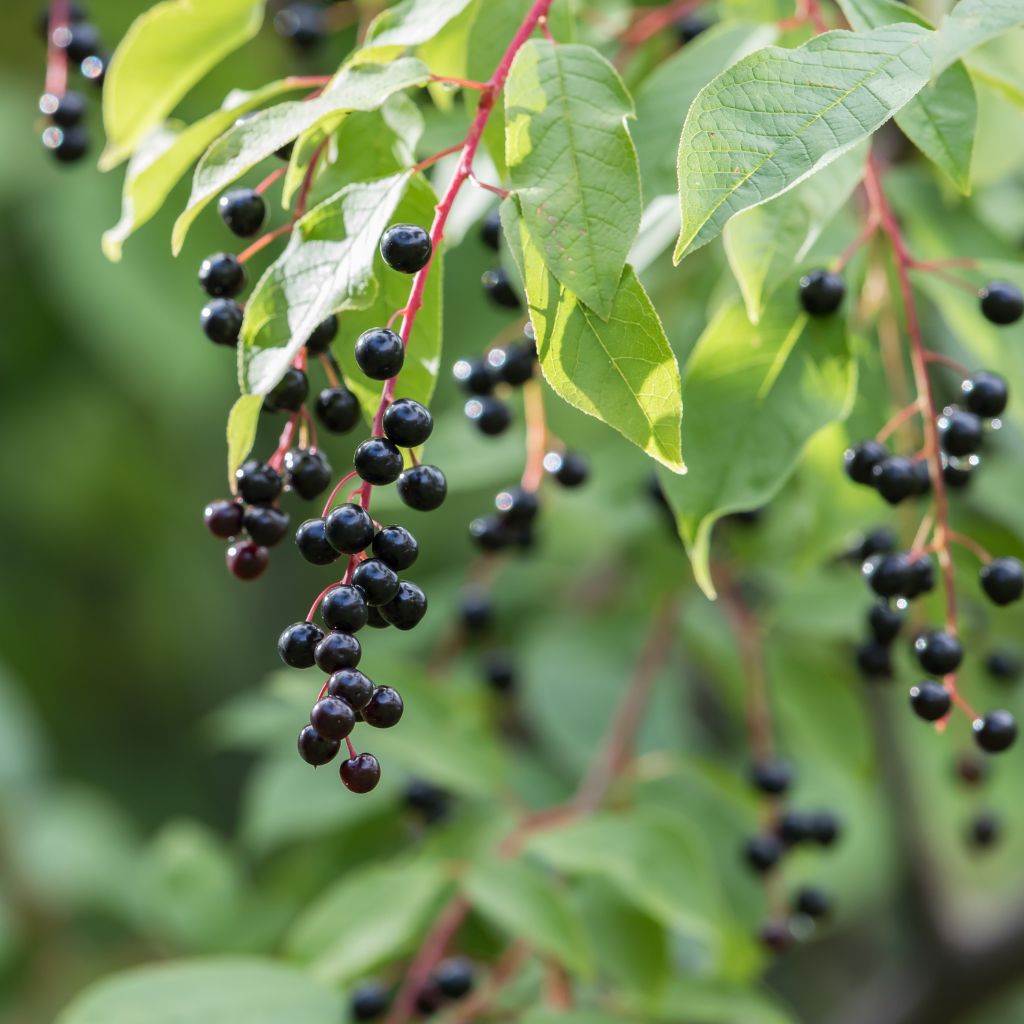
The fruit is where much of the interest lies. Black cherry fruits are small, round drupes, about the size of a pea, that ripen from red to a deep purplish-black. They grow in elongated clusters.
The flesh of the ripe fruit is sweet and palatable, though the pit inside is toxic. These cherries are a favorite food for many birds and small mammals.
Black Cherry Fruit Characteristics
- Appearance: Small, round, ripening from red to deep purplish-black.
- Taste: Sweet and slightly tart when fully ripe.
- Texture: Juicy flesh.
- Size: Typically 1/4 to 1/2 inch in diameter.
- Growth Habit: Hangs in drooping, elongated clusters.
Black Cherry Uses
The wood of the black cherry tree is highly valued in furniture making and for creating decorative veneers due to its rich color and attractive grain. For culinary purposes, the ripe fruits are used to make jams, jellies, pies, syrups, and even wine. It’s important to remember to remove the pits before consumption, as they contain cyanogenic glycosides, which can be harmful.
Identifying Chokecherry Trees
The chokecherry tree, or Prunus virginiana, is another native species, but it typically remains much smaller than the black cherry, usually growing as a large shrub or a small tree, rarely exceeding 25 feet in height. Its bark is generally smooth and grey, often with small white dots, and it lacks the distinctive scaly appearance of mature black cherry trees.
Chokecherry leaves are oval to oblong, with finely serrated edges and a duller green color compared to black cherry leaves. They are generally shorter, measuring 1 to 4 inches long. Like the black cherry, chokecherry trees produce white flowers in drooping racemes in the spring.
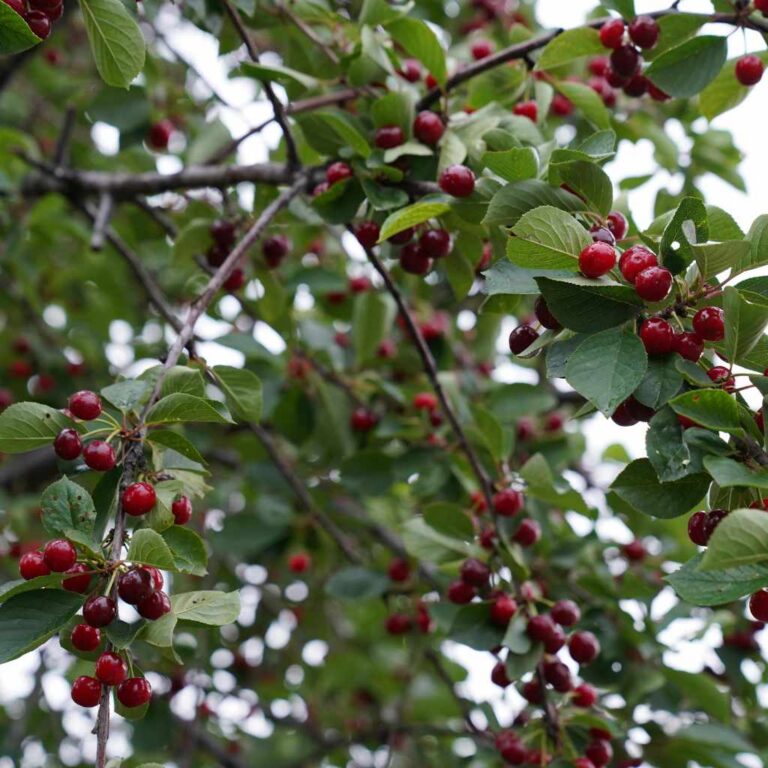
The fruit of the chokecherry is perhaps its most defining feature. The cherries are small, similar in size to black cherries, and also ripen from red to a dark purplish-black. However, they tend to grow in denser, shorter clusters.
The name “chokecherry” comes from the astringent, bitter taste of the raw fruit, which can leave a puckering sensation in the mouth.
Chokecherry Fruit Characteristics
- Appearance: Small, round, ripening from red to dark purplish-black.
- Taste: Very astringent and bitter when raw, can be somewhat sweet after frost.
- Texture: Tart, often described as puckering.
- Size: Similar to black cherries, about 1/4 to 1/2 inch in diameter.
- Growth Habit: Hangs in dense, shorter clusters.
Chokecherry Uses
While the raw fruit is generally too bitter for most people to enjoy, chokecherries have traditional uses. After being exposed to frost, their flavor can become milder and sweeter, making them more palatable. They are often processed into jellies, jams, sauces, and wines, where the added sugar helps to balance the tartness.
Like black cherries, the pits contain toxins and should be discarded. The plant itself can also have medicinal uses in some traditional practices.
Key Differences at a Glance
To help solidify the Black Cherry vs Chokecherry: Differences You Should Know, let’s summarize the most prominent distinctions:
| Feature | Black Cherry (Prunus serotina) | Chokecherry (Prunus virginiana) |
|---|---|---|
| Mature Tree Size | Large tree, 50-80+ feet tall | Shrub or small tree, up to 25 feet tall |
| Bark Texture | Smooth and dark on young trees; scaly and black on mature trees | Smooth and grey, with white dots; not scaly |
| Leaf Shape & Finish | Lance-shaped, finely toothed, glossy dark green | Oval to oblong, finely serrated, duller green |
| Fruit Cluster Appearance | Drooping, elongated racemes | Denser, shorter clusters |
| Raw Fruit Taste | Sweet and palatable when ripe | Very astringent, bitter, puckering |
Toxicity and Safety Considerations
Both black cherry and chokecherry plants contain cyanogenic glycosides, particularly in the pits, bark, and leaves. While ripe cherry flesh is generally considered safe to eat in moderate amounts, the pits are toxic and should never be consumed. Even small amounts of cyanide can cause health problems.
If you are foraging for cherries, be absolutely certain of your identification and remove all pits before preparation. Symptoms of cyanide poisoning can include headache, dizziness, nausea, vomiting, and in severe cases, respiratory distress and even death. It’s always wise to err on the side of caution when dealing with wild edibles.
Ecological Importance
Both black cherry and chokecherry trees play vital roles in their respective ecosystems. They provide valuable food sources for a wide array of wildlife, including birds, deer, bears, and many small mammals. The flowers offer nectar and pollen for insects, contributing to pollination.
Their presence also provides habitat and shelter. Recognizing these trees helps us appreciate their contribution to biodiversity.
Frequently Asked Questions
Question: Can I eat chokecherries raw?
Answer: While technically edible, raw chokecherries are very astringent and bitter, often causing a puckering sensation. It’s generally recommended to process them into jellies or jams, where added sugar can balance the tartness.
Question: Are all parts of the black cherry tree poisonous?
Answer: The flesh of ripe black cherries is edible, but the pits, bark, and leaves contain cyanogenic glycosides and should not be consumed.
Question: How can I tell if a cherry is ripe for eating?
Answer: For black cherries, ripeness is indicated by a deep purplish-black color and a sweet taste. For chokecherries, while they also turn dark, the raw taste remains very tart until after a frost softens them.
Question: Can the wood of these trees be used for anything?
Answer: Yes, black cherry wood is highly valued for its attractive grain and rich color, often used in fine furniture and cabinetry. Chokecherry wood is less commonly used due to its smaller size, but can be utilized for smaller craft projects.
Question: What should I do if I suspect I’ve eaten too many cherry pits?
Answer: If you experience symptoms of cyanide poisoning such as dizziness, nausea, or difficulty breathing after consuming parts of cherry trees, seek immediate medical attention.
Final Thoughts
Distinguishing between black cherry and chokecherry trees is a valuable skill for anyone who enjoys the outdoors or is interested in wild edibles. By paying attention to tree size, bark texture, leaf shape, and especially the way the fruit grows and how it tastes, you can confidently identify these two common species. Remember that while the ripe flesh of black cherries is a delicious treat for jams and pies, chokecherries require processing to overcome their intense bitterness.
Always exercise caution when foraging, ensure positive identification, and never consume the pits, as they contain toxins. Appreciating these differences allows for safer and more informed interaction with the natural landscape, enhancing your experiences with the bounty nature offers.