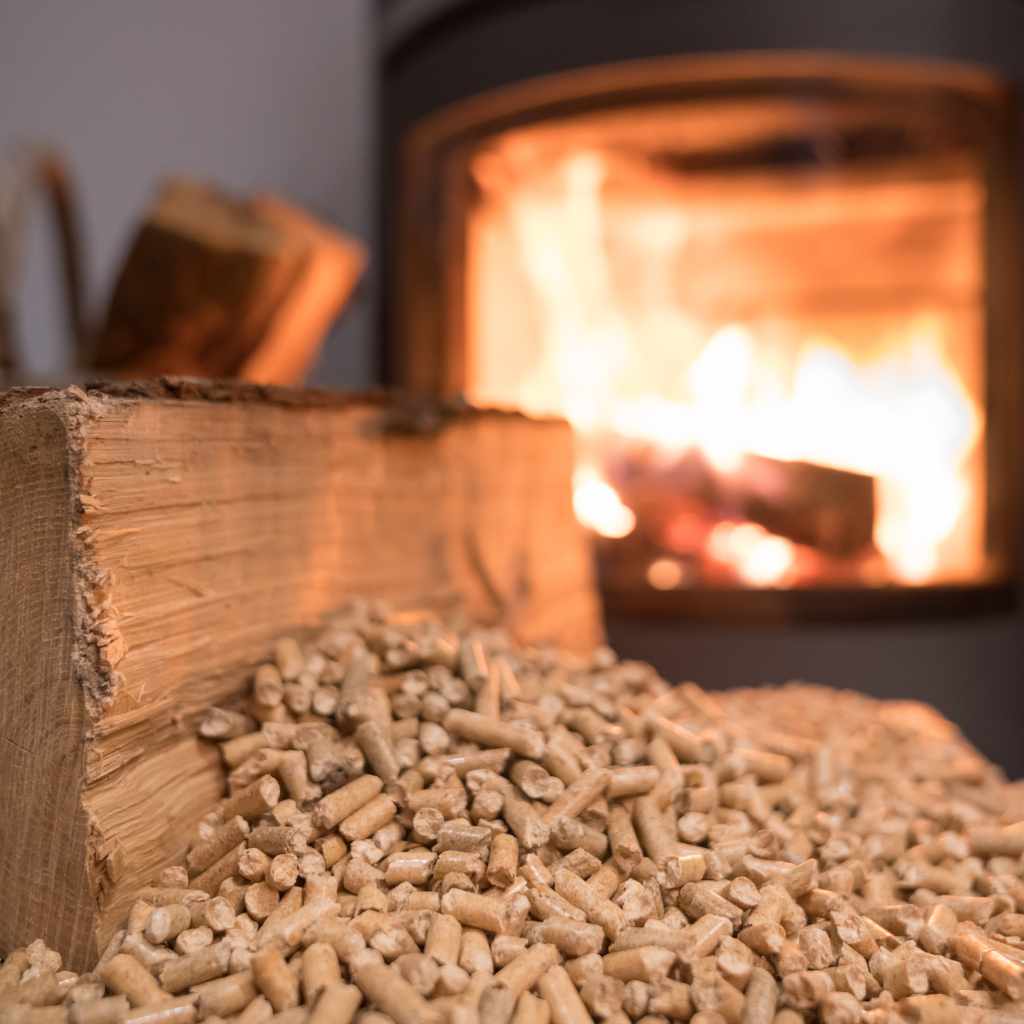
Burning Wood Pellets in Your Fireplace Simple Guide?
Thinking about using wood pellets in your fireplace? Many people ask, Can You Burn Wood Pellets in a Fireplace? It’s a common question, especially for beginners. It’s also a bit tricky because fireplaces can be picky about fuel. Don’t worry, though! This guide will break down everything you need to know. We’ll explore how to burn wood pellets safely and efficiently. Ready to find out how? Let’s get started!
What You Need to Know Before Burning Wood Pellets
Before you even think about tossing pellets into your fi
Consider the type of wood pellets you plan to use. There are various types, usually made from compressed sawdust. Some are specifically designed for stoves and might not perform optimally in a standard fireplace. Choosing the right pellets will make the experience much better. Also, you must think about ventilation. Fireplaces need air to function correctly and get rid of smoke. You can ensure adequate airflow and ventilation by opening your damper or vent.
Types of Fireplaces and Their Suitability
Different fireplaces have different designs, and some are better suited for wood pellets than others. Knowing the type of fireplace you have is essential for safe and efficient burning. Standard fireplaces, commonly found in older homes, usually have a basic open design. They might require some adjustments to burn wood pellets effectively. Prefabricated fireplaces are usually made of metal and are easier to use for wood pellets but might need an insert.
- Standard Fi
- Prefabricated Fi
- Fi
Did you know? About 1.5 million wood pellet stoves were sold in the United States in the last decade, showing the rise in popularity for pellet burning for heating purposes.
Choosing the Right Wood Pellets for Your Fireplace
The type of wood pellets you pick will impact how well they burn and how much heat they give off. Look for pellets made from hardwood like oak or maple. These generally produce more heat and burn longer. Softwood pellets, like pine or fir, can also work, but they might burn faster and produce more creosote, which is a build-up of flammable residue in your chimney. You can get either “Premium” or “Standard” wood pellets.
- Hardwood Pellets: These are generally made from dense hardwoods. They tend to burn slower, create less ash, and produce more heat. If you’re looking for the best overall performance, hardwood pellets are often the better option.
- Softwood Pellets: Often made from softwood trees like pine or fir. They usually burn faster and generate more ash than hardwood pellets. While they might be cheaper, they may not be as efficient in generating heat.
- Premium Pellets: These are made from high-quality wood and have minimal additives. They produce less ash and usually burn cleaner. Premium pellets are often more expensive but can be worth it for their efficiency and lower environmental impact.
- Standard Pellets: These are typically more affordable but may contain more bark, additives, and a higher moisture content. They might produce more ash and smoke, and they may not burn as efficiently as premium pellets.
Fireplace Safety Checks and Preparations
Fire safety is paramount when working with fire. Before burning wood pellets, it’s very important to inspect your fireplace and chimney. Get them cleaned annually by a professional. This removes any creosote build-up, which is a significant fire hazard. You must also have a fire extinguisher on hand and a working smoke detector nearby. These are essential for immediate action if a fire starts. Clear the area around your fireplace of any flammable materials, such as curtains, furniture, and rugs.
When you’re ready to get started, you’ll need a few items. These include a fire-resistant container to store the wood pellets, a metal bucket to handle ash, a fireplace shovel, a poker to move the pellets, and some fire starters. Using fire starters helps get the pellets burning quickly and efficiently. Keep a close watch on the fire at all times and never leave it unattended. You also need to ensure there’s enough ventilation in your house to prevent smoke build-up.

Burning Wood Pellets Step-by-Step
Burning wood pellets in a fi
After the fire starters are in place, add a small amount of wood pellets on top. The best thing is to add them gradually, allowing them to catch fire. Light the fire starters and wait for the pellets to ignite. Once the pellets are burning well, you can start adding more. A good amount of pellets can provide a good amount of heat for several hours. This is why wood pellets can be a great option for people who want to heat their home.
Step 1: Preparing Your Fireplace
The first step is always to prepare the fireplace. You’ll need to clean it thoroughly. Remove any old ash and debris from the firebox. Use a shovel and metal bucket for this. A clean fireplace allows for better airflow, making it easier for the pellets to burn. Always check the damper or vent to ensure it’s open. Good ventilation is essential for burning pellets safely and efficiently.
- Clean the Firebox: Use a fireplace shovel and metal bucket to remove all ash and debris. A clean firebox allows for better airflow and combustion.
- Inspect the Damper: Make sure your damper is fully open before starting. This allows the smoke to escape and prevents it from filling your house.
- Prepare the Pellet Basket: Place your pellet basket or grate inside the fireplace. Make sure it is stable and positioned correctly to receive the pellets.
Step 2: Starting the Fire
Starting the fire needs a methodical approach. First, put your fire starters in the basket or on the grate. This can be commercial fire starters, wood shavings, or crumpled newspaper. Next, add a small amount of wood pellets on top of the fire starters. Add only a few at first. This helps them ignite properly. Lighting the fire starters carefully is critical. Use a long match or lighter to avoid getting burned.
After the fire starters are lit, wait for the pellets to catch fire. It may take a few minutes for them to ignite fully. If the pellets don’t catch fire right away, you might need to add a bit more of a fire starter. Make sure the pellets are burning evenly. If you add too many pellets before the fire starters ignite, it might be challenging to get the fire going. It’s best to add pellets in layers.
Step 3: Maintaining the Fire
Maintaining the fire ensures the pellets burn efficiently and keep the fire going. As the pellets start to burn, add more gradually. You want to keep a good balance between adding enough pellets for heat and not adding so many that they smother the fire. Use a poker to gently stir the pellets. This helps with even burning and prevents the fire from becoming stagnant.
- Adding More Pellets: Once the initial pellets are burning well, add more in small increments. This allows the fire to continue growing without being overwhelmed.
- Stirring the Pellets: Use a poker to gently stir the pellets. This helps ensure they burn evenly and helps clear out the ash, maintaining good airflow.
- Monitoring the Burn: Keep an eye on the fire. Adjust the airflow and the number of pellets you add to control the heat output.
- Dealing with Ash: Once the ash accumulates, remove it carefully with a shovel and metal bucket. Be careful of hot ashes.
Approximately 2 million tons of wood pellets are used for residential heating in the United States each year, proving their popularity.
Step 4: Monitoring and Safety
Constant monitoring is necessary while using the fireplace. It is crucial for safety and to make sure the fire is burning correctly. Check the fire frequently to make sure everything is running smoothly. Look for signs of trouble, like excessive smoke or an unusual smell. Always use a fire screen to prevent sparks from flying out. Have a fire extinguisher nearby and know how to use it.
At any moment, if you notice the fire behaving strangely, you should address it right away. If you find excessive smoke, check the damper to see if it is open, and ventilate the space. If you detect an unusual smell, it could be a sign of a problem, such as a chimney blockage. If a fire starts to get out of control, you can call the fire department.
Step 5: Putting Out the Fire and Cleanup
Safely putting out the fire and cleaning up afterward is just as important as starting it. Let the fire burn until it dies down on its own. It’s very important to let the pellets completely burn out and cool down. This prevents any risk of embers reigniting. Never add water to the fire to put it out, as this can cause a dangerous steam explosion and damage your fireplace.
Once the fireplace has cooled down completely, you can begin the cleanup process. Use your shovel and metal bucket to remove the ash and any remaining debris. Make sure the ash is completely cool before disposing of it. Store the ash in a fire-resistant container away from flammable materials. It’s recommended to do a final inspection to make sure everything is clean and safe. This will ensure you can use your fireplace the next time.
Troubleshooting Common Issues
Sometimes, things don’t go perfectly. Understanding how to handle some problems is very important for a good experience with burning wood pellets. Smoke can be a common issue. If you notice a lot of smoke, make sure your damper is open. Another problem is the fire not starting or staying lit. This could be due to a lack of air, wet pellets, or poor fire starters. Also, the fireplace may not produce enough heat, which may be caused by the pellet quality or poor airflow.
Always inspect the chimney regularly. Problems with the chimney are very dangerous. It is also good to have a carbon monoxide detector, as it can be a silent killer. If you are experiencing a persistent issue or are unsure how to fix it, do not hesitate to reach out to a professional.
Smoke Issues and Solutions
Smoke is a common problem when burning wood pellets. The good thing is that there are easy fixes for the issue. The first step is to check your damper. Make sure it is completely open to allow smoke to escape. If the damper is open and you still have smoke, there may be an airflow problem. Inspect the chimney for blockages such as debris or animal nests. Have your chimney cleaned regularly.
- Check the Damper: Make sure your damper is fully open to allow smoke to escape. This is the most common reason for smoke issues.
- Check Airflow: Ensure there is enough airflow. If the airflow is poor, the fire may not burn correctly, leading to smoke. Consider opening a window slightly to increase airflow.
- Inspect the Chimney: Make sure the chimney isn’t blocked by debris or creosote. Clean it regularly.
Did you know? A clogged chimney is a leading cause of house fires. Make sure to have it inspected regularly.
Fire Starting and Burning Issues
Sometimes, the pellets may not light, or the fire might die out quickly. There are reasons for these challenges and simple solutions. First, ensure you have quality fire starters and that they’re lit correctly. You might also need to use more starters. The pellets may be damp or of poor quality. You should store the pellets in a dry place. The fireplace may not have enough air. You must allow more air to get to the fire.
- Check Fire Starters: Ensure your fire starters are effective and properly lit. Consider using multiple starters or a different type.
- Pellet Quality: If your pellets are damp or of poor quality, they may be difficult to light. Store your pellets in a dry place and consider using a different brand.
- Airflow: Make sure there is adequate airflow to the fire. Ensure your damper is open and consider adding a small amount of kindling to help get the fire going.
Heat Output Problems
Sometimes, the heat produced by the pellets is not enough to heat a space. There may be different reasons for this. First, the type of pellets used may not be suitable. Using hardwood pellets, which provide a high heat output, is a good idea. Make sure the fireplace itself is up to par. Another factor is airflow. If airflow is blocked, the fire will not burn correctly, and the heat output will be less. Finally, the design of your fireplace has a role.
- Pellet Type: Consider using hardwood pellets, which generally provide a higher heat output than softwood pellets.
- Airflow: Ensure sufficient airflow. A blocked damper or chimney can reduce heat output. Make sure that your fireplace is functioning as designed.
- Fireplace Design: Some fireplaces are inherently more efficient than others. A fireplace insert can improve heat output.
Frequently Asked Questions
Question: Can I use any type of wood pellets in my fireplace?
Answer: It’s best to use wood pellets specifically designed for fireplaces or pellet stoves. These are often made from hardwood and will burn more cleanly and efficiently.
Question: How much ash should I expect from burning wood pellets?
Answer: Wood pellets produce significantly less ash than traditional firewood. However, you’ll still need to clean out the ash regularly. The amount depends on the pellet quality and the burn time.
Question: What do I do if my chimney starts smoking a lot?
Answer: Immediately check your damper to ensure it’s fully open. If the damper is open and the smoking continues, there might be an airflow issue or a blockage in the chimney. Turn off the fire and inspect the chimney. Consider getting a professional chimney sweep if needed.
Question: Are wood pellets more efficient than traditional firewood?
Answer: Yes, wood pellets are generally more efficient than traditional firewood. They burn more completely, producing less waste and more heat per unit of fuel.
Question: How often should I clean my chimney when burning wood pellets?
Answer: It’s important to clean your chimney annually. Since wood pellets produce less creosote than regular firewood, you can clean it less often. It’s best to hire a professional chimney sweep to inspect and clean your chimney.
Final Thoughts
Burning wood pellets in your fi
Enjoy the warmth, but always ensure your safety comes first. Do some research, prepare the fireplace, and make sure you have all the necessary tools. Now go ahead, gather your pellets, and prepare for a warm, comforting fire!