Can Ash Wood Be Used Outside?: Discover Its Durability
Yes, ash wood can be used outside. But it requires proper treatment to withstand outdoor conditions.
Ash wood is known for its strength and flexibility. These qualities make it a popular choice for various applications. Many wonder if it can endure the elements when used outdoors. The key lies in the treatment and maintenance of the wood.
Untreated ash wood can deteriorate quickly when exposed to rain, sun, and humidity. However, with proper sealing and periodic care, ash wood can be a reliable option for outdoor projects. In this blog post, we’ll explore the qualities of ash wood, the necessary treatments, and tips to ensure its longevity outside. Understanding these factors can help you make an informed decision for your outdoor wood projects.
Introduction To Ash Wood
Ash wood is a popular choice for furniture and woodworking projects. This hardwood is known for its strength, flexibility, and attractive grain patterns. But can ash wood be used outside? To answer that, we first need to understand its characteristics and common uses.
Characteristics Of Ash Wood
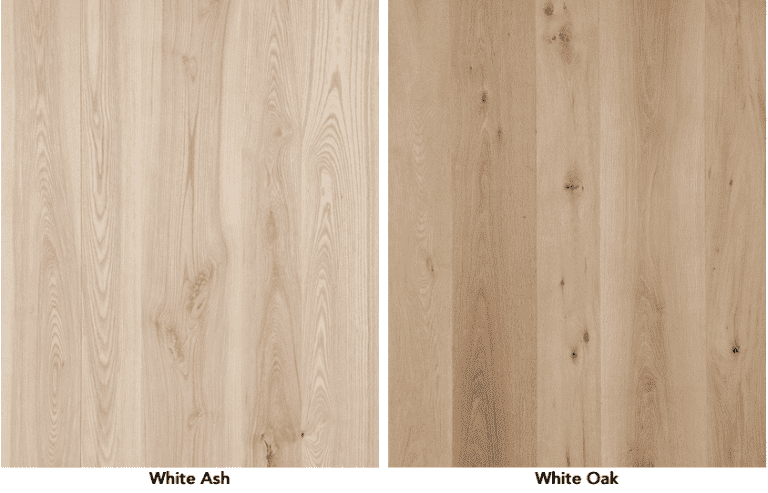
Ash wood is light in color, usually white to pale brown. It has a straight grain and a coarse texture. The wood is known for its toughness and elasticity. It is also resistant to shock, making it ideal for items that need to endure stress. Ash wood is easy to work with, whether you are cutting, shaping, or sanding it. It also takes stains and finishes well, enhancing its natural beauty.
Common Uses Of Ash Wood
Ash wood is widely used in making furniture. Its strength and flexibility make it perfect for chairs, tables, and cabinets. It is also a popular choice for flooring due to its durability. In the sports industry, ash wood is used to make baseball bats, hockey sticks, and oars. The wood’s shock resistance and lightweight properties are ideal for these items. Musical instruments like guitars and drum shells also use ash wood. The wood’s good acoustic properties enhance sound quality.

Ash Wood’s Durability Outdoors
Ash wood can be used outside, but it requires proper treatment. Without sealing, it may not last long in harsh weather. Regular maintenance helps enhance its durability.
When considering materials for outdoor projects, durability is key. You want something that can withstand the elements, right? Ash wood, known for its strength and attractive grain, often comes up in these discussions. But can ash wood be used outside? Let’s delve into its durability outdoors.
Weather Resistance
You might be wondering, how well does ash wood hold up against the weather? The answer is a bit nuanced. Ash wood, by itself, is not highly resistant to weather. It doesn’t naturally repel water, which means it can absorb moisture easily. This could lead to swelling, warping, or even cracking over time. Not ideal for outdoor use, huh?
However, there are ways to enhance its weather resistance. Applying sealants or finishes can significantly improve its ability to withstand the elements. Think of it like putting on sunscreen before hitting the beach. A good sealant will protect the wood from moisture, UV rays, and temperature changes. Regular maintenance, such as reapplying the sealant, is essential to keep the wood in top shape.
Rot And Decay
Rot and decay are the arch-nemeses of any wood used outdoors. Ash wood, unfortunately, is not naturally resistant to rot and decay. This means that if left untreated, it can succumb to fungi and other wood-destroying organisms. Yikes!
But don’t lose hope just yet. Treating ash wood with preservatives can greatly enhance its resistance to rot and decay. There are various treatments available, ranging from chemical preservatives to more natural options like linseed oil. These treatments penetrate the wood and create a barrier against moisture and pests.
Here’s a quick comparison table to summarize the points:
| Aspect | Ash Wood Without Treatment | Ash Wood With Treatment |
|---|---|---|
| Weather Resistance | Poor | Good |
| Resistance to Rot and Decay | Poor | Good |
So, can ash wood be used outside? Yes, but with some caveats. It requires proper treatment and regular maintenance to ensure it stands the test of time. If you’re up for the challenge, ash wood can be a beautiful and durable choice for your outdoor projects. Just remember, a little effort goes a long way in preserving its beauty and strength.
Now, over to you. Have you used ash wood in your outdoor projects? What treatments worked best for you? Share your experiences in the comments below!
Treatment And Preservation
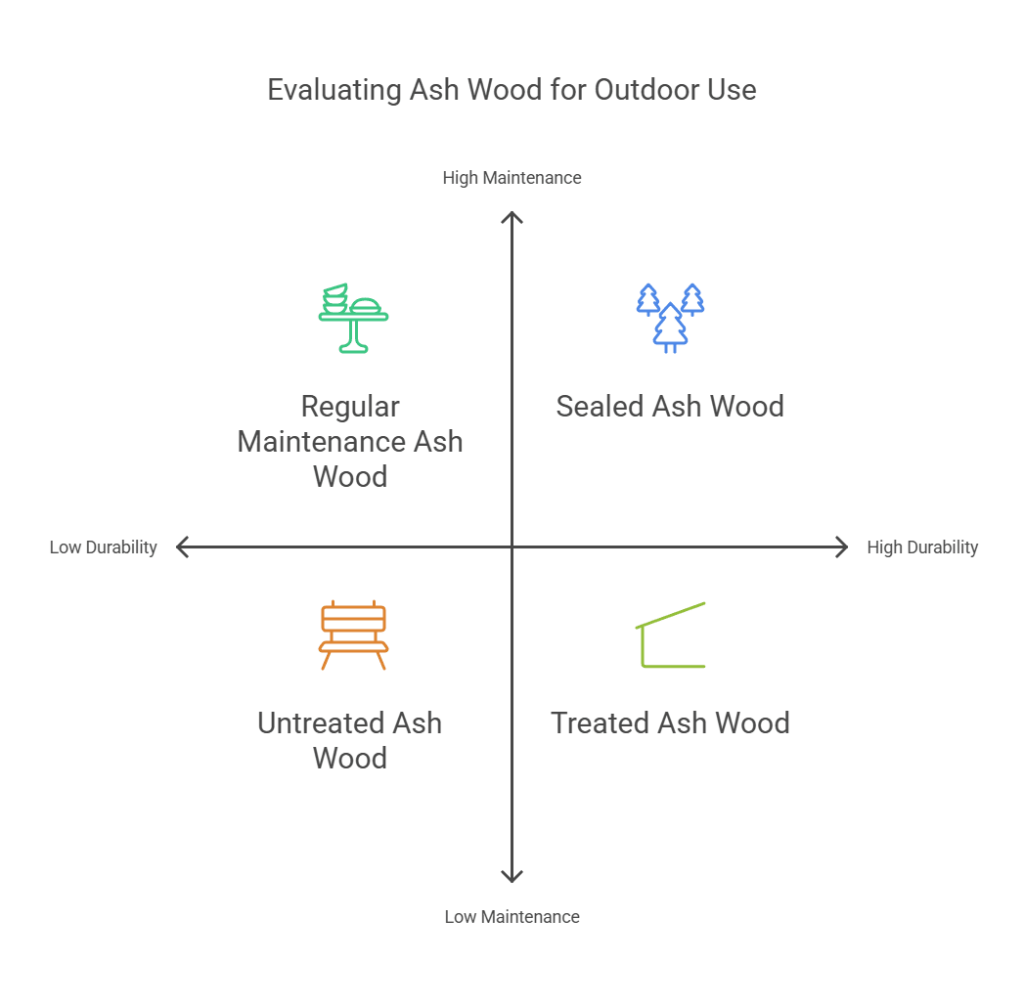
Ash wood can be used outside, but it needs proper treatment. Without protection, ash wood can rot and decay. Treatment and preservation are crucial. They extend the wood’s life and maintain its beauty. Let’s explore how to treat and preserve ash wood for outdoor use.
Sealing And Staining
Sealing ash wood protects it from moisture. Moisture can cause the wood to swell and rot. Use a high-quality wood sealer. Apply it evenly on all surfaces. This creates a barrier against water and insects. Staining adds color and enhances the wood’s natural grain. Choose a stain that is compatible with your sealer. Stains also provide extra protection from UV rays. This helps prevent the wood from fading.
Regular Maintenance
Regular maintenance keeps ash wood looking great. Clean the wood with mild soap and water. Inspect it for signs of damage. Reapply sealer every year. This ensures the wood stays protected. Touch up the stain as needed. Regular care will extend the life of your ash wood. It will keep it beautiful and strong for years.
Comparing Ash Wood To Other Woods
When it comes to choosing wood for outdoor projects, the type of wood you use can make a significant difference in the durability and appearance of your creation. While ash wood is a popular choice for indoor use, many wonder if it can stand up to the elements when used outside. In this section, we will compare ash wood to other commonly used outdoor woods to help you make an informed decision.
Ash Vs. Cedar
Cedar is well-known for its natural resistance to decay and insects. This makes it a prime candidate for outdoor furniture, decking, and fencing. But how does ash wood compare?
| Feature | Ash | Cedar |
|---|---|---|
| Durability | Moderate | High |
| Resistance to Rot | Low | High |
| Appearance | Light Color, Straight Grain | Red/Brown Hue, Aromatic |
While cedar has a natural edge in terms of durability and resistance to rot, ash wood offers a distinct light color and straight grain, which can be aesthetically pleasing. However, without proper treatment, ash wood is more susceptible to decay when exposed to moisture.
Ash Vs. Teak
Teak is often heralded as the king of outdoor woods due to its exceptional durability and resistance to the elements. How does ash wood stack up against this premium wood?
- Durability: Teak is incredibly durable, often lasting decades without significant wear. Ash wood, on the other hand, requires regular maintenance to stay in good shape.
- Water Resistance: Teak has natural oils that repel water, making it perfect for outdoor use. Ash lacks these oils, making it more vulnerable to water damage.
- Cost: Teak is much more expensive than ash, which can be a crucial factor depending on your budget.
If you’re looking for a budget-friendly option, ash might be tempting. But remember, you get what you pay for. Teak’s higher cost is offset by its longevity and minimal maintenance requirements.
In conclusion, while ash wood can be used outdoors with the right treatments and maintenance, it’s often outperformed by woods like cedar and teak. Consider what matters most to you—whether it’s cost, appearance, or longevity—before making your decision. And always remember, the right choice of wood can make all the difference in your outdoor project’s success.
Best Practices For Outdoor Use
When it comes to using wood outdoors, ash wood often comes up in conversations due to its durability and beautiful grain. But can ash wood truly stand the test of time when exposed to the elements? In this section, we will explore the best practices for using ash wood outdoors, ensuring you make the most of this versatile material.
Ideal Applications
Ash wood can be a fantastic choice for various outdoor projects, provided it is used correctly. Here are some ideal applications:
- Outdoor Furniture: Ash wood’s strength makes it perfect for garden furniture, benches, and picnic tables.
- Decking: Its attractive appearance and durability make it an excellent option for outdoor decking.
- Planters: Ash wood planters can add a touch of elegance to your garden while withstanding outdoor conditions.
- Outdoor Structures: Think pergolas, gazebos, or even tree houses. Ash wood can handle the weight and exposure well.
Installation Tips
Proper installation is key to ensuring ash wood’s longevity outdoors. Here are some essential tips:
- Seal and Protect: Always apply a high-quality sealant to protect ash wood from moisture and UV damage. Regular maintenance is crucial.
- Proper Fastening: Use stainless steel or galvanized screws and nails to prevent rust and corrosion, which can damage the wood.
- Elevation: Elevate ash wood structures slightly off the ground to prevent direct contact with soil, reducing the risk of rot.
- Drainage: Ensure proper drainage to avoid water pooling around the wood, which can accelerate deterioration.
- Regular Cleaning: Clean ash wood surfaces periodically to remove dirt, debris, and mildew, which can affect its appearance and lifespan.
By following these best practices, you can enjoy the beauty and durability of ash wood in your outdoor projects for years to come. Remember, a little care goes a long way in preserving the natural charm of this wonderful wood.
Benefits Of Using Ash Wood Outdoors
Using ash wood outdoors offers several benefits. This versatile wood has unique qualities that make it a popular choice for outdoor projects. From its aesthetic appeal to its cost-effectiveness, ash wood stands out as a reliable option.
Aesthetic Appeal
Ash wood has a beautiful grain pattern. Its light color adds a touch of elegance to any space. The smooth texture of ash wood enhances its natural beauty. Outdoor furniture and structures made from ash wood look attractive. It blends well with various outdoor settings.
Cost-effectiveness
Ash wood is more affordable than many other hardwoods. It provides great value for its price. This cost-effectiveness makes it a practical choice for outdoor use. You can enjoy the benefits of hardwood without breaking the bank. Ash wood is durable and long-lasting, ensuring you get your money’s worth.
Potential Drawbacks
While ash wood has many benefits, it’s important to be aware of its potential drawbacks when considering it for outdoor use. In this section, we’ll explore a couple of the main concerns: its susceptibility to insects and the environmental impact of using ash wood.
Susceptibility To Insects
Ash wood, like many other types of wood, can be vulnerable to insect damage. Have you ever seen tiny holes in wooden furniture? Those are usually a telltale sign of insect activity. The most notorious culprit is the emerald ash borer, a beetle that has caused widespread damage to ash trees in North America. These insects lay eggs in the bark, and when the larvae hatch, they burrow into the wood, creating tunnels that weaken the tree.
For outdoor use, this can be a significant issue. If your ash wood is not properly treated or maintained, it can become a tasty meal for these and other insects. To combat this, consider applying insect-repellent finishes or regularly inspecting the wood for signs of infestation. But even with these precautions, there’s no guaranteed protection.
Environmental Impact
Using ash wood outdoors also raises some environmental concerns. Let’s face it, our planet is already facing numerous environmental challenges, and we need to be mindful of our choices. Harvesting ash wood contributes to deforestation, which impacts wildlife habitats and the overall health of our ecosystems.
Moreover, the treatment processes used to prepare ash wood for outdoor use often involve chemicals that can be harmful to the environment. These treatments help the wood resist insects and decay, but they can leach into the soil and water over time. Is it worth the trade-off? That’s a question only you can answer.
Consider looking into sustainable alternatives or certified wood sources that adhere to responsible forestry practices. By making informed decisions, we can enjoy the beauty and functionality of wood while minimizing our environmental footprint.
In summary, while ash wood can be used outdoors, it’s important to be aware of its susceptibility to insects and the potential environmental impact. With proper care and consideration, you can make the best choice for your needs and the planet.
Frequently Asked Questions
What Is The Disadvantage Of Ash Wood?
Ash wood is prone to moisture, making it susceptible to rotting and warping. It also requires regular maintenance.
Is Ash Wood Waterproof?
Ash wood is not naturally waterproof. Treating it with sealants or finishes can enhance water resistance. Regular maintenance is essential.
Can Ash Be Used Externally?
Yes, ash can be used externally. It is often applied for cleaning, as a natural deodorizer, or in skincare.
Can Ash Be Used For Exterior Siding?
Yes, ash can be used for exterior siding. It is durable, weather-resistant, and has a beautiful grain pattern.
Conclusion
Ash wood can be used outside, but it needs protection. Regular maintenance helps it last longer. Treating the wood with sealant or paint is essential. This prevents damage from moisture and pests. Without care, ash wood may not endure outdoor conditions.
Choose wisely for your projects. Proper treatment ensures beauty and longevity. Enjoy your outdoor spaces with well-maintained ash wood. Invest time in care for lasting benefits.