Can Birds Eat Cherry Pits: The Secret Danger
No, birds cannot safely eat cherry pits. The pits contain compounds that release cyanide when crushed or digested, which is highly toxic to birds. They also present a serious choking and digestive blockage hazard. Always remove the pits before offering cherries to your feathered friends.
Watching birds flock to your backyard feeder can be one of life’s simple joys. It’s a wonderful way to connect with nature right from your window. You might feel tempted to share some of your own healthy snacks, like fresh, juicy cherries. It feels good to offer them a special treat. But then you pause and wonder, “What about the pit? Is it safe?”
This is a very common and important question. You want to help your backyard birds, not harm them. The good news is that you’re in the right place to find a clear answer. We will walk you through exactly why cherry pits are dangerous for birds and how you can safely share this delicious fruit with them. Let’s make sure every treat you offer is a safe one.
Why Cherry Pits Are Dangerous for Birds
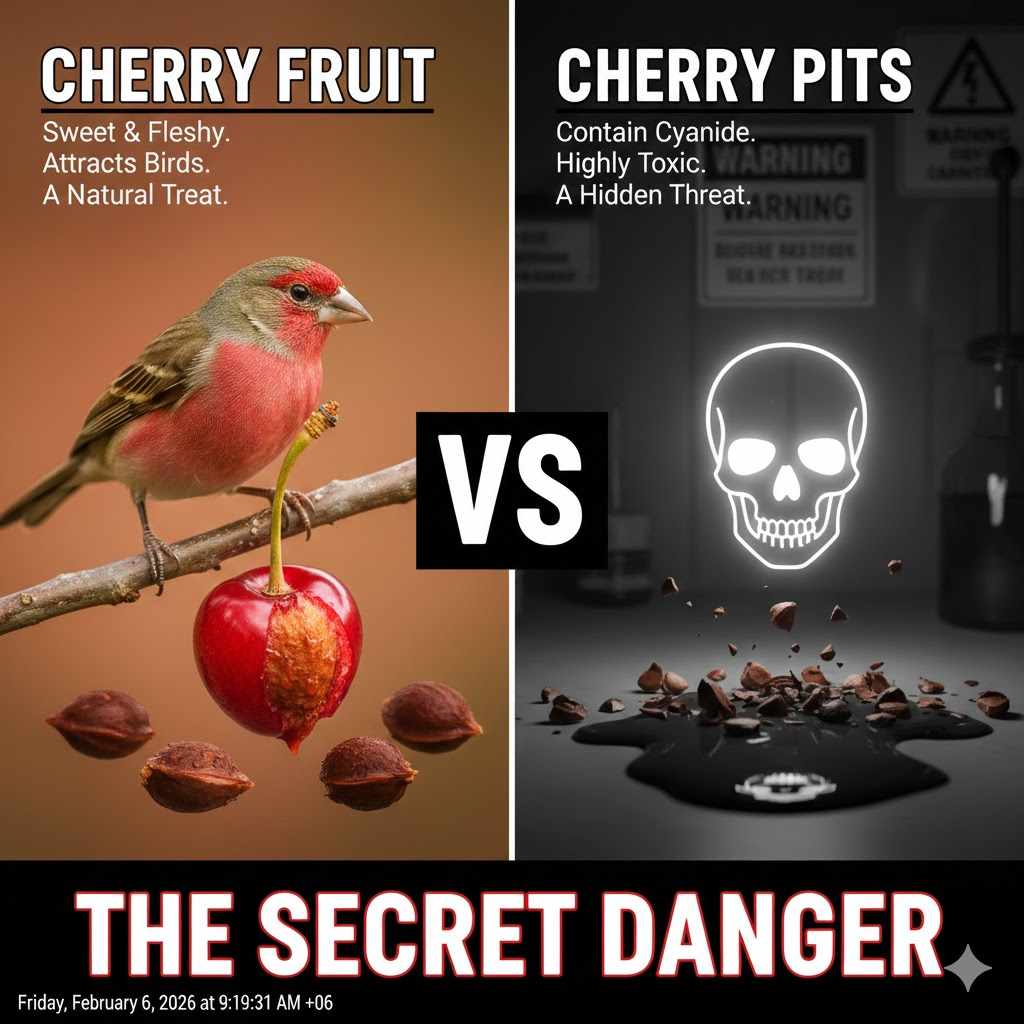
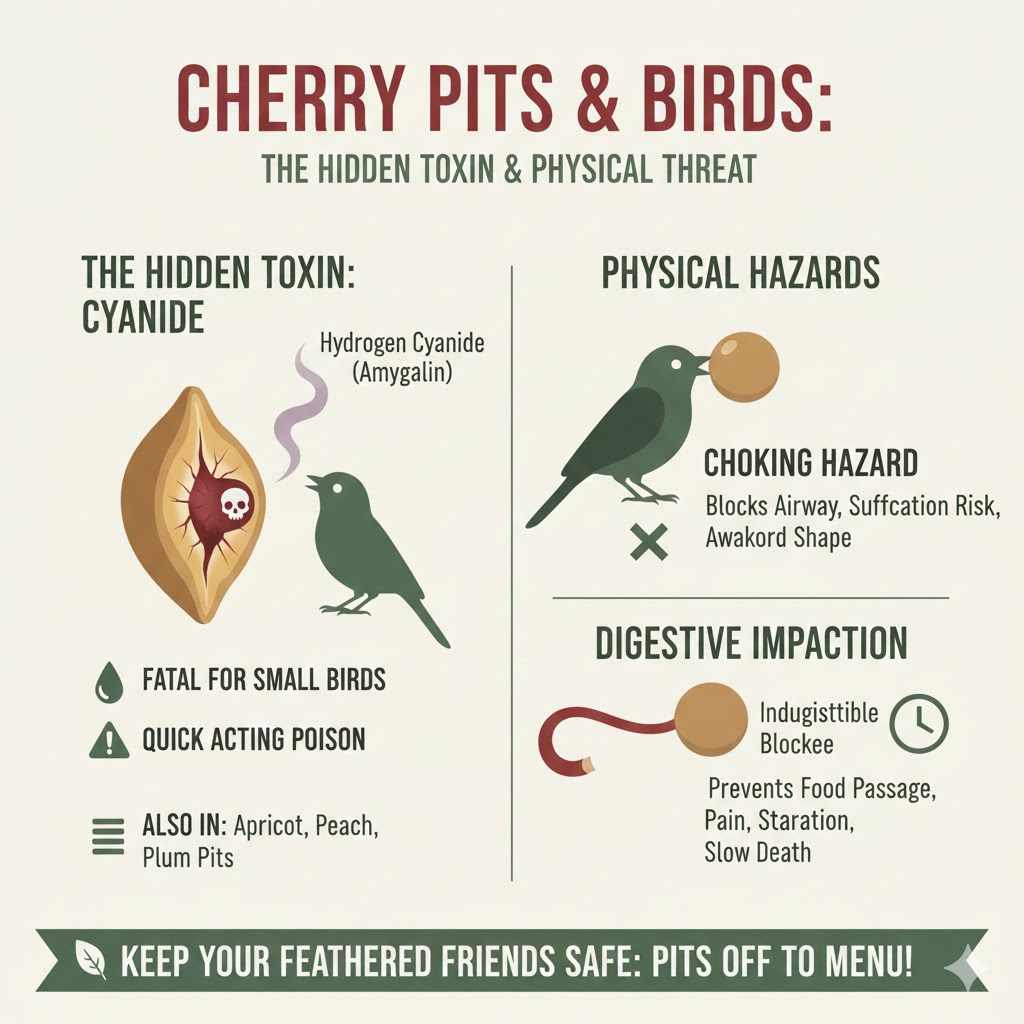
While the fleshy part of a cherry is a nice treat for many birds, the pit, or stone, is another story. The danger is twofold: it contains a hidden toxin and it poses a physical threat. Understanding these risks is the first step to keeping your avian visitors safe and healthy.
The Hidden Toxin: Cyanide
The biggest secret danger lurking inside a cherry pit is a compound called amygdalin. When a cherry pit is crushed, chewed, or starts to be digested, this amygdalin breaks down and releases hydrogen cyanide. You’ve probably heard of cyanide—it’s a potent poison.
For a tiny creature like a bird, even a very small amount of cyanide can be fatal. A bird’s small body and fast metabolism make it especially vulnerable to toxins. While a single pit might not harm a large animal, it could be enough to seriously sicken or kill a sparrow, finch, or robin. The risk increases if a bird tries to crack the pit open with its beak or if the pit is already damaged.
This toxic threat isn’t unique to cherries. It’s a defense mechanism found in many plants in the rose family. As the National Capital Poison Center explains, the pits of fruits like apricots, peaches, and plums also contain these cyanide-producing compounds.
A Serious Choking Hazard
Beyond the chemical danger, a cherry pit is a significant physical hazard. Think about the size of a cherry pit compared to the beak and throat of a small songbird. It’s a hard, smooth, and awkwardly shaped object that can easily get stuck.
If a bird tries to swallow a cherry pit whole, it can become lodged in its esophagus, cutting off its ability to breathe or swallow. This can lead to suffocation in a matter of minutes. For smaller birds, even trying to manipulate the pit in their beak could cause it to get stuck in a dangerous way. It’s like trying to swallow a large marble—a risky and painful endeavor.
Risk of Digestive Impaction
Even if a bird manages to swallow a cherry pit without immediately choking, the danger isn’t over. The hard, indigestible pit can travel down into the bird’s digestive tract and cause a blockage, known as impaction.
A bird’s digestive system is designed to process food quickly. A cherry pit can get stuck in the crop, stomach, or intestines, preventing other food from passing through. This leads to pain, starvation, and eventually, a slow and painful death. The bird may appear weak, lethargic, and stop eating, but by the time these signs are obvious, it’s often too late.
Do Birds Know to Avoid Cherry Pits?
You might think that wild animals have a natural instinct to avoid dangerous foods. While this is often true, we can’t always rely on it, especially in a backyard setting where food is provided by humans.
In the wild, a bird might peck at a cherry on a tree, eat the flesh around the stone, and leave the pit attached to the stem. However, when we present cherries in a feeder, the context changes. The fruit is offered in a way that’s not natural, and a bird might mistakenly ingest the pit along with the sweet flesh. Curious or inexperienced young birds are especially at risk. Ultimately, it is our responsibility as caregivers to remove any potential dangers from the food we offer.
How to Safely Feed Cherries to Birds: A Step-by-Step Guide
The great news is that you can still share the sweet goodness of cherries with your feathered friends! You just need to prepare them properly. Following these simple steps ensures the treat is both delicious and completely safe.
- Wash the Cherries: Rinse the cherries thoroughly under cool running water. This removes any pesticides, dirt, or other residues from the surface of the fruit.
- Remove the Stems: Pluck the stems from all the cherries. Stems have no nutritional value and can be a nuisance for small birds.
- Pit the Cherries Completely: This is the most crucial step. You must remove every single pit. A simple kitchen cherry pitter can make this job quick and easy. If you don’t have one, you can slice the cherry in half and pop the pit out with your fingers or the tip of a knife.
- Chop the Flesh: Once the pits are removed, chop the cherry flesh into small, manageable pieces. For small birds like finches or sparrows, think pea-sized or smaller. This prevents choking on a large piece of fruit and makes it easier for them to eat.
- Offer in Moderation: Fruits are a treat, not a primary food source for most seed-eating birds. Offer the chopped cherries in a shallow dish or a platform feeder, and only provide a small amount that will be eaten in a day.
- Clean Up Afterward: Remove any leftover fruit at the end of the day. Old, sugary fruit can grow harmful mold and attract unwanted pests like ants, wasps, or rodents.
By following this simple process, you provide a high-energy, vitamin-rich snack without any of the risks.
| Plant Part | Safe for Birds? | Reason |
|---|---|---|
| Cherry Flesh | Yes (in moderation) | A good source of vitamins and natural sugars for energy. |
| Cherry Pit (Stone) | NO | Contains toxic cyanide compounds and is a severe choking and impaction hazard. |
| Cherry Stem | NO | Offers no nutritional value and can be a potential choking hazard. |
| Cherry Leaves | NO | Contains cyanogenic compounds, making them toxic if eaten. |
| Cherry Bark/Twigs | NO | Also contains cyanogenic compounds and should not be offered. |
What About Other Fruits with Pits and Seeds?
Cherries belong to a group of fruits known as “stone fruits,” and many of their relatives share the same dangerous trait. It’s helpful to know which common fruits have risky seeds or pits.
The “Stone Fruit” Family
Stone fruits, scientifically known as drupes, are characterized by a hard pit or “stone” in the center. This family includes many popular fruits. According to horticulture experts at institutions like Penn State Extension, the pits from all these fruits—peaches, plums, apricots, and nectarines—contain the same cyanide-producing compounds found in cherry pits. Therefore, the rule is simple: if it’s a stone fruit, remove the stone before offering it to birds.
A Quick Guide to Common Fruit Seeds
The safety of fruit seeds can be confusing. Some are perfectly fine, while others are toxic. The table below provides a quick reference for some of the most common fruits you might consider sharing.
| Fruit | Can Birds Eat the Pit/Seed? | Notes |
|---|---|---|
| Apple | No | Seeds contain cyanogenic compounds. Always core and deseed apples. |
| Pear | No | Like apple seeds, pear seeds also contain cyanide-producing compounds. |
| Peach | No | Pit is very large, a choking hazard, and contains cyanide. |
| Plum | No | Pit contains cyanide and is a choking/impaction risk. |
| Apricot | No | Pit contains cyanide and is a choking/impaction risk. |
| Grapes | Yes (mostly) | Seeds are generally safe, but offering seedless grapes or chopping them can prevent any choking risk for the smallest birds. |
| Watermelon | Yes | Seeds are safe and are even enjoyed by larger birds like cardinals. |
| Berries (Strawberry, Blueberry) | Yes | The tiny seeds are a natural part of the fruit and are perfectly safe. |
Signs of Cyanide Poisoning in Birds
While proper preparation should prevent any accidents, it’s still wise to know the signs of poisoning. If a bird has ingested a crushed cherry pit or another toxic substance, it will likely show symptoms very quickly. Time is critical in this situation.
Common signs of cyanide poisoning in birds include:
- Gasping or difficulty breathing
- Bright red mucous membranes (gums, inside of mouth)
- Weakness, stumbling, or lethargy
- Tremors, seizures, or convulsions
- Vomiting or regurgitation
- Sudden collapse
What to Do if You Suspect Poisoning
If you see a bird exhibiting these symptoms and suspect it may have eaten something toxic, the best course of action is to contact a professional immediately. Place the bird in a quiet, dark box to reduce stress and call your local veterinarian, an avian vet, or a wildlife rehabilitation center. You can also contact the ASPCA Animal Poison Control Center, as they can provide guidance for many animal species. Acting fast is the bird’s best chance for survival.
Other Safe and Healthy Treats for Your Backyard Birds
While properly prepared cherries are a wonderful treat, variety is key to supporting a diverse group of birds. Here are some other safe and highly popular foods you can offer in your backyard feeders:
- Black-Oil Sunflower Seeds: A universal favorite, loved by cardinals, chickadees, finches, and more.
- Nyjer (Thistle) Seeds: Tiny seeds that are a magnet for American Goldfinches and Pine Siskins.
- Suet Cakes: High-fat cakes that provide essential energy for woodpeckers, nuthatches, and wrens, especially during cold winter months.
- Cracked Corn: A favorite of ground-feeding birds like doves, juncos, and sparrows.
- Unsalted Peanuts: Whole or shelled, peanuts attract jays, woodpeckers, and chickadees.
- Mealworms: Live or dried, these are a protein-packed treat beloved by bluebirds and robins.
- Other Fruits: Small pieces of apple (no seeds), banana, melon, and berries are all excellent choices.
The Bigger Picture: Creating a Bird-Friendly Garden
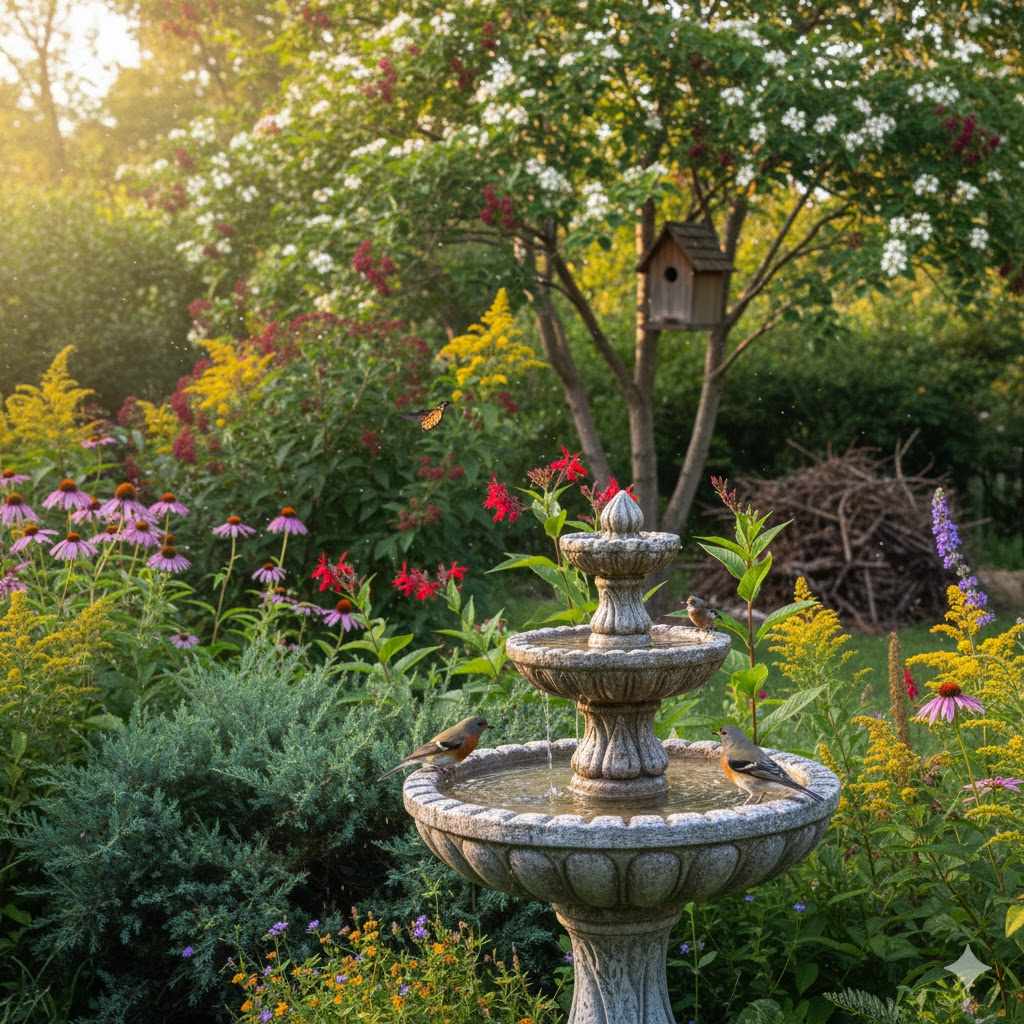
Providing safe food is just one part of creating a welcoming habitat for birds. To truly support your local wildlife, consider the whole environment. A bird-friendly garden provides food, water, shelter, and nesting sites.
Consider planting native shrubs and flowers that produce berries, seeds, and nectar. These plants offer natural and nutritious food sources throughout the year. A simple bird bath provides a critical source of clean water for drinking and bathing. Providing shelter, such as dense shrubs or a brush pile, gives birds a safe place to hide from predators and harsh weather.
Finally, avoid using pesticides in your garden. These chemicals can contaminate insects, seeds, and water sources, indirectly poisoning the birds that consume them. The Environmental Protection Agency (EPA) offers valuable information on how to protect wildlife from the dangers of lawn and garden chemicals. A healthy, natural garden is the ultimate gift to your feathered neighbors.
Frequently Asked Questions (FAQ)
1. What if a bird accidentally eats one whole cherry pit?
If a bird swallows a pit whole and intact, the risk of cyanide poisoning is very low, as the toxin is contained within the hard shell. The primary concern is choking or digestive blockage. Monitor the bird if you can; if it appears distressed, weak, or unable to eat, it may have an impaction and needs help from a wildlife rehabilitator.
2. Can birds eat dried cherries or maraschino cherries?
Yes, but with caution. Commercially dried cherries are usually pitted, making them safe. However, check for added sugars or sulfur dioxide, which are not ideal for birds. Maraschino cherries are pitted, but they are packed with sugar and artificial ingredients, so it’s best to offer fresh, natural cherries instead.
3. Are cooked cherry pits safe for birds?
No. Cooking does not reliably destroy the amygdalin in the pits, so they remain toxic. Furthermore, the pit remains a hard, indigestible object that poses a choking and impaction risk. Never offer cooked pits to birds.
4. Can I put whole cherries out and let the birds pick at them?
It is not recommended. While some birds might be savvy enough to eat only the flesh, others, especially younger birds, may accidentally ingest the pit. The safest method is to always remove the pits yourself before putting the fruit out.
5. Do all birds try to eat cherries?
Many fruit-eating birds (frugivores) like robins, waxwings, mockingbirds, and orioles are attracted to cherries. Even some seed-eating birds will enjoy a sweet, juicy treat. However, their ability to handle the fruit and pit varies greatly by species.
6. Which birds are most at risk from cherry pits?
Smaller birds like finches, sparrows, and warblers are at the highest risk. Their smaller throats and digestive tracts make them much more susceptible to choking and blockages. Larger birds like jays or crows might be able to handle a pit, but the toxic risk remains for any bird that cracks it open.
7. How should I dispose of cherry pits?
The best way to dispose of cherry pits is to put them in your compost bin or regular trash. Do not leave them on the ground near your feeders where a curious bird, squirrel, or pet might find and eat them.
Conclusion: A Safe Treat for Your Feathered Friends
So, can birds eat cherry pits? The answer is a clear and simple no. The risks of cyanide poisoning, choking, and internal blockage are far too great to ever take a chance. The hard stone inside that sweet red fruit holds a hidden danger that our backyard birds are not equipped to handle.
But that doesn’t mean the cherries have to go to waste. The fleshy part of the fruit is a wonderful, nutritious treat that many birds will eagerly devour. By taking a few simple minutes to wash, pit, and chop the cherries, you can offer a snack that is both delightful and perfectly safe.
Caring for wild birds is a rewarding experience, and being a responsible host is part of that joy. Now that you know the secret danger of cherry pits, you have the power to protect your avian visitors while still sharing the treats they love. Enjoy watching your happy, healthy birds, knowing you’ve given them a meal that is as safe as it is sweet.