How Big Is a 7/32 Drill Bit Exact Size Explained
A 7/32 drill bit measures exactly 0.21875 inches in diameter — about 5.56mm, and a hair smaller than a 1/4 inch bit (which is 8/32). Here’s exactly where it fits among common sizes, what it’s actually used for, and where a widely-repeated pilot-hole rule of thumb gets the size wrong.
Understanding Drill Bit Sizing
Best For Covering Every Size From 1/16″ to 1/2″
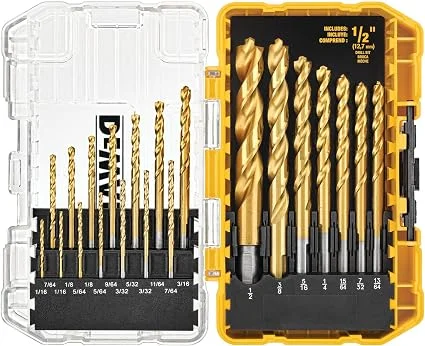 |
DEWALT DW1361 21-Pc. Titanium Bit Set – $26.98 Includes 7/32 plus every other common fractional size from 1/16″ to 1/2″ in one case, so you’re never short a size mid-project.
|
Drill bit sizes come in three different measurement systems — fractional inch, metric, and lettered — and knowing which is which helps you pick the right one for the job.
Fractional Drill Bit Sizes
Most drill bits sold in the United States use fractional inch measurements — sizes like 1/4 inch, 1/8 inch, and 7/32 inch. The fraction represents the bit’s diameter: the larger the denominator (bottom number), the smaller the bit, since the whole inch is being divided into more, smaller parts. A 1/8 inch bit is smaller than a 1/4 inch bit for exactly this reason.
- What is a fraction? In 7/32, 7 is the numerator and 32 is the denominator — the bit’s diameter is 7 divided by 32 of an inch.
- Denominator matters: a bigger denominator means smaller parts, and thus a smaller drill bit.
- Common fractions: 1/4 = 8/32, and 1/2 = 16/32 — useful for comparing sizes at a glance.
Metric Drill Bit Sizes
Outside the United States, drill bits are typically measured in millimeters — a decimal-based system with no fractions to work out. A 5mm bit is exactly 5 millimeters in diameter, full stop. There are about 25.4 millimeters in one inch, so when you’re matching a bit to imported hardware or metric fasteners, that’s the conversion factor to use.
Lettered Drill Bit Sizes
A separate system runs from letter ‘A’ (smallest) to ‘Z’ (largest), mostly used in metalworking and precision applications to fill in gaps between the common fractional and metric sizes. A ‘Z’ bit is roughly 0.413 inches (about 10.5mm), while an ‘A’ bit is about 0.234 inches (about 5.95mm) — both larger than a 7/32 bit, for reference.
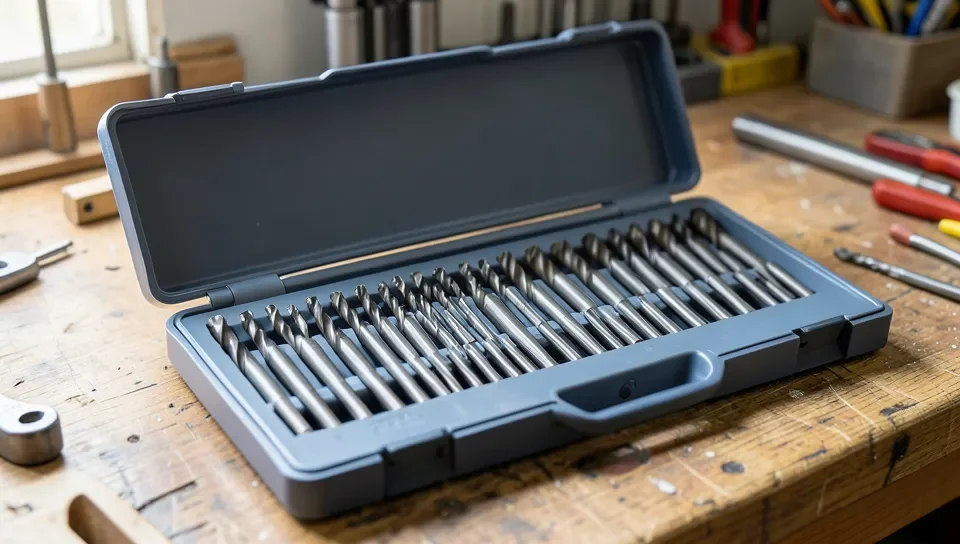
How Big Is a 7/32 Drill Bit? Exact Size Explained
The Diameter of a 7/32 Drill Bit
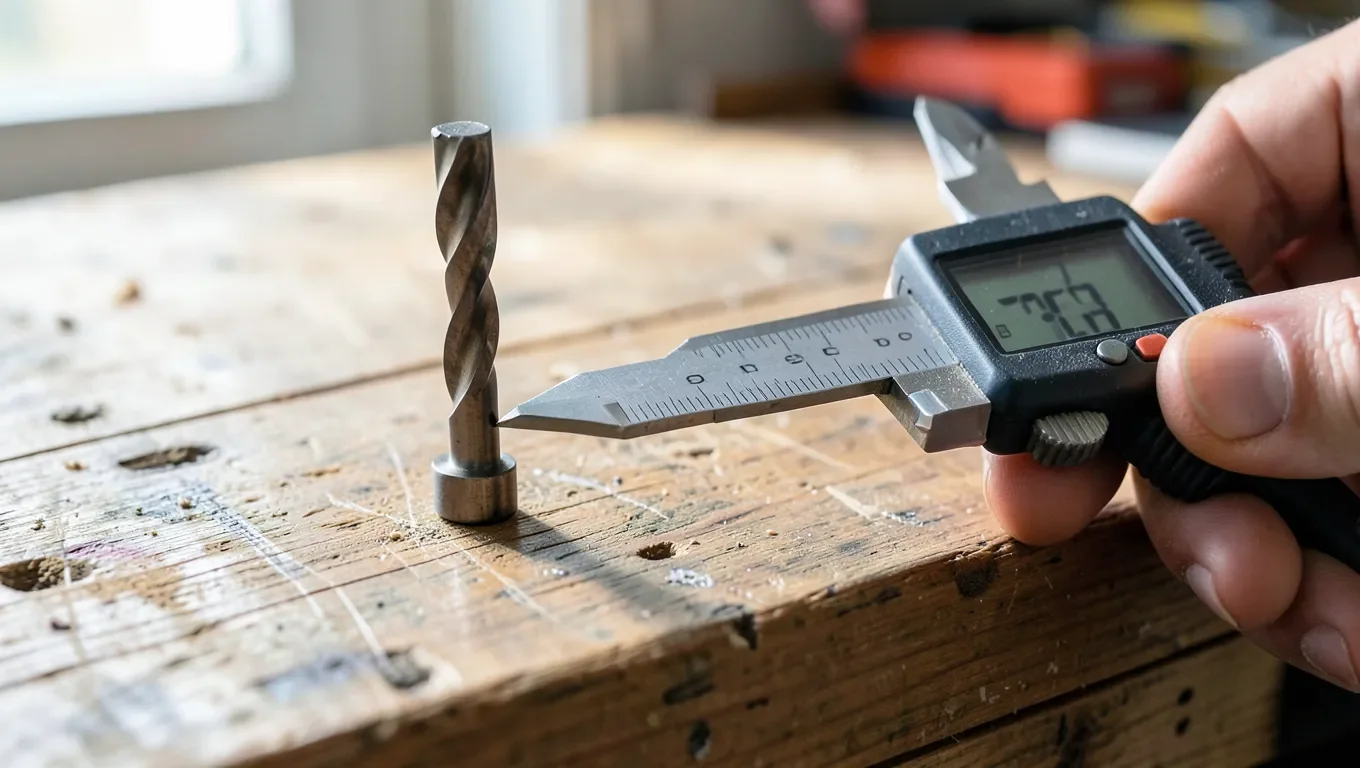
A 7/32 drill bit has a diameter of exactly seven thirty-seconds of an inch — take one inch, divide it into 32 equal parts, and the bit’s cutting edge spans 7 of them. That puts it just slightly smaller than a 1/4 inch bit (which is 8/32). The diameter is measured across the widest part of the bit’s tip, which is also the size of the hole it cuts.
Converting 7/32 to Millimeters
Seven divided by thirty-two equals 0.21875. Multiply that by 25.4mm per inch and you get approximately 5.55625mm — rounded in practice to 5.5mm or 5.6mm. So a 7/32 drill bit cuts a hole about 5.5 to 5.6mm across, which matters when you need to match a metric fastener or imported hardware.
Comparing 7/32 to Other Common Sizes
| Fractional Size | Decimal Inch | Approx. Millimeters |
|---|---|---|
| 1/8″ | 0.125″ | ~3.18 mm |
| 3/16″ | 0.1875″ | ~4.76 mm |
| 7/32″ | 0.21875″ | ~5.56 mm |
| 1/4″ | 0.250″ | ~6.35 mm |
| 5/16″ | 0.3125″ | ~7.94 mm |
| 3/8″ | 0.375″ | ~9.53 mm |
As the table shows, 7/32 falls between 3/16 and 1/4 — a bit more clearance than 3/16, a bit less than a standard 1/4 inch hole. That middle-ground size is exactly why it shows up so often in hardware and fastener specs.
Applications for a 7/32 Drill Bit
Drilling Pilot Holes — and a Common Sizing Mistake
A pilot hole is a small hole drilled before inserting a screw or bolt, to prevent the wood from splitting and to guide the fastener in straight. But a 7/32 (0.219″) pilot hole is too large for a standard #8 or #10 wood screw — those have a root diameter around 0.13″-0.16″, so a 7/32 hole would leave the threads with almost nothing to bite into. The size where 7/32 actually belongs is a 1/4 inch lag screw, bolt, or threaded rod: for tapping a 1/4″ thread into wood, 7/32 is the commonly recommended pilot size. For the correct pilot size by screw gauge and wood hardness, see our 5/32 vs. 7/32 drill bit pilot hole comparison.
Working with Specific Fasteners
Beyond pilot holes, a 7/32 bit is a common choice for machine screws, certain wall anchors, and bolts with a 1/4 inch outer thread that need their threads to engage without binding. Matching the bit to the fastener’s actual spec sheet — not a general rule of thumb — is what prevents a hole that’s too loose or too tight.
Creating Holes for Dowels or Pins
A 7/32 bit also works for drilling holes to fit 7/32 dowels or small metal pins — a snug enough fit for a strong glued joint without being so tight the dowel won’t seat.
Choosing the Right Drill Bit
Reading Project Plans or Instructions
The most reliable way to pick a drill bit is to check the project plans or fastener packaging — manufacturers have usually tested their specified size for the best fit, so trust that over a general rule of thumb.
Matching Drill Bits to Fasteners
Without a spec sheet, the rule for wood screws is a pilot hole smaller than the screw’s shank but close to its root (minor) diameter — for a #8 or #10 screw, that’s typically in the 1/8″ to 3/16″ range, not 7/32″. For a bolt or lag screw with a 1/4 inch nominal diameter, a 7/32 inch pilot is the standard choice when tapping threads into wood.
Understanding Material Properties
The material also matters: softwoods like pine generally tolerate a slightly smaller pilot hole than hardwoods like oak or maple, which are denser and more prone to splitting if the pilot is undersized. Drilling metal needs bits designed for metal, plus cutting fluid to manage heat and wear.
Tool Maintenance for Drill Bits
A dull drill bit can require up to 50% more force to drill through the same material — keeping bits clean and sharp isn’t just tidiness, it directly affects how hard your drill has to work.
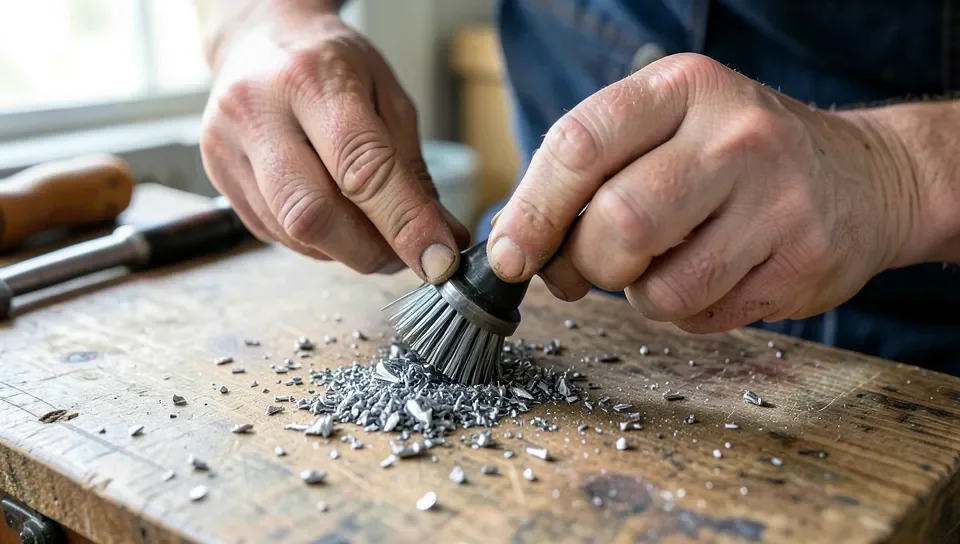
- Clean after each use: wipe down with a dry cloth, brush off stubborn residue, and make sure bits are fully dry before storing to prevent rust.
- Store properly: a dedicated bit organizer or index case keeps cutting edges from chipping or bending against each other, in a dry spot away from humidity.
- Sharpen when dull: a sharpening stone or drill bit sharpener restores the original cutting angle — straightforward for common fractional sizes like 7/32 if done carefully.
Frequently Asked Questions
What is the exact diameter of a 7/32 drill bit in inches?
The exact diameter of a 7/32 drill bit is 0.21875 inches.
How does a 7/32 drill bit compare to a 1/4 inch drill bit?
A 7/32 drill bit is slightly smaller than a 1/4 inch drill bit. One quarter inch equals 8/32 inches, so the 7/32 bit is 1/32 of an inch smaller.
Can I use a 7/32 drill bit for metal?
Yes, provided it’s a bit designed for metal. Always use a cutting fluid when drilling metal to prevent overheating and extend the bit’s life.
What is the metric equivalent of a 7/32 drill bit?
The metric equivalent of a 7/32 drill bit is approximately 5.56 millimeters, often rounded to 5.5mm or 5.6mm.
Is a 7/32 pilot hole right for a #8 or #10 wood screw?
No — that’s a common mix-up. A 7/32 (0.219″) pilot hole is too large for a #8 or #10 wood screw, which needs roughly a 1/8″ to 3/16″ pilot depending on wood hardness. A 7/32 pilot hole is sized correctly for tapping a 1/4 inch lag screw or bolt into wood.
Wrap Up
A 7/32 drill bit measures 0.21875 inches (about 5.56mm) in diameter — a hair under 1/4 inch. It’s the right pilot size for 1/4 inch lag screws and bolts, not standard #8/#10 wood screws, and a solid choice for dowel holes and certain machine-screw and anchor applications. Match it to your project’s actual spec sheet, and keep the bit clean and sharp for the cleanest holes.
Sponsored / affiliate links. As an Amazon Associate I earn from qualifying purchases. I may earn additional commission from eligible campaigns.
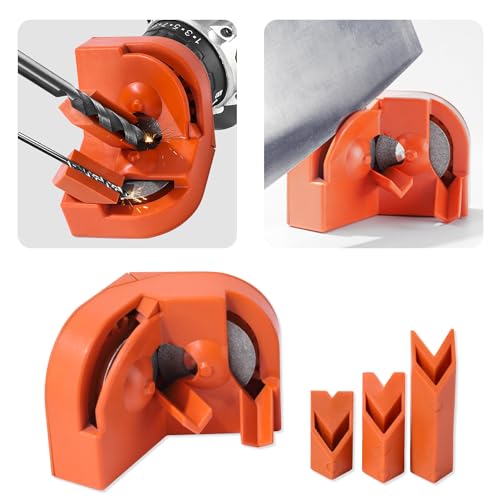 Drill Bit Sharpener - Professional Drill Bits Sharpener for All Bits, Electric Drill Bit Sharpener, Efficient Drill Bit Grinding Sharpener, Cemented Carbide drill repair kit for Grinding andPolishing
 Drill Bit Sharpener Attachment, Precision Angle Grinding Tool Restores 2mm to 13mm Bits for Home Workshop Reinforced ABS Fits 125mm Angle Grinder 1 Pack